
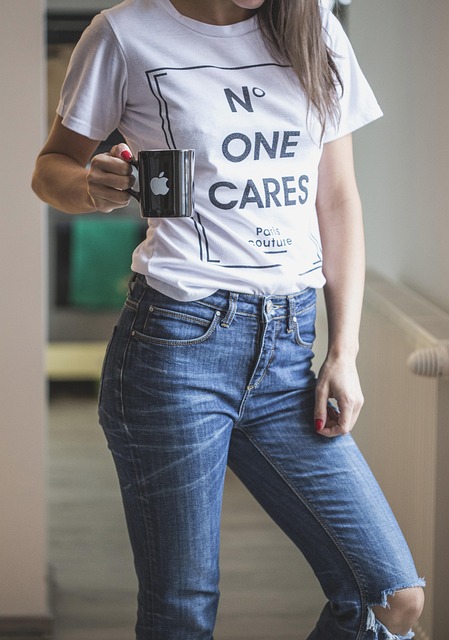
An oversized shirt is one of the most useful pieces you can own, and one of the easiest to get wrong. Worn well, it looks relaxed, modern and deliberately stylish. Worn without any thought, it can look like you grabbed the wrong size in a hurry. The difference is rarely the shirt itself. It is the styling: the fit you choose, the proportions you create, the way you tuck or layer it, and the finishing touches you add. Once you understand a few simple principles, an oversized shirt becomes a wardrobe workhorse for casual weekends, smart-casual offices and evenings out. This guide covers how to choose the right fit, balance proportions, tuck and knot, layer, and build easy outfits for different occasions.
Choose The Right Oversized Fit First
Before you think about outfits, make sure your shirt is genuinely oversized rather than simply too big. An oversized shirt is designed with extra width and length on purpose, but it should still have some structure. A useful check is the shoulder seam: on a well-chosen oversized shirt, it should sit just past your natural shoulder, not halfway down your upper arm. The sleeve may reach your elbow or just below it, but it should not swallow your hands. The body should skim past your hips, anywhere from hip length to mid-thigh, without hanging like a tent. If the hem reaches your knees or the sleeves cover your fingers, the shirt is probably too large rather than fashionably oversized.
Fabric matters just as much as size. A heavier cotton or a crisp cotton-poplin holds its shape and creates a structured drape, which is why a classic oversized white shirt looks polished even when it is roomy. A very thin, floppy fabric can collapse into shapelessness and is harder to style, especially if you plan to tuck it in. Linen works beautifully in summer because its natural texture adds interest, but expect it to crease, which is part of its charm. When you are shopping, try the shirt on with the bottoms you already own, and move around in it: sit down, raise your arms and walk a few steps. A good oversized shirt should feel comfortable and move with you.
Colour and pattern also affect how easy a shirt is to style. A plain white, black, cream or pale blue oversized shirt is the most versatile starting point, because it pairs with almost everything. Stripes add a classic feel, while bold prints are best balanced with plain bottoms. If you are building a capsule wardrobe, start with one neutral oversized shirt and learn to style it well before adding patterned versions.
The Golden Rule: Balance Volume With Structure
The single most important principle in styling an oversized shirt is proportion. When the top half of your outfit has volume, the bottom half should provide contrast, so the overall shape looks deliberate rather than shapeless. Styling guides consistently make the same point: volume on top calls for something slimmer or more structured below. That does not mean you can never wear wide bottoms with an oversized shirt, but you need to create shape somewhere, usually at the waist, to stop the outfit from becoming one big rectangle.
Slim or straight bottoms are the easiest partners for an oversized shirt. Slim jeans, straight-leg jeans, tailored ankle trousers, leggings and pencil skirts all ground the volume above and keep the silhouette clean. If you prefer wide-leg trousers, the combination can still work, but it needs a clear waist definition, such as a front tuck or a belt, so your shape is not lost entirely.
Think of the outfit as a balance. If you add volume in a second place, such as chunky boots or a heavy coat, keep something else slim or fitted. If you wear a long oversized shirt as a dress, add fitted shorts or leggings underneath for coverage and a cleaner line. A guide to styling oversized shirts notes that pairing volume with a structured piece, such as tailored trousers with a sharp crease, is what stops an oversized outfit from looking messy. That contrast is the secret: one relaxed piece plus one structured piece equals an outfit that looks intentional.
How To Tuck An Oversized Shirt
Tucking is the quickest way to transform an oversized shirt from casual to polished, and there are three techniques worth learning. Each one creates a different effect, so choose based on the occasion and the bottoms you are wearing.
The full tuck works best for smarter occasions and with high-waisted trousers or skirts. Tuck the whole shirt in evenly, smooth out any bulk around the waist, and add a belt to hold it in place. This technique works best with lighter fabrics, because heavy cotton bunched at the waist can create bulk.
The French tuck, also called the half-tuck, is the most versatile option and the one to learn first. Tuck just the front centre of the shirt into your waistband and leave the sides and back hanging loose. This defines your waist while keeping the relaxed silhouette, and it creates a flattering diagonal line across the front.
The knot is the most casual option and works well in summer or with high-waisted shorts and skirts. Gather the two front corners of the shirt, tie them into a small knot just above the waistband, and let the rest drape naturally. A knot shortens the shirt’s length and creates shape at the waist in one move. Knotting works best with softer cotton or linen, because very thick fabric can create a bulky lump.
How To Layer An Oversized Shirt
Layering is where an oversized shirt really earns its place in your wardrobe, because it can be both a top and a light jacket. Worn buttoned up, it is a classic shirt. Worn open over a fitted top, it becomes a layering piece that adds structure without warmth or weight.
For a casual layered look, wear the oversized shirt open over a fitted tank top, camisole or bodysuit. This creates vertical lines that elongate the body and keeps the outfit light. In cooler weather, layer the shirt over a slim fine-knit roll neck or long-sleeved top, which adds warmth without bulk. Keep the under-layer fitted so the overall shape stays balanced, and avoid layering two oversized pieces together.
Light jackets also pair well with oversized shirts, and styling tips for oversized shirts point out that a cropped denim jacket or tailored blazer shortens the shirt’s visual length and creates better proportions. When wearing a blazer over an oversized shirt, choose a blazer that is slightly relaxed itself, so the shirt’s sleeves do not bunch inside a very slim sleeve. For a relaxed option, our guide to double denim outfits shows how denim layers can be combined without clashing, and our casual work wear guide has more ideas for office-friendly layering.
Easy Outfit Formulas For Every Occasion
Once you know the principles, building outfits becomes a matter of combining formulas rather than starting from scratch each morning. Here are five reliable formulas to try:
- Casual weekend: an oversized white shirt with a French tuck, straight-leg jeans, white trainers and a crossbody bag. The slim jeans balance the shirt’s volume and the trainers keep it relaxed.
- Smart casual office: a crisp oversized shirt fully tucked into tailored trousers, loafers, a slim belt and a structured handbag. Add a blazer if your office is more formal.
- Summer relaxed: an oversized linen shirt worn open over a camisole, with tailored shorts or a satin midi skirt and sandals. The linen texture adds interest and the outfit stays cool.
- Evening out: an oversized black shirt knotted or French-tucked into a satin midi skirt or slim leather-look trousers, with heeled boots and simple jewellery.
- Layered transitional weather: an oversized shirt over a fitted roll neck, with straight jeans and ankle boots, topped with a cropped jacket. This works in spring and autumn, when mornings are cool and afternoons are warmer.
Accessories finish the look. A belt defines the waist when you tuck or knot, and a structured bag adds polish that a slouchy tote does not. Keep jewellery simple when the shirt is patterned, and feel free to add bolder jewellery when the shirt is plain. Footwear changes the whole mood: trainers make it casual, loafers make it smart-casual, and heeled boots make it evening-ready.
Common Mistakes To Avoid
A few common mistakes can undo an otherwise good oversized shirt outfit. The first is wearing volume on both halves: an oversized shirt with very baggy trousers and chunky shoes often looks shapeless, unless you add a strong waist definition. If you love wide-leg trousers, pair them with a French tuck. For more on balancing relaxed bottoms, our guides to wide-leg trousers and baggy jeans cover proportion tips for looser fits.
The second mistake is ignoring the shoulder line. If the shoulder seam falls far past your shoulder and the sleeve covers your hands, the shirt will look borrowed rather than styled. Rolling the sleeves to just below the elbow is a quick fix that also shows your wrists. The third mistake is using too much fabric at the waist: a full tuck with a heavy shirt, or a belt over a very thick knot, creates bulk. In those cases, a French tuck or an open layered look usually works better. Finally, avoid ironing an oversized shirt into complete stiffness or leaving it deeply creased. A light steam that keeps some softness suits the relaxed nature of the fit.
Frequently Asked Questions
What Should I Wear Under An Oversized Shirt
A fitted camisole, tank top or bodysuit works best when you wear the shirt open, because it keeps the silhouette balanced. In cooler weather, a slim long-sleeved top or fine-knit roll neck adds warmth without bulk. Avoid wearing another loose top underneath, which usually creates shapelessness.
Can I Wear An Oversized Shirt To Work
Yes, provided your workplace allows smart-casual dress. Choose a crisp cotton or poplin shirt in a neutral colour, tuck it fully into tailored trousers or a pencil skirt, and add loafers and a blazer. Avoid very casual fabrics such as heavy jersey for the office.
How Do I Stop An Oversized Shirt Looking Sloppy
Balance is the key. Pair the shirt with slimmer or tailored bottoms, define your waist with a tuck, knot or belt, and add one structured piece such as a blazer or a structured bag. Check the shoulder fit, roll the sleeves neatly, and steam out deep creases.
Should I Size Up Or Buy A Shirt Designed As Oversized
Buy a shirt designed as oversized whenever possible. A shirt designed with an oversized cut has the extra width placed where it drapes well, while a shirt simply sized up can have a collar, shoulders and cuffs that sit in the wrong places. If you do size up, check the shoulder seam and sleeve length carefully.
Conclusion
Styling an oversized shirt well comes down to a few habits rather than a long list of rules. Choose a fit that is deliberately oversized, not accidentally too big, and pick a fabric that holds its shape. Balance the volume on top with slimmer or more structured bottoms, and create shape at the waist with a tuck, a knot or a belt. Layer it open over a fitted top for casual days, or tuck it into tailored trousers with a blazer for smarter ones. With those principles, one good oversized shirt can carry you through weekends, workdays and evenings out. Start with a neutral shirt, try the French tuck first, and build your favourite formula from there.
Leave a Reply