
| Aspect | Details |
| Size | 20–25 inches tall; 45–90 lbs |
| Coat | Short, smooth, low-maintenance |
| Common Colors | Black, chocolate, yellow, white, brindle |
| Lifespan | 10–15 years |
| Energy Level | High – 1–2 hours exercise daily |
| Temperament | Loyal, affectionate, friendly, sometimes strong-willed |
| Training | Positive reinforcement, consistent guidance |
| Socialization Needs | Early exposure to people, pets, and environments |
| Ideal Home | Active families, houses with yards, experienced dog owners |
The mixed lab and pitbull is a crossbreed that has gained popularity for combining two very distinct traits: the friendly, outgoing nature of the Labrador Retriever and the strong, loyal temperament of the Pitbull. People search for this hybrid because it offers the potential for a loving family dog with an athletic build and intelligence.
Whether you are considering bringing a mixed lab and pitbull into your home or simply curious about the breed, understanding its unique characteristics is essential. In this article, we will explore everything from appearance and temperament to exercise needs, training, health, and care. By the end, you will have a clear, realistic picture of what life is like with this energetic and affectionate dog.
Understanding the Mixed Lab and Pitbull Breed
A mixed lab and pitbull is the offspring of a Labrador Retriever and an American Pitbull Terrier. Because both parent breeds are well-known for their loyalty and intelligence, the hybrid often inherits the best qualities of each. Some people refer to this mix as a Labrabull, Pitador, or Bullador, though the terms are generally interchangeable.
This hybrid has grown in popularity because it combines the approachable, friendly nature of the Labrador with the athleticism and strong protective instincts of the Pitbull. For families seeking a dog that is both social and alert, this breed can be an appealing option. However, it is important to remember that, like all hybrids, each dog’s personality and appearance can vary significantly, even within the same litter.
Physical Traits and Appearance Expectations
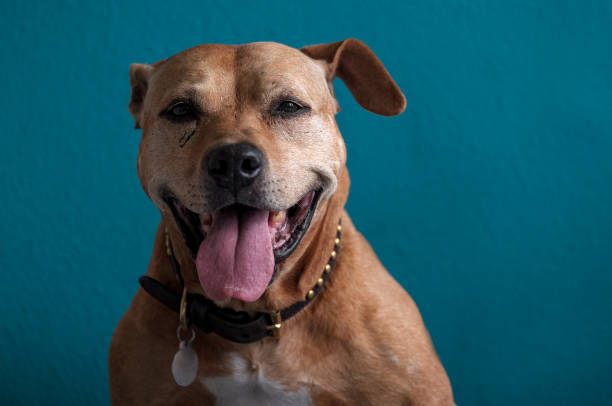
One of the most noticeable aspects of a mixed lab and pitbull is its physical appearance. These dogs are typically medium-to-large in size, standing between 20 and 25 inches tall at the shoulder and weighing anywhere from 45 to 90 pounds. They usually inherit a muscular frame, deep chest, and strong legs from their Pitbull parent, while the Labrador genes often soften the overall look, giving them a more approachable and friendly expression.
Their coat is generally short and smooth, making grooming relatively easy. Common colors include black, chocolate, yellow, white, and brindle. Some dogs may even display a mix of colors or patterns, reflecting the genetic influence of both parents. Because of this variation, it can be difficult to predict exactly what a puppy will look like, which is something potential owners should consider when adopting or buying.
Overall, the mixed lab and pitbull is an athletic and sturdy dog, built for activity, play, and companionship.
Personality, Temperament, and Daily Behavior
The mixed lab and pitbull is known for its high energy and affectionate nature. These dogs thrive on attention and tend to form strong bonds with their owners, often following them from room to room and wanting to be involved in family activities. Their loyalty and protective instincts are notable, making them attentive and caring companions.
While generally friendly, this hybrid can show variations in temperament. Some may inherit the Labrador’s easygoing and social attitude, while others may lean toward the Pitbull’s determined and sometimes stubborn personality. Because of these differences, early socialization and consistent, positive training are crucial. A well-socialized mixed lab and pitbull is friendly with strangers, confident around other dogs, and comfortable in a variety of environments.
In daily life, they are lively, playful, and curious. Without adequate activity, they can become bored, leading to destructive behaviors or excessive barking. However, when given the right outlets for their energy, these dogs are affectionate, loyal, and eager to please.
Exercise Needs and Mental Stimulation
Due to their hybrid vigor, mixed lab and pitbulls have high exercise requirements. Most dogs need at least 60 to 120 minutes of physical activity per day, including walking, running, swimming, or interactive play. Mental stimulation is just as important as physical exercise, as these dogs are intelligent and enjoy problem-solving activities.
Under-exercised mixed lab and pitbulls can develop behavioral problems such as chewing, digging, or hyperactivity. Regular exercise not only keeps them physically healthy but also helps maintain emotional balance and reduces stress. Activities like fetch, agility training, or scent games are excellent for keeping their minds sharp and bodies active.
Because of their endurance and energy, they are better suited to active families or individuals who can commit to daily walks, runs, and playtime.
Training Style and Socialization Needs
Training a mixed lab and pitbull can be highly rewarding due to their intelligence and eagerness to please. They respond best to positive reinforcement, including praise, treats, and interactive games. Firm, consistent leadership is important to prevent stubborn behavior from taking over.
Early socialization is critical. Exposing puppies to various people, animals, and environments helps them grow into confident, well-adjusted adults. Proper social training can reduce tendencies toward possessiveness or territorial behavior, which can sometimes appear in Pitbull mixes.
This hybrid is ideal for owners who are patient, consistent, and experienced with dogs. They need someone who can provide both structure and affection, balancing their strong will with positive guidance. With the right training, these dogs become loyal, obedient, and adaptable companions.
Living Environment and Lifestyle Compatibility
While mixed lab and pitbulls can adapt to different living situations, their high energy levels make them better suited to homes with a yard or access to open spaces. Apartment living is possible, but it requires a strict exercise routine and mental stimulation to prevent boredom and restlessness.
These dogs fit well with active families, singles who enjoy outdoor activities, or households that can dedicate time to play and training. Interaction with children is usually positive, as these dogs are gentle and protective when socialized correctly. However, supervision is always recommended, especially with younger children, due to the dog’s strength and energy.
When it comes to other pets, early introduction and ongoing supervision are key. While many mixed lab and pitbulls get along well with other dogs, some may display dominance or a high prey drive, particularly toward smaller animals.
Health Concerns and Expected Lifespan
A mixed lab and pitbull generally has a lifespan of 10 to 15 years, reflecting the average of its parent breeds. While many are healthy and robust, there are some common health issues to be aware of. Joint problems, such as hip or elbow dysplasia, are prevalent in both Labradors and Pitbulls. Regular exercise, proper diet, and routine veterinary checkups can help mitigate these risks.
Other potential concerns include obesity, hypothyroidism, epilepsy, and skin allergies. Preventive care, including vaccinations, parasite control, and routine health screenings, is essential for maintaining long-term health. A responsible owner who monitors weight, exercise, and nutrition can significantly reduce the likelihood of serious health problems.
Grooming, Feeding, and General Care
Grooming a mixed lab and pitbull is generally straightforward. Their short coat requires weekly brushing to remove loose hair and maintain skin health. While not hypoallergenic, shedding is moderate compared to long-haired breeds.
Diet is another crucial aspect. These dogs thrive on high-quality, protein-rich food. Portion control is important to prevent weight gain, especially since their energy needs can vary based on age, size, and activity level. Many owners find that splitting meals into two daily portions helps maintain a healthy weight and supports digestion.
General care includes regular dental hygiene, nail trimming, and monitoring for signs of discomfort or health issues. Routine checkups with a veterinarian help detect problems early and keep your dog in optimal health.
Pros and Challenges of Owning a Mixed Lab and Pitbull
There are many advantages to owning a mixed lab and pitbull. They are loyal, affectionate, intelligent, and highly trainable. Their energy and playfulness make them excellent companions for active individuals and families. With proper socialization, they can be friendly, confident, and adaptable in a variety of settings.
However, there are realistic challenges to consider. Their strength and high energy levels require consistent exercise and training. Without it, they can develop destructive or hyperactive behaviors. Additionally, their strong will and potential prey drive mean they are best suited for experienced dog owners or families committed to learning about the breed.
In short, this hybrid is ideal for owners who can provide both mental stimulation and physical activity while offering loving, structured guidance. They are not a breed for passive households or people with little time to invest in their care.
Conclusion
The mixed lab and pitbull is a unique hybrid that blends the friendliness of a Labrador with the loyalty and strength of a Pitbull. They are affectionate, intelligent, and energetic dogs that thrive in active, attentive homes. Understanding their physical traits, personality, exercise needs, and health considerations is essential for anyone thinking about adopting one.
Owning a mixed lab and pitbull can be a deeply rewarding experience, but it also requires realistic expectations, patience, and commitment. With proper training, socialization, and care, these dogs become loyal companions who are not only strong and energetic but also loving members of the family.
For potential owners, the key takeaway is simple: be prepared to invest time and energy, provide structured guidance, and embrace the playful, affectionate personality of this remarkable hybrid. With the right approach, a mixed lab and pitbull can bring years of companionship, joy, and loyalty into your home.
FAQs
Are mixed lab and pitbulls good with kids?
Yes! With proper socialization, they are gentle, protective, and playful around children. Supervision is recommended for very young kids.
How much exercise does a mixed lab and pitbull need?
They need 60–120 minutes of physical activity daily, including walks, playtime, or mental games to stay happy and healthy.
Do mixed lab and pitbulls shed a lot?
They shed moderately. Weekly brushing keeps their short coat healthy and reduces loose hair around the house.
What health problems should I watch for?
Common concerns include hip/elbow dysplasia, obesity, hypothyroidism, and skin allergies. Regular vet checkups and proper diet help prevent issues.
Are they easy to train?
Yes, they are intelligent and eager to please. Positive reinforcement and consistent guidance are key to effective training.