
Introduction
Pineberries are a fascinating and unusual fruit that has captured the attention of fruit lovers around the world. At first glance, they might seem like strawberries that haven’t quite ripened, with their creamy white skin and bright red seeds. But despite their appearance, pineberries are fully ripe and offer a distinct taste that sets them apart from traditional red strawberries. Many describe their flavor as a unique mix of strawberry sweetness with tropical hints of pineapple, pear, or even apricot.
Their exotic look and flavor combination have made pineberries increasingly popular in gourmet kitchens, specialty markets, and social media food posts. People are drawn not only to their unusual appearance but also to the delicate sweetness that makes them a delightful addition to desserts, drinks, and fresh fruit platters. This article explores everything you need to know about pineberries, from their origins and distinctive features to how to enjoy and care for them.
What Are Pineberries and How They Came to Be
Pineberries are the result of careful natural hybridization, combining the Chilean white strawberry (Fragaria chiloensis) with the North American red strawberry (Fragaria virginiana). This crossbreeding produces a fruit that inherits traits from both parent plants: the pale, creamy skin from the Chilean white strawberry and the sweet, juicy flavor from the red strawberry.
Unlike genetically modified fruits, pineberries are entirely natural. They have been developed through traditional breeding techniques aimed at creating a strawberry with unique visual and taste qualities. While they are often mistaken for underripe strawberries, their flavor tells a different story. Fully ripe pineberries have a sweet and aromatic taste that clearly distinguishes them from the conventional red varieties.
The cultivation of pineberries is relatively recent compared to standard strawberries. Initially grown in Europe, particularly in the Netherlands and Belgium, they have gradually spread to North America, where small-scale farms in Florida and California now cultivate them. Over the years, they have gained recognition among chefs, bakers, and health-conscious consumers who appreciate their visual appeal and nuanced flavor profile.
Appearance, Size, and Distinctive Features
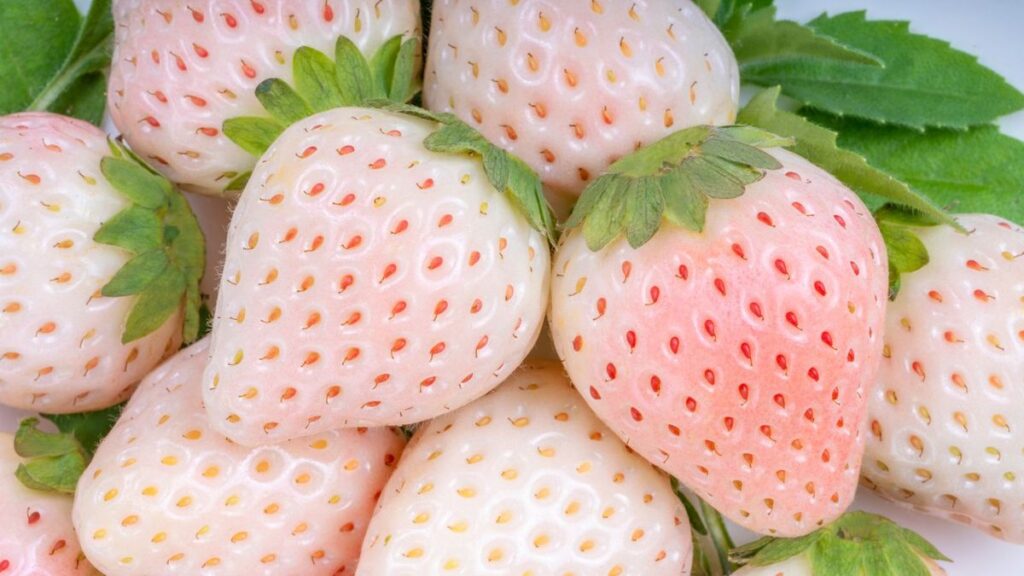
One of the first things that sets pineberries apart is their appearance. Unlike regular strawberries with bright red flesh and greenish seeds, pineberries feature a creamy white or pale pink exterior with vivid red seeds known as achenes. This striking contrast gives the impression of an “inside-out” strawberry, making them a visually captivating choice for culinary presentations.
Pineberries are generally smaller than their red counterparts, usually measuring between 15 and 23 millimeters in length. Their shape is similar to traditional strawberries, with a conical form and a slightly rounded tip. The delicate white skin is often speckled with the red seeds, which not only contribute to the fruit’s charm but also offer a subtle crunch when eaten.
Visually, the difference between pineberries and red strawberries is stark. While red strawberries are bold and familiar, pineberries exude an exotic elegance, making them perfect for garnishing desserts, adding a pop of color to salads, or featuring in gourmet platters. Their distinctive look often surprises people who expect the taste to match their traditional red cousins, making them a conversation-starting fruit at any table.
Flavor Profile and Culinary Appeal
Taste is where pineberries truly shine. They are known for their delicate sweetness and tropical notes, often described as a combination of strawberry and pineapple with hints of pear or apricot. Unlike red strawberries, which can sometimes be tangy or acidic, pineberries tend to have a milder, more fragrant flavor that appeals to both children and adults.
This unique flavor profile makes pineberries versatile in the kitchen. They can be enjoyed on their own, allowing the natural taste to stand out, or incorporated into a variety of dishes. Chefs and home cooks alike use them to elevate desserts like pavlova, cheesecake, or tarts, where the fruit’s appearance and flavor both play a starring role. Pineberries also pair beautifully with sparkling drinks, yogurt, or cream-based desserts, adding a tropical twist without overwhelming the other ingredients.
Their sweet and mild taste also makes them ideal for fresh fruit salads, where they add an exotic flair alongside more common fruits. Because they are less acidic than traditional strawberries, they can even be enjoyed by those who may find red strawberries too sharp or sour. This combination of mild sweetness, tropical notes, and eye-catching color has helped pineberries carve out a niche among gourmet fruit varieties.
Growing and Seasonal Availability
Pineberries are cultivated primarily in specialized farms, as they require careful attention to thrive. In the United States, they are mainly grown in Florida and California. Florida’s season typically runs from November through April, while California growers can often supply pineberries from January to October. This extended availability allows consumers to enjoy them for most of the year, depending on the region and local supply.
In Europe, countries like the Netherlands and Belgium continue to produce pineberries, supplying local markets and exporting to other countries. They are less common than traditional strawberries, so they may not always be found in regular grocery stores.
When selecting pineberries, look for firm berries with no visible bruising. Their color should be creamy white with bright red seeds, and they should feel slightly soft to the touch without being mushy. Because they are highly perishable, choosing fresh, undamaged fruits is key to enjoying the full flavor experience. Specialty grocery stores, farmers’ markets, and stores such as Whole Foods or Trader Joe’s often carry pineberries under specific brand names like Pink-A-Boo®.
How to Store and Enjoy Pineberries?
Pineberries are delicate and perishable, so proper storage is important to maintain their flavor and texture. It is best to store them unwashed in the refrigerator and consume them within five to seven days. Washing them before storage can lead to quicker spoilage, so rinse only before eating or using in recipes.
To fully enjoy pineberries, allow them to come to room temperature before serving. This enhances their flavor and aroma, allowing the tropical notes to shine. They are incredibly versatile in the kitchen. Beyond enjoying them raw, pineberries can be incorporated into desserts like cheesecakes, tarts, or pavlovas, where their visual appeal is matched by their delicate sweetness.
Cocktails and mocktails can also benefit from pineberries as a garnish or muddled for subtle fruity flavors. For home entertaining, they make an elegant addition to fruit platters, chocolate-dipped fruit displays, or even as a topping for breakfast dishes like pancakes or yogurt bowls. Their small size and unique appearance make them ideal for decorative uses where both taste and presentation matter.
Nutritional Benefits and Considerations
Pineberries offer several nutritional benefits, similar to traditional strawberries. They are low in calories, high in fiber, and packed with vitamins such as vitamin C, which supports immune function and skin health. They also contain antioxidants, which help protect the body from oxidative stress and may reduce inflammation.
Compared to red strawberries, pineberries tend to have slightly lower acidity, which can make them easier on sensitive stomachs. They are suitable for a wide range of diets, including vegetarian, vegan, and gluten-free eating plans. While their flavor and appearance are the main draw, their nutritional profile adds an extra reason to include them in a healthy diet.
As with all fruits, moderation is key. While pineberries are healthy, their sugar content, though natural, should be considered for individuals monitoring carbohydrate intake. Overall, they make a delicious and visually appealing addition to a balanced diet.
Conclusion
Pineberries are a truly unique fruit, combining visual charm with a delicate, tropical flavor that sets them apart from traditional strawberries. Their creamy white skin, red seeds, and sweet taste make them an appealing choice for desserts, fresh fruit platters, and creative culinary uses.
Whether you are a foodie looking to impress guests or someone simply curious about new flavors, pineberries offer a delightful experience that is both exotic and approachable. With careful selection, proper storage, and thoughtful serving, these small but extraordinary berries can add elegance and flavor to any dish. Trying pineberries is not just about tasting a new fruit; it’s about enjoying the beauty, novelty, and subtle sweetness that only this remarkable strawberry hybrid can provide.
FAQs
Are pineberries genetically modified?
No. Pineberries are a natural hybrid, developed through traditional breeding techniques, not genetic modification.
Do pineberries taste like regular strawberries?
They taste sweeter and less acidic than red strawberries, with tropical hints of pineapple, pear, and apricot.
Where can I buy pineberries?
They are usually available at specialty stores and markets like Whole Foods, Trader Joe’s, or Aldi, often under brand names like Pink-A-Boo®.
How should I store pineberries?
Keep them unwashed in the fridge and consume within 5–7 days to enjoy their best flavor and texture.
Can I grow pineberries at home?
Yes, with the right care and soil conditions, pineberries can be grown at home, but they require patience as they are delicate and less common than regular strawberries.