
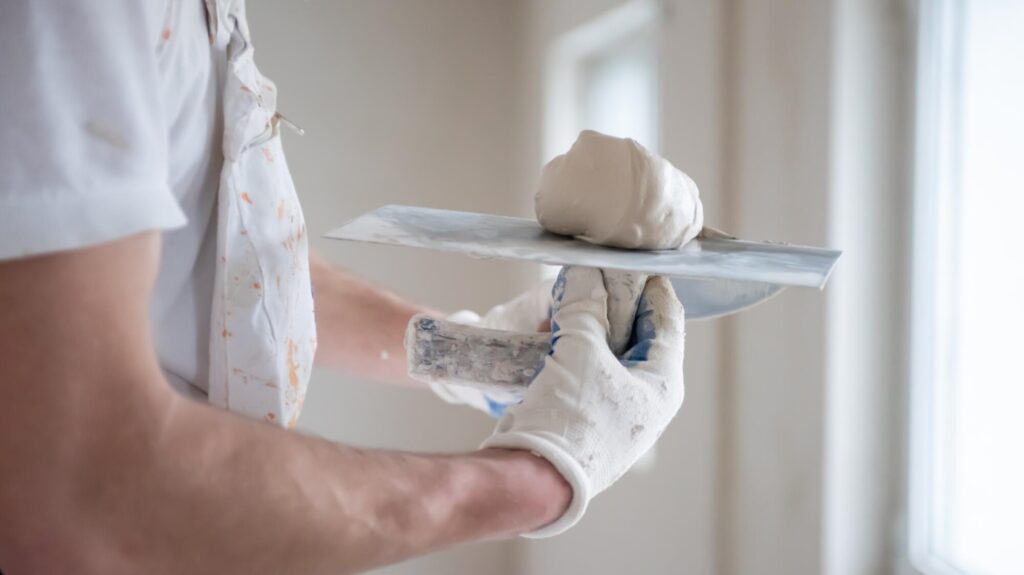
Plaster work often requires patience. Waiting for plaster to set can slow down a whole project. Learning how to speed up the plaster setting process can save time and help workers move on to the next step more quickly.
Faster-setting plaster also helps keep work on schedule. It reduces delays and improves job flow. With the right methods and materials, smooth and strong results are still easy to achieve.
Understanding Plaster Setting
Plaster setting is the process by which plaster hardens after application. Several factors, including temperature and humidity, influence this process. Understanding these factors can help you manage plaster setting times effectively.
Different types of plaster have varied setting times. For instance, gypsum plaster sets quicker than traditional lime-based plaster. Knowing your materials is crucial for optimizing the plaster setting experience.
Benefits of Faster Plaster Curing Methods
Using faster plaster curing methods speeds up your entire project. Faster curing can help you meet tight deadlines and take on more jobs. This not only improves productivity but also increases customer satisfaction.
Moreover, quicker curing times reduce the overall time needed on-site. This means lower labor costs and more efficient use of resources. Who wouldn’t want to maximize their efficiency on a job?
Plaster Additives to Accelerate Setting
Many professionals turn to plaster additives to improve their workflow. Additives can enhance plaster properties and mitigate long waiting periods. This ensures that plaster sets more quickly without compromising quality.
One effective additive is the Halftime Plaster Accelerator. This product is designed specifically to reduce plaster setting times and achieve stronger results. You can easily buy Halftime Plaster Accelerator here for your next project.
Choosing the Right Plaster for Your Needs
There are numerous types of plaster available on the market today. These include Portland cement plaster, Venetian plaster, and ready-mixed plaster. Each type serves a different purpose and may have unique setting characteristics.
Understanding the specific types of plaster helps you select the best option for your project. This knowledge can significantly improve plaster setting time. Choosing wisely can save you time and ensure quality results.
Environmental Factors Impacting Setting Times
Environmental conditions play a critical role in plaster setting. High humidity can delay the hardening process, while warm, dry air can speed it up. Being aware of these factors allows you to make adjustments during the application.
For instance, working in a cooler, shaded area can slow the setting but also help you manage it better. Conversely, protecting the plaster from excessive heat can prevent rapid curing. Knowing how to manipulate these variables can enhance the effectiveness of your plastering projects.
Tips for Maximizing Efficiency in Plastering
To achieve the best results, plan your plastering work. This includes preparing your surface and gathering all necessary materials. A well-prepared workspace can significantly reduce plaster setting time.
Moreover, consider applying plaster in manageable sections. This approach ensures that you can effectively monitor the drying process. Keeping things organized leads to a smoother and quicker plastering experience.
Smarter Techniques for Efficient Plaster Setting
Speeding up plaster setting can make construction and repair work much easier. Simple steps like proper mixing, good airflow, and using accelerators can save valuable time. These methods help workers achieve smooth finishes without long delays.
With the right approach, plaster jobs can move faster while still delivering strong results. Careful preparation and smart materials make a big difference. Faster plaster setting helps complete projects on time and with better efficiency.