
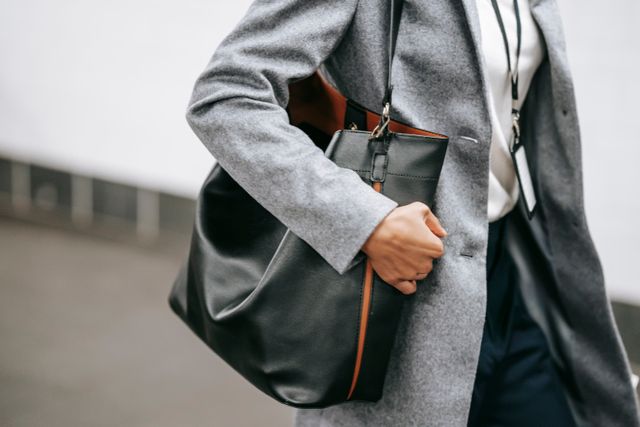
Casual work wear is clothing that feels comfortable enough for a full working day while still looking tidy, professional, and appropriate for your workplace. The best casual work outfits are not the clothes you would wear at home, and they are not a formal suit. They sit in between: smart enough to show you take your work seriously, relaxed enough to let you move, sit, and focus without fuss. This guide explains how to build casual work wear that works for offices, hybrid roles, and other workplaces with a relaxed dress code, without buying a whole new wardrobe.
What Casual Work Wear Really Means
Casual work wear means different things in different workplaces, so the first step is to understand what casual means where you work. In some offices, casual means smart trousers, a neat top, and clean shoes. In others, it can include smart jeans, trainers, and relaxed shirts, as long as the overall look is clean and presentable. The common thread is intention: clothes that are clean, well-fitting, and free from damage, logos that distract, or details that look like sleepwear or gym wear.
It also helps to think about who you will meet during the day. A day of desk work with colleagues you know well may allow a more relaxed outfit than a day with clients, senior managers, or visitors. Many people find it useful to keep one slightly smarter option ready, such as a blazer or a smart jacket, so they can raise the level of an outfit quickly if plans change.
Know Your Workplace Before You Choose
Before you buy anything new, take a careful look at what people in your workplace actually wear, especially people in roles similar to yours. Notice the balance between formal and relaxed clothes, the shoes people choose, and whether there are written rules about dress. Some workplaces have a written dress code, while others rely on custom and common sense. If you are unsure, it is better to dress slightly smarter for the first few weeks and relax gradually as you learn what is normal.
Safety and practicality also matter. If your job involves moving around, carrying things, standing for long periods, or working near machinery, kitchens, or laboratories, your clothes and shoes must be safe and practical first. In those settings, casual does not mean loose, trailing, or unsuitable clothing. Choose clothes that allow you to do your job safely, and follow any safety rules your employer sets.
Build A Simple Casual Work Capsule
A small, well-chosen capsule makes casual work wear much easier. Instead of many single-use outfits, aim for pieces that can be mixed and matched. A useful starting point is two or three pairs of trousers or skirts, four or five tops, one or two layers, and two pairs of shoes that suit your workplace. Neutral colours such as navy, black, grey, beige, and white make mixing easier, and one or two colours you enjoy can stop the wardrobe from feeling dull.
Fit matters more than labels. Trousers should sit comfortably at the waist, allow you to sit without pulling, and end at a length that works with your shoes. Tops should not be so tight that they restrict movement, or so loose that they look untidy. If a piece needs constant adjusting, it will distract you all day, however good it looks when you first put it on. Try outfits sitting down, walking, and reaching, not only standing in front of a mirror.
Choose Tops That Look Neat All Day
For casual work wear, the best tops are simple, well-made, and easy to keep neat. Shirts, blouses, smart knitwear, and plain or subtly patterned tops usually work well. Fabrics that resist creasing help, because a top that looks fresh at nine in the morning should still look tidy after lunch. Avoid tops with large slogans, sheer panels that need extra layers, or very casual details such as frayed hems, unless those details are normal in your workplace.
It is also worth thinking about layers. A top that works on its own may feel too casual without a layer, while a top that feels warm in the morning may be uncomfortable by midday. A cardigan, a light blazer, or a smart overshirt can complete a casual work outfit and give you a simple way to adjust for temperature, meetings, or a change of plan.
Trousers, Skirts And Dresses For Work
Smart trousers are the backbone of most casual work wardrobes. Straight, tapered, or wide-leg trousers in a sturdy fabric can look professional while feeling comfortable. Chinos and tailored trousers are often good choices, and dark, well-fitting jeans can work in workplaces where denim is accepted. Check the condition of jeans carefully: they should be clean, free from rips, and paired with smart shoes and a neat top so the whole outfit reads as workwear, not weekend wear.
Skirts and dresses can also work well for casual work wear, as long as the length and fit allow comfortable sitting, walking, and movement. A knee-length or midi skirt with a simple top, or a dress in a plain or small pattern, can be an easy one-piece outfit. Pockets are a practical bonus, and a dress that needs constant adjustment is best avoided. As with trousers, the overall impression matters more than any single item.
Shoes That Support A Full Working Day
Shoes are one of the most important parts of casual work wear, because they affect comfort, posture, and how polished an outfit looks. Clean, well-kept shoes make a simple outfit look intentional, while scuffed or very worn shoes can undo an otherwise smart look. Loafers, smart flats, low heels, brogues, and clean trainers can all work, depending on your workplace. The key is that they suit the setting and support a full day on your feet.
Comfort should come first. If you walk to work, travel between buildings, or stand for much of the day, choose shoes you have already worn in, with a sole that grips well and a fit that does not pinch. Keep a spare pair at work if your commute shoes are different from your office shoes. This small habit protects your work shoes and keeps you comfortable in all weathers.
Layers, Jackets And Outerwear
Layers turn simple casual work clothes into outfits that suit different rooms, seasons, and occasions. A blazer can make a plain top and trousers look meeting-ready. A smart cardigan can soften a shirt without looking too formal. A neat coat for the journey to work keeps the outfit underneath clean and dry. Choose layers in colours that work with most of your wardrobe, so you do not need a different jacket for every outfit.
Outerwear also deserves attention. A coat that is clean, fits well, and has space for your bag, keys, and phone will make mornings easier. Avoid coats that are too bulky for office corridors or too casual for your workplace, unless they are normal there. A simple, well-fitting coat often looks smarter than a very fashionable one that is hard to wear every day.
Colour, Pattern And Personal Style
Casual work wear does not have to be boring. Colour and pattern can show personality, as long as they do not distract from your work. A bright top with neutral trousers, a patterned shirt with plain layers, or a colourful scarf or accessory can add interest without making an outfit look loud. If you like colour, start with one strong piece and keep the rest simple, so the outfit feels balanced.
Patterns also need a little care. Small checks, stripes, and simple prints are usually easy to wear at work. Very large, bright, or busy patterns can be harder to pair and may draw attention in meetings. If you are unsure, choose a pattern in colours you already wear, and test it in a normal working day before wearing it for an important meeting.
Accessories, Grooming And The Finishing Touches
Small details often make the difference between casual and careless. Clean, tidy hair, neat nails, and simple accessories help an outfit look finished. A watch, a simple bag, and a belt that matches your shoes can pull an outfit together. Keep accessories practical: a bag that holds what you need, shoes you can walk in, and jewellery that does not catch, jangle, or distract during work.
Grooming is not about following one style. It is about looking clean and cared for in a way that suits you. Iron or steam clothes that crease easily, check for lint and loose threads, and keep shoes clean. These small habits take only a few minutes, but they make casual work wear look deliberate rather than accidental.
Casual Work Wear Through The Seasons
Seasonal changes can make casual work wear tricky, because the same outfit rarely works all year. In warm weather, lighter fabrics, short sleeves, and breathable shoes help, but clothes should still look neat and cover what your workplace expects. In cold weather, layers, tights or thermal layers under trousers, and a warm coat help without adding bulk. A light layer that can be removed indoors is useful in both seasons, because offices, shops, and meeting rooms are often warmer or cooler than outside.
It is worth having a small seasonal check. At the start of each season, try on your work clothes, check for wear, and note anything that needs replacing, repairing, or cleaning. This prevents the common problem of discovering on a busy morning that your best work trousers no longer fit, your shoes are worn out, or your only smart jacket is at the dry cleaner.
Common Casual Work Wear Mistakes To Avoid
One common mistake is confusing casual with careless. Clothes that are stained, torn, creased, or too revealing rarely look professional, even if the style itself is relaxed. Another mistake is copying a style that suits someone else’s workplace or body without checking whether it suits yours. A third mistake is buying many cheap, similar items instead of fewer pieces that fit well and last. Quality, fit, and care usually matter more than quantity.
Another mistake is ignoring the whole day. An outfit that looks good for a short meeting may feel uncomfortable after eight hours at a desk, on a shop floor, or travelling between sites. Test new outfits on ordinary working days first. If you spend the day pulling, adjusting, or wishing you had chosen something else, that outfit is not right for work, however fashionable it may be.
A Simple Weekly Plan For Casual Work Wear
A weekly plan can remove morning stress and help you use your wardrobe well. Try this simple approach:
- Plan outfits the evening before, starting with shoes and trousers, then adding a top and a layer.
- Keep one smarter outfit ready for unexpected meetings, clients, or visitors.
- Rotate shoes and layers so no single pair or jacket is worn every day.
- Check clothes for creases, stains, and loose buttons before you put them on.
- Keep a spare layer and a pair of comfortable shoes at work for long or changing days.
- At the end of the week, note which outfits felt comfortable and which did not, and adjust next week.
Conclusion
Casual work wear works best when it is comfortable, clean, and suited to your real working day. Start with your workplace rules and customs, build a small capsule of pieces that fit well and mix easily, and pay attention to shoes, layers, and finishing touches. For denim at work, see Are Jeans Business Casual?, and for warm-weather ideas, see Summer Fashion. For workplace guidance on dress codes, see the ACAS guide to dress codes. With a little planning, casual work wear can feel easy, look professional, and help you focus on your work rather than your clothes.
Leave a Reply