
Summer fashion is about choosing clothes that keep you cool, comfortable, and confident on warm days, without making getting dressed feel complicated. The best summer outfits are light, breathable, and easy to move in, and they suit the plans you actually have, whether that is a day at work, a walk by the sea, a family gathering, or a quiet evening at home. Summer fashion works best when it starts with fit and fabric, rather than with a long list of new items, because a simple outfit that fits well will always look better than a fashionable outfit that feels uncomfortable.
This guide explains how to build summer outfits that work in real life. It covers fabrics, colours, everyday pieces, footwear, sun protection, and care, so you can choose clothes with confidence and avoid buying items that stay at the back of the wardrobe. Summer fashion does not need to be expensive or complicated. A small number of well-chosen pieces, mixed in different ways, can carry you through the whole season.
What Summer Fashion Really Means
Summer fashion is often shown as bright colours and holiday clothes, but in everyday life it is mainly about practical choices. Warm weather changes what feels comfortable: heavy fabrics trap heat, tight clothes can feel restrictive, and dark, thick layers become tiring by the afternoon. A good summer outfit allows air to move, lets you walk comfortably, and still looks neat at the end of the day. That balance is more important than following every trend.
It also helps to think about your own summer, rather than an ideal summer. If you spend most days indoors, in an office, or travelling on public transport, you need clothes that work in air conditioning as well as outside. If you spend time outdoors, you need sun protection and shoes that can handle walking. If you care for children, walk a dog, or do active work, you need clothes that are easy to wash and move in. Summer fashion is personal because summer days are different for everyone.
Start With Fabrics That Breathe
Fabric is the most important part of summer fashion, and it is often more important than style. Cotton, linen, and light cotton blends are popular in warm weather because they feel soft, allow air to pass through, and are usually easy to wash. Linen can crease, but that relaxed look is part of its appeal, and it often feels cooler than heavier fabrics. Lightweight cotton shirts, dresses, and trousers are useful because they work for both casual and smarter occasions.
When you choose summer clothes, look at the weight of the fabric as well as the label. Hold the garment up and ask whether it feels light and flexible, or thick and stiff. A thin, loosely woven fabric will usually feel cooler than a dense one, even if both are called cotton. Avoid very heavy denim, thick synthetic linings, and clothes with several layers on hot days, unless you can remove a layer easily. If a garment has a lining, check that the lining is also light, because a heavy lining can undo the benefit of a light outer fabric.
Build A Simple Summer Wardrobe
A simple summer wardrobe does not need to be large. It needs enough pieces to mix and match, so you are not wearing the same outfit every day, but not so many that choosing becomes stressful. Start with the pieces you already own and like, then add only what is missing. A useful summer wardrobe often includes light tops, one or two bottoms that go with most tops, a dress or smart outfit if you like dresses, a light layer for cooler evenings, and comfortable shoes.
Neutral colours make mixing easier. White, navy, beige, light grey, and soft blue can be combined in many ways, and a brighter colour or pattern can then add interest without taking over the outfit. If you buy a new summer piece, ask whether it works with at least three things you already own. If it only works with one outfit, it may not be a good use of money or wardrobe space. Simple, well-fitting basics also make it easier to dress quickly on busy mornings.
Choose Colours And Patterns With Confidence
Summer is a good time to try colour, but you do not need to wear bright colours from head to toe to look summery. A bright top with neutral trousers, a patterned dress with plain shoes, or a colourful scarf or bag can be enough. Light colours often feel cooler and look fresh in strong daylight, while darker colours can still work if the fabric is light and the fit is relaxed. The key is balance: one strong colour or pattern, supported by simpler pieces, usually looks more polished than several competing patterns.
Patterns also need a little thought in summer. Small prints, stripes, and simple floral designs are easy to wear and do not date quickly. Large, bold prints can be striking, but they work best when the rest of the outfit is plain. If you are unsure about a pattern, try it at home with different shoes and accessories before wearing it out. Comfort matters here too: if you feel self-conscious in a pattern, you are less likely to enjoy wearing it, however fashionable it may be.
Dresses, Shorts And Trousers: What Works Where
There is no single right summer outfit, because different occasions call for different clothes. A relaxed dress in a light fabric is a good choice for warm days out, because it is one piece, easy to wear, and does not need much planning. Shorts are practical for holidays, walks, and casual days, but the length and fit matter: shorts that are too tight can feel uncomfortable in heat, while a slightly looser fit with a neat waistband looks smarter and feels better.
Light trousers are a useful alternative when shorts do not suit the occasion. Wide-leg or straight-leg trousers in cotton or linen can feel cooler than jeans, and they work well for work, smart lunches, and evenings out. Skirts offer a similar balance, especially in a light fabric that moves freely. The best choice is the one that fits your day: choose clothes that let you sit, walk, and move comfortably, rather than clothes that only look good when you are standing still.
Footwear That Keeps You Comfortable
Summer footwear should support walking, because warm days often involve more time on your feet than expected. Sandals with a secure fit, low-heeled shoes, loafers, and clean trainers are all useful, depending on the occasion. Open shoes can feel cooler, but they should still hold your foot firmly; shoes that slip or rub will quickly spoil a day out. If you plan to walk a long way, choose shoes you have already worn in, rather than brand-new shoes.
It is also worth thinking about the ground you will walk on. Flat sandals work well on pavements and beaches, while a slightly sturdier sole is better for parks, country paths, or uneven streets. A pair of smart sandals or loafers can take an outfit from day to evening without needing a change of shoes. Keeping a spare pair of comfortable shoes at work or in a bag can help on days when the weather changes or plans run longer than expected.
Sun Protection As Part Of Your Outfit
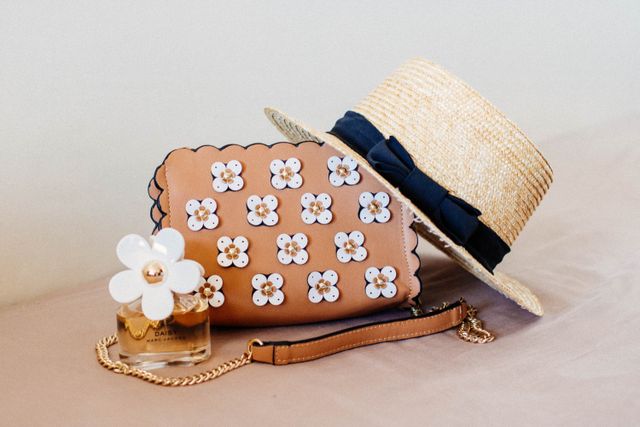
Summer fashion is not complete without sun protection, and it can be part of a good outfit rather than an afterthought. A wide-brimmed hat, sunglasses, and light layers with sleeves can help protect your skin on sunny days, and they can also add style to a simple outfit. A hat should fit comfortably and stay in place in a light breeze, while sunglasses should protect your eyes and feel comfortable for long wear. Choosing a hat that suits your face and your outfit makes you more likely to wear it regularly.
Light, loose clothing can also offer some protection, especially when it covers shoulders and arms on very sunny days. This does not replace sunscreen, but it is a useful extra layer of care. If you will be outside for a long time, a light shirt worn over a top, or a dress with sleeves, can be more comfortable than constant reapplying of sunscreen alone. Planning sun protection as part of your outfit, rather than as a separate chore, makes it easier to stay comfortable and safe in summer.
Summer Fashion For Work, Travel And Evenings
Summer fashion needs to adapt to different settings, and small changes can make the same wardrobe work in many places. For work, light trousers or a knee-length dress, a breathable shirt, and smart shoes can look professional without feeling hot. A light blazer or cardigan is useful for air-conditioned offices, and it can be removed outdoors. Avoid clothes that are too sheer, too short, or too casual for your workplace, and choose fabrics that do not crease badly during a long day.
For travel, comfort and practicality matter most. Clothes that do not crease easily, shoes that are easy to slip on and off, and a light layer for changing temperatures are all helpful. For evenings, the same daytime pieces can often be dressed up with smarter shoes, a simple piece of jewellery, or a light jacket. This approach saves space in a suitcase and money at home, because you are using clothes you already trust, rather than buying a separate outfit for every occasion.
Care For Summer Clothes So They Last
Summer clothes are often washed more frequently, so care matters. Washing in cooler water, avoiding over-drying, and following the care label can help light fabrics keep their shape and colour. Linen and cotton can often be dried naturally, which is gentler than high heat and can reduce creasing. If a garment is stained by sunscreen, sweat, or food, treating it promptly usually works better than leaving it for days.
Storage also helps summer fashion last longer. Keep light clothes clean before putting them away, and avoid packing them tightly in damp places. At the end of summer, check which pieces you actually wore and which you did not. This simple review makes next summer easier, because you can keep what works, repair what needs attention, and avoid buying duplicates. Good summer fashion is not about owning more clothes; it is about owning clothes you enjoy wearing.
A Simple Summer Fashion Checklist
Use this short checklist when you plan summer outfits, pack for a trip, or decide whether to buy something new. It keeps summer fashion simple and focused on comfort, fit, and real use.
- Choose light, breathable fabrics that feel comfortable in heat.
- Check the fit when sitting and walking, not only when standing.
- Make sure new pieces work with at least three items you already own.
- Include sun protection, such as a hat and sunglasses, in your outfit plan.
- Pick shoes you can walk in comfortably for a full day.
- Keep one light layer ready for cooler evenings and air-conditioned rooms.
- Wash and store summer clothes carefully so they last beyond one season.
Conclusion
Summer fashion works best when it is simple, comfortable, and suited to your real life. Start with light fabrics, choose a fit that lets you move, add colour or pattern in a balanced way, and include sun protection and comfortable shoes as part of the outfit. A small wardrobe of pieces that mix well will take you through work, travel, and evenings out with far less stress than a large wardrobe full of items that only work once. For evening ideas, see Fashion for Going Out, and for sun-season accessories, see Sunblock Hats for Women. For authoritative guidance on sun safety, see the NHS guide to sunburn. With a little planning, summer fashion can feel easy, look neat, and help you enjoy warm days in comfort.
Leave a Reply