

What should you wear for going out? Wear something made for the venue you are actually going to, in a fit you can sit, walk and dance in, with one piece that makes the outfit feel special. That simple rule answers most going-out dilemmas, whether the plan is dinner in Manchester, drinks in Soho, a birthday in Edinburgh or dancing in Liverpool.
You do not need a new wardrobe for every night out, and you do not need to be uncomfortable to look polished. The best going-out fashion is practical first: it fits well, suits the weather, survives a long evening, and still feels like you. This guide walks through outfit ideas for different occasions and seasons, shoes and accessories that actually work, and the small mistakes that can undo an otherwise good outfit.
Start With The Venue, Not The Wardrobe
Before you open your wardrobe, answer three questions. Where are you going? What will you be doing there? How are you getting home? A smart restaurant, a crowded club and a relaxed pub do not ask for the same clothes, and an outfit that is perfect for one can feel wrong in another.
If the evening involves several places, dress for the smartest venue on the plan. It is much easier to take a blazer off in a casual bar than to feel underdressed in a smart restaurant. If a dress code is given, follow it. “Smart casual” usually means polished but relaxed: no trainers you would wear to the gym, no ripped jeans, no beachwear. “Cocktail” usually means a dress, a jumpsuit or smart separates with dressier shoes and accessories, but not a full-length evening gown unless the invitation says so.
Think about movement, too. You will probably walk between venues, queue, sit for dinner, stand at a bar and possibly dance. Choose clothes that allow all of that without constant adjusting. If you have to keep pulling a top down or a skirt into place, the outfit is working against you, however good it looks in the mirror.
The Going-Out Formulas That Always Work
You do not need to reinvent going-out fashion. A few reliable formulas cover almost every evening, and you can change them with colour, fabric and accessories rather than starting from scratch each time.
Dinner And Drinks Outfits
For dinner, comfort matters as much as style because you will be sitting for a long time. A midi dress is a dependable choice: it looks polished without feeling formal, and it works with heels, block heels or smart flats. A satin or crepe midi dress with simple jewellery is an easy dinner outfit that does not try too hard.
Separates work just as well. Try tailored trousers with a silk or satin blouse, or a silky midi skirt with a fitted top and a blazer. Dark colours tend to look smart in low restaurant lighting, but a bright top or a bold lip colour can lift an otherwise simple outfit. Keep the bag small. A clutch or a small crossbody bag is easier at a table than a large tote.
Cocktail Bar Outfits
A cocktail bar is the place to add a little shine. This is where a sequin top, a satin slip dress or a well-cut jumpsuit earns its place. If full sequins feel like too much, wear one sparkling piece — a sequin skirt or top — with something plain, such as black tailored trousers or a simple camisole. The balance keeps the outfit glamorous rather than costume-like.
A jumpsuit is a useful alternative to a dress. A wide-leg jumpsuit in a dark colour looks elegant, is comfortable to sit in, and needs little styling beyond good shoes and one piece of statement jewellery. Add a fitted blazer if the bar is smart or the evening is cool, and remove it once you are inside.

Dancing And Club Night Outfits
For dancing, freedom of movement is the priority. Choose fabrics with a little stretch, a length you can move in, and shoes you can genuinely dance in. A mini dress, a co-ord set or a jumpsuit all work, provided you are not constantly worrying about the fit. Structured fabrics usually hold their shape better on a dance floor than very thin jersey, which can cling once you warm up.
This is also the night to be practical about your bag and coat. A small crossbody bag keeps your hands free, and a light jacket you can leave in a cloakroom is better than a heavy coat you have to carry all night. If you know you will be walking between venues, break in new shoes before the night, not during it.
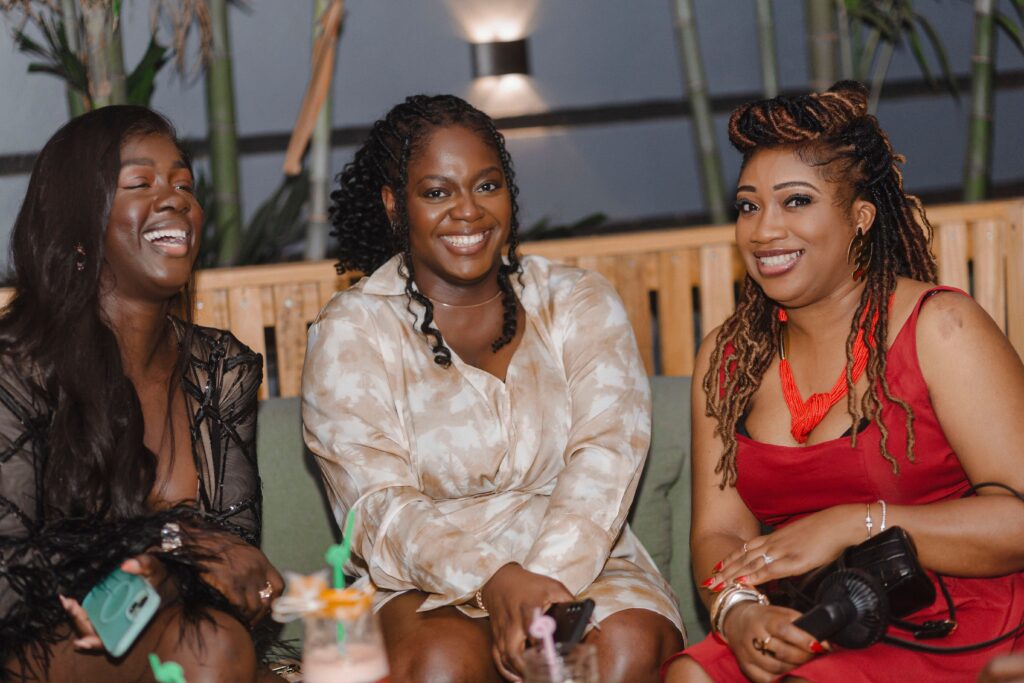
Pub And Casual Night Outfits
A pub night does not need a dress at all. The classic formula — dark jeans and a nice top — works because it is familiar, comfortable and easy to dress up. The details make the difference: choose dark, clean jeans without rips, a top in satin, lace trim or an interesting neckline, and smarter shoes than everyday trainers.
A blazer instantly makes jeans and a top feel more evening-ready. So do good earrings, a small bag and a polished shoe. This is the same principle behind many smart-casual looks: keep the base simple and let one or two polished pieces do the work. For more ideas on relaxed but polished dressing, see FM Magazine’s guide to what to wear to a spa day — the comfort-first thinking there applies just as well to a long evening out.
Dresses, Separates And Jumpsuits: How To Choose
Dresses are the quickest route to a finished outfit because there is nothing to match. A wrap dress is especially versatile: the tie waist suits many shapes, it works for dinner, bars and parties, and it pairs well with heels or flats. A bodycon midi dress looks sleek for cocktail bars and dinners, but choose a fabric with enough structure that you can sit comfortably for hours.
Separates give you more outfits from fewer pieces. A good pair of tailored trousers, a satin blouse, a blazer and a silky skirt can be mixed in many combinations across several nights out. If you buy one new piece, make it something you can wear at least three ways — for example, a blazer that works with a dress, jeans and tailored trousers.
Jumpsuits sit between dresses and separates. They look intentional, they avoid the question of what top goes with what bottom, and a wide-leg style is comfortable for long evenings. Check the practical details before you buy: can you sit comfortably, can you manage a bathroom visit easily, and does the fabric crease badly after an hour in a chair? Those small tests matter more than how a jumpsuit looks standing still in a shop.
Fashion For Going Out In Every UK Season
British weather is part of the outfit, not an afterthought. Planning for it is what separates a good night out from a cold, wet walk home.
Winter Going-Out Outfits
In winter, warmth and style have to work together. A tailored coat in a dark colour — wool, or a smart long coat — looks sharp over a dress or tailoring and is worth treating as part of the outfit. Underneath, a satin slip dress layers well over a fine-knit top, and velvet or heavier crepe fabrics feel right for cold-weather evenings.
Tights can change an outfit completely. Opaque black tights make a shorter dress or skirt winter-appropriate and allow you to wear shoes that would otherwise feel too bare. A blazer under a coat adds another layer without bulk, and a small scarf can be tucked into a bag once you are indoors.
Summer Going-Out Outfits
Summer evenings allow lighter fabrics and simpler outfits. Linen-blend trousers, a satin camisole, a light midi dress or a jumpsuit in a breathable fabric all work well. In warm weather, a dress that moves with you and shoes you can walk in matter more than heavy accessories.
Even in summer, bring a light layer. A cropped jacket, a blazer or a light shawl covers the walk home and the air conditioning indoors. Choose a layer in a colour that goes with the outfit, so it looks deliberate rather than borrowed at the last minute.
Rain, Wind And In-Between Weather
If rain is likely, choose shoes and a coat that can handle it. Suede shoes and a light, unprotected jacket are a risky combination on a wet night. A smart waterproof coat, or a dark wool coat if the rain is light, will protect the outfit underneath. A small umbrella that fits in your bag is useful, but check whether your venue has somewhere to leave it.
Wind is another factor, especially for dresses and skirts. A midi length is usually more practical than a very short or very full skirt on a windy evening, and a fitted jacket stops a light top from billowing. These are small, unglamorous decisions, and they are exactly what make an evening comfortable.
Shoes, Bags And Accessories That Actually Work
Shoes can make or break a night out. Heels are not compulsory, and they are not automatically smarter than flats. A block heel gives height with more stability than a stiletto, a pointed flat looks polished with tailored trousers or a midi dress, and a clean, smart trainer can work for a casual bar if the rest of the outfit is polished. The rule is simple: wear shoes you have already walked in, that match the formality of the venue, and that you can still enjoy at the end of the night.
Bags should be small and secure. A clutch, a small shoulder bag or a crossbody bag keeps essentials close without getting in the way at a table or on a dance floor. Keep it to phone, card, keys, lip colour and any medication you need. A large bag tends to end up on the floor, under a table or in a cloakroom queue.
Accessories are where a simple outfit becomes a going-out outfit. One statement piece — bold earrings, a cuff bracelet, a striking necklace or a good belt — is usually enough. If you wear statement earrings, keep the necklace simple. If the dress already has sequins or a bold print, keep jewellery minimal. For a finishing touch with history and meaning, FM Magazine’s guide to the Claddagh ring shows how a single piece of jewellery can carry a whole outfit’s story. Hair and styling choices matter here, too: FM Magazine’s guide to styling a long white wig is a useful reminder that a hairstyle change alone can transform how an outfit reads, even without new clothes.
Colour, Fabric And Fit: The Details That Matter
Colour is personal, but a few guidelines help. Dark colours — black, navy, deep green, burgundy — tend to look smart in evening light and are easy to accessorise. If you want colour, wear it in one piece: a red dress, a bright top or a bold jacket, with the rest of the outfit neutral. All-over bright prints and all-over sequins can both work, but they need confidence and simple accessories to balance them.
Fabric matters more than many people realise. Satin and silk catch evening light beautifully. Velvet feels rich in winter. Crepe and heavier jersey hold their shape and are comfortable for sitting. Very thin, clingy fabrics can be uncomfortable in a warm, crowded room, and they show every crease. When you try something on, sit down in it, walk in it and raise your arms. If it only looks good standing still, it is not a good going-out piece.
Fit is the most important detail of all. Clothes should skim, not squeeze or swamp. A well-fitting simple dress will always look better than an expensive dress in the wrong size. Pay attention to shoulder seams, waist placement and trouser length, and get small alterations done if a favourite piece is almost right. Good fit is also about comfort: if you can breathe, sit and move easily, you will look more confident, and confidence is what people actually notice.
Going-Out Fashion For Men
The same venue-first rule applies. For dinner or a cocktail bar, dark tailored trousers or chinos with a smart shirt and a blazer is a reliable formula. A roll-neck under a blazer works well in winter, and a crisp open-collar shirt works in summer. For a smarter occasion, a full suit in navy, charcoal or deep green, worn without a tie and with modern shoes, feels relaxed rather than office-like.
For a pub or casual night, dark jeans with a smart shirt or knitwear and clean shoes is enough, provided the jeans are dark, clean and free of rips. Avoid gym trainers, faded T-shirts and anything you would wear at home. As with women’s outfits, the coat is part of the look: a dark wool overcoat over tailoring, or a leather or waxed jacket over casual pieces, finishes the outfit properly.
Common Mistakes To Avoid
The most common going-out mistake is dressing for a photograph rather than an evening. An outfit that looks striking for five minutes but is painful after an hour is not a success. The second mistake is wearing everything new at once: new shoes, a new dress and new jewellery together leave no room for comfort or familiarity. Wear at least one piece you already know works.
Another mistake is over-accessorising. Too many statement pieces compete with each other and with the outfit. Choose one focal point and let the rest stay simple.
Finally, do not ignore the journey home. If you will be walking, waiting for a taxi or catching a late train, a coat, comfortable shoes and a secure bag are not boring details — they are what let you enjoy the whole night, not just the first hour.
Build A Small Going-Out Capsule
You do not need a large wardrobe to dress well for going out. A small capsule — a black midi dress, tailored trousers, a satin top, a blazer, a jumpsuit, dark jeans, a smart coat, block heels and smart flats, a small bag and one or two pieces of statement jewellery — can cover dinner, drinks, parties and pub nights with different combinations.
When you add to the capsule, buy for the evenings you actually have, not the evenings you imagine. If most of your nights out are pub dinners with friends, a collection of cocktail gowns will stay in the wardrobe. If you go to formal events often, invest in the dress or suit that makes those nights easy. A capsule built around real life is cheaper, simpler and more useful than a wardrobe built around occasions that rarely happen.
Conclusion: Keep It Simple, Comfortable And Yours
Fashion for going out does not need to be complicated, expensive or uncomfortable. Start with the venue, choose a fit you can live in all evening, add one piece that makes the outfit feel special, and plan for the weather and the walk home. Dresses, separates and jumpsuits all work — what matters is that the outfit suits the occasion, fits well and feels like you.
The best-dressed person in the room is rarely the person wearing the most daring outfit. It is usually the person who looks comfortable, who is not adjusting their clothes, and who clearly chose their outfit for the evening they are actually having. Build that kind of wardrobe, one reliable piece at a time, and going out gets easier — and more enjoyable — every time.
Frequently Asked Questions
What Should I Wear For Going Out If I Do Not Know The Dress Code?
Choose a smart-casual outfit that can be dressed up or down: a midi dress or tailored trousers with a smart top, a blazer, and polished shoes. This works for most restaurants, bars and pubs, and you can remove the blazer or add statement jewellery to adjust the formality once you arrive.
Are Jeans Acceptable For A Night Out?
Yes, for casual and smart-casual venues, provided they are dark, clean, well-fitting and free of rips. Pair them with a satin or smart top, a blazer and polished shoes. Very casual, ripped or faded jeans are better kept for daytime, and jeans are not the right choice for a formal or cocktail dress code.
What Shoes Are Best For Dancing All Night?
Block heels, well-fitting flats or smart, supportive shoes you have already broken in are the safest choices. Avoid brand-new shoes, very high stilettos if you are not used to them, and any shoe that pinches after a short walk. Comfort is not a compromise here — it is what lets you stay on the dance floor.
How Can I Make One Outfit Work For Dinner And Dancing?
Start with a versatile base, such as a midi dress or a jumpsuit, and change the accessories rather than the outfit. Wear a blazer and smaller jewellery for dinner, then remove the blazer, add bolder earrings and switch to dance-friendly shoes for later in the evening. A small crossbody bag also makes the change easier than a large bag.
Featured image: A woman in an elegant dress leans on a bar counter holding a cocktail, by cottonbro studio via Pexels
Leave a Reply