
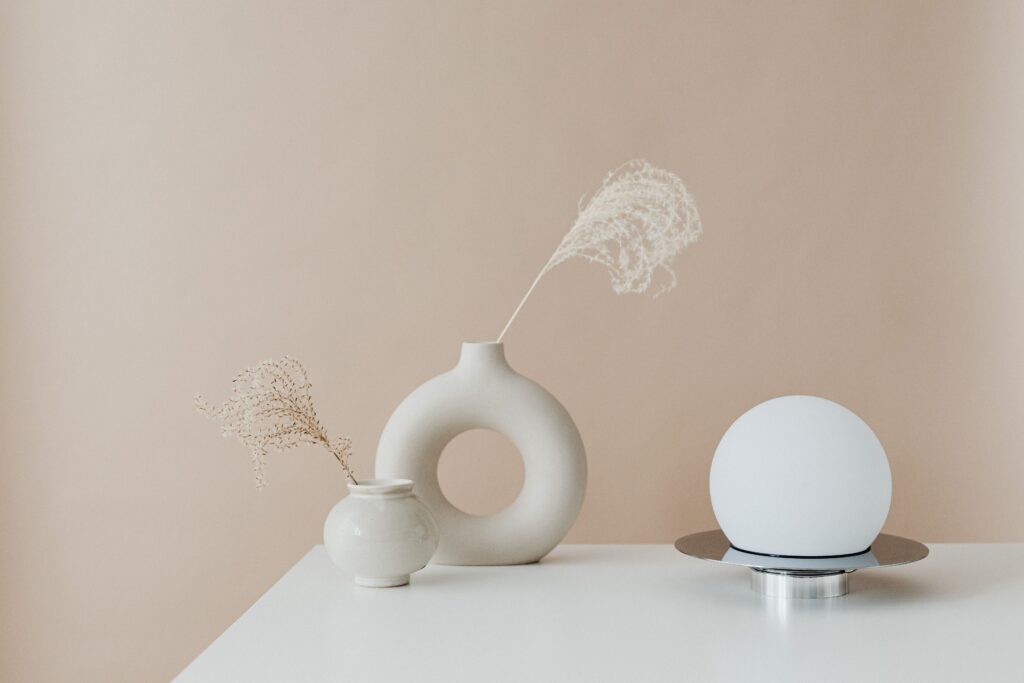
A ceramic vase is one of the simplest ways to change how a room feels. It adds shape, colour and a sense of finish without taking up much space, and it works just as well empty as it does filled with flowers. The right one can soften a shelf, anchor a table or make a hallway feel welcoming the moment someone walks in.
This guide explains how to choose a ceramic vase that suits your home, not just a shop display. It covers styles, sizing, styling and care, so you can buy with confidence and enjoy the piece for years rather than hiding it in a cupboard after a few weeks.
What Makes A Ceramic Vase Different
Ceramic is clay that has been shaped and fired at a high temperature, then often glazed to give it colour and a smooth or matte finish. That firing process is what makes it strong enough for everyday use, while still allowing makers to create soft curves, sharp angles and handmade textures. No two handmade pieces are exactly alike, which is part of their appeal.
Compared with glass, ceramic is less see-through and more forgiving. It hides stems and water, and it suits rooms where you want warmth rather than sparkle. Compared with metal, it usually feels softer and more natural, and it works well with wood, linen, plants and other natural materials. It is also heavy enough to stay steady on a shelf, which matters if you have children or pets.
Ceramic Vase Styles Worth Knowing
Classic shapes are the easiest place to start. A rounded or amphora shape suits a traditional home and looks good with fuller flower arrangements. A tall, narrow cylinder suits modern rooms and a few long stems. A squat, wide vase works well on a low coffee table, where a tall piece might block conversation.
Glazed vases have a shiny or satin surface and are usually easier to wipe clean. Unglazed or matte vases feel more rustic and handmade, but they can mark more easily and need gentler cleaning. Speckled glazes, where small dots appear across the surface, hide dust and small marks well, which makes them a practical choice for busy homes.
Colour matters as much as shape. A plain white, cream or grey vase is the most flexible, because it lets flowers or other decor take centre stage. A bold colour, such as deep green, terracotta or navy, works best as a single statement piece in an otherwise calm room. If you already have a lot of pattern in a room, a plain vase will usually sit more comfortably than a busy one.
How To Get The Sizing Right
Sizing is where most people go wrong. A vase that is too small for its stems looks lost, while a vase that is too tall for its table can dominate the room. As a simple guide, the vase should be about one-third to one-half of the total height of the arrangement once flowers are added. That balance keeps the display looking natural rather than top-heavy.
Think about the surface too. On a dining table, a vase should be low enough that people can still see each other across it, or it should be moved to a sideboard during meals. On a mantelpiece or shelf, leave breathing room around the vase so it does not look crowded. In a hallway, a taller, slimmer vase suits a narrow console, while a wide vase needs a surface with room to spare.
Choosing A Ceramic Vase For Each Room
In the living room, a ceramic vase can tie a scheme together. Try a medium vase on a coffee table or a larger one on the floor beside a sofa, if the room allows it. Pair it with one or two other objects of different heights, such as a candle or a small stack of books, so the display feels grouped rather than random.
In the bedroom, softer shapes and colours usually work best. A small vase on a bedside table with a single stem can feel calm and personal, while a larger vase on a chest of drawers can add colour without clutter. In the bathroom, choose a sturdy, well-glazed vase, because steam and splashes are more common, and keep it away from the edge of a sink where it could be knocked.
Styling A Ceramic Vase Without Flowers
A good ceramic vase does not need flowers to earn its place. On its own, it can act as a small sculpture, especially if it has an interesting shape or glaze. Grouping two or three vases of different heights together often looks better than a single small vase alone, as long as the colours work together.
Dried stems, grasses or a single branch can add height and movement without the upkeep of fresh flowers. Keep the arrangement simple and let the vase remain the star. If you prefer an empty look, place the vase where light falls on it, so its shape and glaze can be seen clearly.
Styling A Ceramic Vase With Flowers
When you do add flowers, start with the vase, not the bouquet. Short, full flowers suit wider openings, while long stems need a narrow neck to hold them upright. Trim stems at an angle and remove any leaves that would sit below the waterline, as those can make the water cloudy more quickly.
For a relaxed, natural look, use an odd number of stems and let them fall at slightly different heights. For a neater, more formal display, keep stems closer in length and fill the opening evenly. Change the water every few days and give stems a fresh trim when you do, which helps flowers last longer and keeps the vase cleaner.
How To Care For A Ceramic Vase
Most glazed ceramic vases are easy to care for. Wash them with warm water and a little washing-up liquid, then dry them well before putting them away. Avoid harsh scouring pads on glazed surfaces, as they can dull the finish over time. If a vase has a narrow neck, a bottle brush or a soak in warm soapy water will reach the inside more easily.
Unglazed or handmade vases may need more care. Some are not fully waterproof, so check before filling one with water for the first time. If you are unsure, use a glass insert or a waterproof liner inside the vase, or keep it for dried stems only. Always lift a heavy vase with both hands and set it down gently, because ceramic can chip if it is knocked against a hard surface. For more ideas on styling your home, see our guide to how to accessorize a kitchen and our cushion covers guide, or browse more ideas in the House section on FM Magazine.
Common Ceramic Vase Mistakes To Avoid
One common mistake is choosing a vase for the flowers you bought once, rather than for your home. A vase that only works with one bouquet will spend most of its life empty. Another is placing a vase where it is easily knocked, such as the edge of a busy hallway table. A third is overfilling a display, so the vase disappears behind too many stems or ornaments. Museums such as the Victoria and Albert Museum show how ceramics have been made and decorated over centuries, which is a useful reminder that the simplest shapes often last the longest in a home.
A Simple Ceramic Vase Checklist
- Measure the surface and the height of the space before you buy.
- Choose a shape that suits the stems you use most often.
- Pick a colour that works with your room, not just with one bouquet.
- Check that the vase is steady and waterproof if you plan to use fresh flowers.
- Place it where it can be seen, but not where it will be knocked.
Conclusion
A ceramic vase is a small purchase that can make a real difference to a room. Choose a shape and size that fit your space, a colour that works with what you already own, and a finish you can care for easily. Then let it do its job quietly, whether it holds a full bouquet, a single stem or nothing at all.
Frequently Asked Questions About Ceramic Vases
Can You Put Fresh Flowers In Any Ceramic Vase?
Most glazed ceramic vases are fine for fresh flowers, but unglazed or handmade pieces may not be fully waterproof. If you are unsure, use a liner or keep the vase for dried stems.
How Do You Clean A Ceramic Vase?
Wash it in warm, soapy water and dry it well. For narrow necks, soak it first and use a bottle brush. Avoid harsh scouring pads on glazed finishes.
Should A Ceramic Vase Match The Room Or Stand Out?
Either can work. A matching vase blends in calmly, while a bold vase becomes a feature. In a busy room, a plain vase usually works better, while in a calm room, a stronger colour can add interest.
What Size Ceramic Vase Is Best For A Dining Table?
Choose a low or medium vase that does not block sightlines across the table. If you love a tall arrangement, move it to a sideboard during meals.
Leave a Reply