
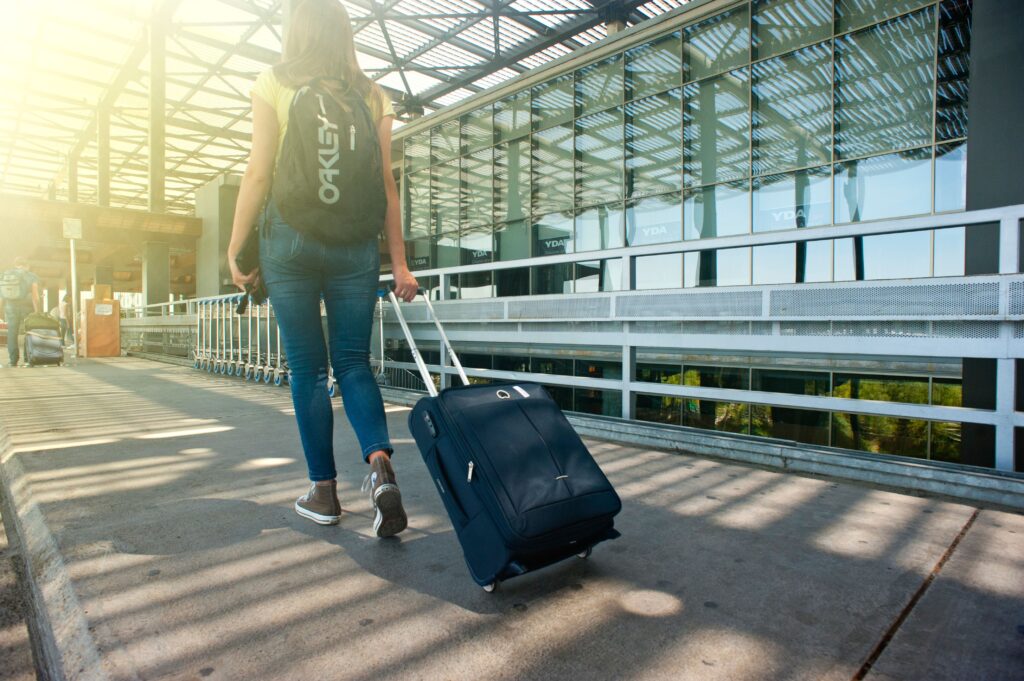
A city break is the best kind of short trip — two to four days, one small bag, and a whole city to explore. It is also the easiest trip to overpack for. Without a plan, you end up dragging a heavy case full of clothes you never wear, or standing in a hotel room with nothing that quite works for the day ahead. The trick is not to pack more. It is to pack a small set of pieces that work together, so every item earns its place and every outfit feels considered.
What Makes A City Break Different From A Longer Holiday
A city break has a different rhythm from a beach holiday or a two-week trip. You will spend most of your time on your feet, moving between neighbourhoods, museums, markets and restaurants. There is no resort wardrobe and no need for five variations of the same evening dress. What you need is versatility: clothes that work for a morning of sightseeing, an afternoon in a gallery and dinner in the evening, with only small changes.
The other difference is the bag. Most city breaks are short enough for hand luggage only, which means everything you wear has to fit in one cabin bag. That constraint is actually helpful. It forces you to choose pieces that mix and match, and it means you travel lighter and faster through airports and stations. A good rule is to plan for three or four days, with each top working with at least two bottoms, and one layer that can turn a daytime outfit into an evening one.
Start With The Weather, Not The Wardrobe
The single biggest mistake in city break packing is choosing outfits before checking the forecast. A linen shirt is perfect for Lisbon in June and useless for Edinburgh in November. Before you pack anything, check the forecast for your destination on the day you travel and the days after — the Met Office is the most reliable source for UK destinations, and it covers European cities too. Look at the daytime high, the nighttime low and the chance of rain, not just the headline temperature.
Then pack for the weather you will actually meet. For a changeable forecast, layers matter more than individual pieces: a breathable base, a warm mid-layer and a weatherproof outer layer will handle far more conditions than a single heavy coat. A versatile, well-cut jacket is the hardest-working piece in a travel wardrobe — a classic jacket that layers well across seasons shows how one good layer can carry several different outfits. For a warm city, choose light, breathable fabrics and a hat, and remember that air-conditioned museums and evening temperatures can still feel cool. For a cold city, prioritise warmth and comfort over style — a well-chosen coat and good shoes will do more for how you look than any number of extra tops.
The Capsule Formula That Works For Two To Four Days
A capsule approach means packing a small number of items that all work together, rather than a separate outfit for every occasion. For a three-night city break, a reliable formula is three tops, two bottoms, one dress or smart alternative, one layer, and one pair of shoes for walking plus one smarter pair. That gives you more than enough combinations for the trip without filling the bag.
Choose a simple colour palette so everything matches. Two neutrals — for example, black, navy or stone — plus one accent colour keeps things coordinated without looking dull. Plain tops are more versatile than patterned ones because they pair with anything, but one patterned piece can add interest if it shares a colour with the rest of the palette. The same logic applies to accessories: one scarf can change the look of an outfit, keep you warm on a cold evening and double as a light blanket on the plane. Pack items you have worn before and know are comfortable. A city break is the wrong time to test new shoes or an outfit you have never sat in for a whole day.
Outfit Ideas For Each Kind Of Day
Think in terms of a base outfit that you adapt with small changes, rather than a separate look for every activity.
A Day Of Walking And Sightseeing
Comfort comes first, because you will be on your feet for hours. Start with well-fitting trousers or jeans, a breathable top and your most comfortable walking shoes. Add a light jacket or overshirt that you can tie around your waist if the sun comes out. A cross-body bag is the practical choice: it keeps your hands free, stays secure against your body and holds the essentials without weighing you down. Keep jewellery simple and avoid anything you would worry about in a crowd.
Dinner And An Evening Out
You do not need a separate evening wardrobe. The same trousers or skirt from your daytime outfit can work for dinner with two changes: a smarter top and different shoes. Swap the daytime top for a silk shirt, a smart blouse or a well-cut knit, add a piece of jewellery, and change into loafers or low heels. If you packed a dress, this is its moment — choose one that works with a jacket so you can wear it from late afternoon onwards. A small bag or clutch keeps the evening look polished.
A Rainy Day In The City
Rain is part of city breaks in the UK and northern Europe for much of the year, so plan for it rather than hoping it away. A waterproof jacket with a hood is more practical than an umbrella, which is awkward in crowded streets and often gets left behind. Choose shoes that can handle wet pavements — water-resistant trainers or ankle boots with a good grip. Darker colours hide splashes, and quick-drying fabrics are a blessing if you get caught in a shower. Keep a spare pair of socks in your day bag; dry feet make a surprising difference to how a rainy afternoon feels.
A Cold Snap Or A Heatwave
Extreme weather needs a deliberate plan. In a cold snap, layering is everything: thermal base layers under your clothes add warmth without bulk, and a scarf, gloves and hat will keep you comfortable for hours outdoors. In a heatwave, choose loose, breathable fabrics in light colours, wear a hat and sunglasses, and carry water. Avoid heavy denim in hot weather — it is slow to dry and uncomfortable when you are walking all day. Whatever the forecast, check it again the morning you leave and adjust your packing at the last minute. Swapping one top or adding a layer takes a minute at home and saves a miserable day abroad.
Shoes: The Decision That Makes Or Breaks The Trip
If there is one thing to get right on a city break, it is your shoes. You will walk further than you expect — often far more than a normal day at home — and sore feet can ruin a trip faster than bad weather. Pack one pair of comfortable walking shoes that you have already broken in, and one smarter pair for evenings. That is enough. Resist the temptation to bring a third pair “just in case”; it takes up space and weight you will not miss.
Choose walking shoes with good cushioning and grip, and wear them with proper socks rather than thin ones that slip. On cobbled streets, such as those in Edinburgh, Bath or many old European towns, avoid thin heels entirely. Wear your bulkiest shoes on the journey and pack the lighter pair. And never pack brand-new shoes for a city break — break them in at home first, or leave them behind.
Packing It All Into Hand Luggage
Packing for a city break is a skill, and hand luggage makes it easier rather than harder, because the space limit forces good decisions. Roll soft clothes rather than folding them — it saves space and reduces creasing. Use packing cubes or even simple zip bags to group items by outfit, so you are not unpacking everything to find one top. Put heavier items at the bottom of the case near the wheels, and keep your travel documents, phone charger and a change of clothes in your personal item in case your bag is delayed.
Shoes go in bags at the bottom, with socks stuffed inside them to save space. Toiletries should be in a clear bag that meets the liquid rules for your airline — check the current limits before you travel, because they change and they vary by airport. Remember that you can buy most toiletries at your destination, so only pack what you genuinely need for the journey. A good test before you zip the bag: lay out everything you plan to take, remove one item in three, and see if you still have enough. Most of the time, you will.
What To Leave At Home
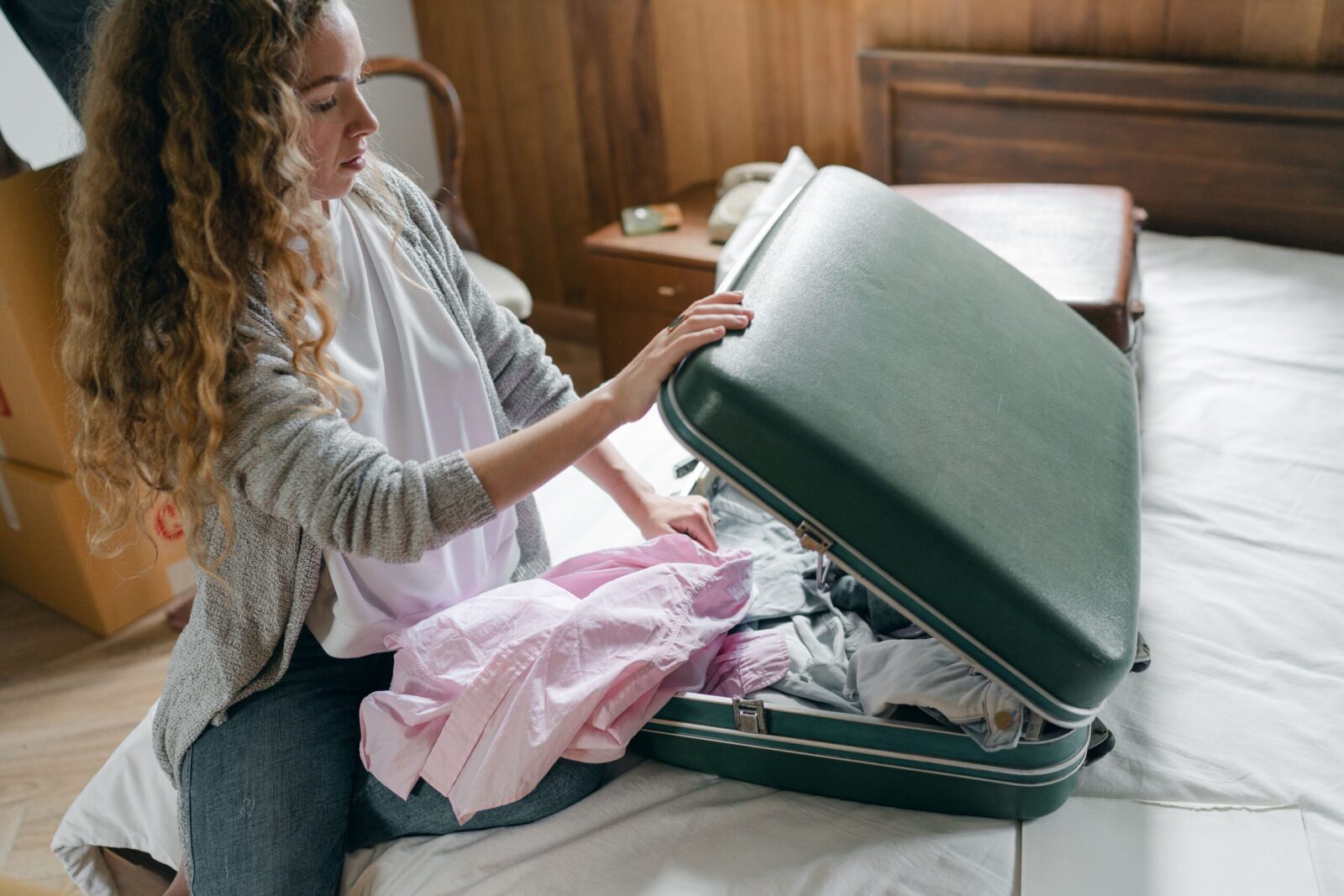
Knowing what not to pack is as useful as knowing what to pack. Leave behind anything you would be upset to lose or damage, including expensive jewellery and anything irreplaceable. Leave the extra shoes, the “just in case” outfit for an occasion that probably will not happen, and the book you will not read. It is also worth knowing how to look after the clothes you do bring — knowing how to treat stains without damaging fabric is useful when a favourite top meets tree sap, food or a muddy path on a trip. Leave heavy coats when a lighter layered option will do, and leave full-size toiletries when travel sizes exist. If you are staying in a hotel or apartment, check what is provided — hairdryers, towels and basic toiletries are standard in most places, and packing duplicates is wasted space. The goal is a bag you can lift easily, carry up stairs and wheel through a crowded station without thinking about it. If you cannot do that, you have packed too much.
A Simple Checklist Before You Zip The Bag
A short final check saves more trouble than any packing hack. Run through this list before you close the case, and you will catch the things people most often forget.
- Passport or ID, tickets and booking confirmations, and your phone charger.
- One outfit per day, plus one spare top, in a colour palette that mixes and matches.
- Comfortable walking shoes you have already broken in, and one smarter pair for evenings.
- A waterproof layer if there is any chance of rain, whatever the forecast says.
- Medication, glasses or contact lenses, and anything you cannot easily replace abroad.
- A small day bag or cross-body bag for sightseeing.
- Toiletries in a clear bag that meets your airline’s liquid rules.
Once the bag is packed, try carrying it for a minute. If it feels heavy now, it will feel twice as heavy at the end of a long travel day. Take something out. The best city break packing leaves a little space in the bag, too — for the scarf you find in a market, the book you buy in a local shop, or simply for the ease of packing up again to come home.
A city break is short, so the clothes you pack should work hard and weigh little. Start with the weather, choose a small set of pieces that all go together, and invest your effort in the shoes. The same planning-first approach works for any short trip — planning a trip around practical tips and local knowledge makes the whole break smoother, from what to pack to what to see first. Pack light, leave room for the unexpected, and you will spend the trip enjoying the city instead of managing your luggage. The city will still be there tomorrow — and so will your feet, if you chose the right shoes.
Frequently Asked Questions
How Many Outfits Do I Need For A Three-Day City Break?
Three daytime outfits plus one evening change is plenty for a three-night trip. Choose pieces that mix and match, so three tops and two bottoms give you six combinations, and pack one spare top rather than a whole extra outfit.
Can I Do A City Break With Hand Luggage Only?
Yes, for two to four days hand luggage is usually enough if you pack a capsule wardrobe, roll soft clothes, and wear your bulkiest shoes on the journey. Check your airline’s size and weight limits before you travel, as they vary.
What Shoes Are Best For A City Break?
Comfortable walking shoes you have already broken in, with good cushioning and grip. Avoid thin heels on cobbled streets, and bring one smarter pair — loafers or block heels — for evenings.
What Should I Wear If It Rains On A City Break?
A waterproof jacket with a hood, water-resistant shoes with grip, and darker, quick-drying clothes. Keep a spare pair of socks in your day bag, and remember that rain often means quieter attractions.
How Do I Stop My Clothes Creasing In Hand Luggage?
Roll soft items instead of folding them, use packing cubes, and choose fabrics that resist creasing, such as jersey, knitwear and modern travel fabrics. Hang clothes up as soon as you arrive.
Leave a Reply