
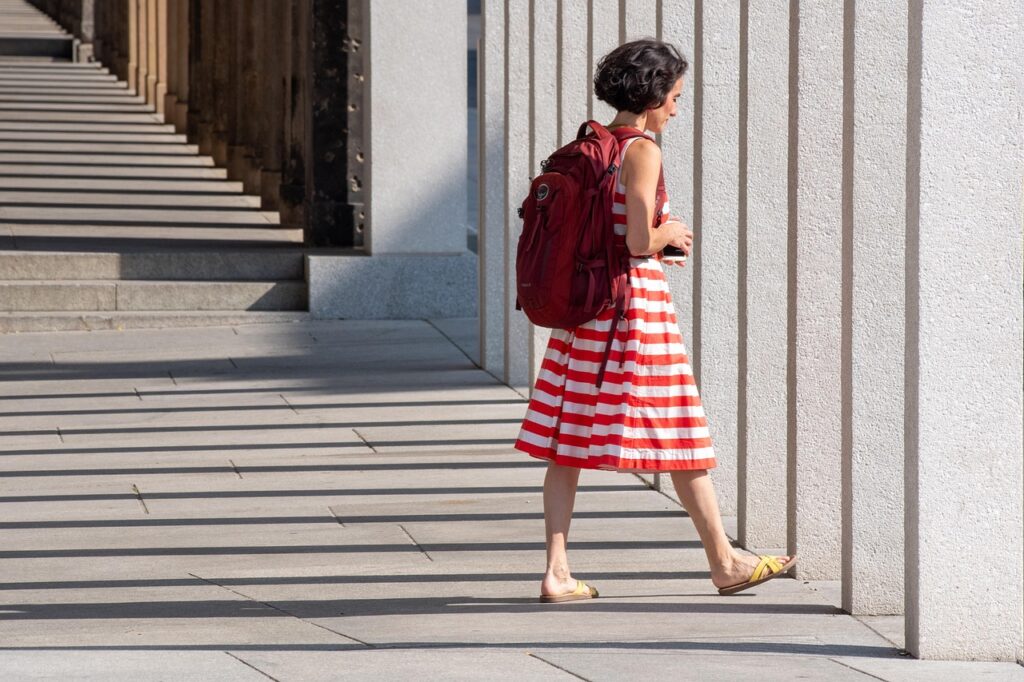
A good casual dress does something few other wardrobe pieces can manage: it makes getting dressed feel effortless. There is no matching a top to a bottom and no need to overthink the outfit. You put on one piece, add shoes and a bag, and you are ready. That simplicity is why casual dresses for women remain a wardrobe staple year after year, suiting school runs, office days, weekends, holidays, and evenings out alike.
Yet not every dress that looks casual actually works in everyday life. Some are too short to sit in comfortably, some wrinkle the moment you move, and some only look right with heels you would never wear on a normal day. The difference between a dress you reach for constantly and one that stays at the back of the wardrobe usually comes down to fit, fabric, and styling.
What Makes A Dress Casual?
A casual dress is defined less by a single shape and more by how it feels to wear. The fabric is usually soft, breathable, and forgiving rather than stiff or structured. Cotton, jersey, linen, viscose, and soft knits are the usual choices, because they move with the body and do not demand constant adjusting. The cut is relaxed rather than body-conscious, the length is practical for sitting, walking, and bending, and the overall effect is comfortable rather than formal.
That does not mean casual dresses are shapeless or dull. A well-cut casual dress still has a clear silhouette, whether that comes from a defined waist, a flattering neckline, or a skirt that falls in a pleasing line. The point is that the dress works without effort. If you have to keep pulling it down or smoothing it out, it is not really a casual dress.
It also helps to think about where the dress will be worn. A dress for a relaxed office day needs a little more structure than one for a beach holiday, while a dress for running errands needs a comfortable fit that lets you move freely.
The Main Types Of Casual Dresses For Women
There are more types of casual dress than most people realise, and knowing the differences makes shopping far easier.
T-Shirt Dresses
The t-shirt dress is the most relaxed style of all. Cut like an oversized t-shirt with a straight or slightly flared skirt, it is usually made from cotton jersey and falls to the knee or just above it. It suits warm days and travel. Add a little structure elsewhere, such as a belt at the waist or a denim jacket, to keep the look intentional.
Shirt Dresses
A shirt dress borrows the collar, buttons, and clean lines of a classic shirt and turns them into a dress. It is one of the most versatile casual styles because it can be dressed up or down so easily. Wear it open over jeans as a light layer, belted with sandals in summer, or with tights and ankle boots when the weather cools.
Midi Dresses
Midi dresses fall between the knee and the ankle, and they have become a modern classic. The longer length makes them suitable for more settings, including workplaces and family gatherings, while the extra fabric gives them movement and drape. A midi dress in a simple solid colour is one of the hardest-working pieces a wardrobe can hold.
Sundresses
Sundresses are designed for warm weather, with sleeveless or strappy bodices, light fabrics, and skirts that catch the breeze. Cotton and linen versions breathe well in heat, while a smocked bodice or elasticated waist adds comfort and stretch. A sundress is at its best with flat sandals and minimal jewellery.
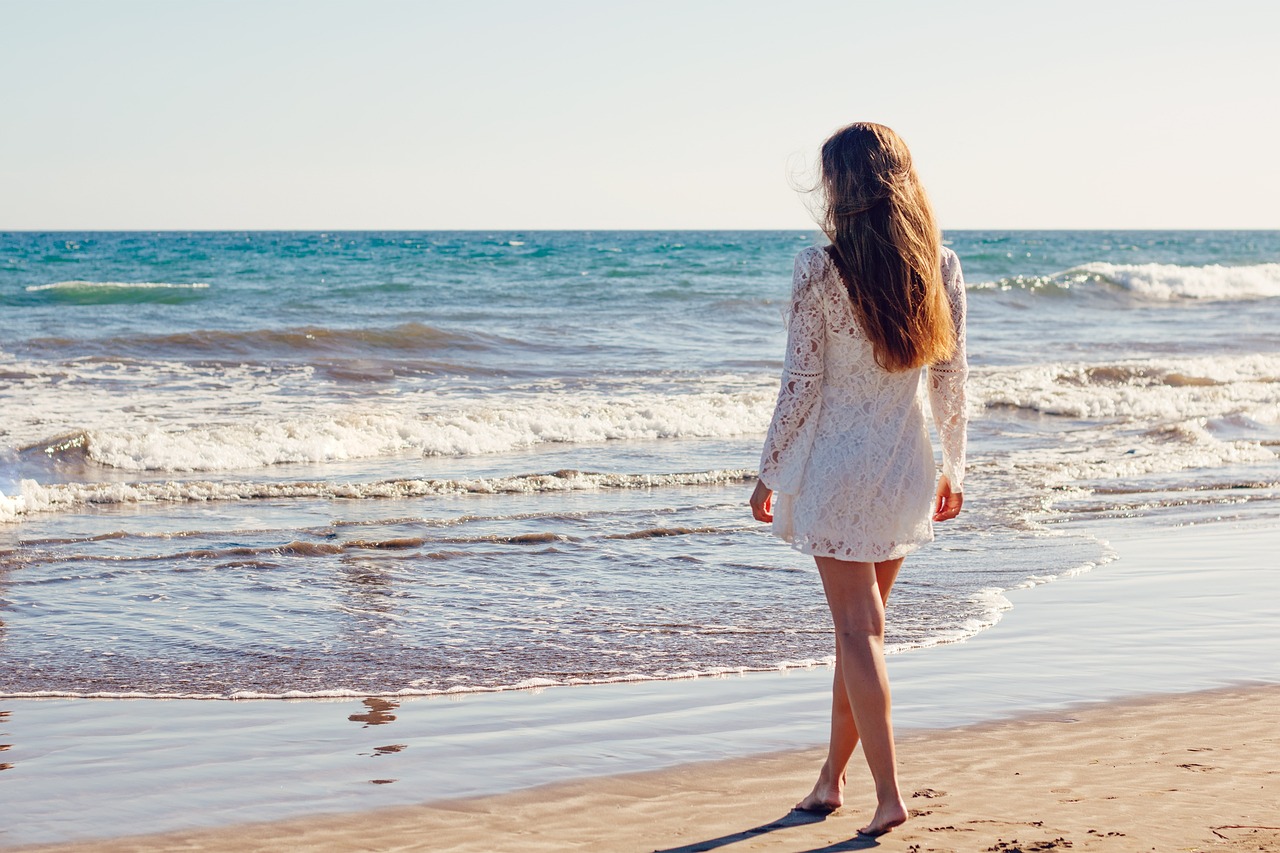
Sweater Dresses
When the temperature drops, the sweater dress takes over. Knitted in soft wool blends or cosy acrylic, it combines the warmth of a jumper with the ease of a dress. A fine-knit sweater dress looks smart with boots and a long coat, while a chunkier knit suits relaxed weekends with thick tights and flat boots.
Wrap Dresses
The wrap dress fastens by wrapping one side across the other and tying at the waist, creating a flattering V-neckline and a defined waist on almost every body shape. The V&A’s fashion collection, the largest and most comprehensive collection of dress in the world, shows how designers have returned to the wrap silhouette again and again, from 1930s daywear to modern interpretations.
How To Choose The Right Casual Dress For Your Shape
The most flattering dress is the one that fits your actual body, not the one that looks best on a model. Start by being honest about what you feel comfortable in. If you dislike sleeveless styles, a dress with short or three-quarter sleeves will get far more wear than a strappy one. If you prefer a defined waist, look for a tie belt, a seamed waist, or a wrap style rather than a straight shift.
Length matters more than most people think. A dress that ends at the widest part of the calf can shorten the leg visually, while one that ends just above or just below the knee usually flatters most heights. Try the dress on with the shoes you would actually wear with it, and sit down in it, because a dress that rides up when you sit will not be comfortable in real life.
Fabric choice affects both comfort and appearance. Natural fabrics such as cotton and linen breathe well but wrinkle more easily, while jersey and viscose drape smoothly and travel well. If you want a dress that still looks good at the end of a long day, look for fabrics with a little stretch. Always check the care label before buying, because a dress that needs dry cleaning every time it is worn is unlikely to become an everyday favourite.
Styling Casual Dresses For Every Season
One of the best things about casual dresses is that they work all year round, provided you style them for the weather.
Spring Styling
Spring is the season for lighter layers. A floral midi dress with a light denim jacket and white trainers feels fresh and practical, while a shirt dress with a thin cardigan works for cooler mornings. Softer colours, such as sage green and sky blue, suit the season well.
Summer Styling
Summer styling is about keeping cool and keeping it simple. Choose breathable fabrics, lighter colours, and flat sandals or trainers you can walk in all day. A straw hat and sunglasses are practical as well as stylish.
Autumn Styling
Autumn is when casual dresses really earn their place, because layering becomes both necessary and enjoyable. A t-shirt dress works with ankle boots and a leather jacket, a midi dress pairs well with a chunky cardigan and tights, and a sweater dress needs little more than boots and a coat. Layering a casual dress with a structured jacket also works well in cooler weather — see The Ultimate Guide to the Ike Jacket.
Winter Styling
Winter dressing is about warmth without bulk. A long-sleeved midi dress or a sweater dress with thick tights, knee-high boots, and a warm coat is a complete outfit. Thermal layers underneath a dress are invisible and make a real difference on cold days.
Casual Dresses For Different Occasions
The same dress can serve several purposes, but a few small changes make the difference between an outfit that feels right and one that feels slightly off.
For a relaxed office day, choose a dress with sleeves, a knee-length or midi hem, and a structured fabric. Add smart flat shoes or low heels, a simple bag, and minimal jewellery. A blazer over a casual dress instantly makes it look more professional.
For weekends, comfort takes priority. A t-shirt dress with trainers, a denim jacket, and a cross-body bag is a classic combination for shopping, lunch, and family outings. If you want to feel a little more polished, swap the trainers for loafers and add a belt.
For evenings, a wrap dress or a simple black midi dress is hard to beat. Add heeled sandals or ankle boots, a clutch bag, and one statement piece of jewellery. The dress does most of the work, so the accessories only need to add a touch of occasion. A piece with personal meaning, such as Claddagh: The Timeless Irish Symbol of Love, Loyalty, and Friendship, makes a thoughtful finishing touch.
For travel, a casual dress is one of the most practical choices you can pack. Jersey dresses resist creasing, take up little space, and can be worn with trainers during the day and dressed up in the evening.
Colours, Prints And Fabrics That Work Best
Colour choice is personal, but a few guidelines help. Solid colours are the most versatile, because they can be accessorised in many ways and they do not date quickly. Navy, black, olive, and burgundy are reliable choices that suit most skin tones and work across seasons. If you prefer brighter colours, choose one or two that you genuinely love and that suit your complexion.
Prints add personality, but they need a little more care. Small floral prints, stripes, and polka dots are classic and easy to wear, while large, bold prints make a stronger statement and suit simpler accessories. Let the print be the focus and keep everything else simple.
When it comes to fabric, think about your real life rather than an ideal one. If you wash your clothes at home and rarely iron, choose fabrics that wash well and resist creasing, such as jersey, viscose blends, and cotton with a little elastane. If you love natural fabrics and do not mind ironing, linen and pure cotton are beautiful choices for warm weather.
Common Styling Mistakes To Avoid
The most common mistake is wearing a dress that does not fit properly. A dress that is too tight will pull and crease, while one that is too loose can look shapeless and unfinished. Taking a dress to a tailor for a small adjustment, such as shortening the hem or taking in the waist, often costs little and transforms how it looks and feels.
Another frequent mistake is wearing the wrong shoes. A casual dress with very formal heels can look mismatched, just as a dressy midi with battered trainers can look unfinished. Match the formality of the shoes to the formality of the dress, and choose shoes you can actually walk in.
Over-accessorising is also worth avoiding. A casual dress needs only a few well-chosen accessories, and adding too many can make a relaxed outfit look fussy. Choose one focal point, whether that is a necklace, a belt, or a bag, and let the rest of the outfit stay simple.
Finally, do not ignore the underwear. A visible bra strap or a line showing through a light fabric can spoil an otherwise lovely outfit. Seamless, nude-toned underwear that matches your skin tone solves most of these problems, and it is worth checking any light-coloured dress in natural daylight before wearing it out.
Caring For Your Casual Dresses
A little care goes a long way in keeping casual dresses looking good. Always read the care label, and wash dresses inside out in cool water to protect colours and prints. Avoid overloading the washing machine, because dresses need room to move freely. Hang jersey and linen dresses to dry rather than tumble drying them, which can shrink natural fabrics.
Store dresses on proper hangers rather than folding them into drawers, where they crease. Knitted dresses are the exception, because hanging a heavy knit can stretch it out of shape, so fold those instead. A quick steam before wearing makes a surprising difference.
Conclusion
Casual dresses for women work so well because they solve the daily problem of what to wear with a single, comfortable piece. The best ones are chosen for real life: a fit that flatters your shape, a fabric that suits your routine, a length you can move in, and a style that works across seasons. Start with one or two versatile dresses in colours you love. A small collection of well-chosen casual dresses will serve you better than a wardrobe full of pieces you never quite feel right in.
Frequently Asked Questions
What Is The Best Casual Dress For Everyday Wear?
A shirt dress or a midi dress in a comfortable, washable fabric is usually the best choice for everyday wear. Both styles suit most body shapes, work across seasons with simple layering, and can be dressed up or down with a change of shoes and accessories.
Can You Wear A Casual Dress To Work?
Yes, provided the dress suits your workplace. Choose a style with sleeves, a knee-length or midi hem, and a structured fabric, then add a blazer or smart shoes to make it look professional. Avoid very short hems, strappy styles, and sheer fabrics in a work setting.
What Shoes Go Best With Casual Dresses?
White trainers, flat sandals, loafers, and ankle boots all work well with casual dresses, depending on the season and the occasion. The key is to match the formality of the shoes to the dress: trainers and sandals for relaxed looks, loafers or low heels when you want to look a little smarter.
How Do I Stop A Casual Dress Looking Shapeless?
Add definition at the waist with a belt, choose a dress with a seamed or wrap waist, or layer a structured jacket over it. A dress with a clear silhouette, such as an A-line or a fit-and-flare cut, also holds its shape better than a completely straight style.
Which Fabrics Are Best For Casual Dresses?
Cotton, jersey, viscose, and linen are the most popular choices because they are comfortable, breathable, and easy to wear. Jersey and viscose blends resist creasing and travel well, while cotton and linen feel cool in warm weather but need more ironing.
Leave a Reply