

Holidays to Brazil can combine world-famous beaches, lively cities, historic neighbourhoods and extraordinary nature in a single trip — but Brazil is so large that a good holiday depends on choosing the right places, not trying to see everything. For most UK travellers, the best approach is to pick two or three bases, allow time for travel between them, and build the trip around what you enjoy most: beaches, city culture, food, history or wildlife. This guide explains where to go, when to go, what to expect, and what to check before you book, so you can plan a Brazil holiday that feels exciting without feeling rushed.
Key Takeaways
- Brazil suits a mix of beach time, city sightseeing and nature, but it is best enjoyed at a relaxed pace.
- Rio de Janeiro, Iguazu Falls and Salvador make a strong first-trip combination.
- UK travellers should check the latest UK Foreign, Commonwealth & Development Office (FCDO) travel advice for Brazil before booking and again before departure, as advice can change.
- Internal distances are long, so plan fewer stops and allow proper travel days between them.
Why Choose Brazil For Your Next Holiday
Brazil offers a kind of variety that few countries can match. In Rio de Janeiro, mountains rise behind famous beaches and city life spills onto the seafront. In Salvador, music, colour and colonial history shape everyday street life. At Iguazu Falls, walkways bring you close to a vast, thundering waterfall system surrounded by subtropical forest. Elsewhere, the Amazon and the Pantanal offer a very different experience: wide rivers, dense forest, open wetlands and remarkable wildlife.
That variety is also the reason to plan carefully. A holiday that jumps between far-apart regions every day can become tiring, while a holiday built around a few well-chosen places gives you time to enjoy beaches, food, neighbourhoods and viewpoints properly. Brazil rewards travellers who slow down, take a guided walk, linger over a long lunch, and return to a favourite beach at sunset rather than rushing from one landmark to the next.
Where To Go In Brazil
Rio De Janeiro: Beaches, Icons, And City Life
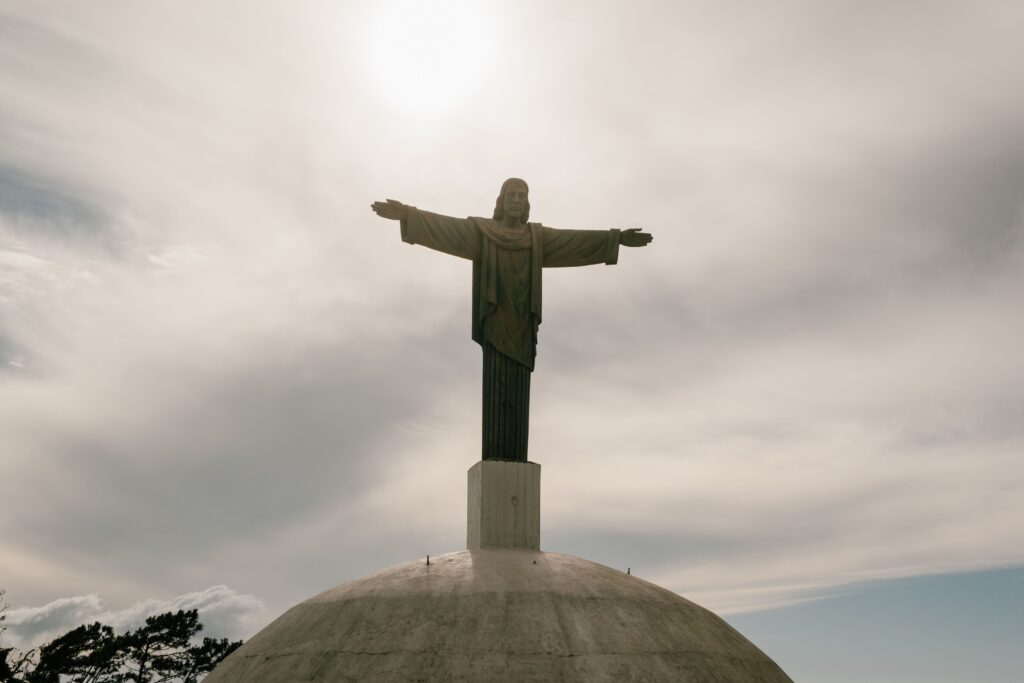
Rio de Janeiro is the natural starting point for many first-time visitors. Christ the Redeemer stands above the city on Corcovado mountain, and the Sugarloaf Mountain cable car offers wide views over the bay, beaches and city. Copacabana and Ipanema are the beaches most visitors know first, with long promenades, places to eat and drink, and a lively atmosphere during the day.
Beyond the beaches, Rio has neighbourhoods worth exploring on foot with a map and a sensible plan for the day. Santa Teresa is known for its hillside streets and artistic character, while the Selarón Steps are a colourful tiled staircase that has become one of the city’s most photographed sights. Museums, markets, gardens and historic buildings add depth to a beach holiday, and an evening in a live-music venue can show a different side of the city. If you enjoy planning a trip around beaches, a guide such as FM Magazine’s Rodanthe Travel Guide: Beaches, Things To Do & Local Tips shows how beach days, local activities and practical tips can fit together, even though the destination is different.
Iguazu Falls: Power, Mist, And Walkways
Iguazu Falls, on the border between Brazil and Argentina, is one of Brazil’s most memorable natural sights. On the Brazilian side, the falls are protected inside a national park near Foz do Iguaçu, and visits use walkways and viewpoints that give a broad, panoramic view of the waterfalls. The Devil’s Throat viewpoint is the dramatic high point, where water drops into a deep gorge and mist rises from below.
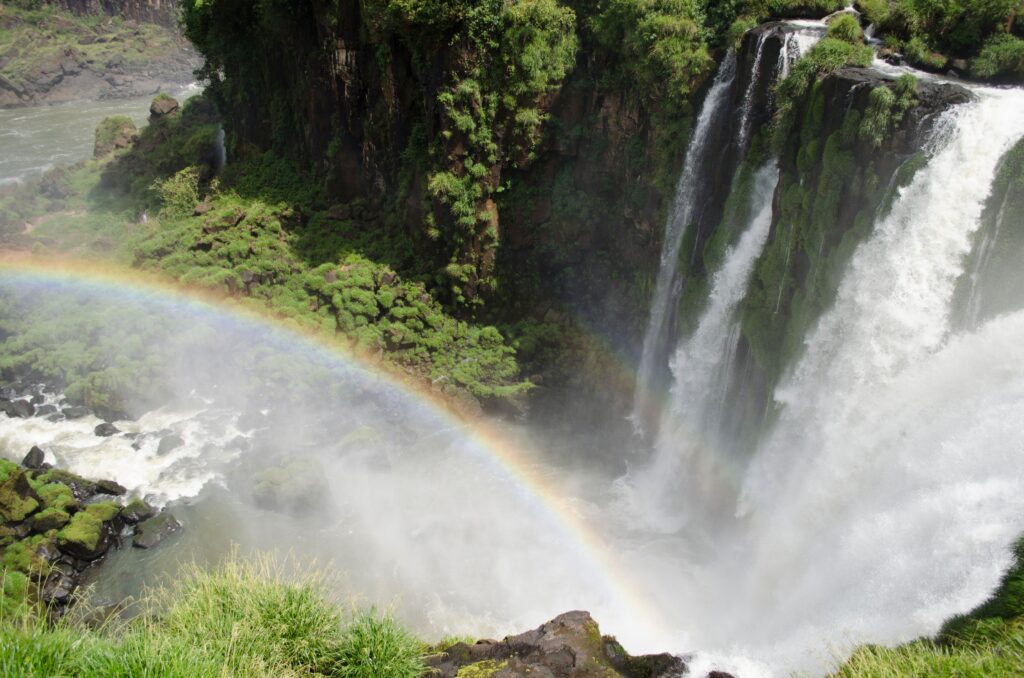
Wear shoes you do not mind getting wet, protect cameras and phones from spray, and allow enough time to walk the trails rather than hurrying through. Many travellers visit both the Brazilian and Argentine sides if time allows, as the views feel different from each side. Because Iguazu is reached by an internal flight from Rio or São Paulo for most visitors, it works best as a planned two-night stop rather than a rushed day trip.
Salvador: Colour, Music, And History
Salvador, in the state of Bahia, offers a strong contrast to Rio. Its historic Pelourinho district is filled with colonial buildings, churches, squares and colourful facades, and the city is known for its Afro-Brazilian culture, music, dance and food. Walking the historic centre, visiting markets and trying local dishes gives a sense of a city shaped by centuries of history and by a living, modern culture.
Salvador also gives access to beaches in Bahia, so it can work well as a second or third stop after Rio. Spend at least two full days here if you can: one for the historic centre and one for beaches, markets or a slower neighbourhood walk. As with other South American cities, it helps to read a destination guide that separates practical planning from history and culture, such as FM Magazine’s Exploring Santa Cruz Bolivia: A Vibrant City Where Culture Meets Adventure.
The Amazon And The Pantanal: Nature On A Grand Scale
The Amazon is not a single place to tick off, but a vast region of rivers and forest best explored with a reputable local guide or lodge. Manaus is a common gateway, and river trips can include forest walks, boat excursions and wildlife watching. The Pantanal, a large wetland region, is often easier for wildlife viewing because animals gather around water, and it is known for capybaras, caimans, monkeys and many bird species.
These nature trips need more planning than a city break. Choose operators who respect local communities and wildlife, follow guide instructions, and understand that weather, river levels and wildlife sightings cannot be guaranteed. Also note an important safety point: the FCDO advises against all but essential travel to certain remote river areas in western Amazonas State. Check the current FCDO advice for the exact areas before planning any Amazon itinerary, and do not plan a trip into an area covered by that advice.
When To Go To Brazil
There is no single best month for the whole of Brazil, because the country spans tropical, subtropical and temperate climates. The weather in Rio is different from the weather in the Amazon, and the Pantanal has its own seasonal pattern for wildlife and water levels. Rather than searching for one perfect month, choose your regions first, then check the typical weather for those places for your travel dates.
Carnival is Brazil’s most famous festival period, and dates change each year, so check the calendar for your year of travel if you want to attend. Carnival brings parades, music and large crowds, especially in Rio and Salvador, and accommodation in popular areas can book up early. If you prefer quieter beaches and easier sightseeing, travelling outside major festival periods may suit you better. Whatever month you choose, pack for heat, sun and sudden rain, and plan outdoor sightseeing for the cooler parts of the day where possible.
How To Plan A Holiday To Brazil
Start with how long you have. A week allows a focused trip, such as Rio plus Iguazu Falls. Ten days to two weeks allows a third stop, such as Salvador, without constant travelling. Longer trips can add the Pantanal, a beach stay in Bahia, or more time in one city.
Think about travel between places early. Internal flights connect major cities, while some nature destinations need a flight plus a road or river transfer. Build in buffer time for connections, especially if you are combining a nature lodge stay with an international flight home. Accommodation ranges from city hotels and guesthouses to beach pousadas and jungle lodges, so book the places that matter most to you first, particularly during festival periods or school holidays.
For trip-planning structure, FM Magazine’s Chiang Rai Thailand: Discover The Hidden Charms Of Northern Thailand is a useful example of how a destination guide can break a trip into sights, culture, food and practical tips, even though the country is different. Use the same approach for Brazil: list your must-see places, then add food, neighbourhood walks and rest days around them.
What To Eat And Drink In Brazil
Brazilian food varies by region, and trying local dishes is one of the pleasures of the trip. In Rio and São Paulo, you may come across churrasco, Brazilian barbecue served in restaurants where grilled meats are a central part of the meal. Feijoada, a hearty black bean and pork stew, is widely known as a traditional Brazilian dish. Pão de queijo, small cheese breads, are a popular snack, and açaí bowls made from the açaí berry are common in beach and juice-bar culture.
In Bahia, dishes often reflect Afro-Brazilian influences, with seafood, coconut, palm oil and spices playing a larger role. Fresh fruit juices are widely available, and coffee culture is strong across the country. If you drink alcohol, caipirinha, made with cachaça, lime and sugar, is Brazil’s best-known cocktail. Tell restaurants about allergies or dietary needs clearly, and be cautious with street food if you have a sensitive stomach: busy stalls with high turnover are usually a safer choice than food that has been sitting out.
Entry Requirements, Safety, And Practical Tips For UK Travellers
For UK passport holders travelling for tourism, multiple current sources report that Brazil is visa-exempt for short stays of up to 90 days, but entry rules can change. Check the FCDO Brazil travel advice and official Brazilian government information close to your departure date, and make sure your passport and travel documents meet the current requirements for your nationality and trip length. Do not rely on a single older article for entry rules.
Portuguese is the official language of Brazil, and English is not spoken everywhere outside major tourist areas. Learning a few basic Portuguese phrases for greetings, directions, food and transport will make everyday travel easier and is usually appreciated. The currency is the Brazilian real. Cards are commonly used in cities, but it is sensible to carry some cash for markets, small towns and smaller businesses, and to use ATMs in safe, well-lit locations.
On safety, the FCDO advises travellers to exercise caution around major sites in large cities and notes risks of theft and pickpocketing in busy places such as beaches, markets and transport hubs in Rio de Janeiro, Brasília and São Paulo. Practical steps include keeping valuables out of sight, avoiding quiet or unfamiliar areas after dark, using reputable transport, and not joining tours or visiting areas that official advice warns against. Comprehensive travel insurance is essential, and the FCDO warns that insurance could be invalidated if you travel against its advice. Check the FCDO pages linked below for safety, entry requirements and health information before you travel:
- UK FCDO travel advice for Brazil: https://www.gov.uk/foreign-travel-advice/brazil
- UK FCDO safety and security advice for Brazil: https://www.gov.uk/foreign-travel-advice/brazil/safety-and-security
A Simple Two-Week Route Idea
This is an example route, not a fixed itinerary, and it can be shortened or changed to suit your interests:
- Rio de Janeiro for four nights: beaches, Christ the Redeemer, Sugarloaf Mountain and neighbourhood walks.
- Iguazu Falls for two nights: the Brazilian side walkways and viewpoints, with an optional Argentine-side visit if time allows.
- Salvador for three nights: the historic Pelourinho district, markets, music and Bahia beaches.
- A final beach stay or return to Rio for the last nights: time to rest before flying home.
If you have only a week, choose Rio plus one other stop. A slower trip with fewer moves will usually feel more like a holiday than a trip spent mostly in airports.
Travelling Responsibly In Brazil
Brazil’s natural and cultural heritage deserves care. In nature areas, follow guide instructions, do not feed wildlife, take rubbish with you, and avoid touching plants or animals. In historic districts and local communities, ask before photographing people, respect religious sites and local customs, and support local guides, markets and small businesses where you can. Choosing locally owned accommodation and tours, where practical, helps the money from tourism reach the communities you visit.
Responsible travel also means being realistic about wildlife. A good guide will explain what you might see without promising specific animals, and a good lodge will put animal welfare and forest protection ahead of a close photograph. If an activity seems to disturb wildlife or exploit a community, choose a different option.
Final Thoughts: Is A Holiday To Brazil Worth It?
For travellers who enjoy beaches, cities, food, music and nature, holidays to Brazil offer an unusual combination in one country. The key is to accept that you cannot see it all in one trip, and to choose a route that gives each place time to breathe. With a clear plan, current FCDO advice checked, and a relaxed pace, Brazil can be a holiday that stays with you long after you return home — not because you rushed through a checklist, but because you had time to enjoy it properly.
Frequently Asked Questions
Do UK Travellers Need A Visa For Brazil?
Current sources report that UK passport holders are visa-exempt for tourism for stays of up to 90 days, but rules can change. Always check the latest FCDO Brazil travel advice and official Brazilian government information before you travel.
Can I Visit Rio And Iguazu Falls In One Week?
Yes, but the trip will feel full. Allow at least three nights in Rio and two nights at Iguazu Falls, plus travel days between them. If you want a slower pace, choose one destination for a week instead.
How Much Portuguese Do I Need For A Holiday In Brazil?
You can manage in major tourist areas with English, but Portuguese is the main language in everyday life. A few basic phrases for greetings, ordering food, asking directions and taking transport will help greatly outside hotels and tour groups.
Do I Need Vaccinations For Brazil?
Health recommendations depend on your itinerary, health history and the areas you plan to visit, so this guide does not list specific vaccinations as requirements. Check the FCDO health information for Brazil and speak to your GP or a travel health clinic well before departure.
Is Brazil Suitable For A Family Holiday?
Brazil can work well for families, especially with beach stays, city sightseeing and guided nature trips. Choose family-friendly accommodation, plan rest days, keep days shorter for younger children, and check safety and health advice for each region you plan to visit.
Featured image: Christ the Redeemer statue on Corcovado Mountain with Rio de Janeiro cityscape, by Jonathan Borba via Pexels
Leave a Reply