
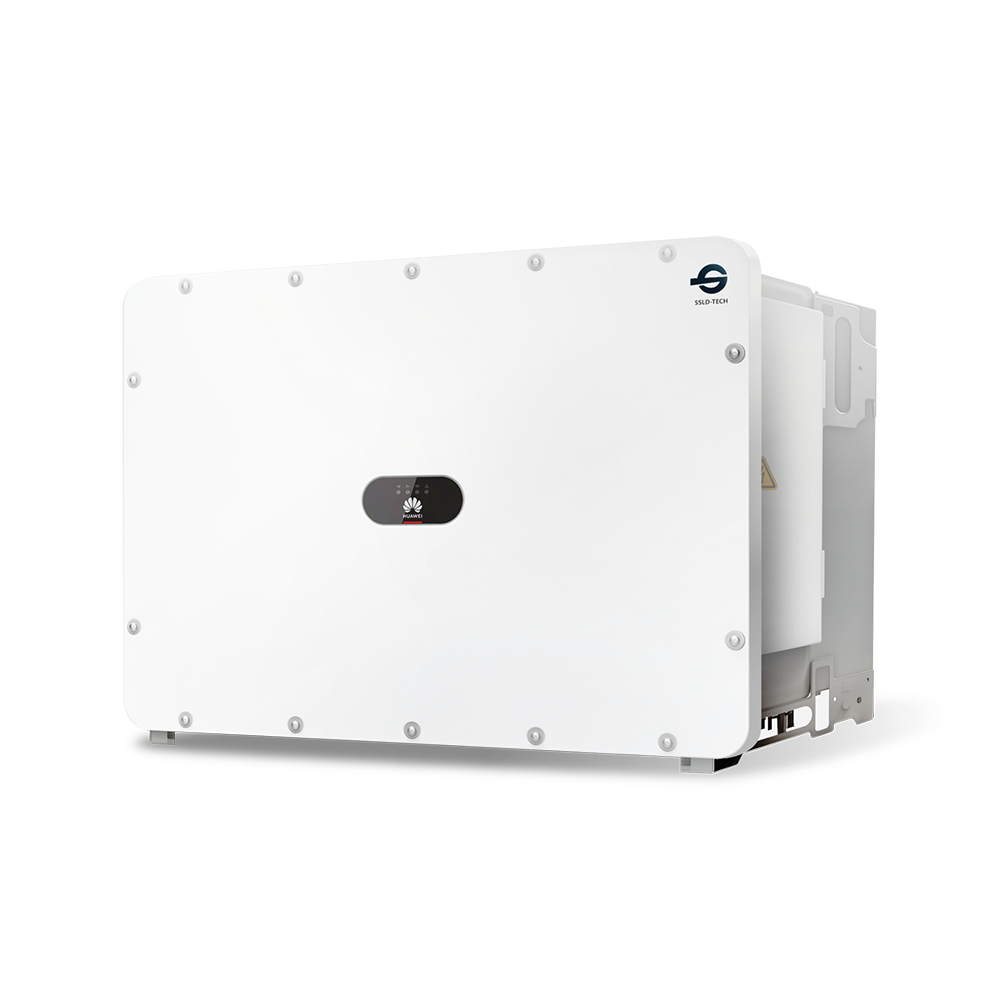
For a large photovoltaic site whose success depends on land, grid and long-term operations, developers, EPC contractors, asset owners and grid operators need to identify what should be measured before the equipment is selected. That review should cover the location, demand and compliance assumptions, because the ultimate objective involves grid compliance, generation continuity, safe operations and accountable asset performance. Large purchasing decisions often begin with a short list of components. Yet the durable result depends on how those components behave in their specific environment. A good plan links these practical questions to tests, documented responsibilities and realistic site conditions.
Plant layout choices
Row spacing, terrain and equipment placement affect installation, access, shading and total project losses. Before approving equipment, ask for a drawing or operating scenario that demonstrates the stated function under local conditions.
Specify plant communications
Control systems need dependable data from inverters, meters, weather sensors and protection equipment. Consistent time stamps and equipment identifiers are essential when teams investigate an event across several systems.
Asset care
Vegetation, access roads, modules and power electronics all require practical inspection plans over the project life. An independent operational check can show whether the plan reflects everyday use rather than an idealized demonstration.
For a useful solution reference, examine Utility Solar alongside the project drawings and the documented operating requirements. A product page is a starting point for questions, not a substitute for site assessment.
Yield uncertainty
Weather datasets and assumptions about soiling, clipping and downtime should appear in the energy model. The responsible team should keep evidence of the assumptions and explain which conditions would trigger a design review.
Control architecture
Inverters, meters and plant-level controls need reliable communications and clearly assigned command priorities. The owner can ask the designer to identify the measurement that would confirm this expectation after the system is commissioned.
Grid behavior
Large plants must demonstrate agreed responses to voltage, frequency and active-power instructions at the connection point. The owner can ask the designer to identify the measurement that would confirm this expectation after the system is commissioned.
Teams can revisit Utility Solar during commissioning, checking the proposed capabilities against measured behavior and the final configuration.
Owner reporting
Decision makers benefit from separate measures of weather-adjusted yield, availability and actual energy delivered. The owner can ask the designer to identify the measurement that would confirm this expectation after the system is commissioned.
For Utility Solar, the decisive question is whether the specified functions can be supported by site evidence, safe procedures and an accountable operating model. Each requirement should be reviewed against the actual project, not assumed to apply everywhere.
For this decision, a measured baseline and a named owner are more valuable than an unqualified claim on a product sheet.
Decisions worth documenting
A concise decision file can identify the adopted design, rejected alternatives, unresolved constraints and the tests needed before handover. This makes the project easier to review when its assumptions change.
Leave a Reply