
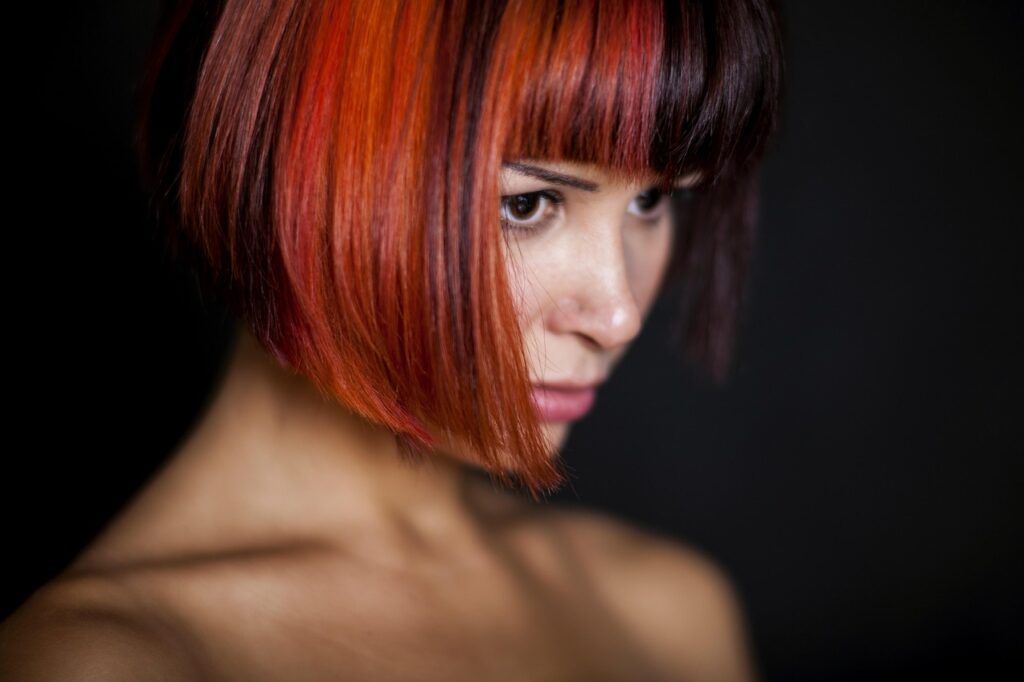
Short hair has a reputation for being low-maintenance, and in many ways it is, but that does not mean it styles itself. The real advantage of short hair is that a good cut does much of the work for you, so a few minutes and one or two products are often enough to create a finished look. The trick is knowing which simple techniques suit your cut, whether you have a pixie, a bob, a bixie or a short layered style, and building a short routine you can repeat without thinking. This guide covers everyday looks for short hair, from sleek and polished to textured and relaxed, along with heat-free options, accessories and evening ideas, so you can vary your style through the week without spending a long time in front of the mirror.
Start With The Cut And Your Natural Texture
Every easy short hairstyle begins with a cut that suits your hair texture and the amount of time you are willing to spend styling it. A pixie cut relies on its shape, so regular trims keep the outline sharp and the styling simple. A bob holds its shape well and can be worn sleek, wavy or tousled with only small changes in technique. A textured or layered short cut is designed to look slightly undone, which makes it forgiving on busy mornings. Before choosing a style for the day, look at your hair when it is clean and dry and notice how it naturally falls. Does it have a natural wave, a cowlick at the crown, or a parting that always returns to the same place? Those natural tendencies are not problems to fix; they are the foundation of your easiest styles. Working with them will always be faster than forcing your hair into a shape it resists. It also helps to know your hair’s thickness and how much product it can handle. Fine short hair is easily weighed down, so light products in small amounts work best. Thick short hair can handle a little more product and may need sectioning when blow-drying so that each part dries evenly. When you visit your stylist, explain your morning routine honestly, including how many minutes you actually have, so the cut they give you matches your real life rather than an ideal one.
The Five-Minute Everyday Routine
Most short hair can be styled in about five to fifteen minutes once you have a routine that works, and the simplest version follows the same steps every day. Start with clean, damp hair, or dampen dry hair lightly with water if you are not washing it that day. Apply a small amount of product suited to the finish you want: a volumising mousse for lift, a smoothing cream for a sleek look, or a texturising cream for a tousled finish. Use your fingers or a brush to shape the hair into place while it is still damp, because hair sets as it dries and is much harder to reshape once it is fully dry. Blow-dry on a medium setting if you want control and volume, or let the hair air-dry if you prefer a softer, more natural result. Finish with a light-hold spray only if your style needs extra hold. The key habit is to decide the finish before you start, rather than adding product after product in the hope that something works. One product, applied to damp hair and shaped with intention, will almost always look better than three products layered on dry hair. If your short hair tends to fall flat by midday, focus your product and drying effort on the roots, lifting them with your fingers or a small round brush, because root lift is what gives short styles their staying power.
How To Style A Sleek Bob
A sleek bob is one of the most polished everyday looks for short hair, and it suits work, formal occasions and evenings out. Start with damp hair and apply a small amount of smoothing serum or cream, working it through the lengths and ends. Use a paddle brush to blow-dry the hair straight, directing the airflow downwards from the roots towards the ends, which helps the hair lie smooth. Keep the brush moving slowly and steadily rather than rushing, so each section dries flat. For extra smoothness, you can finish with a flat iron on a low to medium setting, passing it once through each section rather than repeatedly over the same hair. A light shine spray or a tiny drop of serum on the ends adds polish without making the hair look greasy. The sleek bob works best when the ends are blunt and healthy, so regular trims matter, and a small amount of product goes a long way. Avoid overloading the roots with serum, as this will flatten the style and make it look oily by lunchtime. A sleek bob also pairs well with a deep side parting for a more dramatic finish, or a centre parting for a clean, symmetrical look. A guide to styling short hair explains the same sleek technique, including using a fine-tooth comb and a nozzle attachment to direct airflow downwards for a smooth finish.
How To Style A Textured Pixie
A textured pixie is the fastest short style for many people, because the cut itself creates the shape and the styling is about enhancing texture rather than creating smoothness. Start with slightly damp hair and work a pea-sized amount of styling cream, wax or matte pomade through the hair with your fingertips. Lift the crown with your fingers while blow-drying on a medium setting, or let the hair air-dry for a softer result. Use your fingertips to separate the ends into small pieces, which creates definition without stiffness. A touch of matte pomade on the very ends adds piecey texture and stops the style from looking too soft or fluffy. The aim is controlled messiness: the hair should look deliberately textured, not accidentally untidy. If your pixie has longer pieces on top, you can sweep them forward, to the side, or upwards for slightly different looks from the same cut. Shorter pixies can be smoothed down for a neat finish or roughed up for a more relaxed, edgy look. Because pixie cuts grow out quickly, regular trims every four to six weeks keep the shape defined and the styling easy. Without those trims, the outline drifts and the style takes longer each morning, which defeats the purpose of a short cut.
Soft Waves And Tousled Texture
Soft waves are a good middle ground between sleek and messy, and they work on bobs, lobs and longer pixies. Start with damp hair and apply a volumising mousse or a sea-salt spray at the roots and through the lengths. Flip your head upside down and blow-dry while scrunching the hair with your fingers, which encourages natural wave and volume. Once dry, you can add a few loose waves with a small-barrel curling tool, wrapping small sections for only a few seconds and then letting them cool before you touch them. After curling, tousle the hair gently with your fingers to break up the curls into soft waves, and finish with a texturising spray for hold that still moves. The trick is to curl only some sections and leave others natural, which gives a more relaxed, believable wave than curling every strand in the same direction. Tousled texture also works well on second-day hair, when the hair has a little natural grip. A small amount of dry shampoo at the roots refreshes the hair and adds texture at the same time. If your hair is naturally wavy, you may not need a curling tool at all: scrunching with a curl cream while the hair dries is often enough to bring out the wave pattern.
Heat-Free Styling For Short Hair
Heat-free styling is a healthier option for short hair, especially if you style it every day, and it can still produce polished results. The simplest heat-free method is to work with damp hair and let it air-dry in the shape you want, using your fingers, a comb or clips to set the direction while it dries. Braiding or twisting small sections of damp short hair and leaving them to dry creates soft waves, which you can loosen with your fingers once the hair is fully dry. Finger coiling, where you wrap small sections around your finger to encourage curl formation, works well for naturally wavy or curly short hair. Sleeping with twists pinned loosely, or with a headband holding the hair in place, can set a style overnight so you wake up with shape already in place. A silk or satin pillowcase reduces friction while you sleep and helps the style last longer. Heat-free methods take a little planning, because the hair needs time to dry in its new shape, but they avoid the cumulative damage of daily hot tools. A step-by-step guide to easy short hair styling notes that most everyday short styles take only five to fifteen minutes and can be adapted for casual, professional or formal occasions. For a heat-free day, choose a style that works with your natural texture rather than against it, and keep the product light so the hair can move freely.
Frequently Asked Questions
How Long Does It Take To Style Short Hair Each Day
Most short styles take between five and fifteen minutes once you know your routine, depending on the cut and the finish you want. A textured pixie is often the fastest, while a sleek bob with a flat-iron finish may take a little longer.
Does Short Hair Need Less Product
Yes, short hair generally needs less product than long hair, because there is simply less hair to cover. Start with a pea-sized amount of cream, wax or mousse, and add more only if needed, as excess product is the most common cause of flat, greasy-looking short styles.
Can I Tie Short Hair Up
It depends on the length. Bobs and longer pixies can often be gathered into a small ponytail, a low bun or a half-up style, while very short pixies are better styled with clips, headbands or pins. Small braids along the hairline can also keep short hair out of the face.
How Often Should I Get A Short Haircut Trimmed
Pixie cuts usually need a trim every four to six weeks, while bobs can stretch to six to eight weeks before the outline starts to drift. Booking your next trim when you leave the salon helps you stay on schedule.
Is Short Hair Suitable For All Hair Types
Short hair can suit straight, wavy, curly and coily textures, but the best cut depends on your texture, thickness and growth pattern. A stylist who understands your hair type can adapt a pixie or bob so that it works with your natural texture rather than against it.
Final Thoughts On Styling Short Hair
Styling short hair well is about simplicity and consistency. Choose a cut that fits your texture and your real morning routine, learn one or two finishes that suit that cut, and repeat them until they become automatic. Change your parting or add an accessory when you want variety, rather than buying new tools or learning complicated techniques. Keep up with regular trims, use a small amount of product, and protect your hair from unnecessary heat. With those habits, short hair delivers on its promise: a fresh, finished look in minutes, every day, with room to dress it up when the occasion calls for it. For more hair inspiration, see 25 Trendy Short Haircuts for Women in 2026, Effortless Elegance: Low Maintenance Hairstyles For 60 Year Old Woman With Fine Hair and How To Style A Fringe: Easy Ideas For Every Hair Type.
Leave a Reply