
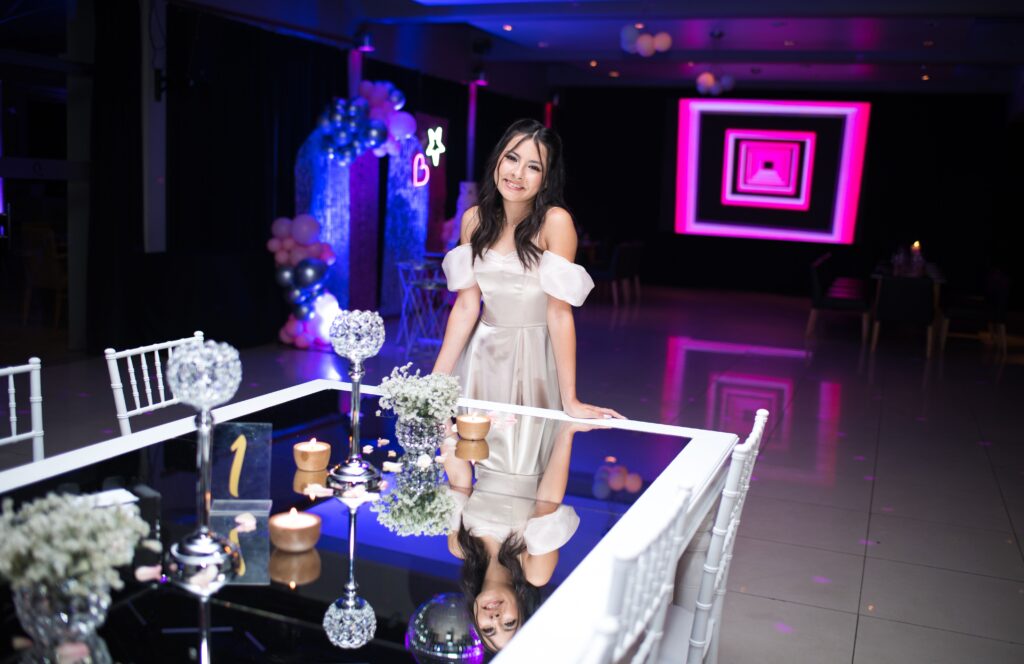
Occasion clothing is clothing chosen for a specific event, rather than for everyday life. The right outfit for a wedding, a party, or a formal dinner should fit the venue, the time of day, and the dress code, while still feeling comfortable enough to wear for several hours. When those three things line up, you look polished without feeling stiff or out of place. When they do not, even an expensive outfit can feel wrong.
This guide explains how to choose occasion clothing with confidence. It covers how to read an invitation, what usually works for weddings, parties, and formal events, and how to build outfits that can be reused rather than bought for a single evening. The aim is not to follow rigid rules, but to make choices that suit the event, your body, and your budget.
Start By Reading The Invitation Properly
Most occasion clothing mistakes start with guessing. Before you shop or open your wardrobe, check the invitation for a dress code, a venue, and a start time. Words such as smart casual, cocktail, formal, and black tie each suggest a different level of dress, and the same outfit can be perfect for one and wrong for another. If the invitation gives no dress code, look at the venue and time: a daytime garden event usually calls for lighter fabrics and colours, while an evening event in a hotel or restaurant usually calls for darker colours and smarter fabrics.
It also helps to think about what you will actually be doing. Will you be standing for a long reception, sitting through a meal, dancing, or walking on grass or gravel? Shoes, fabric weight, and hem length all matter more when you will be on your feet. An outfit that looks good in a mirror can become uncomfortable after an hour if the shoes pinch or the fabric does not breathe. Comfort is not the opposite of elegance; it is what allows you to enjoy the event.
Occasion Clothing For Weddings
Weddings are the most common occasion for smarter clothing, and they also have the clearest unwritten rules. Avoid white, ivory, and very pale colours that could look bridal in photographs, and avoid anything that draws attention away from the couple. Beyond that, weddings allow a wide range of styles, from a tailored suit to a midi dress, a jumpsuit, or a smart co-ord, depending on the venue and formality.
For a daytime wedding, lighter colours, floral prints, and breathable fabrics such as cotton blends, linen blends, and crepe usually work well. For an evening wedding, deeper colours, satin, velvet, or a well-cut suit can feel more appropriate. In the UK, weather is always a factor, so a layer such as a tailored jacket, a pashmina, or a light coat is worth planning, even in summer. A small bag that holds essentials without clashing with the outfit is usually more practical than a large everyday bag.
Footwear deserves special thought at weddings. Outdoor ceremonies, church steps, and dance floors all place different demands on shoes. Block heels, wedges, or elegant flats are often more practical than very high stilettos, especially on grass. If you love a higher heel, consider bringing a pair of comfortable shoes for dancing later in the evening.
Occasion Clothing For Parties
Party occasion clothing is usually more relaxed than wedding or formal clothing, but it still benefits from a little structure. A party outfit should allow you to move, sit, eat, and dance without constant adjusting. Sequins, satin, velvet, and bold colour can all work at parties, but one statement piece is usually enough. Pair a sequin top with simple trousers, or a bold dress with quiet shoes and jewellery, so the outfit feels intentional rather than busy.
For a birthday party at home or a casual restaurant gathering, smart trousers or a midi skirt with a polished top is often enough. For a cocktail party or a festive evening event, a cocktail dress, a jumpsuit, or a tailored suit with a softer shirt can feel more fitting. The key is to match the energy of the event: a relaxed gathering does not need black-tie formality, while a special celebration deserves a little more effort than everyday clothes.
Parties are also a good place to reuse occasion clothing. A dress worn to a wedding can often work for a party with different shoes, jewellery, and a different jacket. Changing accessories is one of the simplest ways to make an outfit feel new without buying a whole new look.
Formal Events And Black Tie
Formal events call for the smartest level of occasion clothing. For many people, this means a long dress, a formal gown, or a dark tailored suit, depending on personal style and the event. Black tie traditionally means a tuxedo or dinner suit for those who wear suits, and a long or formal cocktail dress for those who wear dresses, although modern formal events often allow more flexibility. If the invitation says black tie, take it seriously: this is not the event for casual fabrics such as denim, jersey, or trainers.
Fit matters more than labels at formal events. A well-fitted suit or dress in a simple colour often looks better than a more expensive outfit that pulls, gaps, or needs constant adjustment. Tailoring can transform an off-the-peg outfit, especially for trousers, jacket shoulders, and dress hems. If you buy for a formal event, leave time for alterations and a final try-on with the shoes and underwear you plan to wear.
Accessories should be chosen with restraint at formal events. A clutch, simple jewellery, and polished shoes usually complete the look better than several bold pieces competing for attention. Hair and grooming also play a part: a neat, simple style often suits formal clothing better than a complicated look that distracts from the outfit.
Daytime Occasions And Smart Casual Events
Not every occasion is formal. Lunches, christenings, graduations, garden parties, and daytime celebrations often call for smart casual occasion clothing. This is a middle ground: smarter than everyday clothes, but not as formal as evening wear. A tailored dress, a smart jumpsuit, tailored trousers with a blouse, or a blazer with a simple dress can all work well.
Daytime events are more forgiving on colour and print. Pastels, soft neutrals, and gentle patterns often look fresh in daylight, while very dark or heavily embellished outfits can look too heavy before evening. Fabric choice matters in daylight too: natural fibres and lighter weaves tend to photograph well and feel comfortable in warm rooms or outdoor settings.
For smart casual occasions, shoes can be more practical without looking casual. Loafers, block heels, ballet flats, and clean smart boots can all work, depending on the season. The aim is to look polished from head to toe, not to wear one formal piece with otherwise everyday items.
Fit, Fabric, And Colour: The Three Decisions That Matter Most
When choosing any occasion outfit, three decisions matter more than trends: fit, fabric, and colour. Fit means the garment follows your shape without pulling or gaping, allows you to sit and move comfortably, and ends at a flattering length. Fabric means the material suits the season, the venue, and the length of the event. Colour means the shade suits your skin tone and the time of day, and does not clash with the setting.
A useful test is to try the full outfit, including shoes and underwear, and then sit down, walk across a room, and raise your arms. If you need to adjust the outfit constantly, it will distract you all evening. If it feels comfortable and looks tidy from different angles, it is probably a good choice, even if it is simpler than you expected.
Colour can also help you reuse occasion clothing. Neutral bases such as navy, black, charcoal, burgundy, and forest green can be styled in different ways for different events. A neutral dress or suit with different accessories, shoes, and layers can look like a new outfit at each occasion, which is both practical and more sustainable than buying a new outfit every time.
Build A Small Occasion Wardrobe That Works Hard
You do not need a wardrobe full of occasion clothing. A small set of versatile pieces can cover most events, especially if you choose items that mix and match. The goal is to have a few reliable outfits, plus accessories that change the mood.
- One well-fitted suit or tailored dress in a neutral colour that suits both daytime and evening events.
- One dressier option, such as a cocktail dress, a jumpsuit, or a formal suit, for weddings and evening events.
- A smart layer, such as a blazer, a tailored coat, or a wrap, for cooler venues and outdoor photographs.
- Two pairs of occasion shoes: one comfortable heel or wedge, and one elegant flat or loafer.
- Simple accessories: a clutch or small bag, one or two pieces of jewellery, and a scarf or wrap for colour.
Before buying something new, check what you already own. Many people have a suitable base outfit that only needs new shoes, a different top, or a better-fitting layer. Spending on tailoring or accessories often gives better value than buying a completely new outfit that will only be worn once.
Common Occasion Clothing Mistakes To Avoid
One common mistake is dressing for the occasion you wish you were attending, rather than the one on the invitation. A very formal gown at a casual garden party, or jeans at a formal dinner, both draw attention for the wrong reasons. Another mistake is choosing an outfit that looks good online but does not suit your body, your movement, or the venue. Always try occasion clothing on with the right shoes and underwear, and move around in it before the day.
Another mistake is ignoring the weather and the venue. Outdoor events, cold churches, and warm dance floors all require planning. A light layer, a change of shoes, or a fabric that breathes can make the difference between enjoying the event and counting down to going home. Finally, avoid buying an outfit at the last minute without time for alterations or a second try-on. Occasion clothing often needs small adjustments, and those take time.
Conclusion
Good occasion clothing is not about spending the most or following every trend. It is about reading the invitation, choosing fit, fabric, and colour that suit the event, and wearing an outfit you can move and relax in. With a small, versatile wardrobe and a few thoughtful accessories, weddings, parties, and formal events become much less stressful. For everyday smart dressing, see our casual work wear guide, and explore more ideas in the Fashion section on FM Magazine or on the FM Magazine homepage. For general guidance on workplace dress codes, see the Acas guide to dress codes.
Frequently Asked Questions
What Should I Wear To A Wedding If No Dress Code Is Given?
Choose a smart outfit that suits the venue and time of day, avoid white and very pale bridal colours, and add a layer for weather and evening. A midi dress, tailored suit, or smart jumpsuit is a safe starting point for most UK weddings.
Can I Wear The Same Outfit To Different Occasions?
Yes. A neutral dress or suit can work for several occasions when styled differently. Change shoes, jewellery, bags, and layers to shift the outfit from daytime to evening or from formal to party wear.
What Is The Difference Between Cocktail And Formal Dress?
Cocktail dress is usually shorter and more relaxed than formal dress, often a knee-length or midi dress or a smart suit. Formal dress is longer, more structured, and uses richer fabrics, especially for evening events and black tie.
How Can I Look Smart Without Buying A New Outfit?
Start with a well-fitted base you already own, then improve fit with tailoring if needed and change accessories, shoes, and layers. Clean, polished shoes and neat grooming often make a bigger difference than a new garment.
Leave a Reply