
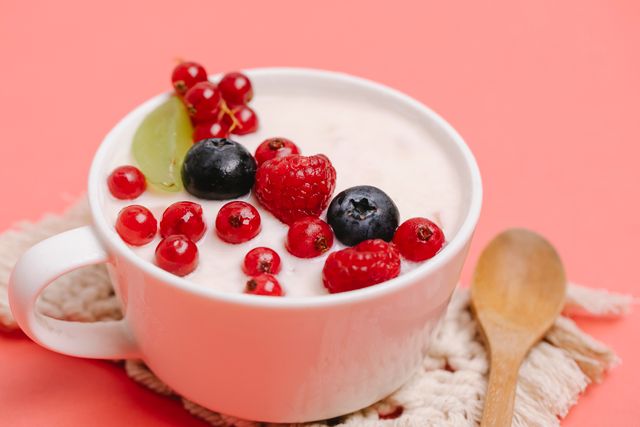
A probiotic is a live micro-organism, usually a bacterium or a yeast, taken in the hope that it will benefit your health. The most familiar examples are the live cultures in yoghurt and the bacteria in probiotic capsules sold in pharmacies and health food shops. The idea behind them is simple: your gut is home to trillions of microbes, and adding some helpful ones may support the balance of that community.
But the reality is more complicated: not every probiotic does the same thing, evidence is strong for some uses and weak for others, and a product that helps one person may do nothing for another. This guide explains what probiotics are, how they work, which strains have real evidence behind them, and whether food or a supplement suits youbetter.
What Is A Probiotic?
The widely used definition, adopted by the World Gastroenterology Organisation, describes probiotics as live micro-organisms that, when given in adequate amounts, confer a health benefit on the host. Three parts of that definition matter. The organisms must be alive when you take them, they must be given in a large enough amount, and the benefit must be real rather than just claimed on a label.
Your gut microbiome is the community of bacteria, yeasts and other microbes living mainly in your large intestine. It helps digest food, makes some vitamins and trains your immune system. Its balance can be disturbed by illness, antibiotics and diet changes.
It helps to know the difference between probiotics, prebiotics and fermented foods. Probiotics are the live microbes themselves. Prebiotics are types of fibre, found in foods such as onions, garlic, bananas and oats, that feed the helpful bacteria already living in your gut. Fermented foods, such as yoghurt, kefir, sauerkraut and kimchi, are foods transformed by microbes during production. Some contain live microbes, but not all do: sourdough is fermented, yet baking kills the microbes.
How Probiotics Work
Probiotics do not simply move in and set up home in your gut permanently. Most strains pass through over days or weeks, and their effects happen while they are passing through. Scientists describe several ways they may help, and different strains work in different ways.
One way is competition. Helpful bacteria can crowd out less friendly microbes by competing for space and nutrients on the gut lining, and some produce substances that make life harder for harmful bacteria. Another is strengthening the gut barrier, the lining that separates the contents of the gut from the rest of the body. Some strains appear to support the tight junctions that hold its cells together.
A third route is the immune system: much of the body’s immune tissue sits around the gut, and certain strains can influence how it responds, which is why probiotics are studied for infections and allergy-type conditions, though results are far from settled.
The Main Probiotic Strains And What They Do
The key point is that benefits are strain-specific: evidence for one strain does not transfer to another, even from the same species. A label should name the full strain, such as Lactobacillus rhamnosus GG or Bifidobacterium animalis subsp. lactis BB-12. If it only says “Lactobacillus”, you cannot know what the evidence says.
Lactobacillus
Lactobacillus is the best-known group of probiotic bacteria. These bacteria produce lactic acid, which helps keep the gut slightly acidic and less welcoming to some harmful microbes. Lactobacillus acidophilus is a common gut resident found in many yoghurts. Lactobacillus rhamnosus GG, usually shortened to LGG, is one of the most studied strains in the world, with the strongest evidence for diarrhoea linked to antibiotics and some types of infectious diarrhoea.
Bifidobacterium
Bifidobacterium species are among the first bacteria to colonise the gut in infancy, and they remain important throughout life. Bifidobacterium animalis subsp. lactis BB-12 has been studied for gut regularity and immune markers, while Bifidobacterium longum and Bifidobacterium breve appear in many multi-strain products. These bacteria are especially good at fermenting fibre, and their numbers tend to fall on diets low in plant foods.
Saccharomyces Boulardii
Saccharomyces boulardii is not a bacterium at all. It is a yeast, and that difference matters in one practical way: antibiotics kill bacteria but not yeasts, so this strain can be taken alongside a course of antibiotics without being wiped out. It has some of the best evidence of any probiotic for antibiotic-associated diarrhoea, and it is often the strain pharmacists reach for in that situation.
Streptococcus Thermophilus
Streptococcus thermophilus is one of the two starter cultures used to make yoghurt, along with Lactobacillus delbrueckii subsp. bulgaricus. Despite its name, it is not related to the streptococcus bacteria that cause sore throats. In Great Britain, live yoghurt cultures hold the one authorised health claim for a live culture: they improve lactose digestion when the yoghurt contains at least 100 million live starter cells per gram.
What The Evidence Actually Says
Probiotics are unusual in that they are both very popular and honestly uncertain. The NHS puts it plainly: there is some evidence that probiotics may help in certain situations, but there is little evidence to support many of the health claims made about them, and no evidence that they help treat eczema. Probiotics are classed as food, not medicine, in the UK, so they skip the rigorous testing medicines face. Here is where the evidence stands for the most common uses.
Irritable Bowel Syndrome
Some people with irritable bowel syndrome (IBS) find that certain probiotics ease bloating and abdominal discomfort. The evidence is mixed and strain-specific, with strains such as Bifidobacterium infantis 35624 showing the most promise in trials. Because IBS varies so much from person to person, most guidelines suggest trying one product for around four weeks and judging the result for yourself.
Diarrhoea Linked To Antibiotics
This is the area with the strongest evidence. A Cochrane review of 31 randomised trials found that probiotics reduce the risk of diarrhoea during and after a course of antibiotics, with Lactobacillus rhamnosus GG and Saccharomyces boulardii having the best support. The NHS notes that some people choose a probiotic during an antibiotic course, though the evidence is still developing; ask your pharmacist which strain and dose they would suggest.
Colds And Immune Health
Some trials found that certain strains slightly reduce the number or length of respiratory infections, but results vary. No probiotic has been shown to prevent colds outright, and claims about “boosting immunity” should be treated with caution. Sleep, a varied diet and activity remain the strongest everyday support for immunity.
more on looking after your gut day to day
Probiotic Foods: Eating Your Way To Live Cultures
For most people, food is the simplest and most enjoyable way to take in live cultures. Fermented foods that still contain live microbes include live yoghurt, kefir, unpasteurised sauerkraut, kimchi, kombucha that has not been heat-treated, miso and some traditionally made cheeses. Look for the words “live cultures” on the label, and check the fridge rather than the shelf: live cultures usually need to be kept cold.
Live yoghurt is the easiest starting point: plain yoghurt with live cultures gives you the two starter species, with less sugar than flavoured kinds. Kefir contains a wider mix of bacteria and yeasts. Sauerkraut and kimchi add crunch to meals, but buy the unpasteurised kind from the fridge, since shelf-stable jars have usually been heat-treated.
Fermented foods are not the whole story: the bacteria already in your gut need feeding with prebiotic fibre from onions, garlic, leeks, asparagus, bananas, oats, beans and lentils. A diet rich in varied plant foods, with some fermented foods alongside, does more for your gut than any single product.
Probiotic Supplements: How To Choose One
Supplements make sense when you want a specific strain at a known dose, for example during antibiotics. Read the label properly and check a few things.
- Name the strain: the label should give the genus, species and strain code, such as Lactobacillus rhamnosus GG. A vague “probiotic blend” tells you very little.
- Count the dose: doses are measured in colony-forming units, or CFU. Most studied products provide between 1 and 10 billion CFU a day. More is not automatically better.
- Check the evidence: look for trials of the named strain for the reason you are taking it, rather than trusting a general claim.
- Mind the storage: some products need refrigeration and others are shelf-stable. Follow the instructions, and check the expiry date, since live counts fall over time.
- Buy from a reputable source: in the UK, probiotics are regulated as food supplements, not medicines, so buy from a pharmacy or a well-known brand.
Prices vary widely, and expensive is not automatically better: a modest product with a named, studied strain beats a premium bottle with a vague blend. Give a supplement around four weeks for a specific problem, and keep a simple note of symptoms so you can judge whether it helps.
simple daily habits that support your wellbeing
Who Should Be Careful With Probiotics
For most healthy adults, probiotics are considered safe, and side effects are usually mild and short-lived, such as bloating or wind in the first few days. There are, however, people who should be cautious. The NHS advises that people who are seriously ill, have a weakened immune system, or have a central line should speak to a doctor before taking probiotics, because there is a small risk of infection from the live organisms themselves.
The same caution applies in pregnancy, while breastfeeding, and for people on medicines that suppress the immune system. Children can take specific strains, but let a pharmacist or GP choose. If unsure, ask a pharmacist first: they can check interactions with your medicines and whether a strain suits you.
This article is for general information only and is not medical advice. If you have a diagnosed gut condition, such as inflammatory bowel disease, or an ongoing health problem, speak to your GP or a dietitian before starting a supplement. You can read the NHS overview of probiotics for a plain-English summary of the current evidence.
Frequently Asked Questions
How Long Does It Take For A Probiotic To Work?
For antibiotic-associated diarrhoea, take it during the antibiotic course. For IBS, trials usually run for four weeks or more, so allow at least a month of daily use before judging. If nothing changes, the product is probably not helping you.
Is It Better To Get Probiotics From Food Or Supplements?
Food is the better everyday route: fermented foods bring nutrients, fibre and variety, and are enjoyable to eat. Supplements are better when you want a specific strain at a measured dose for a particular purpose, such as during antibiotics. The two are not in competition, and many people use both.
Can You Take Probiotics Every Day?
Most healthy adults can take one daily, from food or a supplement. Daily use looks safe in healthy people, but there is no evidence everyone needs one: if your diet already includes live yoghurt, kefir and plenty of fibre, a supplement may add very little.
Do Probiotics Need To Be Kept In The Fridge?
Live yoghurt and kefir always need refrigeration. Capsules vary: some are freeze-dried and shelf-stable, others must be kept cold to keep the bacteria alive. Always follow the label’s storage instructions.
Conclusion
A probiotic is a live micro-organism taken in the hope of a health benefit, and the idea is sound: the gut microbiome matters, and live cultures can influence it. Evidence is strongest for diarrhoea linked to antibiotics, reasonable for some IBS symptoms, and much weaker for the other claims on shop shelves. Be specific: choose a named strain with evidence for your reason, or simply eat more fermented foods and fibre. No probiotic makes up for a poor diet, too little sleep or a sedentary life.
Leave a Reply