
When people talk about a healthy gut, they often mean a digestive system that works well. Food is digested comfortably, trips to the toilet are regular, and there is little bloating or discomfort. But a healthy gut is about more than just digestion. It is also about the trillions of microbes that live in your gut, and how they affect your whole body.
This guide explains what a healthy gut is, the signs to look for, and the everyday habits that can help. You do not need expensive supplements or a special diet. Small, simple changes to what you eat and how you live can make a real difference.
What Is A Healthy Gut?
A healthy gut is one where the digestive system works well, and the gut microbiome is balanced. The gut microbiome is the community of bacteria, fungi, and other microbes that live in your gut. They help you digest food, make vitamins, and support your immune system.
When your gut is healthy, you feel comfortable after eating, you have regular bowel movements, and you have good energy levels. You are also less likely to get ill, because a healthy gut supports your immune system.
What Does The Gut Microbiome Do?
The gut microbiome does a lot of important jobs. It helps you digest fibre, which your body cannot digest on its own. It makes vitamins, like vitamin K and some B vitamins. It also helps to train your immune system, and it can affect your mood through the gut-brain axis.
The gut-brain axis is the connection between your gut and your brain. Your gut and your brain communicate through nerves, hormones, and the microbes in your gut. This is why stress can affect your digestion, and why your digestion can affect your mood.
Signs Of A Healthy Gut
How do you know if your gut is healthy? Here are some signs to look for.
You have regular bowel movements, usually once a day or a few times a week. Your stools are soft and easy to pass. You feel comfortable after eating, with little or no bloating, gas, or stomach pain. You have good energy levels, and you sleep well. You rarely get ill, and when you do, you recover quickly.
Signs Your Gut May Be Struggling
If your gut is struggling, you might notice bloating, gas, stomach pain, or irregular bowel movements. You might feel tired, or have trouble sleeping. You might also notice skin problems, like eczema or acne, or frequent colds and infections.
These signs do not always mean you have a gut problem. They can be caused by many things, including stress, lack of sleep, or a poor diet. But if you notice them often, it is worth paying attention to your gut health.
What Shapes Your Gut Health?
Food And Fibre
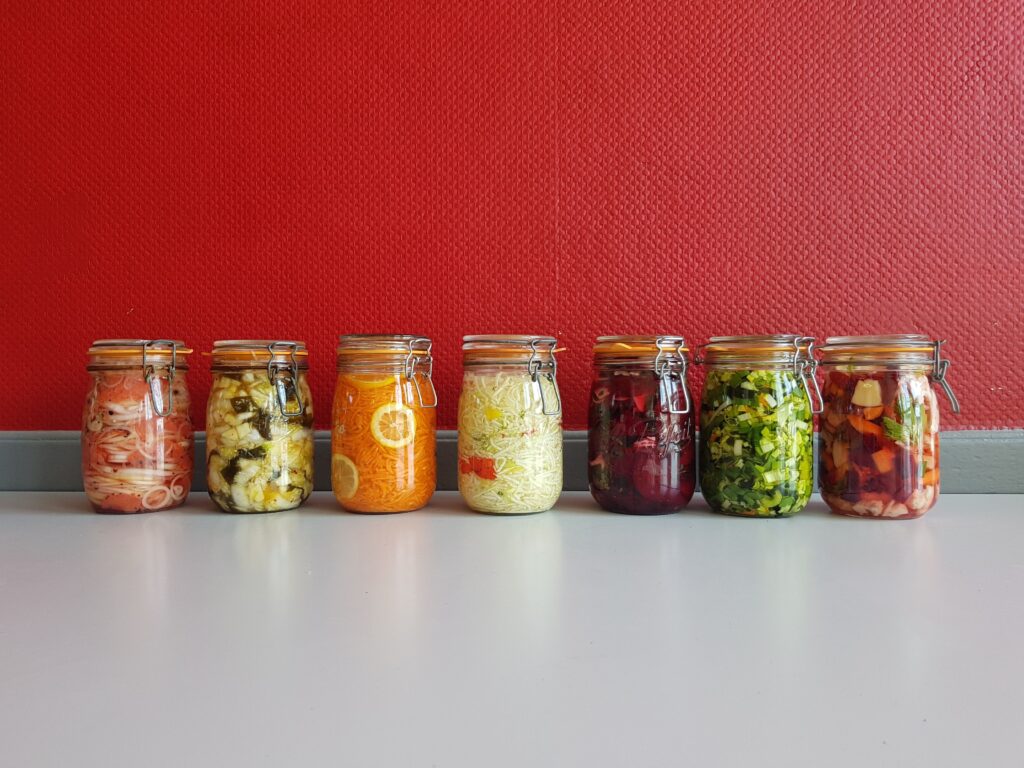
Food is the biggest influence on your gut health. A diet rich in fibre, fruit, vegetables, and wholegrains feeds the good bacteria in your gut. Fermented foods, like live yoghurt, kefir, and sauerkraut, can also help.
The NHS has a helpful page on fibre and digestion if you want to read more.
Sleep, Stress And Movement
Sleep, stress, and movement all affect your gut. Poor sleep can upset your gut microbiome, while stress can cause stomach pain and bloating. Regular movement, like walking, can help your digestion and reduce stress.
Harvard Health has a clear guide to the gut-brain connection if you want to learn more.
Everyday Habits For A Healthy Gut
You do not need to change your whole diet to improve your gut health. Small, everyday habits can make a big difference. Here are some simple ideas you can try.
- Eat a variety of plant foods. Aim for 30 different plants a week, including fruit, vegetables, wholegrains, beans, nuts, and seeds.
- Include fermented foods, like live yoghurt, kefir, or sauerkraut.
- Drink plenty of water, and limit alcohol and sugary drinks.
- Move your body every day. A 30-minute walk is a good start.
- Sleep well, and try to manage stress with relaxation or mindfulness.
Probiotics: Do They Help?
Probiotics are live bacteria that are found in some foods and supplements. They are often marketed as a way to improve gut health, but the evidence is mixed. Some people find them helpful, while others do not notice a difference.
If you want to try probiotics, start with food, like live yoghurt or kefir. Supplements can be expensive, and they are not always necessary. If you have a health condition, speak to your GP before taking a probiotic supplement.
When To Speak To Your GP
Most gut symptoms are mild and pass quickly. But if you have ongoing symptoms, like blood in your stool, unexplained weight loss, or severe stomach pain, speak to your GP. They can check for any underlying problems and offer advice.
Do not ignore symptoms that worry you. It is always better to get checked, even if it turns out to be nothing serious.
Frequently Asked Questions
How Do I Know If My Gut Is Healthy?
A healthy gut usually means regular bowel movements, little bloating or discomfort, good energy levels, and good sleep. If you feel comfortable after eating and rarely get ill, your gut is probably in good shape.
What Foods Are Good For Gut Health?
Foods that are good for gut health include fruit, vegetables, wholegrains, beans, nuts, seeds, and fermented foods like live yoghurt and kefir. Aim for a variety of plant foods, and drink plenty of water.
Can Stress Affect My Gut?
Yes. Stress can affect your gut through the gut-brain axis. It can cause stomach pain, bloating, and changes in bowel habits. Managing stress with relaxation, exercise, and good sleep can help your gut.
How Long Does It Take To Improve Gut Health?
It can take a few weeks to notice a difference, but small changes can help quickly. Eating more fibre, drinking more water, and moving more can improve your digestion within days.
what vitamins do for your health
Conclusion
A healthy gut is about more than just digestion. It is about the balance of microbes in your gut, and how they affect your whole body. By eating a varied diet, moving regularly, sleeping well, and managing stress, you can support your gut health and feel better overall.
Please note: this article shares general health information only. It is not medical advice. If you have ongoing digestive symptoms, speak to your GP or a healthcare professional.
Leave a Reply