
If you often feel heavy, bloated or sluggish after eating, the question of how to speed up digestion is a sensible one to ask. Digestion is the process by which your body breaks food down, absorbs nutrients and moves what is left through the bowel. It is not a single event with a fixed timer. Food usually spends a few hours in the stomach and small intestine, and the remaining waste can take a day or two longer to pass through the colon. What you can do is support the normal process with steady, everyday habits. The NHS advice on digestive health points to the same foundations again and again: enough fibre, enough fluid, regular movement, and eating in a calm, unhurried way.
What Digestion Is And Why It Varies
Digestion begins before you swallow. Chewing breaks food into smaller pieces, saliva starts to break down starch, and the stomach then mixes food with acid and enzymes until it becomes a thick liquid. From there it moves into the small intestine, where most nutrients are absorbed, and then into the large intestine, where water is reclaimed and gut bacteria ferment the fibre your own enzymes could not break down. The whole journey from mouth to toilet commonly takes around 24 to 72 hours in healthy adults. The exact time varies with the meal, your fibre and fluid intake, how active you are, your age and your general health. A useful goal is not to chase a faster clock, but to aim for comfortable, regular bowel habits and meals that leave you feeling satisfied rather than weighed down.
Eat Slowly And Chew Well
Chewing is the part of digestion you can control most easily, and it is often the part people rush. When you chew well, food arrives in the stomach in smaller pieces, which gives stomach acid and enzymes more surface to work on. NHS guidance for digestive problems, including irritable bowel syndrome, advises sitting down to eat, relaxing while you eat, and chewing food well. Try putting your fork down between mouthfuls and giving yourself at least 20 minutes for a main meal when you can. Eating quickly is often linked with swallowing extra air, which can add to bloating, and large meals eaten in a hurry can leave you feeling overfull, because the signals that tell your brain you have had enough take time to register. Food should feel well broken down before you swallow.
Build Up Fibre Gradually
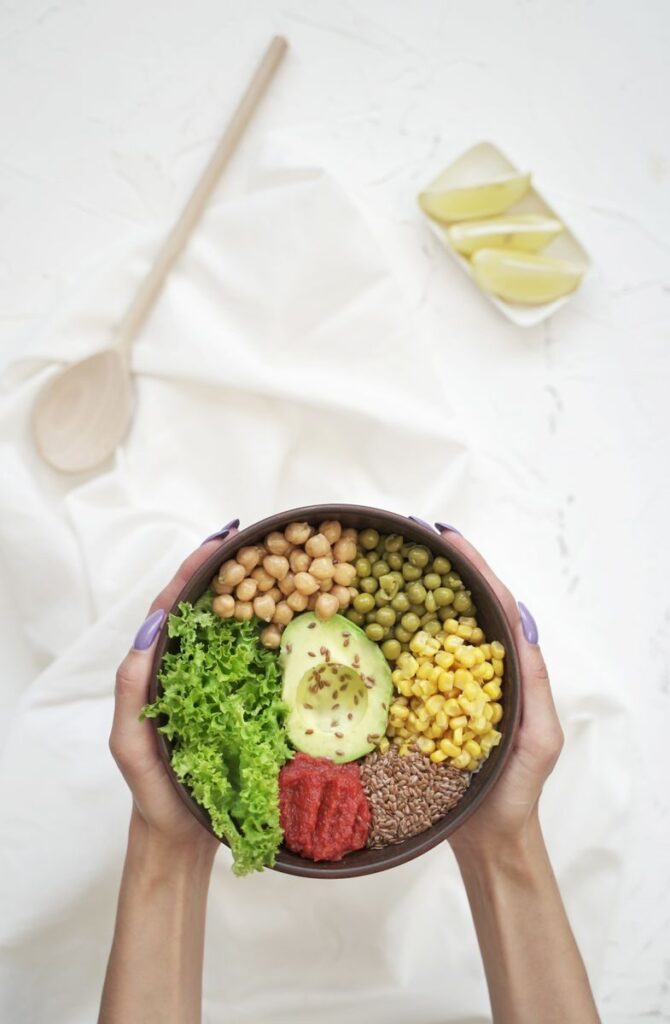
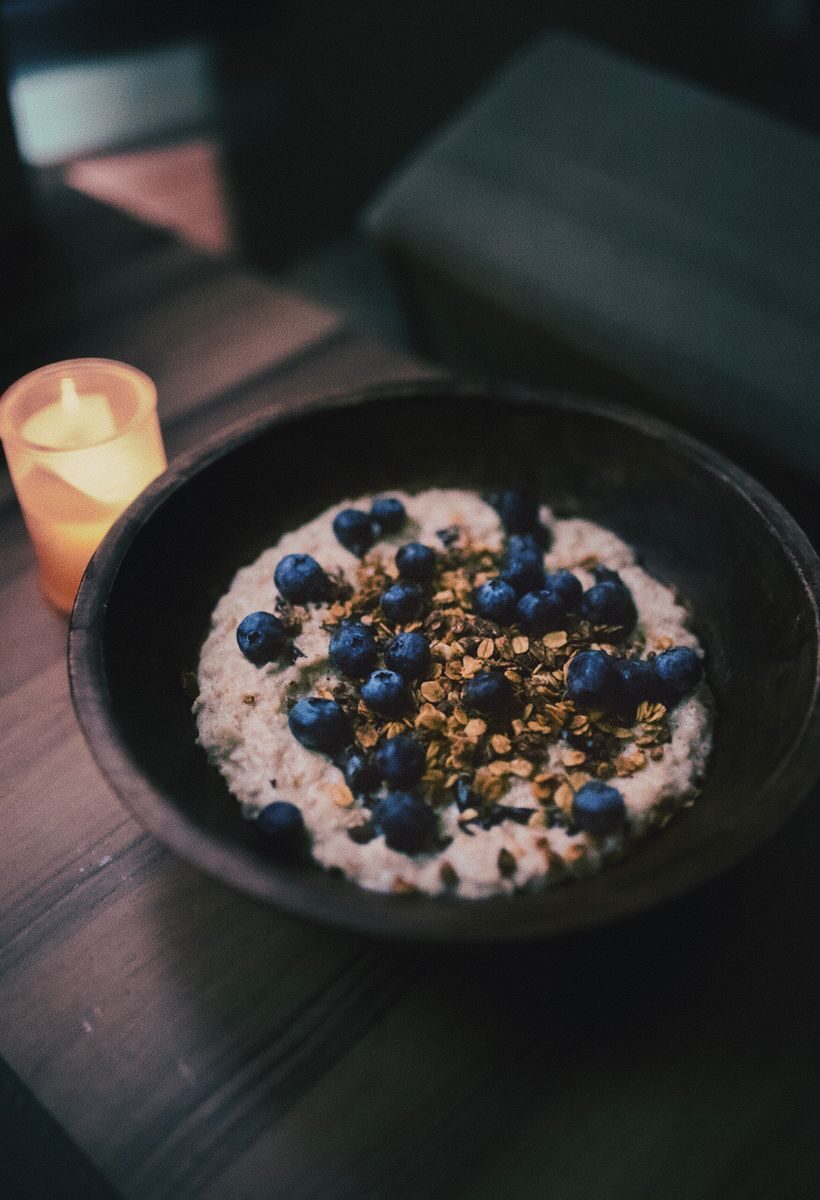
Fibre is the part of plant foods that your small intestine does not digest. It travels on to the large intestine, where it adds bulk, helps stools stay soft and easy to pass, and is fermented by gut bacteria. The British Dietetic Association describes fibre as essential for the gut to work normally, and the NHS recommends that adults aim for around 30g of fibre a day. Most adults in the UK eat far less, with average intake often quoted at around 18g a day, so there is usually room to improve. Good sources include wholemeal bread, brown rice, wholewheat pasta, oats, beans, lentils, chickpeas, fruit and vegetables. The NHS guide to good foods to help your digestion lists these same foods and explains why variety matters. Add fibre gradually: a sudden large increase can cause wind and bloating. Start with one change, such as swapping white bread for wholemeal or choosing porridge for breakfast, then add another after a few days. See our guide to whole grain foods.
Drink Enough Fluid Every Day
Fibre cannot do its job without fluid. The NHS explains that fibre acts like a sponge, absorbing water as it passes through the gut, and without enough fluid it cannot work properly and may make constipation worse rather than better. The general guidance for adults in the UK is to aim for six to eight glasses of fluid a day, which is around 1.2 to 2 litres, although your needs will vary with the weather, how active you are, and what you eat. Water is the best choice, and milk, unsweetened tea and other drinks without added sugar can count towards your total. A practical habit is to keep a glass or bottle of water nearby and to drink a glass with each meal. If you are increasing your fibre intake, it is especially important to increase your fluid intake at the same time.

Move More, Including After Meals
Regular physical activity helps food move through your digestive system. The NHS recommends that adults aged 19 to 64 do at least 150 minutes of moderate-intensity activity a week, such as brisk walking, cycling or swimming, or 75 minutes of vigorous activity, plus strength exercises on at least two days a week. Movement stimulates the muscles of the bowel, and sitting still for long periods can be linked with sluggish bowels. A gentle walk after a meal is one of the simplest habits in this article, and many people find it helps them feel less heavy after eating. A 10 to 15 minute walk at a comfortable pace is enough. It is simply a way to keep your body moving while your stomach is working.

Eat Regular Meals And Watch Portion Size
Your digestive system works best with a regular rhythm. NHS advice for bowel problems often suggests eating at regular times each day and not skipping meals. A regular pattern helps your bowel settle into a routine, and it can reduce the urge to snack on foods high in fat or sugar when you become very hungry. Very large meals can be harder to digest and can leave you feeling overfull, while smaller, more frequent meals suit some people better, particularly if they often feel bloated. The NHS advice on bloating suggests eating smaller, more frequent meals instead of large meals, and avoiding large amounts of processed, sugary, spicy or fatty foods. Try three regular meals at roughly the same times each day, with a planned snack if you need one. If you often feel hungry soon after eating, it may help to look at what your meals contain, not just how often you eat. See our guide on why you feel hungry all the time.
Choose Foods That Are Kinder To Digestion
Fatty foods are generally harder to digest and can cause abdominal pain and heartburn for some people, according to NHS digestive health guidance. That does not mean you must avoid all fat, which your body needs, but cooking methods matter. Grilling rather than frying, choosing lean meat and fish, and using skimmed or semi-skimmed milk are simple swaps the NHS suggests. Highly processed foods, large amounts of sugar and very spicy meals can also cause discomfort for some people, although triggers vary widely. Rather than cutting out whole food groups without advice, keep a short food and symptom diary for a week or two to spot patterns. If you think a particular food is causing problems, speak to your GP or a registered dietitian before removing it long term.
Look At Meal Timing And Late-Night Eating
When you eat can matter as much as what you eat. NHS guidance for irritable bowel syndrome advises against eating late at night, and eating a large meal close to bedtime can leave you feeling full and uncomfortable when you are trying to sleep. Lying down soon after a large meal can also make heartburn more likely for some people. A practical approach is to leave a gap of two to three hours between your last substantial meal and bedtime when you can, and to keep a late evening snack light if you need one, such as a small bowl of yoghurt or a piece of fruit. See our advice on eating before bed.
Frequently Asked Questions
How Long Does Digestion Normally Take?
There is no single normal time. Food usually starts to leave the stomach within a few hours of eating, and the full journey from mouth to toilet commonly takes around 24 to 72 hours in healthy adults.
Can Drinking Water Speed Up Digestion?
Water does not act like a timer, but it is essential for normal digestion. Fibre needs water to soften stools and help them move through the bowel, and without enough fluid, a high-fibre diet can make constipation worse.
Does Exercise Really Help Digestion?
Yes, regular movement is one of the best-supported habits for digestive health. The NHS recommends at least 150 minutes of moderate activity a week for adults, and even a short daily walk can help stimulate the bowel.
What Foods Help Digestion Most?
Foods rich in fibre are the best place to start: oats, wholemeal bread, brown rice, beans, lentils, fruit and vegetables. The NHS recommends aiming for 30g of fibre a day from a variety of sources.
When Should I See A GP About Digestion?
Speak to your GP if symptoms are persistent, severe or worrying, or if you notice a lasting change in your bowel habits, unexplained weight loss, blood in your stools, ongoing stomach pain, or difficulty swallowing. You can find more advice from the NHS bloating guide.
Conclusion
Learning how to speed up digestion is less about finding a quick fix and more about giving your digestive system the conditions it needs to work well. Eat slowly and chew your food properly, build up fibre gradually towards 30g a day, drink six to eight glasses of fluid, move regularly, eat at regular times, and leave a gap between your last meal and bedtime. These are not dramatic changes, and they will not transform your digestion overnight, but together they are the habits that NHS and British Dietetic Association guidance supports most strongly. If symptoms persist or worry you, speak to your GP or a registered dietitian for advice that is tailored to you.
Please note: This article is for general information only and is not medical advice. It is not a substitute for advice from a doctor, dietitian or other qualified healthcare professional. If you have persistent, severe or worrying digestive symptoms, or a lasting change in your bowel habits, please speak to your GP or another healthcare professional.
Leave a Reply