
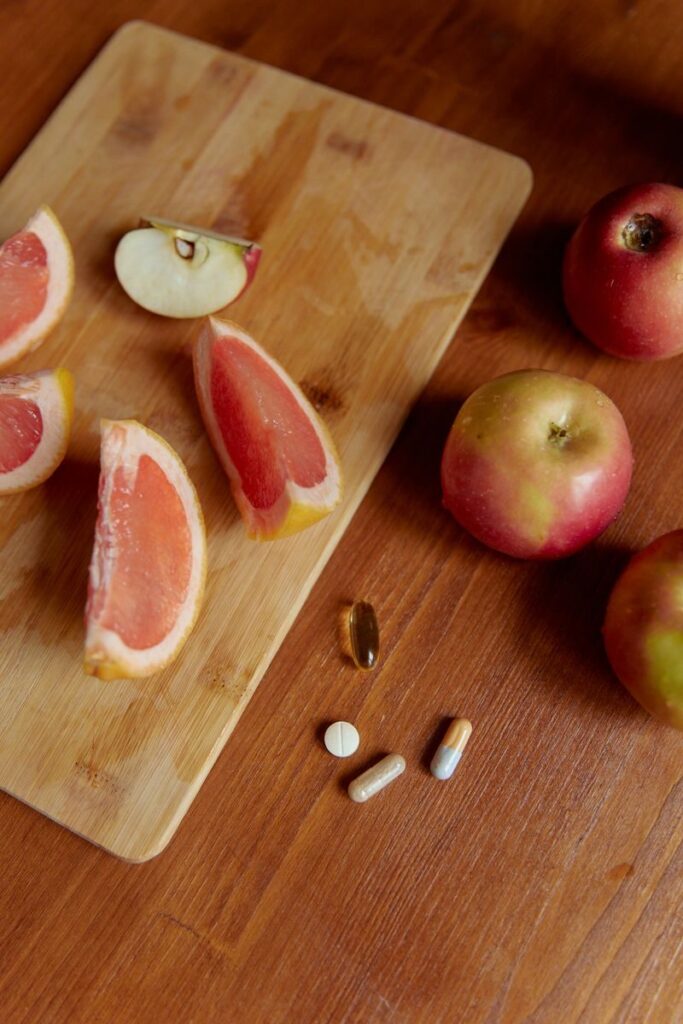
Vitamins are small but powerful substances your body needs to work properly. You only need them in tiny amounts, yet without them, everyday jobs such as turning food into energy, healing a cut and keeping your bones strong would not happen as they should. Most people in the UK can get all the vitamins they need from a varied diet. This guide explains, in plain English, what each main vitamin does, where to find it, and when a supplement might help.
What Are Vitamins And Why Do They Matter
There are 13 vitamins your body needs, in two families. The fat-soluble vitamins — A, D, E and K — dissolve in fat and can be stored in the body, so you do not need them every day. The water-soluble vitamins — vitamin C and the eight B vitamins — dissolve in water and are not stored in large amounts, so they need topping up regularly through food and drink.
Each vitamin has its own job, and no single vitamin can do the work of another. That is why variety matters more than any one “superfood”. A plate with different colours and food groups — vegetables, fruit, wholegrains, dairy or alternatives, and protein such as meat, fish, eggs, beans or lentils — will naturally cover most of your vitamin needs. With one exception, vitamin D in the darker months, the NHS advises most people do not need supplements with a balanced diet.
Vitamin A And Healthy Eyes, Skin And Immunity
Vitamin A supports your immune system, helps you see in dim light, and keeps your skin and body linings healthy. It comes in two forms: ready-made vitamin A (retinol) in animal foods, and beta-carotene in plant foods, which your body converts into vitamin A as needed.
Where To Find Vitamin A
Retinol is found in cheese, eggs, oily fish, milk and yoghurt. Liver is very concentrated, so eat it only occasionally, and pregnant women should avoid it because too much vitamin A can harm an unborn baby. Beta-carotene comes from carrots, sweet potatoes, red peppers, mangoes and leafy greens such as spinach. The NHS recommends 700 micrograms a day for men and 600 for women, and advises adults not to exceed 1,500 micrograms a day in total.
The B Vitamins And Turning Food Into Energy
The B vitamins are a group of eight that work together, and their best-known shared job is helping your body release energy from food. They also support your nervous system, your skin and the production of red blood cells. As they are water-soluble, your body does not store most of them for long, so regular intake matters.
Vitamin B1, B2 And B3
Vitamin B1 (thiamin) releases energy from food and supports the nervous system — find it in peas, bananas, oranges, nuts, wholegrain bread and fortified cereals. Vitamin B2 (riboflavin) supports healthy skin and eyes plus energy release, and is found in milk, eggs, fortified cereals, mushrooms and yoghurt. Vitamin B3 (niacin) does similar work and comes from meat, fish, wheat flour and eggs.
Vitamin B5 And Biotin
Vitamin B5 (pantothenic acid) helps release energy from food and is found in chicken, beef, eggs, mushrooms and avocado, while biotin (vitamin B7) helps process carbohydrates and fatty acids and is found in eggs, milk, fish, sweet potatoes, seeds and nuts. A shortage of biotin is extremely rare.
Vitamin B6, Folate And B12
Vitamin B6 (pyridoxine) helps your body use and store energy from protein and carbohydrate, and helps form haemoglobin, which carries oxygen in red blood cells; find it in pork, poultry, fish, peanuts, soya beans, oats, bananas and milk. Folate (vitamin B9) helps form healthy red blood cells and, in early pregnancy, lowers the risk of neural tube defects; good sources are broccoli, brussels sprouts, leafy greens, peas, chickpeas and kidney beans. Vitamin B12 makes red blood cells and keeps the nervous system working; it is found almost only in animal foods — meat, fish, eggs and dairy — or fortified foods, so people eating little or no animal products need to plan carefully.
Vitamin C And Skin, Healing And Iron Absorption
Vitamin C (ascorbic acid) protects your cells, keeps your skin, blood vessels, bones and cartilage healthy, and helps wounds heal. It also helps your body absorb iron from plant foods, so pair beans or leafy greens with something rich in vitamin C, like peppers or citrus fruit.
Where To Find Vitamin C
Citrus fruits such as oranges and grapefruit are famous sources, but peppers, strawberries, blackcurrants, broccoli, kiwi fruit and potatoes are rich in vitamin C too. Adults aged 19 to 64 need about 40 milligrams a day, according to the NHS. As vitamin C is easily lost in cooking water and heat, steaming vegetables or eating some fruit raw keeps more of it. A severe lack causes scurvy, now rare in the UK.

Vitamin D And Bone Health
Vitamin D helps control calcium and phosphate in your body, keeping your bones, teeth and muscles healthy. Without enough, children can develop rickets and adults a painful bone condition called osteomalacia. It is the one vitamin many people in the UK struggle to get enough of, because our main source is not food — it is sunlight on the skin.
Sunlight, Food And Supplements
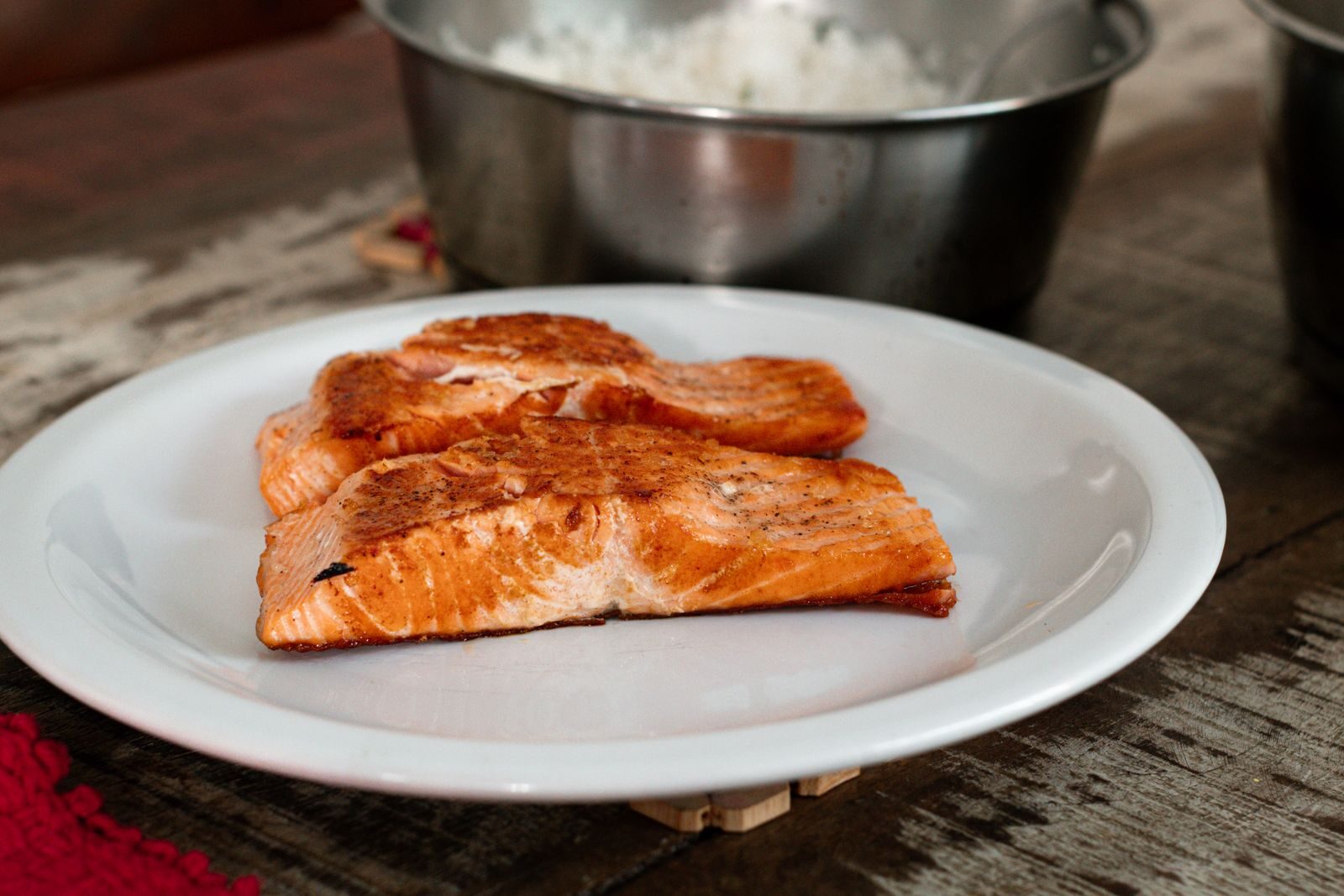
From late March to the end of September, most people in the UK can make all the vitamin D they need from sunlight. Between October and early March, the sun is not strong enough, and food alone rarely provides enough. Oily fish, red meat, egg yolks and fortified foods contain some vitamin D, but in modest amounts. That is why government advice is that everyone should consider a daily 10-microgram vitamin D supplement in autumn and winter. People who are rarely outdoors, usually cover most of their skin outside, or have dark skin are advised to take one all year round. Adults should not exceed 100 micrograms a day, as too much can be harmful. For more on keeping bones strong, see our guide to vitamins for bones. The NHS vitamin D guidance explains the seasonal advice in full.
Vitamin E And Protecting Your Cells
Vitamin E helps keep your skin and eyes healthy and supports your immune system. As an antioxidant, it protects the fats in your cells and blood from damage by unstable molecules called free radicals. Good sources are plant oils such as sunflower and olive oil, nuts and seeds, wheatgerm and green vegetables. The NHS recommends about 4 milligrams a day for men and 3 for women aged 19 to 64. A shortage is uncommon, and high-dose supplements are not a shortcut to better health.
Vitamin K And Blood Clotting
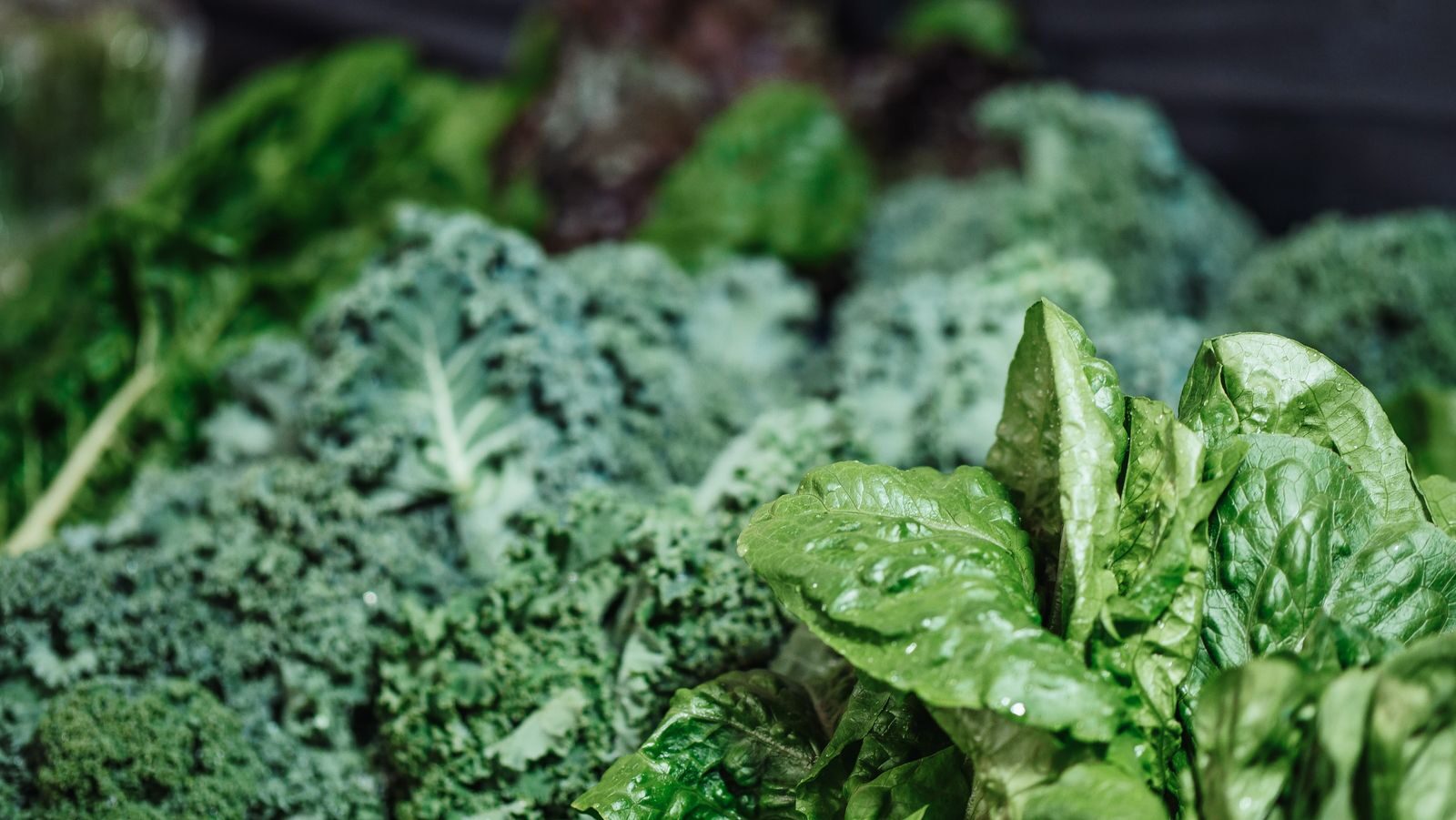
Vitamin K is best known for helping your blood clot — how your body stops bleeding and heals wounds — and it also helps keep bones healthy. Your gut bacteria make some too, but food is the main source. Green leafy vegetables are richest — broccoli, spinach, kale and cabbage — with vegetable oils and cereal grains. The NHS suggests adults need about 1 microgram per kilogram of body weight a day. If you take blood-thinning medicine such as warfarin, keep your intake fairly steady and ask your GP or pharmacist before changing your diet or taking a supplement.
Do You Need A Vitamin Supplement
For most healthy adults in the UK, the answer is no — a varied diet should provide what you need. Supplements are not a substitute for good food, and they cannot make up for a poor diet. There are, however, a few well-established exceptions. Vitamin D in autumn and winter is the main one. Women planning a pregnancy or in the early weeks of pregnancy are advised to take folic acid, the supplement form of folate. Some people with restricted diets, health conditions, or medicines that affect nutrient absorption may need a supplement their doctor or dietitian recommends.
The simplest way to cover your vitamin needs is to eat a wide variety of foods: fill half your plate with vegetables and fruit, choose wholegrains, include protein at each meal, and add some dairy or a fortified alternative. A diet rich in fibre also tends to be rich in vitamins, because the same foods — vegetables, fruit, beans and wholegrains — supply both. See our guide to food rich in dietary fibre for ideas on building those foods into everyday meals. More is not always better: large doses of some vitamins, especially the fat-soluble ones such as A and D, can be harmful, so stick to recommended amounts and check the label before combining supplements.
Frequently Asked Questions
Can I Get All My Vitamins From Food Alone
For most people, yes. A varied, balanced diet provides all the vitamins most adults need. The main exception in the UK is vitamin D in autumn and winter, when sunlight is too weak for your skin to make enough. Vegans need to plan carefully for vitamin B12, found mainly in animal foods and fortified products.
What Happens If I Do Not Get Enough Vitamins
A mild shortage may cause no obvious symptoms at first, but a serious or long-lasting lack can lead to health problems — vitamin C causing scurvy, vitamin D causing rickets in children and bone pain in adults, and vitamin B12 causing anaemia and nerve problems. If you have worrying symptoms, such as ongoing tiredness or numbness, speak to your GP rather than guessing at a cause. You can also read our guide to signs your body may lack key nutrients to learn what to look out for.
Are Vitamin Supplements Safe To Take Every Day
Most standard multivitamins and single-vitamin supplements are safe at the labelled dose, but they are not risk-free. Fat-soluble vitamins such as A and D can build up in the body, and some supplements interact with medicines. Read the label, avoid doubling up on the same vitamin from different products, and ask a pharmacist or GP if you take prescription medicine, are pregnant, or have a health condition.
Do Vitamins Give You More Energy
Vitamins do not contain energy themselves — only food provides calories. B vitamins help your body release the energy already stored in the food you eat. If you are tired because your diet is low in nutrients, improving what you eat may help, but tiredness has many causes, and a vitamin pill is no cure for poor sleep, stress or an underlying health problem.
Which Vitamin Is Most Important
There is no single most important vitamin, because each one does a job the others cannot. Your body needs all 13 in the right amounts, so eat a varied diet that covers them all, and pay attention to vitamin D in the UK winter.
Please note: this article is general information only and is not medical advice. Speak to your GP, pharmacist or another healthcare professional before taking any supplement, especially if you are pregnant or breastfeeding, take prescription medicine, or are managing a health condition. If you have symptoms that concern you, seek medical advice.
Conclusion
So, what do vitamins do? In short, they keep your body working — turning food into energy, building and repairing tissues, protecting your cells, supporting your immune system, and keeping your bones, blood, skin and eyes healthy. They work as a team, so a varied diet matters more than any single food.
Eat a wide variety of foods, with plenty of vegetables, fruit, wholegrains and protein, and you will cover most of your vitamin needs. Remember the seasonal exception: in the UK, from October to early March, consider a vitamin D supplement, as the NHS advises. A balanced plate will do more for your vitamin intake than a cupboard of bottles. The NIH Office of Dietary Supplements fact sheets are a useful place to read more.
Leave a Reply