
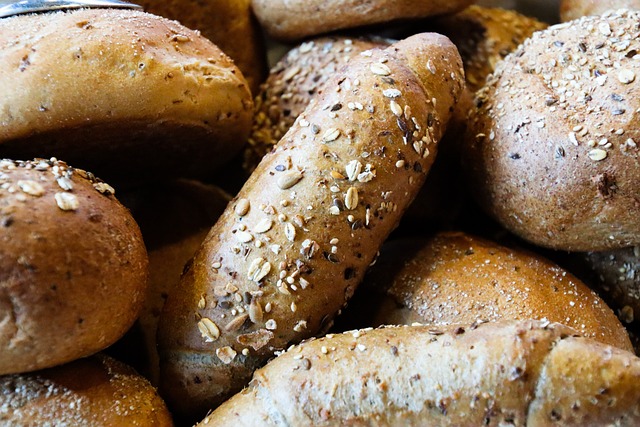
Whole grain foods appear in almost every healthy eating guide, yet many people are unsure what the term actually means. Is brown bread always wholegrain? Does multigrain mean the same thing? And are oats, rice, and pasta wholegrains, or only some of them? The answers are simpler than food packaging often makes them seem, and once you know what to look for, choosing wholegrains becomes a straightforward part of everyday shopping and cooking.
In short, a whole grain is a grain that still contains all three parts of the original seed. Refined grains have had some of those parts removed during processing. That difference matters, because much of the fibre, vitamins, and minerals in a grain sit in the parts that refining removes. This guide explains what counts as wholegrain, why it is recommended, how to spot genuine wholegrain foods on labels, and how to eat more of them without overhauling your diet.
What Exactly Is A Whole Grain
Grains are the seeds of cereal plants such as wheat, oats, barley, rye, rice, and maize. Each grain kernel has three parts. The bran is the tough, fibre-rich outer layer. The endosperm is the starchy middle part, which provides most of the energy. The germ is the small, nutrient-rich inner part that would grow into a new plant if the seed were planted.
A food counts as wholegrain when it contains all three parts in roughly the same proportions as they occur in the original grain. Wholemeal bread, brown rice, whole oats, and wholewheat pasta are common examples. The British Heart Foundation explains that wholegrains such as whole wheat, rye, rice, and oats undergo minimal processing and retain all three parts of the grain, which is what gives them their nutritional advantages over refined versions.
Refined grains, by contrast, have had the bran and germ removed, leaving mostly the starchy endosperm. White flour, white bread, white rice, and most ordinary pasta are refined. They still provide energy, but they contain less fibre and fewer vitamins and minerals than their wholegrain equivalents. Some refined products have nutrients added back during manufacturing, but this does not fully replace what was removed.
Which Foods Count As Wholegrain
Many everyday foods are wholegrain, and you may already eat several of them. Wholegrain foods include wholemeal and wholegrain breads, wholewheat pasta, brown and wild rice, oats and porridge, wholegrain breakfast cereals, bulgur wheat, quinoa, barley, rye, buckwheat, and popcorn. Oats are always wholegrain in their natural form, including rolled oats and oatmeal, although flavoured instant oat products may contain added sugar, so it is worth checking the label.
Colour alone is not a reliable guide: some brown breads are coloured with malt extract rather than made from wholemeal flour, so the ingredients list, not the colour or the packaging, tells the true story.
Why Are Wholegrains Recommended
Wholegrains are recommended as part of a balanced diet for several reasons. They are a good source of fibre, which supports digestion and helps you feel full for longer. They also provide B vitamins, vitamin E, and minerals such as iron, magnesium, selenium, and zinc, along with plant compounds that refined grains largely lack. Because they are digested more slowly than refined grains, they tend to release energy more steadily and avoid the rapid blood sugar rises that refined carbohydrates can cause.
Research has linked diets rich in wholegrains with a lower risk of heart disease, stroke, type 2 diabetes, and bowel cancer. The evidence is strongest for the overall pattern: people who regularly eat wholegrains as part of a varied, balanced diet tend to have better health outcomes than people who eat mostly refined grains. What matters is the regular habit, combined with plenty of vegetables, fruit, pulses, and other minimally processed foods.
The NHS Eatwell Guide recommends choosing wholegrain versions of starchy foods where you can, and making starchy carbohydrates about a third of what you eat. Adults in the United Kingdom are also advised to aim for 30 grams of fibre a day, and wholegrains are one of the easiest ways to move towards that target, alongside vegetables, fruit, beans, and lentils. See our guide to high fibre recipes.
How To Spot Wholegrains On Food Labels
Food labels in the United Kingdom do not use one universal wholegrain symbol, so a little label reading goes a long way. The most reliable check is the ingredients list. Look for a wholegrain as one of the first ingredients, ideally the first: words such as wholemeal, wholewheat, wholegrain, whole oats, whole rye, or brown rice are good signs. The British Heart Foundation advises checking that a wholegrain is among the first ingredients listed, and looking out for the word “whole” in forms such as wholemeal, wholegrain, or 100 per cent wholewheat.
Be cautious with certain words. “Multigrain” simply means more than one type of grain, and those grains may all be refined. “Wheat flour”, “enriched flour”, and “stoneground” do not guarantee a wholegrain product either. “Made with whole grains” can mean a product contains only a small amount of wholegrain alongside mostly refined flour. If the first ingredient is refined flour and a wholegrain appears much later in the list, the product is probably not mainly wholegrain.
The fibre content on the nutrition label can help too. A food described as high in fibre contains at least 6 grams of fibre per 100 grams, while a source of fibre contains at least 3 grams per 100 grams. Fibre alone does not prove a food is wholegrain, but a wholegrain product will usually contain noticeably more fibre than its refined equivalent.
Wholegrains And Gluten: What To Know
Many wholegrains contain gluten, including wheat, barley, and rye, so they are not suitable for people with coeliac disease. However, several wholegrains are naturally gluten-free, including oats, rice, maize, quinoa, buckwheat, millet, sorghum, teff, and amaranth. This means a gluten-free diet can still include plenty of wholegrains.
One caution applies to oats. Oats themselves do not contain gluten, but they are often grown or processed alongside wheat, barley, or rye, so they can be contaminated. People who need a gluten-free diet should choose oats labelled gluten-free.
Easy Swaps To Eat More Wholegrains
You do not need new recipes to eat more wholegrains. Simple swaps in meals you already make are usually enough, and they are easier to maintain than a sudden diet overhaul.
- Choose wholemeal or wholegrain bread instead of white bread for sandwiches and toast.
- Use wholewheat pasta, brown rice, or bulgur wheat instead of refined versions.
- Start the day with porridge, wholegrain cereal, or wholemeal toast instead of a refined cereal.
- Add oats to smoothies, yoghurt, or crumble toppings for extra fibre and texture.
- Serve soups and stews with wholemeal bread or a wholemeal pitta instead of white bread.
- Try quinoa, barley, or buckwheat as a base for salads and grain bowls.
- Snack on popcorn, oatcakes, or rye crispbreads instead of crisps or refined crackers.
Start with one or two swaps and build up gradually, especially if you are not used to high-fibre foods. A sudden large increase in fibre can cause bloating or wind for some people, so increase slowly and drink enough fluids.
Wholegrains At Each Meal Of The Day
Breakfast is often the easiest place to start. Porridge made with rolled oats, topped with fruit and seeds, is a classic wholegrain breakfast. Wholegrain cereals such as wheat biscuits or shredded wholegrain cereal, served with milk and fruit, work well on busy mornings. Wholemeal toast with eggs, beans, or peanut butter is another simple option, and overnight oats prepared the evening before can save time.
At lunch, wholemeal sandwiches, wraps, and pittas are straightforward choices, filled with salad, beans, cheese, or lean protein. Soup served with wholemeal bread is warming and filling, especially in colder months.
For dinner, brown rice suits curries and stir-fries, wholewheat pasta works with tomato, vegetable, and lentil sauces, and barley adds body to soups and stews. Quinoa pairs well with roasted vegetables and chickpeas, and it cooks quickly, in about fifteen minutes. See our guide to healthy dinner ideas.
Common Mistakes When Choosing Wholegrains
Words like “wheat”, “multigrain”, “natural”, and “artisan” sound wholesome but say nothing reliable about wholegrain content, so always turn the packet over and read the ingredients list. Another mistake is assuming all brown bread is wholemeal. Some loaves are coloured or seeded but still made mainly from white flour, so the word “wholemeal” or “wholegrain” in the ingredients is what matters.
A further mistake is choosing a wholegrain product that is very high in added sugar or salt, such as a sugary breakfast cereal or a salty cracker, and assuming it is automatically healthy. Wholegrains are one part of a food’s overall quality.
Frequently Asked Questions
Is Wholemeal Bread The Same As Wholegrain Bread
Wholemeal bread is made from wholemeal flour, which contains all parts of the wheat grain, so it is a wholegrain food. Wholegrain bread is a broader term: it may contain wholemeal flour or other whole grains, such as oats, rye, or seeds. Both count as wholegrain, but check the ingredients list to confirm that a wholegrain is the main ingredient.
How Much Wholegrain Should I Eat Each Day
There is no single official daily target for wholegrains in the United Kingdom, but guidance suggests aiming for several servings a day as part of a balanced diet. A practical approach is to choose a wholegrain version at most meals, for example oats or wholemeal toast at breakfast, wholemeal bread at lunch, and brown rice or wholewheat pasta at dinner.
Are Oats Always Wholegrain
Yes, oats in their natural form, including rolled oats, oatmeal, and oat flakes, are wholegrain. However, flavoured instant oat sachets and oat-based snacks may contain added sugar or only a small amount of oats, so check the label. People who need gluten-free oats should choose products labelled gluten-free, as ordinary oats may be contaminated with wheat, barley, or rye during production.
Can I Eat Wholegrains If I Have Diabetes
Wholegrains are often recommended as part of a balanced diet for people with diabetes, because their fibre can slow digestion and lead to steadier blood sugar levels than refined grains. However, wholegrains still contain carbohydrates and will affect blood glucose, so portion sizes matter. The NHS guide to fibre and wholegrains explains how wholegrains fit into blood sugar management. If you have diabetes, follow your own care plan and ask your doctor or dietitian for personal advice.
Conclusion
Whole grain foods are simply grains that keep all three parts of the original seed: the fibre-rich bran, the starchy endosperm, and the nutrient-packed germ. Wholemeal bread, oats, brown rice, wholewheat pasta, bulgur wheat, quinoa, and barley are all wholegrains, while white bread, white rice, and white flour are refined versions with the bran and germ removed. Choosing wholegrains more often is an easy way to increase your fibre intake and add vitamins and minerals to everyday meals, and the best way to spot them is to look for the word “whole” among the first ingredients on the label.
Start with the simplest swaps: wholemeal bread, porridge, and brown rice. Build up gradually, vary your grains across the week, and keep an eye on added sugar and salt. Small, steady changes are far more likely to last than a sudden overhaul, and they add up to a noticeably healthier pattern of eating over time.
This article is for general information only and is not medical advice. If you have a medical condition, a food allergy, or concerns about your diet, please consult a qualified healthcare professional for personal advice.
Leave a Reply