
High fibre recipes do not need to be complicated or bland. The easiest approach is to build familiar meals around wholegrains, beans, lentils, vegetables, fruit, nuts, and seeds. Porridge with fruit, a wholemeal sandwich with salad and chickpeas, or lentil soup can be filling meals that support digestion and help you feel full for longer.
Many people in the United Kingdom eat less fibre than recommended, even though fibre-rich foods are widely available. The gap is often about habit, not knowledge. By changing one part of each meal, rather than overhauling your whole diet at once, you can steadily increase your intake without feeling deprived.
What Is Fibre And Why Does It Matter
Fibre, sometimes called roughage, is the part of plant-based food that is not fully broken down during digestion. It adds bulk to stools, supports regular bowel movements, and can help prevent constipation. Fibre is found only in plant foods, including fruit, vegetables, cereals, wholegrains, beans, lentils, nuts, and seeds. Animal foods such as meat, fish, eggs, and dairy do not contain fibre.
Fibre is often described as soluble or insoluble, although many foods contain a mixture of both. Soluble fibre is found in oats, beans, lentils, fruit without skin, root vegetables, and seeds such as linseeds and chia seeds. Insoluble fibre is found in grain husks, fruit and vegetable skins, and wholegrain products. You do not need to track these types separately. Eating a variety of fibre-rich foods is more practical, and eating plenty of fibre is associated with a lower risk of heart disease, stroke, type 2 diabetes, and bowel cancer.
How Much Fibre Do You Need Each Day
Adults in the United Kingdom should aim for 30 grams of fibre a day as part of a healthy, balanced diet. Most adults eat an average of about 20 grams a day, so many people need about 10 grams more. That gap can often be closed by choosing wholemeal bread, adding beans or lentils to one meal, and including an extra portion of vegetables or fruit.
Children need less fibre than adults, but still more than they currently get on average. The NHS advises about 15 grams a day for ages two to five, about 20 grams for ages five to eleven, and about 25 grams for ages eleven to sixteen. Wholegrain versions of starchy foods, and potatoes with their skins on where possible, can help children move closer to those amounts.
Increase fibre gradually, because a sudden large increase can cause bloating or wind for some people. Drink enough fluids as well, because fibre absorbs water during digestion. People with irritable bowel syndrome may find large amounts of certain fibres worsen symptoms and may need tailored advice. The NHS guide to getting more fibre into your diet explains the recommended amounts and practical tips for increasing intake from varied sources.
Simple Swaps That Add Fibre Without Changing Your Cooking Style
You do not need new cooking skills to eat more fibre. Simple substitutions can keep a meal recognisable while improving its fibre content, and they fit into recipes you already make.
- Choose wholemeal or granary bread instead of white bread for sandwiches and toast.
- Use wholewheat pasta, brown rice, or bulgur wheat instead of refined versions.
- Keep skins on potatoes for baked or roasted potatoes, after washing them well.
- Add drained beans, chickpeas, or lentils to soups, stews, curries, and salads.
- Include an extra vegetable in sauces, stir-fries, and one-pot meals.
- Choose a higher fibre cereal, such as plain wholewheat biscuits, shredded wholegrain cereal, or porridge oats.
- Snack on fresh fruit, vegetable sticks with hummus, oatcakes, rye crackers, or unsalted nuts or seeds.
Food labels can help too. A food described as high in fibre contains at least six grams per 100 grams, while a source of fibre contains at least three grams per 100 grams. Comparing labels makes it easier to choose the higher fibre bread, cereal, or ready meal when it suits your taste and budget.
High Fibre Breakfast Recipes
Breakfast is often the easiest meal to improve, because many breakfast foods can be swapped for higher fibre versions without extra time. The goal is a meal that keeps you full until lunch.
Overnight oats suit busy mornings. Combine rolled oats with milk or a plant-based alternative, a spoonful of chia seeds or ground linseeds, and berries or chopped apple. Leave the mixture in the fridge overnight, then add extra fruit or nuts in the morning. For a warm option, porridge with sliced banana, berries, or stewed apple is equally simple and satisfying.
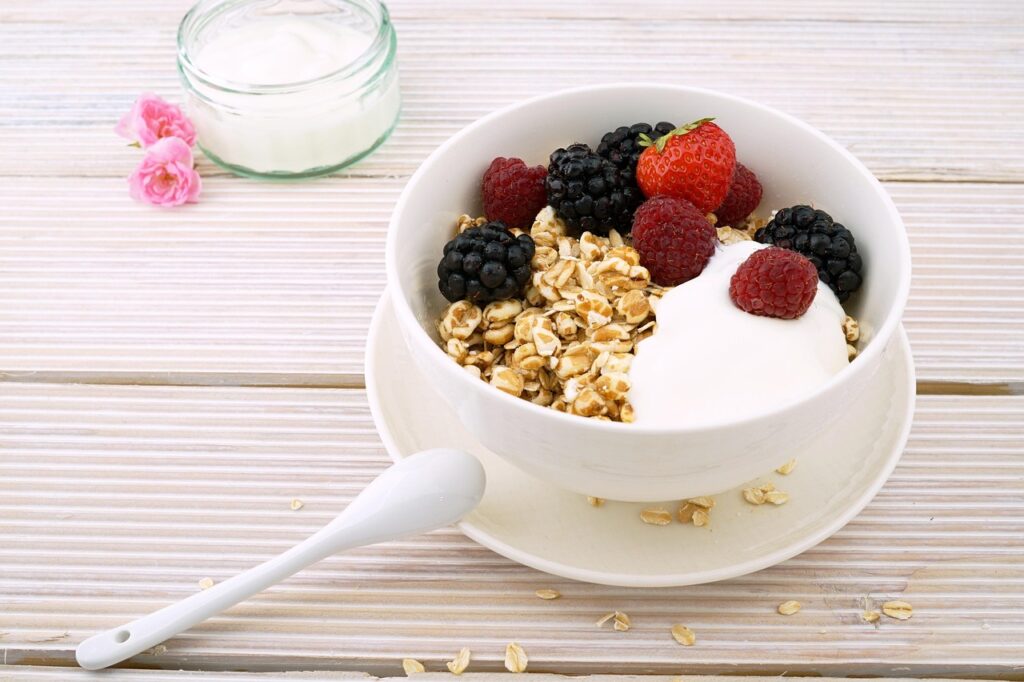
Wholemeal toast also works well with the right toppings. Two slices with peanut butter and a medium orange provide a useful amount of fibre, according to NHS example meals. Other options include toast with mashed avocado and tomato, or with baked beans. A yoghurt bowl can work too: start with plain wholegrain cereal or unsweetened muesli, add natural yoghurt, and top with berries, sliced pear, and seeds. Related reading: From Morning Routine to Night Routine: Building Better Health Habits.
High Fibre Lunch Recipes
Lunch works best when it is filling enough for the afternoon, but not so heavy that it leaves you sluggish. Beans, lentils, wholegrains, and vegetables suit this balance well, adding bulk and flavour without complicated cooking.
Lentil and tomato soup with wholemeal bread is warming, affordable, and naturally high in fibre. Cook red lentils with onion, garlic, carrots, celery, tinned tomatoes, and vegetable stock until soft. Blend part of the soup for thickness, leaving some lentils whole for texture. It also freezes well, so a larger batch can provide quick lunches later in the week.
A chickpea and vegetable salad is another flexible option. Combine drained chickpeas with cucumber, tomatoes, red onion, and sweetcorn, dressed with lemon juice and olive oil. Add spinach or rocket, and serve with wholemeal pitta or bulgur wheat. Vary it by changing herbs, adding roasted vegetables, or using kidney beans instead. A wholemeal wrap with hummus, roasted vegetables, and salad, or a skin-on jacket potato with baked beans and salad, are also straightforward choices.
High Fibre Dinner Recipes
Dinner can include several fibre-rich foods at once: a wholegrain base, a pulse, and a generous portion of vegetables. The meals below feel like normal family dinners, not special diet food.
Vegetable and bean chilli is reliable and filling. Cook onion, peppers, courgette, and sweetcorn with tinned tomatoes, kidney beans, and black beans, seasoned with cumin, paprika, and a little chilli. Serve with brown rice, natural yoghurt, and a simple salad. Leftovers can fill wholemeal wraps or jacket potatoes the next day.
Wholewheat spaghetti with lentil and tomato sauce is another comforting option. Cook brown or green lentils until tender, then add them to a sauce of onion, garlic, carrots, and tinned tomatoes. Serve over wholewheat spaghetti with fresh basil. For a lighter dinner, roast sweet potato, cauliflower, red onion, and courgette, then serve over quinoa with spinach, chickpeas, and a lemon and olive oil dressing. Related reading: Healthy Crockpot Recipes: Easy, Nutritious, and Delicious Meals.
High Fibre Snacks And Desserts
Fresh fruit is one of the simplest high fibre snacks, especially fruit eaten with the skin on, such as apples, pears, and plums. Berries pair well with a small handful of unsalted nuts or seeds for a more filling snack. Vegetable sticks with hummus, oatcakes with peanut butter, and rye crackers with cheese also combine fibre with protein or healthy fats, and tend to be more satisfying than crisps or biscuits.
For dessert, fresh fruit with natural yoghurt and a sprinkle of oats or seeds is often enough. Baked apples with oats and cinnamon, or a fruit crumble with a wholemeal oat topping, make a warmer pudding without large amounts of added sugar.
A Simple One Day High Fibre Meal Plan
This plan is an illustration, not a strict prescription, and portions can be adjusted to suit your appetite and dietary needs.
- Breakfast: Porridge with sliced banana and berries.
- Lunch: Lentil and tomato soup with wholemeal bread, plus fresh fruit.
- Snack: Vegetable sticks with hummus, or oatcakes with peanut butter.
- Dinner: Grilled chicken or a plant-based alternative with a skin-on baked potato, carrots, and green beans.
- Dessert: Natural yoghurt with berries and seeds, if desired.
This day combines wholegrains at breakfast, pulses at lunch, and vegetables with a skin-on potato at dinner, building fibre gradually across the day. The pattern matters more than any single meal: include a fibre-rich food at most meals, vary your sources, and drink enough fluids.
Tips For Increasing Fibre Comfortably
Start with one or two changes, such as switching to wholemeal bread and adding vegetables to dinner, then build over a couple of weeks. This gives your digestive system time to adjust and makes changes easier to maintain. Drink water regularly, and eat slowly.
Variety matters as much as quantity. A mixture of wholegrains, pulses, vegetables, fruit, nuts, and seeds across the week is more balanced than relying on one high fibre food at every meal, and it makes meals more enjoyable. Frozen and tinned vegetables and pulses are often cheaper, easier to keep at home, and just as useful as fresh ones. If you have a digestive condition, take medication affecting digestion, or have been advised to follow a low fibre diet, seek personal advice before increasing fibre. Related reading: Food Rich in Dietary Fibre.
Frequently Asked Questions
How Can I Add More Fibre Without Cooking From Scratch Every Day
Choose convenience foods that are already fibre-rich, such as tinned beans, frozen vegetables, wholemeal bread, and plain wholegrain cereals. Add beans to ready-made soup, serve a ready meal with extra vegetables, or top toast with hummus and salad. Small additions are often more sustainable than a completely new cooking routine.
Is Fruit Juice A Good Source Of Fibre
Whole fruit is better than fruit juice, because juicing removes much of the fibre in pulp and skin. Juice can also be high in sugars, even with no added sugar. Eating whole fruit, or fruit canned in natural juice, is generally a better choice for fibre.
Do I Need A Fibre Supplement To Reach 30 Grams A Day
Most people can reach 30 grams through food alone by choosing wholegrains, adding pulses, and eating plenty of vegetables and fruit. Supplements are not usually necessary for healthy adults and do not provide the other nutrients in whole foods. If you are considering one, discuss it with a pharmacist or healthcare professional first.
Can Eating More Fibre Cause Bloating
Some people notice bloating or wind when they increase fibre quickly. Increasing gradually, drinking enough fluids, and varying sources can reduce this effect. If bloating is persistent, severe, or accompanied by unexplained weight loss or blood in stools, seek medical advice rather than managing it through diet alone.
Conclusion
High fibre recipes are about building everyday meals around foods you probably already buy, such as oats, wholemeal bread, beans, lentils, vegetables, and fruit, and making thoughtful swaps that add up across the day. A porridge breakfast, lentil soup lunch, and bean chilli dinner can each contribute fibre while still feeling like normal, enjoyable food. Start with the easiest changes, increase gradually, drink enough fluids, and vary your sources. Over time, these habits can help you move closer to 30 grams a day and make meals more filling and satisfying.
This article is for general information only and is not medical advice. If you have a digestive condition, a medical condition, or concerns about your diet, please consult a qualified healthcare professional for personal advice.
Leave a Reply