
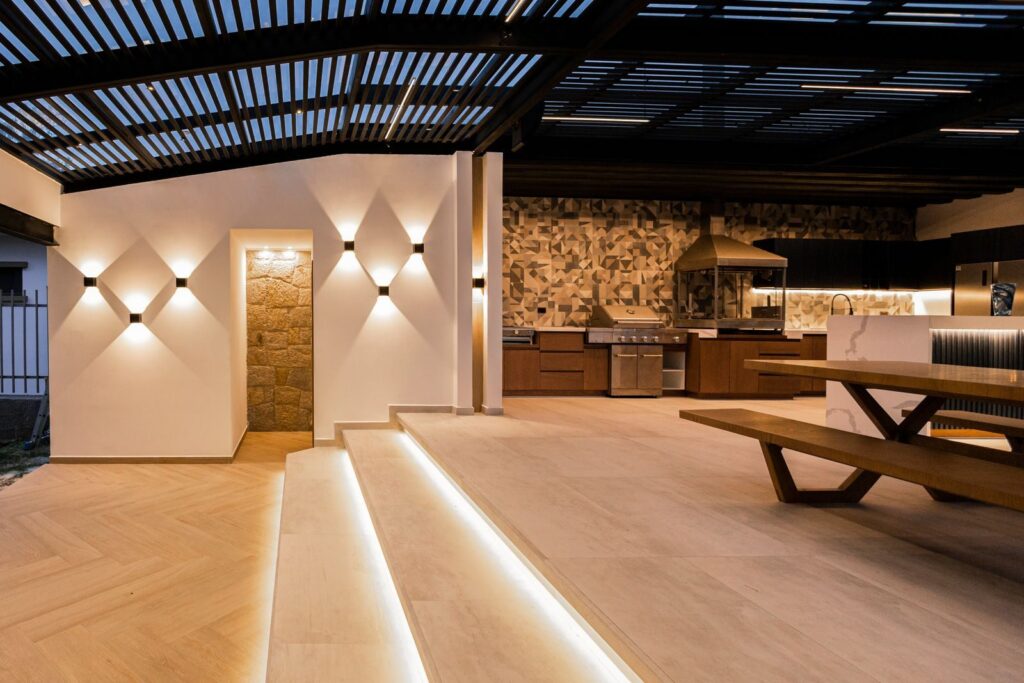
A small garden does not mean giving up on cooking outside. With the right layout, a compact outdoor kitchen can handle everything from a weeknight barbecue to a relaxed gathering of friends, even on a typical British patio. The secret is not buying more equipment. It is choosing fewer, better pieces, arranging them so the cook can work comfortably, and protecting the whole setup from the rain that is part of life in the UK. This guide covers ideas for narrow town gardens, small patios and awkward corners.
Plan Your Layout First
Before buying anything, spend time on the layout. In a small space, every centimetre matters. Measure the area, including paths and the swing of doors and gates. Then think about how you move when you cook: keep a clear route from the back door, room to open a barbecue lid, and space to carry plates.
Straight Runs And L Shapes
If your garden is long and narrow, a straight run of units along one boundary wall or fence is usually the smartest choice. It keeps the cooking zone tight and leaves the rest of the patio free for seating. Place the barbecue at one end, the preparation surface in the middle and a serving area at the other end, so everything is within a step or two. An L-shaped layout suits a corner of the patio and gives more counter space without taking over the garden. Put the cooking appliance on one arm and the preparation surface on the other, so the cook can face the seating area while working.
Choose A Cooking Setup That Fits
The cooking appliance is the heart of the kitchen, but it must earn its footprint. A large built-in barbecue looks impressive, yet it can swallow half a patio and leave no room for people.
A Quality Grill Beats A Big One
For most small gardens, one good-quality gas or charcoal grill is enough. Gas is quicker to light and easier to control, which suits weeknights. Charcoal gives a different flavour and a slower pace, which suits weekends. Either way, choose a model with a lid, because a lidded grill doubles as an oven of sorts and lets you cook in wind and light rain.
Consider A Modular Approach
Modular outdoor kitchen units suit compact spaces well. Instead of one fixed, heavy run of masonry, you buy or build individual pieces — a grill unit, a counter unit, a storage unit — that can be arranged, moved and added to over time. This suits a limited budget or a rented home where nothing permanent can be built, and it means you can start small and add the piece you actually missed after a season. For more ideas on fitting a kitchen into a compact home, see our guide to kitchen design ideas.
Pick Weatherproof Materials
British weather is the biggest test for any outdoor kitchen: rain, frost, damp and sun attack materials that would last for years indoors.
Worktops And Frames That Last
Stone, porcelain and stainless steel are the most reliable choices for outdoor worktops in the UK climate. Porcelain slabs are popular as worktops because they resist frost, do not stain easily and match patio paving. Stainless steel is practical and easy to clean, though it can look cold on its own, so pairing it with timber or stone softens the effect. Avoid untreated softwood and standard indoor laminates around the cooking area: they absorb moisture, swell and fail quickly outdoors. For the structure underneath, powder-coated metal, brick and concrete block all cope well with damp.
Storage That Stays Dry
Storage is where many small kitchens fail. Open shelves look attractive but collect rain and leaves, so choose cabinets with doors and a slight overhang on the worktop so rain drips clear of the fronts. Gas bottles need airflow, so follow the manufacturer’s instructions on vents and never seal a bottle into an airtight box.
Add Shelter Without Losing Light
Shelter decides whether a small outdoor kitchen gets used from May to September only, or from spring through to late autumn. An open grill is fine on a warm July evening, but far less appealing on a cool April afternoon or a damp October evening.
Pergolas, Canopies And Wind Screens
A simple pergola with a solid or slatted roof over the cooking area protects the cook and the food from rain while keeping the space feeling open. A retractable canopy or large cantilever parasol is a cheaper alternative that opens when needed and stores away in winter. Design the shelter at the same time as the kitchen, because roof height and rainwater run-off affect where the grill and counters can sit. Wind is often a bigger problem than rain. A slatted timber screen, a trellis with climbing plants or a low wall on the windward side cuts the chill and stops smoke blowing across the table, while still letting light through.
Storage And Prep In A Small Footprint
A small outdoor kitchen lives or dies on storage. Without storage for utensils, plates and fuel, everything gets carried in and out of the house.
Use Vertical Space And A Rolling Trolley
When floor space is short, go up. A wall-mounted rail with hooks holds tongs, spatulas and towels within reach, and a narrow shelf above the counter keeps oils, sauces and seasonings off the work surface. A sturdy rolling trolley or a small side table on castors is one of the most useful pieces in a compact outdoor kitchen. It works as extra preparation space or a drinks station, and wheels away when the evening ends.
Make It Work For Entertaining
An outdoor kitchen is also where people gather, so design it around that.
Flexible Seating And A Drinks Station
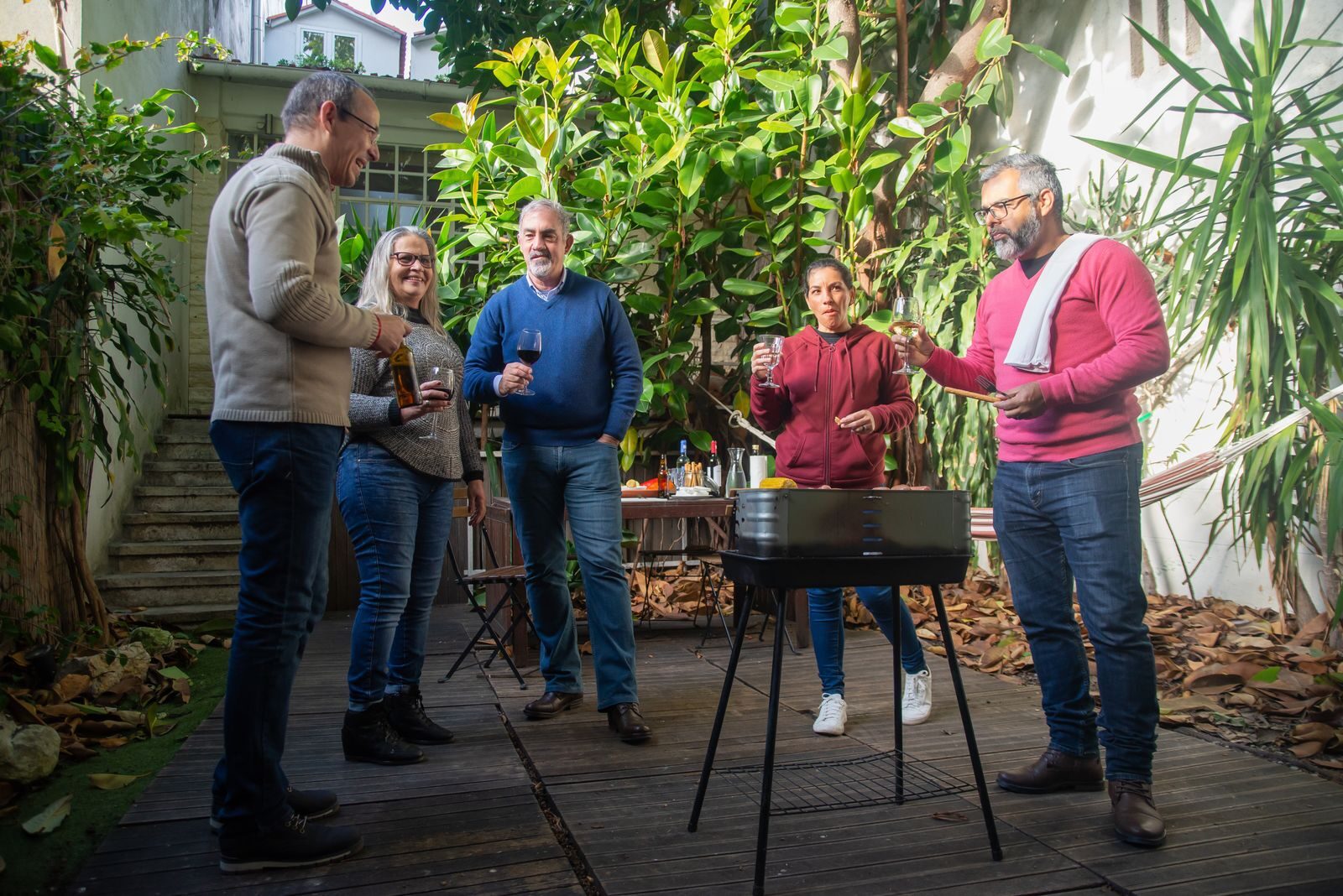
In a small garden, seating needs to be flexible. A compact table with folding chairs can be set up for dinner and folded away afterwards. Bar stools at a raised counter tuck away and let guests sit close to the action without standing in the cook’s way. Leave a clear gap of at least a metre between the cooking run and the seating, so nobody is jostled while carrying hot food. A small drinks station — a cool box, an ice bucket or a compact outdoor fridge — stops guests wandering into the house and keeps the preparation surface free for food. Our garden office ideas may inspire the wider layout.
Lighting And Power
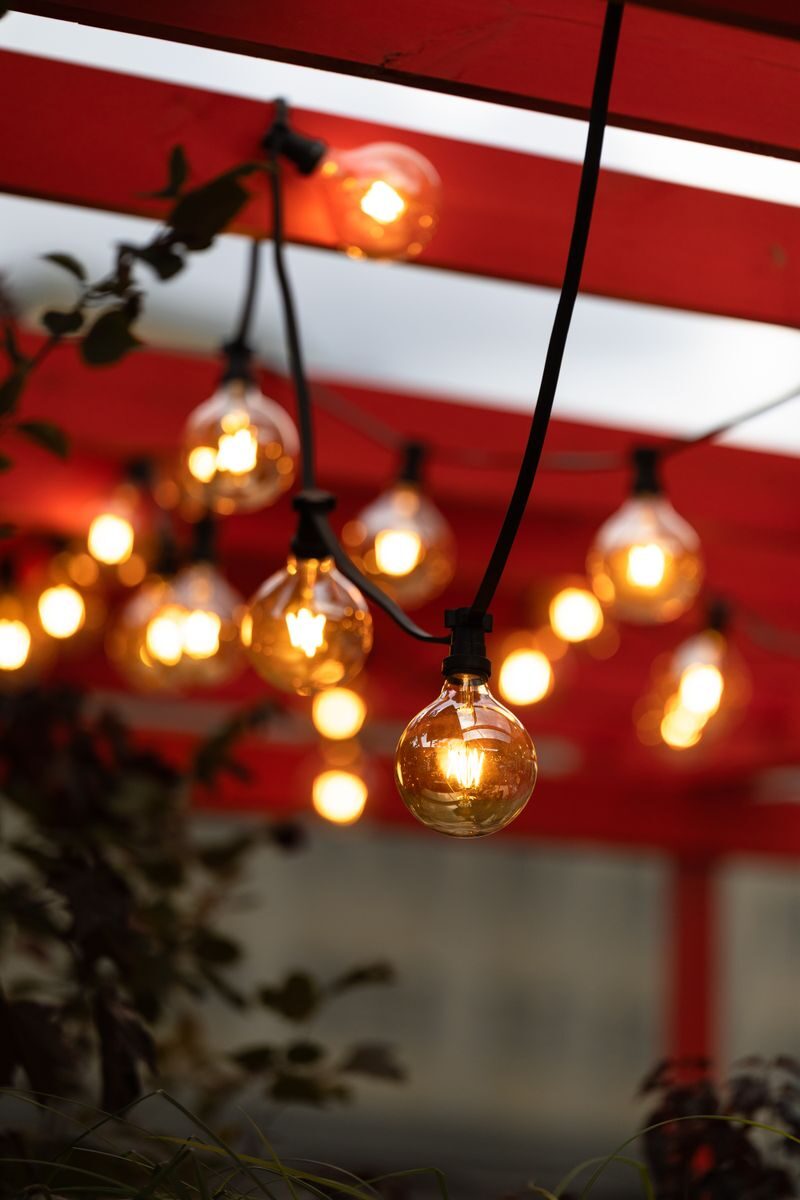
Good lighting and safe power turn an outdoor kitchen from a daytime novelty into a genuinely useful space. Task lighting over the preparation and cooking areas matters most: a warm, focused light above the counter lets you see what you are doing after sunset. Solar lights suit paths and borders, but a wired, weatherproof light gives more reliable brightness over the cooking surface. Any outdoor electrical work should be done or checked by a qualified electrician, and sockets should be weatherproof and protected. If you want an outdoor fridge or a phone charger at the table, plan at least one or two weatherproof outdoor sockets near the kitchen, away from the grill and from any water source. Store gas bottles upright, outdoors and away from heat, and check hoses and connections regularly for wear.
Planting Around Your Kitchen
Plants soften hard surfaces and make a small outdoor kitchen feel like part of the garden rather than a paved yard with a grill in it.
Herbs And Climbing Plants
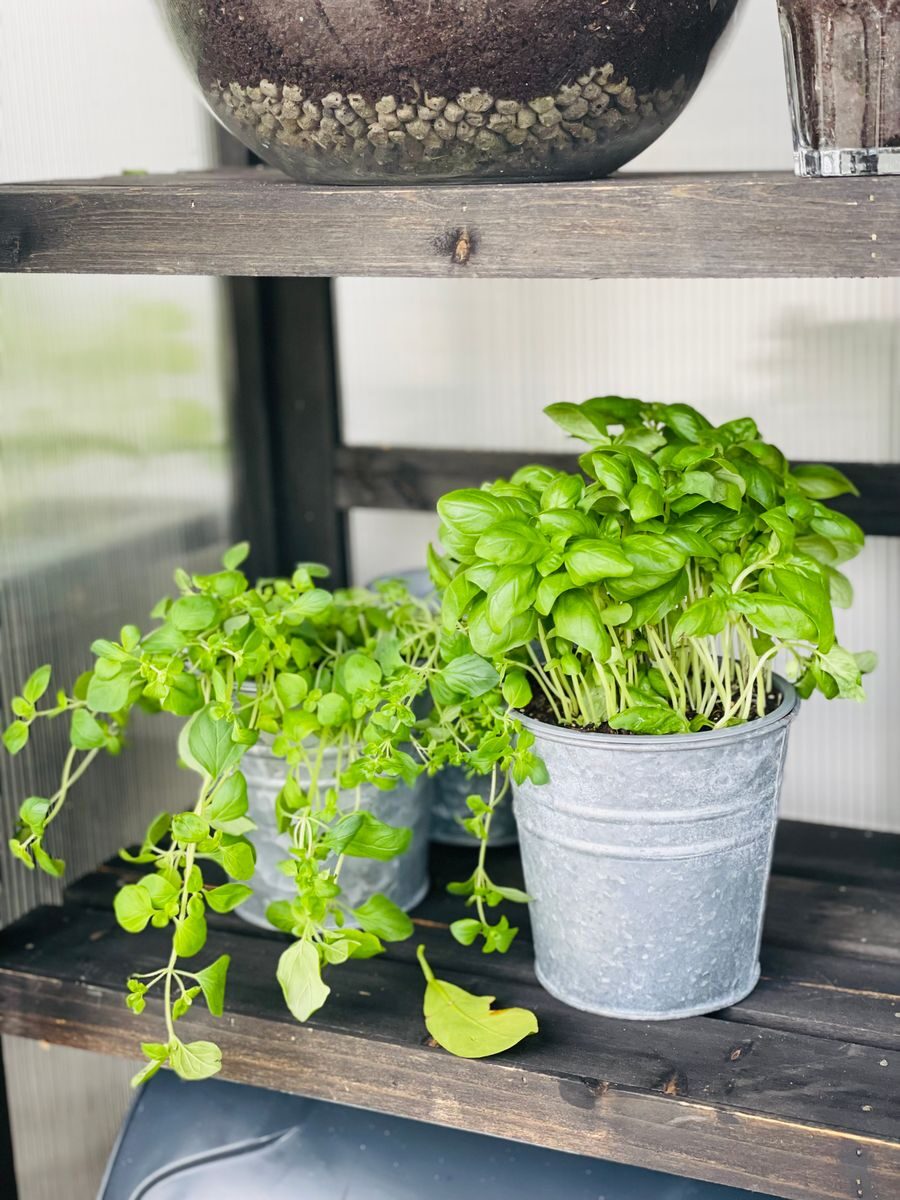
Rosemary, thyme, mint and basil grow well in pots in the UK, and having them within a step of the grill means they actually get used. Keep mint in its own pot, because it spreads aggressively. Climbing plants on a trellis or a pergola post provide shade, privacy and a natural windbreak. Clematis, honeysuckle and jasmine all grow well in British gardens and bring scent as well as greenery. The Royal Horticultural Society has practical advice on growing edible plants on walls, which works beautifully beside an outdoor kitchen: RHS vertical gardening advice. Small colour changes can also make a compact indoor space feel bigger: see our living room colour ideas.
Budget And Planning Rules
Begin with a freestanding setup and live with it for a season, then spend on the things you actually missed. Most modest outdoor kitchens do not need planning permission, but permanent structures can be a different matter. In England, outbuildings are normally permitted development if they meet set limits: they must be single storey, with eaves no higher than 2.5 metres and an overall height of no more than 4 metres with a dual-pitched roof or 3 metres with any other roof, and no higher than 2.5 metres if any part is within 2 metres of a boundary. They must not sit forward of the front wall of the house, and outbuildings and other additions together must not cover more than half of the land around the original house. Listed buildings and some protected areas have tighter rules, and planning permission is separate from Building Regulations, which still apply to gas, electricity and water work. The Planning Portal sets out the rules for outbuildings clearly: Planning Portal: outbuildings. If you are unsure, check with your local planning authority before building. Rules in Scotland, Wales and Northern Ireland differ, so confirm the position for your area.
Frequently Asked Questions
Can I Build An Outdoor Kitchen In A Small UK Garden?
Yes. A small garden is often an advantage, because a compact kitchen keeps everything within reach and costs less to build. A straight run along one wall, a single good grill, a weatherproof counter and a little storage are enough to start. Measure carefully and choose a layout that suits the shape of your garden.
Do I Need Planning Permission For An Outdoor Kitchen?
In most cases, a freestanding grill and movable furniture need no permission. A permanent structure may fall under permitted development in England if it stays within the limits for outbuildings, though listed buildings and protected areas have stricter rules. Planning permission and Building Regulations are separate, so gas, electrical and plumbing work must still comply with the relevant regulations.
What Is The Best Worktop Material For A UK Outdoor Kitchen?
Porcelain, natural stone and stainless steel are the most reliable choices for the British climate, because they resist rain, frost and staining. Porcelain is popular because it matches patio paving and needs little maintenance. Avoid untreated softwood and indoor laminates, which absorb moisture and deteriorate quickly outdoors.
How Can I Use My Outdoor Kitchen In The Rain?
Shelter makes the difference. A pergola or canopy over the cooking area, plus a wind screen on the exposed side, keeps the cook and the food dry on most days. A lidded grill also helps, because it protects the food and holds its temperature in wind and light rain.
What Should I Include In A Small Outdoor Kitchen?
Start with the essentials: a reliable grill, a weatherproof preparation surface, storage for tools and fuel, and somewhere to serve food. A cold-water tap or small sink helps if plumbing is possible. Shelter, task lighting and a drinks station come next.
Conclusion
A small outdoor kitchen works best when it is designed around the garden you actually have. Measure first, choose a layout that fits your plot, and keep the cooking setup simple. Pick materials that handle British weather, add shelter and light so the space works beyond high summer, and store only what you genuinely use. Done this way, even the smallest patio can become a place where meals are cooked, friends gather and the garden is enjoyed for far more of the year.
Leave a Reply