
London is a city where history stands on almost every street corner. From a Norman fortress on the Thames to a glass tower more than 300 metres high, the landmarks in London cover royal palaces, great churches, famous bridges and lively public squares. This guide brings the essential sights together in one place, so you can plan a visit that makes sense and understand what makes each place worth your time.
Start At Westminster: Big Ben, Parliament And The Abbey
Westminster is the best place to begin, because three of the city’s most famous sights stand within a short walk of each other on the north bank of the River Thames.
Big Ben And The Palace Of Westminster
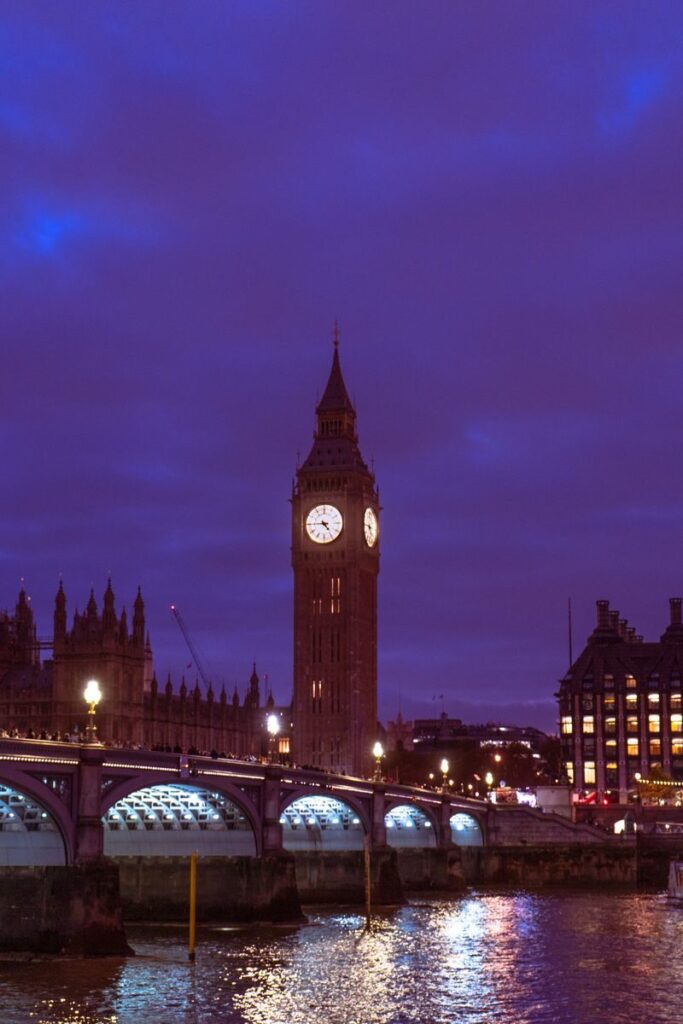
Big Ben is the nickname for the Great Bell of the Great Clock of Westminster, and by extension for the clock tower at the north end of the Palace of Westminster. The tower is officially known as the Elizabeth Tower, a name it received in 2012 to mark the Diamond Jubilee of Queen Elizabeth II. It stands 96 metres tall, and construction began in 1843, after fire destroyed much of the old Palace of Westminster in 1834. The clock began keeping time on 31 May 1859. The tower was designed in the Gothic Revival style by Augustus Pugin, working with Sir Charles Barry, the architect of the new palace. The Palace of Westminster is the home of the UK Parliament, and together with Westminster Abbey it forms a UNESCO World Heritage Site, inscribed in 1987. For more ideas on a wider trip around the country, see best places to visit in England.
Westminster Abbey
A few steps from Parliament stands Westminster Abbey, formally the Collegiate Church of Saint Peter at Westminster. A church has stood on this site since the tenth century, and the abbey was founded by Benedictine monks in around 960. Since the coronation of William the Conqueror in 1066, almost every English and British monarch has been crowned here, most recently King Charles III in 2023. The present building is largely Gothic in style, rebuilt under Henry III from the thirteenth century onwards. Inside, look for the Coronation Chair and Poets’ Corner. Official visitor information is available from Visit London.
See The Tower Of London And Tower Bridge
East of Westminster stands the Tower of London, one of the oldest landmarks in the city. William the Conqueror founded the fortress towards the end of 1066, after the Norman Conquest, and the great stone keep at its centre, the White Tower, was begun in 1078. Over the centuries the Tower has served as a royal palace, a fortress, a prison, an armoury and a treasury. Today it is best known as the home of the Crown Jewels, which have been kept here since the seventeenth century. The Tower was inscribed on the UNESCO World Heritage List in 1988. Allow at least half a day here, and join one of the free Yeoman Warder tours.
Tower Bridge
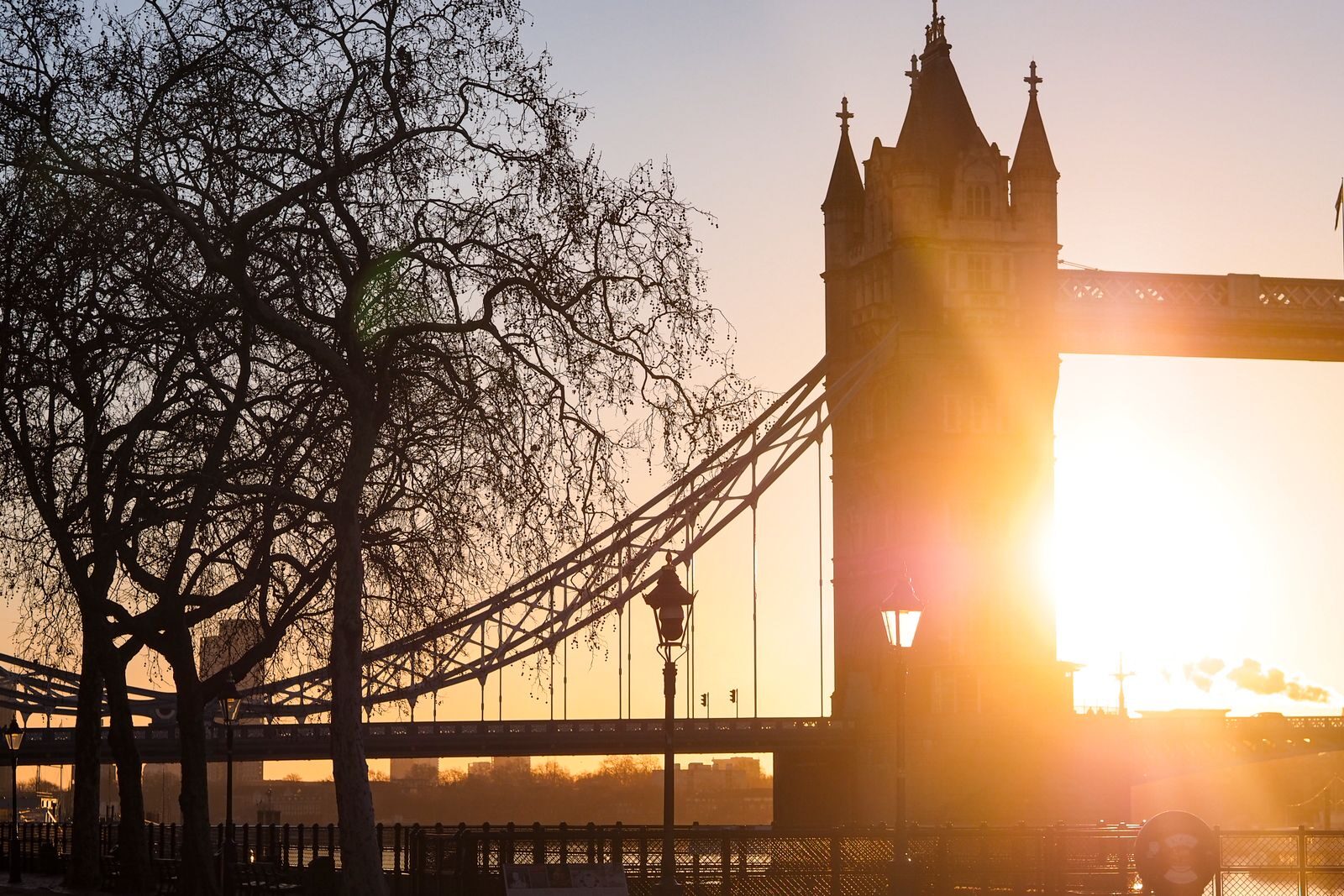
Right beside the Tower stands Tower Bridge, the bridge most visitors picture when they think of London, and the one most often confused with London Bridge, a plainer crossing further upstream. Tower Bridge opened on 30 June 1894, after eight years of construction, and it was designed by the City Architect Sir Horace Jones with the engineer Sir John Wolfe Barry. Its two towers are 65 metres high, and the bridge is 244 metres long. The central span is split into two bascules, each weighing more than 1,000 tonnes, which can be raised to let tall ships pass along the Thames. The towers are clad in Cornish granite and Portland stone in a Victorian Gothic style, chosen to complement the nearby Tower of London. Visitors can cross the bridge for free on foot.
Visit Buckingham Palace And The Changing Of The Guard
Buckingham Palace is the London residence of the monarch and one of the most recognised buildings in the world. The palace has 775 rooms, including 19 State Rooms, 52 royal and guest bedrooms, 92 offices and 78 bathrooms. The State Rooms are open to visitors for about ten weeks each summer and on selected dates during winter and spring, so check the dates before planning a visit around them. Outside the summer opening, the palace is best enjoyed from the front, where the Victoria Memorial stands in the middle of the roundabout.
The Changing Of The Guard
The Changing of the Guard is a free ceremony that usually takes place at 11am on Mondays, Wednesdays, Fridays and Sundays, and daily during June and July, although the schedule can change because of weather or official duties. The ceremony lasts about 45 minutes, and the guards march in their red tunics and bearskin hats to the music of a military band. Arrive early for a good viewing spot, either at the palace gates or on the steps of the Victoria Memorial, and check the official schedule on the day of your visit.
Admire St Paul’s Cathedral And The City Skyline
St Paul’s Cathedral dominates the skyline of the City of London, and its dome has been a familiar sight for more than 300 years. The present cathedral was designed by Sir Christopher Wren in the English Baroque style, after the old cathedral was destroyed in the Great Fire of London in 1666. Construction began in 1675 and the building was completed in 1710. The dome rises 111 metres to the cross at its summit, and it was the tallest building in London from 1710 until the 1960s. Inside, the Whispering Gallery, reached by a climb of 257 steps, is famous for the way sound travels around the dome. For background on the historic buildings of England, Historic England is a useful starting point.
Enjoy The View From The London Eye And The Shard
London’s skyline is not only about the past. Two modern landmarks, the London Eye and The Shard, offer the best views of the city, and each one gives a different sense of how London fits together.
The London Eye
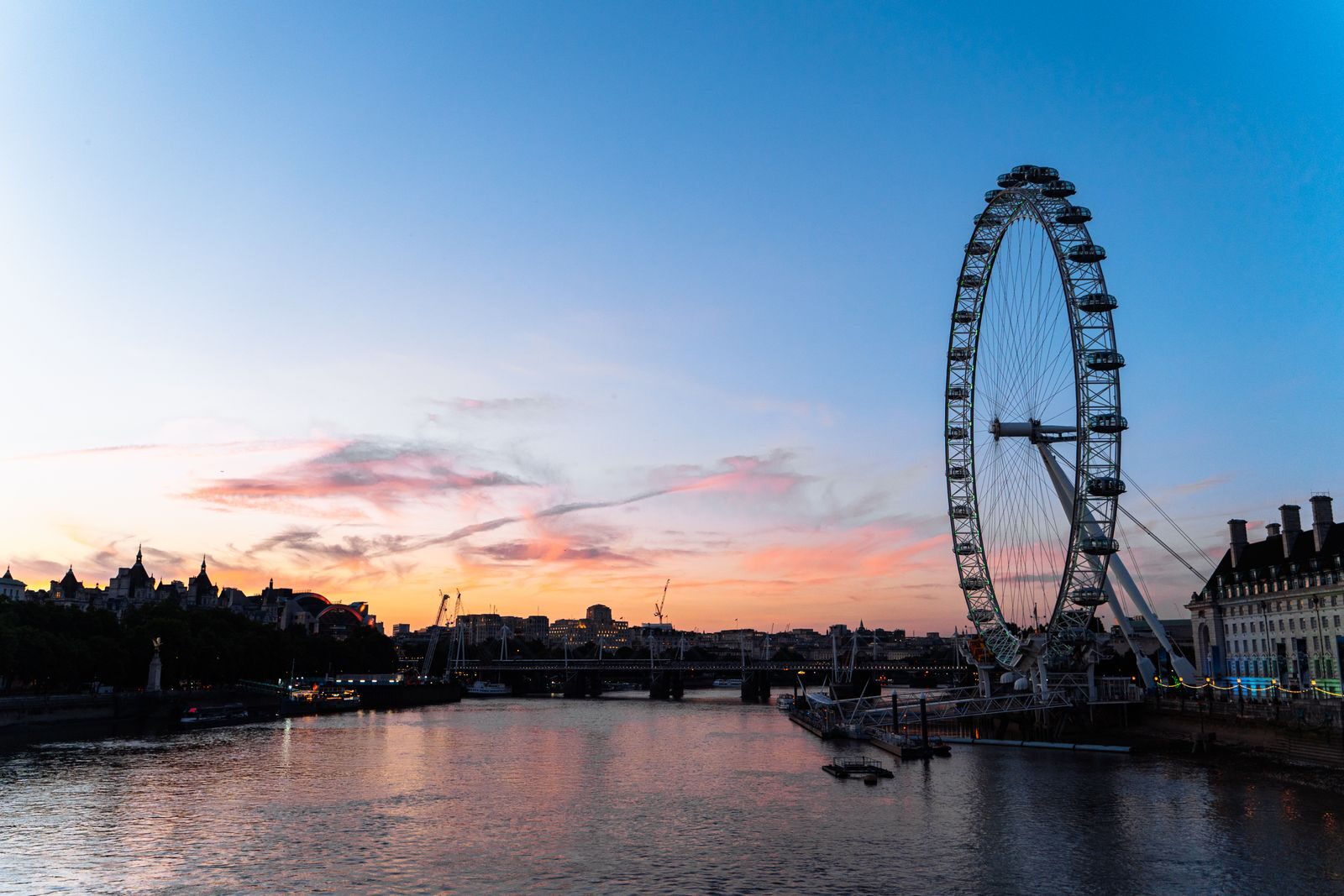
The London Eye stands on the South Bank of the Thames, opposite Westminster, and it is a cantilevered observation wheel 135 metres tall, with a diameter of 120 metres. It was formally opened on 31 December 1999 and opened to the public on 9 March 2000, as a temporary structure to mark the millennium, but it proved so popular that it stayed. It has 32 capsules, one for each of London’s 32 boroughs, each holding up to 25 people. A full rotation takes about 30 minutes.
The Shard
South of the river at London Bridge stands The Shard, a glass-clad pyramid designed by the Italian architect Renzo Piano. At 309.6 metres high, it is the tallest building in the United Kingdom, and its viewing gallery, The View from The Shard, opened to the public on 1 February 2013. The main viewing platform is on level 69, with an open-air deck on level 72, at a height of 244 metres, offering 360-degree views that on a clear day reach for around 40 miles. Timed tickets are standard, so booking ahead is sensible.
Spend Time In Trafalgar Square And The West End
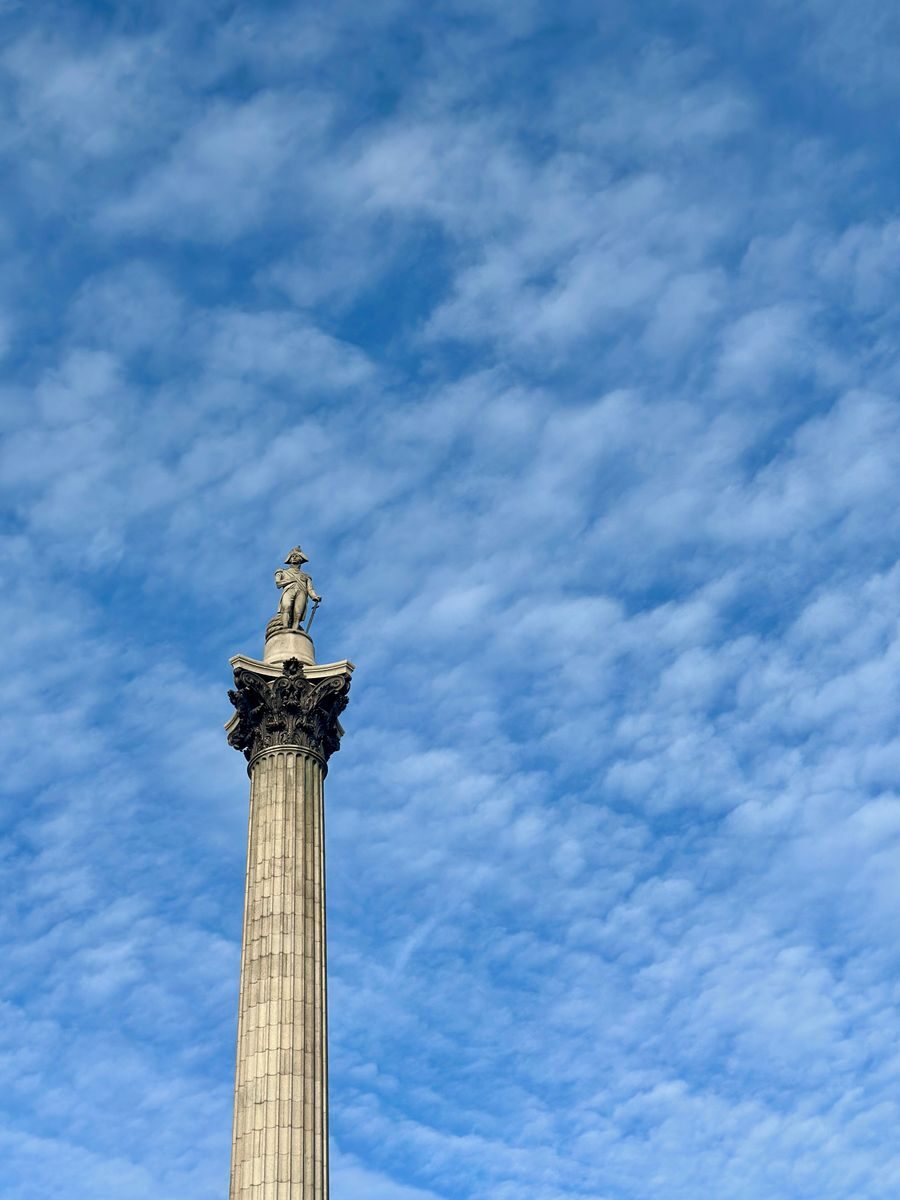
Trafalgar Square is London’s best-known public square, and it works as a natural meeting point between Westminster, the West End and the South Bank. At its centre stands Nelson’s Column, built between 1840 and 1843 to commemorate Vice-Admiral Horatio Nelson, who was killed at the Battle of Trafalgar in 1805. The monument is 51.59 metres tall from the bottom of the pedestal to the top of Nelson’s hat, and it is guarded by four bronze lions at its base. On the north side of the square stands the National Gallery, which opened to the public in 1824 and holds one of the great collections of European painting, free to visit.
Plan Your Route Around London’s Landmarks
London’s landmarks are spread across the centre of the city, but most of them sit within a few miles of each other, and a little planning makes a big difference. Grouping sights by area works well: Westminster, the Tower and Tower Bridge, and Buckingham Palace each deserve a half day, while the London Eye, the South Bank and The Shard fit naturally together.
Getting Around
The London Underground, known as the Tube, opened on 10 January 1863 as the world’s first underground passenger railway, and today it has 11 lines serving 272 stations. Most central landmarks are close to a Tube station, and Westminster, Tower Hill, St Paul’s, London Bridge and Green Park are among the most useful stops for first-time visitors. Contactless bank cards and mobile payment work on the Tube, buses and most other public transport, so there is no need to buy a paper ticket for most journeys. If you are travelling further afield, planning your flights early helps; see how far in advance to book a flight for guidance on timing a booking.
Practical Tips For First-Time Visitors
Book timed tickets in advance for the most popular paid attractions, especially the Tower of London, the London Eye and The Shard, because the busiest slots sell out on weekends and during school holidays. Wear comfortable shoes, because even a well-planned day involves a lot of walking, and carry a light waterproof layer, because London weather can change quickly. If your trip is part of a longer journey, you may also enjoy reading things to do in Malaysia for ideas on what to do once you travel further afield.
Frequently Asked Questions
What Are The Most Famous Landmarks In London?
The most famous landmarks in London include Big Ben and the Palace of Westminster, the Tower of London, Tower Bridge, Buckingham Palace, Westminster Abbey, St Paul’s Cathedral, the London Eye, Trafalgar Square and The Shard.
How Many Days Do You Need To See The Landmarks In London?
Two full days are enough to see the main landmarks from the outside and visit a few of them properly, while three or four days allow a slower pace, with time inside the Tower of London, Westminster Abbey and St Paul’s Cathedral, plus a ride on the London Eye or a visit to The Shard.
Which London Landmarks Are Free To Visit?
Many of London’s best-known landmarks cost nothing to see from outside, including Big Ben, the Palace of Westminster, Tower Bridge, Buckingham Palace, Trafalgar Square and Nelson’s Column. The National Gallery is free to enter, as are the city’s parks. The Tower of London, Westminster Abbey, St Paul’s Cathedral, the London Eye and The Shard all charge for entry,
Is The London Eye Worth It?
The London Eye is worth it for first-time visitors who want a clear overview of central London, because a single slow rotation shows how the river, the palaces, the churches and the modern towers fit together. It is best on a clear day, and booking a timed ticket in advance avoids the longest queues.
Conclusion
The landmarks in London are more than a list of famous buildings. They are the places where the city’s history can be seen, touched and walked through, from the Norman stones of the Tower of London to the glass peak of The Shard. Start at Westminster, where Parliament, the abbey and Big Ben stand together, then follow the river east to the Tower and Tower Bridge, and finish with a view from the London Eye or The Shard to see how it all connects. With a little planning, they reward every visitor.
Leave a Reply