
If you have ever stared at a flight search page wondering whether to book now or wait, you are not alone. The question of how far in advance you can book a flight comes up for almost every traveller, and the answer is more useful than most people expect.
The short answer is that most flights can be booked around 11 months before departure, and the cheapest fares are usually found between one and five months ahead. The exact window depends on the airline, the route and the time of year, so it is worth knowing how the system works before you spend money.
When Are Flights Released?
Most airlines release their seats around 11 months before departure, although the exact timing varies. British Airways, easyJet and Ryanair all open their schedules in waves, with long-haul flights usually appearing first and short-haul routes following later. Some low-cost carriers only release seats six to eight months ahead, so if you are looking for a flight and nothing appears, it may simply not be on sale yet.
A few airlines release seats even earlier. Some long-haul carriers open bookings 12 months ahead, and charter flights for package holidays can appear even sooner. If you have a specific date in mind, it is worth checking the airline’s own site, because third-party sites sometimes lag behind.
How Far In Advance Should You Book?
The best time to book depends on the type of trip. For short-haul flights within Europe, the sweet spot is usually one to three months before departure. For long-haul flights, the best fares are often found three to five months ahead, although popular routes at peak times can be worth booking earlier.
Booking too early can mean paying more, because airlines often release their cheapest seats a few months before departure rather than at the start. Booking too late can also cost you, because the cheapest fare classes sell out and only the higher prices remain.
The Cheapest Booking Windows At A Glance
- Short-haul flights in Europe: One to three months before departure.
- Long-haul flights: Three to five months before departure.
- Peak season and school holidays: Book as early as you can, often six months or more ahead.
- Last-minute trips: Sometimes cheaper, but only if you are flexible about dates and destinations.
Does Booking Early Always Save Money?
Not always. Airlines use dynamic pricing, which means fares rise and fall as seats sell. The cheapest seats are released first, but if a flight is not selling well, the airline may drop the price to fill it. That is why the same flight can cost £100 one week and £200 the next.
The pattern is not the same for every route. A busy route to a popular destination will usually get more expensive as departure nears, while a quieter route may stay cheap until the last few weeks. The best approach is to watch the fare for a while and book when the price feels right, rather than waiting for a perfect moment that may never come.
How To Use Price Alerts To Catch A Fare Drop
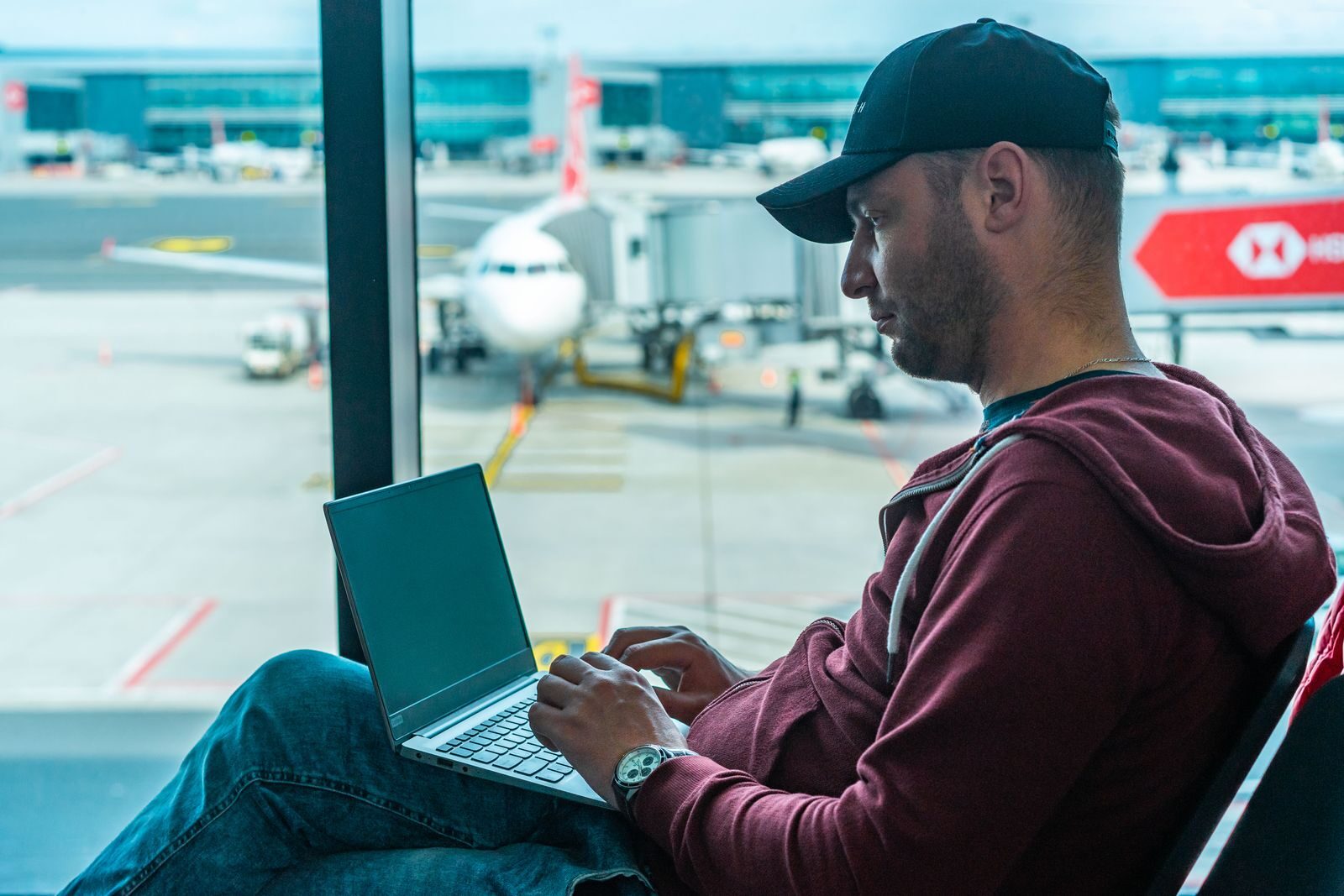
Price alerts are one of the most useful tools for flight booking. Set an alert for your route and dates, and the site will email you when the price changes. Google Flights and Skyscanner both offer free alerts, and they are worth setting up even if you are not ready to book yet.
Use alerts to learn the normal price for your route. If you see a fare that is well below the usual range, it is often worth booking straight away, because the cheapest fares do not stay around for long. If the price is high, keep the alert running and wait for a drop.
If you are planning a longer trip, our guide to long-haul travel essentials covers what to pack and how to prepare.
The Best Tools For Finding Cheap Flights
A good flight search tool can save you hours and a lot of money. The two most useful are Google Flights and Skyscanner, and they work best when used together.
- Google Flights: Best for flexible date searches and fare tracking.
- Skyscanner: Best for comparing prices across airlines and agents.
- Kayak: Best for price forecasts and flexible search options.
- Momondo: Best for finding smaller agents with lower prices.
Use the calendar view to see the cheapest days to fly, and try nearby airports, because a short train ride can sometimes save a lot of money. Always check the airline’s own site before booking, because the price can be lower there and the terms are usually better.
What If Prices Rise After You Book?
Once you have booked, the price is fixed, so a later rise does not affect you. Some airlines offer a short cooling-off period, and a few will let you change or cancel for free within 24 hours, so check the terms before you book.
If the price drops after you book, most airlines will not refund the difference, although some will offer a voucher. It is rarely worth worrying about, because the fare you paid was the best available at the time, and chasing a lower price can cost more in stress than it saves in money.
Once your flights are booked, read our tips on how to beat jet lag so you arrive feeling fresh.
Common Mistakes When Booking Flights
A few simple mistakes can add a lot to the cost of a trip. Avoiding them is often worth more than finding a bargain fare.
- Booking the first fare you see, without comparing prices across a few sites.
- Ignoring the baggage allowance, and paying more for bags at the airport.
- Choosing the cheapest flight without checking the layover time.
- Booking a non-refundable fare when your plans are not yet fixed.
- Forgetting to check whether the price includes seat selection and meals.
The Bottom Line
Most flights can be booked around 11 months before departure, and the cheapest fares are usually found between one and five months ahead. Use price alerts, compare a few tools, and book when the fare feels right, rather than waiting for a perfect moment.
The best time to book a flight is when the price is fair and the trip is one you want to take. Set your alerts, keep an eye on the fare, and when the number looks good, book it and start planning the rest of your trip.
For more on timing your booking, see Lonely Planet’s guide to the best time to book a flight.
Leave a Reply