

Self belief is the quiet confidence that you can cope with what life brings, learn what you do not yet know, and handle setbacks without falling apart. It is not arrogance, and it is not about believing you will succeed at everything. It is about trusting your own judgement, valuing your own abilities, and being willing to try even when the outcome is uncertain. Some people seem to carry it naturally, but for most of us it is something that grows slowly, through small experiences of trying, coping and surviving.
If your self belief is low, you are not alone. Many people doubt themselves, especially after a setback, a rejection or a long period of stress. The good news is that self belief can be built, and the steps are practical rather than mysterious. This guide explains what self belief really is, how self-doubt takes hold, and the everyday habits that help you rebuild confidence in yourself, drawing on guidance from NHS self-help resources based on cognitive behavioural therapy.
What Self Belief Really Means
Self belief is closely related to self-esteem, which is the opinion we have of ourselves and the value we attach to ourselves as people. When self-esteem is healthy, we can take pride in our achievements, feel connected to others, and believe that we can cope with challenges. When it is low, we tend to focus on our faults, expect things to go wrong, and avoid new experiences because we assume we will fail.
It helps to separate self belief from confidence in a specific skill. You can be a good cook and still doubt yourself in social situations, or be confident at work and unsure about your appearance. Self belief is the broader sense that you are capable and worthwhile as a person, and it underpins confidence in all the separate areas of life. That is why building it takes time: you are not just learning a skill, you are changing how you see yourself.
How Self-Doubt Takes Hold
Self-doubt usually grows out of negative thoughts that go unchallenged. A thought such as “I am not good enough” or “I always mess things up” feels like a fact when it repeats itself often enough, but it is usually an opinion rather than a fact. The NHS self-esteem guide, which is based on cognitive behavioural therapy, explains that low self-esteem is maintained by negative beliefs that lead to unhelpful thought patterns, and that the way forward is to examine those thoughts and test them against real evidence.
Common unhelpful beliefs include the idea that a person must be perfect, that making a mistake means you are a failure, or that other people are always right and you are always wrong. If you hold one of these beliefs, every small setback feels like proof that you are not good enough, while every success is dismissed as luck. Breaking the cycle starts with noticing the thought, writing it down, and asking whether the evidence really supports it.
Try this simple exercise. When you catch a negative thought, write it on paper and ask yourself three questions: what is the evidence that supports this thought, what is the evidence against it, and what would I say to a friend who thought this about themselves? Most of the time you will find that the evidence against the thought is stronger than you expected, and that you would be far kinder to a friend than you are to yourself.
Keep A Record Of Your Strengths
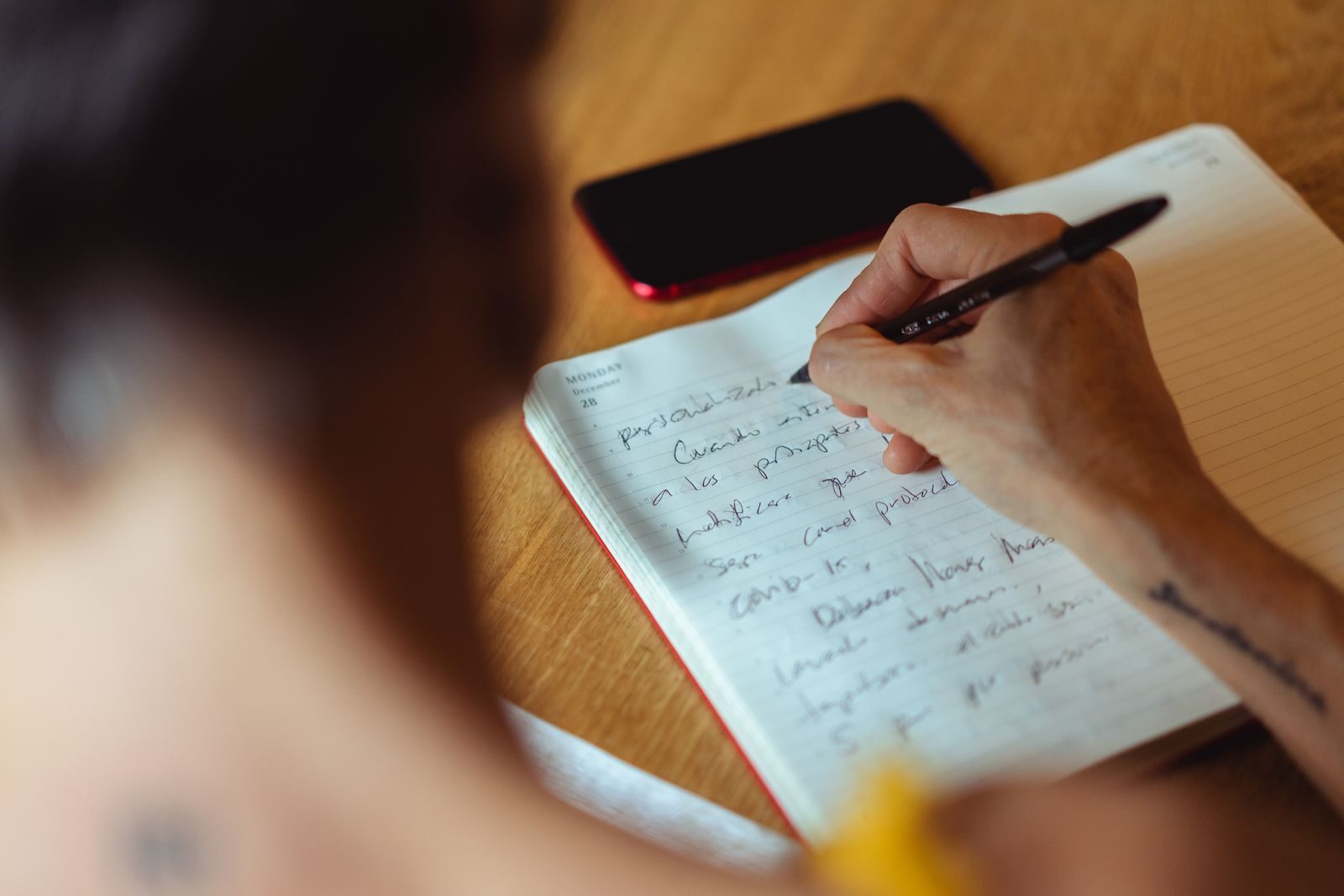
One of the most practical tools recommended by NHS guidance is a positives notebook. When self belief is low, we tend to focus on negative aspects of ourselves and ignore the positives, which keeps low self-esteem going. A positives notebook corrects that imbalance by giving you a written record of what you do well.
Start by listing at least five positive things about yourself, such as being thoughtful, being a good cook, being someone others trust, or being funny. If you find this difficult, ask a friend or family member to help, as other people often see strengths in us that we miss in ourselves. Add to the list regularly, and keep a daily record of situations that show off your good qualities, however small. A kind word to a stranger, a problem solved at work, a meal cooked well, all count.
Read the notebook at the end of each day. This is not vanity, it is balance. You are training your attention to notice evidence that you are capable, rather than only noticing evidence that you are not. Over weeks and months, that shift in attention is one of the most reliable ways to rebuild self belief, because it is grounded in real things you have actually done.
Build Self Belief Through Small Wins
Confidence grows from experience, not from affirmations alone. The fastest way to build self belief is to set yourself a small, achievable challenge and then complete it. The challenge should stretch you slightly without overwhelming you, because the point is to finish it and prove to yourself that you can. If the goal is too big, failure can reinforce the very doubt you are trying to shift.
Choose something concrete, such as joining an exercise class, going to a social occasion you have been avoiding, learning a new recipe, or speaking up once in a meeting. Break it into small steps if it feels daunting. For example, if you want to be more social, the first step might be to accept one invitation, the second to start one conversation, and the third to suggest meeting again. Each completed step is evidence that you can cope, and that evidence accumulates.
It also helps to keep trying when things do not work out. If you attempt something and it goes badly, that does not erase the effort or the courage it took to try. Ask what you would do differently next time, adjust, and try again. People with strong self belief are not people who never fail. They are people who have learned that failure is survivable and often useful.
If low self-esteem is a big part of the picture, our guide to how to improve self-esteem goes into more detail.
Small habits add up. Our guide on how to be a better person has more practical ideas.
Learn To Be Assertive
Assertiveness is a skill that builds self belief directly, because it teaches you that your needs and opinions matter. Many people with low self belief find it hard to say no, ask for what they need, or disagree with others, and they end up feeling resentful or invisible. Learning to say what you mean clearly, without aggression and without apologising for existing, is one of the most liberating changes you can make.
Start small. Practise saying no to a minor request you do not want to accept, or stating a preference when you would normally say “I don’t mind.” Plan what you want to say in advance, choose a calm time and place, and be clear and concise. The more practice you get at being assertive, the easier it becomes and the more your self-esteem grows. Remember that being assertive is not the same as being rude. It is about respecting yourself and the other person at the same time.
Body language matters too. Standing tall, making reasonable eye contact and speaking at a steady pace can help you feel more confident, even if you do not feel it inside at first. This is not about pretending to be someone else. It is about giving your body the posture of a person who believes they belong in the room, and letting your feelings catch up.
Surround Yourself With Supportive People
Self belief does not grow in isolation. The people around you shape how you see yourself, and spending time with people who appreciate and respect you makes a real difference. Build up a network of friends and family members you enjoy spending time with and who make you feel supported. These do not have to be many people. A small number of genuine relationships is worth more than a large circle of acquaintances who leave you feeling drained.
It also helps to talk about how you feel. Telling a trusted friend that you doubt yourself can be frightening, but most people respond with kindness and often admit they feel the same way. If you find it hard to talk face to face, writing your thoughts down first can make it easier. And if low self belief is affecting your daily life, your work or your relationships, consider talking to your GP or referring yourself for NHS talking therapies, which can help you work through negative thought patterns with a trained professional. You can read more in the NHS Inform self-esteem self-help guide, which is based on cognitive behavioural therapy.
Frequently Asked Questions
Can You Build Self Belief As An Adult?
Yes. The NHS notes that throughout our lives, even into adulthood, we can all work on and improve our feelings of self-worth and self belief. It grows through small experiences of trying, coping and achieving, and through learning to challenge negative thoughts. It takes time, but it is a skill that can be learned at any age.
How Do I Stop Negative Thoughts About Myself?
Start by noticing the thought and writing it down, then ask what evidence supports it and what evidence goes against it. Ask what you would say to a friend who thought this about themselves. This approach comes from cognitive behavioural therapy, and it is the basis of the NHS self-esteem self-help guide. Keeping a positives notebook, where you record your strengths and daily achievements, also helps to balance the negative focus.
When Should I Seek Professional Help For Low Self Belief?
If low self belief is affecting your daily life, your work, your relationships or your mood for more than a few weeks, consider speaking to your GP or referring yourself for NHS talking therapies. Talking therapies such as counselling and cognitive behavioural therapy can help you work through negative thought patterns. You can find guidance on building confidence from NHS resources on self-esteem.
Conclusion
Self belief is not something you either have or you do not. It is something you build, slowly and practically, through the way you talk to yourself, the challenges you take on, and the people you spend time with. Start by noticing your negative thoughts and testing them against real evidence. Keep a record of your strengths and your small wins. Learn to say what you need, lean on the people who support you, and keep noticing the evidence in your favour. None of these steps is dramatic on its own, but together, practised over weeks and months, they change how you see yourself. You do not need to feel confident before you begin. You need to begin, and let the confidence follow.
Leave a Reply