
Colour is the fastest way to change how a living room feels, and it costs far less than new furniture. A fresh coat of paint can make a small room feel bigger, a dark room feel brighter, or a plain room feel warm and welcoming. The trouble is that choosing a colour can feel overwhelming, because a shade that looks perfect on a tiny swatch can look very different across four walls. With a clear idea of the mood you want, a little thought about light, and a few practical tests, you can choose living room colour ideas that suit your home and your life.
How To Choose A Living Room Colour That Suits Your Home
Start with how you use the room. A living room that hosts lively family evenings can take stronger, warmer colour than a room used mainly for quiet reading. Warm colours such as terracotta, honey and soft red tend to feel sociable and cosy, while cool colours such as pale blue, sage and grey-green tend to feel calm and restful. The right choice is the one that matches your household.
Light matters just as much as taste. A south-facing room gets warm, direct sun, so it can carry cooler colours without feeling cold. A north-facing room gets cooler, flatter light, so warm whites, soft yellows and warm greys usually look better there than icy blues or stark whites. Before you commit, paint a large test patch on the wall and look at it in morning light, evening light and with the lamps on. Give yourself at least two days with the sample before you decide.
Warm Neutrals That Never Go Out Of Style
If you want a scheme that will still look good in five years, warm neutrals are the safest place to start. They suit almost every style of furniture, they make a room feel calm, and they are easy to refresh with new cushions or a rug. The trick is to choose a neutral with warmth in it, because a flat magnolia or a cold grey can leave a room feeling dull rather than restful.
Cream, Greige And Warm White
Cream is the classic living room neutral, but not all creams are equal. Look for one with a gentle yellow or pink undertone, which reads warm without looking yellow on the wall. Greige, a blend of grey and beige, sits happily with both cool and warm furniture. Warm white works well on ceilings and woodwork too, softening the contrast with the walls. Paint the ceiling a shade lighter than the walls rather than brilliant white, and the room will feel taller and less stark.
Layering Neutrals For Depth
A room painted in a single neutral can look flat, so layer the colour. Use a slightly deeper tone on one wall or on the chimney breast, choose a rug a shade or two darker than the floor, and add texture through linen cushions, a wool throw and natural wood. Texture is what stops a neutral scheme from feeling bland, and almost any accent colour works against a warm neutral base, so it is easy to refresh with the seasons.
Calm Blues And Greens For A Relaxed Room
Blue and green are the colours people reach for when they want a living room that helps them unwind. Both are drawn from nature, from sky, sea and leaves, and both sit comfortably alongside wood, linen and plants. Pale, misty blues work beautifully in bright rooms, giving a fresh, airy feel without the chill of a cold white. Deeper blues, such as inky navy or denim, feel more dramatic and work well on a single wall.
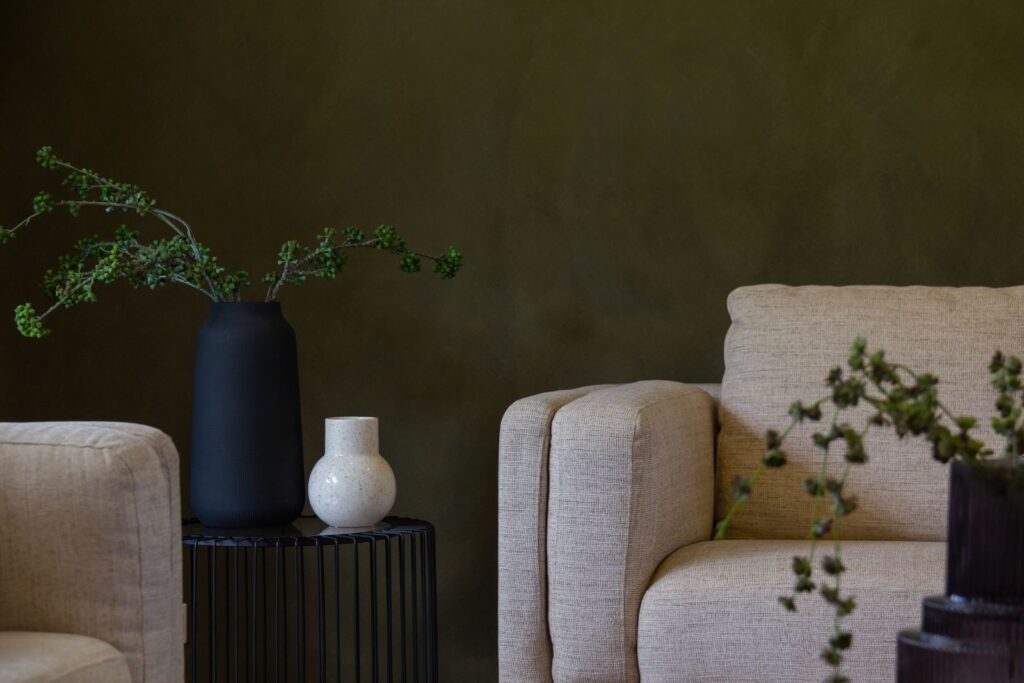
Green has become one of the most popular living room colours in recent years, and sage is the shade most people choose first. It is soft enough to use on all four walls, and it pairs naturally with warm wood, cream upholstery and houseplants. A deeper forest or olive green makes a room feel cocooned, especially in the evening. If you are nervous about green, try it on the wall behind the sofa first. Dulux named a soft sage, Soulful Sage, as its Colour of the Year for 2027, and built three living room colour stories around it, from warm earthy tones to gentle light palettes. You can see those palettes in Dulux’s 2027 living room colour stories.
Bold Colours That Make A Statement
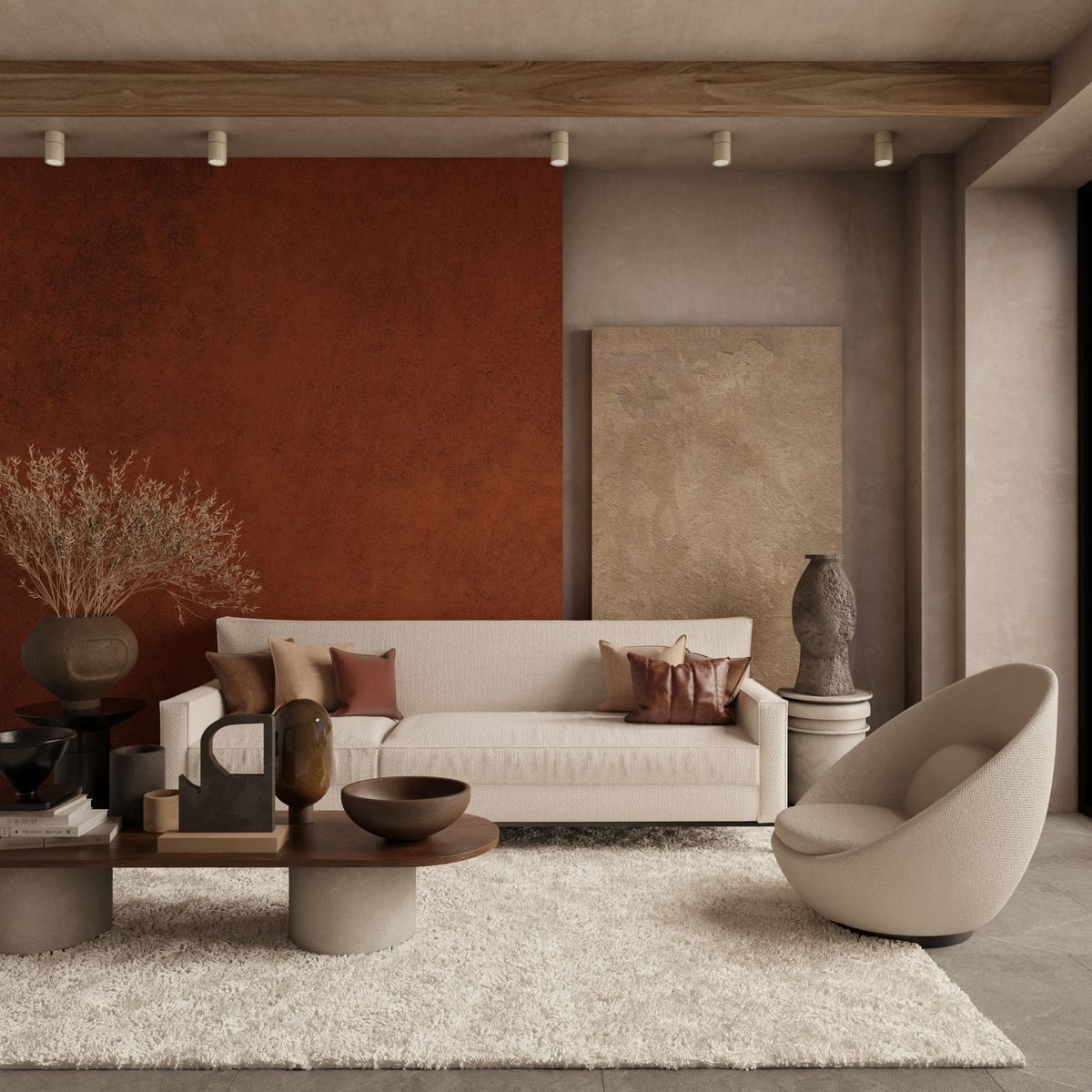
Not every living room needs to be quiet. If you love colour, a bold scheme can make the room the most characterful space in the house. Choose one strong colour as the hero and let the rest of the room support it, rather than asking five bright colours to compete. Terracotta feels earthy and warm, mustard feels cheerful and sunny, teal feels elegant and calm, and coral feels fresh and lively.
Colour Drenching One Room
Colour drenching means painting the walls, ceiling, skirting and even the doors in the same colour, or in closely related shades of it. It sounds daring, but it often makes a room feel bigger, because there are no hard lines breaking up the walls. It works best in a mid-tone colour in a room with good light. Keep the furniture and rug in a contrasting neutral, such as cream or pale wood, so the room still has somewhere for the eye to rest. If full drenching feels too much, drench just the lower half of the wall and keep the top pale.
Feature Walls That Work
A feature wall is the gentlest way to try a bold colour. Choose the wall that naturally draws the eye, usually the one behind the sofa or the fireplace wall, and paint it in your chosen shade while the other walls stay pale. A bold geometric design or a striped panel in two or three colours can add energy without overwhelming the room, and it is easier to repaint one wall than a whole room if you change your mind. Dulux’s guide to bold living room colours shows how shades such as coral, mustard and teal can be used on a single wall with bright white woodwork for balance.
Lighting makes the colour work. See our guide to lamps for the living room.
Soft furnishings finish the scheme. Read our guide to cushion covers.
Add warmth and texture with a sofa throw.
Dark And Cosy Living Room Colours
Dark living rooms have a reputation for feeling small, but in practice a deep colour often makes a room feel more intimate and luxurious, especially in the evening when the lamps are on. Charcoal, deep navy, dark green and even near-black can work beautifully, provided the room has enough light in the daytime or enough lamps in the evening. Dark walls also make a television screen almost disappear, which suits a room built around film nights.
The secret to a dark scheme is contrast. Pale furniture, a light rug and warm metallic touches, such as brass or copper, stop the room from feeling gloomy. A mirror opposite the window bounces light back into the room, and warm-toned bulbs keep the atmosphere soft rather than stark. If you are unsure, paint the walls dark and keep the ceiling pale, and see how the room feels in the evening.
Living Room Colour Ideas For Small Rooms
Small living rooms need colour that works a little harder. Pale, warm colours reflect the most light, so a soft white, pale greige or light sage will usually make the room feel more open. A pale colour with a clear undertone, such as a soft blue-grey or a warm blush, gives the room character while keeping it bright. Paint the skirting boards and the ceiling in the same colour as the walls, or a shade lighter, and the edges of the room blur slightly, which makes the space feel larger.
If you love dark colours, you can still use them in a small room. Paint one short wall in a deep shade and keep the rest pale, or use the dark colour on the chimney breast only. Avoid breaking a small room into many different colours, because each change of colour chops the space into smaller pieces. Two colours, used consistently, are usually enough.
Matching Colour With Furniture, Flooring And Light
A wall colour never sits on its own. It has to get along with the sofa, the floor, the curtains and the light fittings, so check your scheme against the biggest items in the room before you buy paint. A warm red sofa will clash with a cool blue-grey wall, while a grey sofa will sit happily with almost any colour. If your floor is warm oak, warm wall colours will feel natural, while a cool grey carpet usually suits cooler wall colours.
Lighting changes colour more than most people expect. A warm-toned bulb makes yellows and reds richer and can make blues look muddy, while a cool white bulb sharpens blues and greys. Test your sample under the bulbs you actually use. Heavy curtains in a strong colour will dominate a pale room, so if the walls are bold, keep the curtains plain and pale, and let the cushions carry the pattern.
Common Colour Mistakes To Avoid
Even a good colour can fail without a little planning. These are the mistakes that cause the most regret:
- Choosing from a tiny swatch alone. Always test a large patch on the wall and live with it for two days.
- Forgetting the finish. Matt paint hides uneven walls but marks easily, while silk reflects light. A durable matt or soft sheen is usually the best choice for a living room.
- Copying a photo exactly. Use photos for inspiration, but test the colour in your own space, where the light and proportions are different.
Frequently Asked Questions
What Is The Best Colour For A Living Room?
There is no single best colour. Warm neutrals suit most homes, calm blues and greens suit rooms used for relaxing, and bolder colours suit rooms where you entertain. Test samples in your own room before deciding.
What Colour Makes A Small Living Room Look Bigger?
Pale, warm colours reflect the most light and usually make a small room feel more open. Soft white, pale greige and light sage all work well, and painting the skirting and ceiling in the same colour as the walls, or a shade lighter, blurs the edges of the room.
Should The Living Room Ceiling Be White?
Not necessarily. Brilliant white can look harsh against warm walls, while a warm white or a pale version of your wall colour usually looks softer and makes the room feel taller. In a colour-drenched room, painting the ceiling the same colour as the walls can make the space feel more cocooning.
Is Dark Paint A Bad Idea For A Living Room?
No, dark paint can make a living room feel cosy and luxurious, especially in the evening, and it works best with pale furniture, a light rug and warm lighting. If you are unsure, try a dark colour on one wall first.
Conclusion
The best living room colour ideas are the ones that fit your room, your light and the way you live. Warm neutrals are a safe and lasting choice, calm blues and greens bring a relaxed feel, bold colours add personality, and dark shades create a cosy retreat. Whatever you choose, test it properly against your furniture and flooring, in daylight and lamplight, before you commit. A little patience at the choosing stage saves a lot of repainting later.
Leave a Reply