
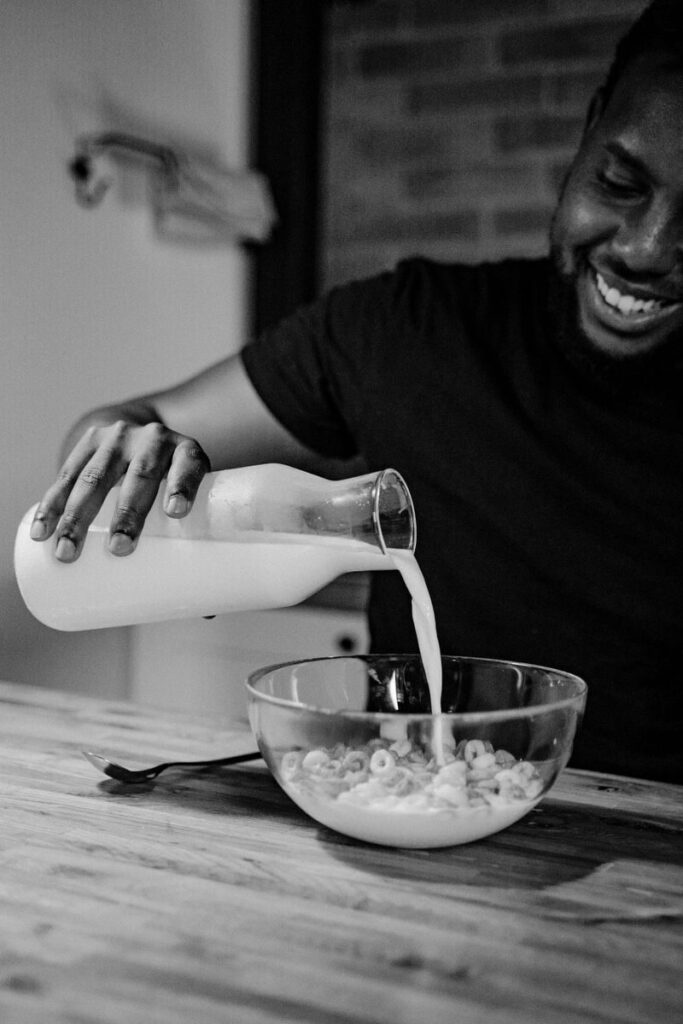
It is late, you are peckish, and the old advice is ringing in your ears: never eat before bed. It will ruin your sleep, it will make you gain weight, it will give you heartburn. But is it actually bad to eat before bed, or is that one of those health rules that sounds sensible and turns out to be mostly wrong? The honest answer is that it depends on what you eat, how much you eat and how close to bedtime you eat it. A small, light snack is fine for most people. A large, heavy meal is not. Here is what the evidence really says.
Why Eating Late Feels Like A Problem
The idea that eating late is bad for you has been around for a long time, and it comes from a few different places. One is the belief that your body cannot digest food properly while you sleep, so a late meal sits in your stomach and causes problems. Another is the idea that calories eaten at night are more likely to turn into fat, because you are not moving. A third is that late eating is linked to poor sleep, and poor sleep is linked to almost everything else.
Some of this is true and some of it is not. Your body does not stop digesting when you fall asleep. Digestion slows down, but it continues, and a normal meal will be digested whether you eat it at six in the evening or at ten. The idea that late calories are more fattening than daytime calories is also mostly a myth. Weight gain comes from eating more calories than you use over days and weeks, not from the time on the clock when you eat them. What is true is that late eating can disturb your sleep, and that the foods people tend to eat late at night are often not the best choices.
Does Eating Before Bed Really Ruin Your Sleep?
Studies on eating before bed and sleep quality have produced mixed results, which is why you will find confident claims on both sides. Some studies find that eating close to bedtime is linked to lighter, more broken sleep. Others find no effect at all, or even that a small snack before bed helps people fall asleep, particularly if they are hungry. The difference seems to come down to the size of the meal and what is in it.
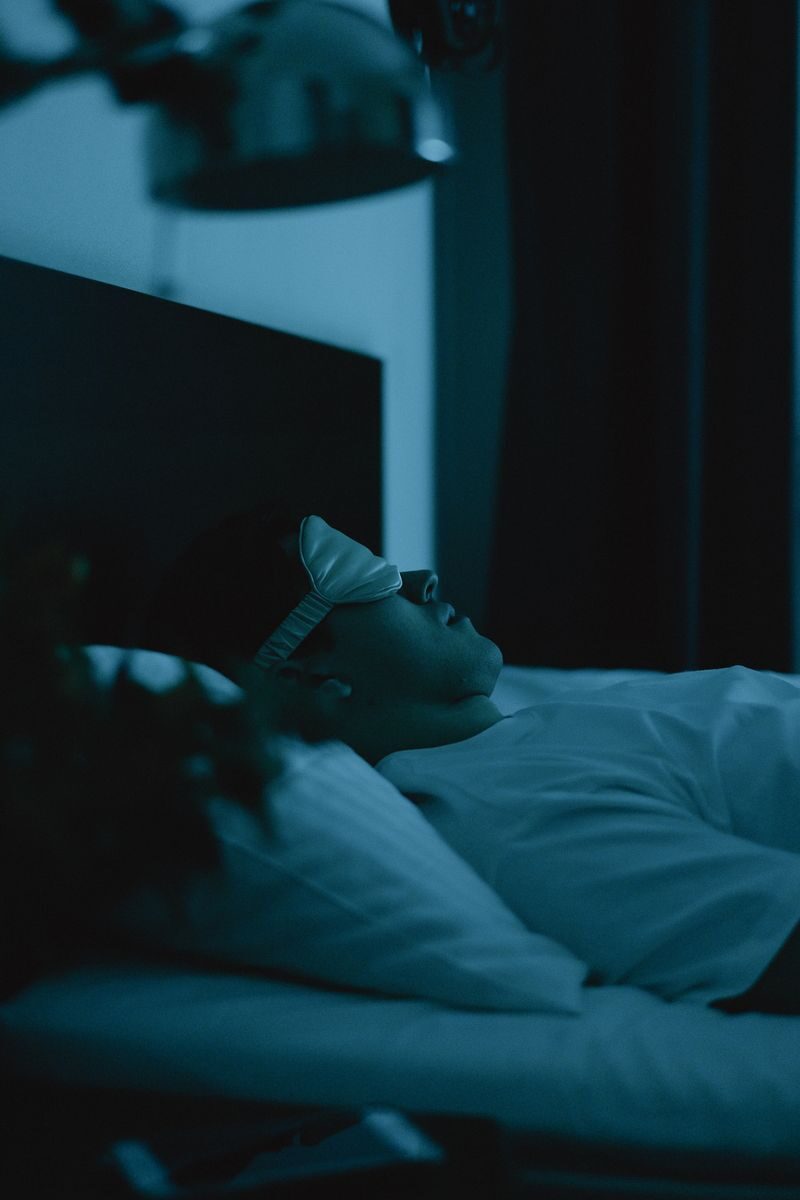
A large meal close to bedtime is the most likely to disturb sleep. Your body temperature rises as it digests food, and a raised body temperature makes it harder to fall asleep, because your body needs to cool down to sleep well. A large meal can also cause discomfort, bloating and a feeling of fullness that makes it hard to get comfortable. A small snack, on the other hand, does not raise your temperature much and can take the edge off hunger that would otherwise keep you awake. If you are lying in bed feeling hungry, a small snack is usually better than lying there hungry.
Heartburn, Reflux And Lying Down After Eating
There is one group of people for whom eating before bed is a real problem: those who get heartburn or acid reflux. When you lie flat, stomach acid can flow back up into the oesophagus more easily, and a full stomach makes this more likely. The burning feeling in the chest, the sour taste and the coughing can all disturb sleep, and they can be worse if you eat a large meal and then lie down soon afterwards.
If you get heartburn, the usual advice is to finish eating at least two to three hours before bed, and to avoid foods that trigger reflux, such as spicy food, fatty food, chocolate, coffee and alcohol. Eating smaller meals and not lying down straight after eating also helps. If heartburn is frequent, or if you are taking antacids regularly, it is worth speaking to your GP, because there are treatments that can help and other causes that need to be ruled out.
If poor sleep is a regular problem, it is worth reading our guide to sleep deprivation.
Waking in the small hours is common too. See our guide on why do I keep waking up at 4am.
Loud snoring or pauses in breathing at night are worth checking. Read our sleep apnoea symptoms guide.
What To Eat, And What To Avoid, Before Bed
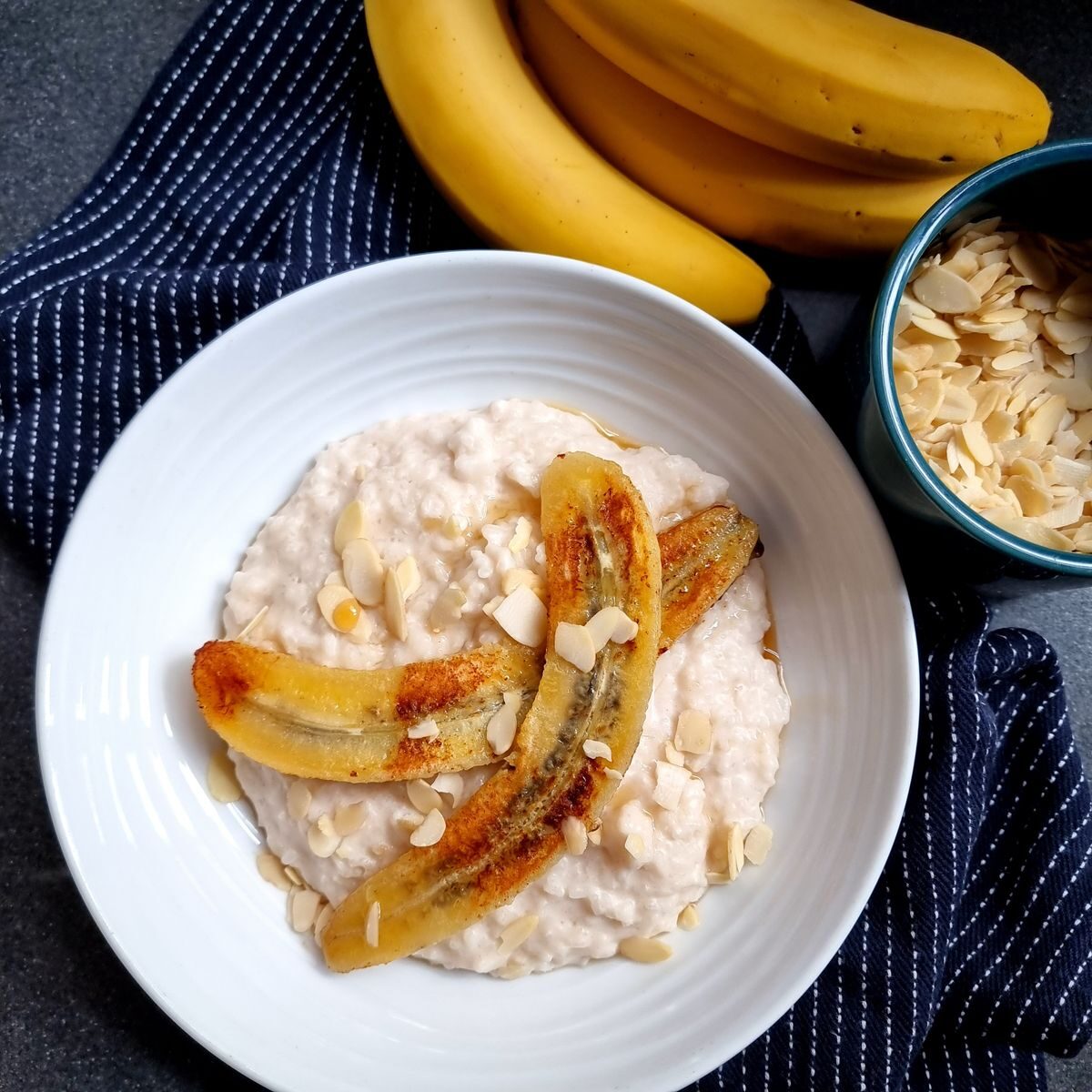
If you want a snack before bed, the best choices are small, light and easy to digest. Foods that contain tryptophan, an amino acid your body uses to make melatonin, are often recommended, although the amounts in food are small. More practically, a snack that combines a little carbohydrate with a little protein, such as a banana, a small bowl of porridge, a few oatcakes with cheese, or a glass of warm milk, will satisfy hunger without overloading your stomach. A small bowl of cereal with milk is also a reasonable choice, and it is one of the most common bedtime snacks in the UK.
What to avoid is a longer list. Large meals, fatty food, spicy food, very sugary food and alcohol are all best avoided close to bedtime. Caffeine is an obvious one, and it stays in your system for hours, so a coffee after dinner can still affect your sleep. Chocolate contains caffeine too, in smaller amounts. Alcohol may make you feel sleepy at first, but it disturbs sleep later in the night, making it lighter and more broken. A nightcap is not a sleep aid.
How To Time Your Evening Meals
As a practical rule, try to finish your main evening meal two to three hours before you go to bed. That gives your stomach time to empty and your body temperature time to fall. If you are hungry later, a small snack is fine, and it is better than going to bed hungry. Keep it small, keep it light, and eat it sitting up rather than in bed. The NHS advice on how to fall asleep includes keeping your bedroom cool, dark and quiet, and having a regular wind-down routine, which matters more for sleep than the exact time of your last bite.
A Short Note On This Information
This article is for general information only and is not medical advice. It cannot replace a conversation with a health professional about your own health. If you have persistent sleep problems, frequent heartburn or other symptoms that worry you, speak to your GP.
Frequently Asked Questions
Is It Bad To Eat Before Bed?
Not necessarily. A small, light snack before bed is fine for most people, and it can help if you are hungry. A large, heavy meal close to bedtime is more likely to disturb your sleep, especially if you get heartburn. What you eat and how much matters more than the time you eat it.
How Long Before Bed Should I Stop Eating?
Try to finish your main evening meal two to three hours before bed. A small snack closer to bedtime is fine if you are hungry, but keep it light and easy to digest, such as a banana, a small bowl of porridge or a glass of warm milk.
What Is The Best Bedtime Snack?
A small snack that combines a little carbohydrate with a little protein works well, such as a banana, oatcakes with cheese, a small bowl of porridge or a glass of warm milk. Avoid large, fatty, spicy or very sugary foods, and avoid caffeine and alcohol close to bedtime.
Does Eating Late At Night Make You Gain Weight?
Not by itself. Weight gain comes from eating more calories than you use over time, not from the time on the clock. Late eating can lead to weight gain if it means eating extra calories, particularly from snacks high in sugar and fat, but the time of eating is not the cause.
Conclusion
Is it bad to eat before bed? For most people, the answer is no, as long as you keep it small and light. A large meal close to bedtime can disturb your sleep and make heartburn worse, but a small snack is fine, and it is better than lying awake hungry. The best approach is to finish your main meal a couple of hours before bed, and if you are hungry later, choose something light. Sleep is complicated, and food is only one part of it, but getting this part right is a simple step towards a better night.
Leave a Reply