

Sleep apnoea is a condition in which your breathing stops and starts repeatedly while you sleep, and recognising its symptoms is the first step towards getting help. The most common type is obstructive sleep apnoea, often shortened to OSA, in which the airway narrows or closes during sleep and breathing is interrupted. Many people live with the condition for years without realising it, because the most obvious signs happen while they are asleep and are usually noticed by a partner first. If you snore loudly, wake unrefreshed, or feel unusually tired despite a full night in bed, it is worth knowing what sleep apnoea looks like and when to speak to a GP.
What Is Sleep Apnoea?
Sleep apnoea happens when the airways become too narrow while you sleep, which stops you breathing properly. In obstructive sleep apnoea, the muscles of the throat relax during sleep and the airway partly or fully closes. Breathing may stop for a short time, and the brain then briefly wakes you so the airway reopens and breathing restarts. This cycle can repeat many times through the night, often without you fully waking up or remembering it in the morning. The result is broken, shallow sleep, even if you spent eight hours in bed.
There is also a less common type called central sleep apnoea, in which the brain does not send the right signals to the muscles that control breathing. This article focuses mainly on obstructive sleep apnoea, the most common form.
Night-Time Symptoms Of Sleep Apnoea
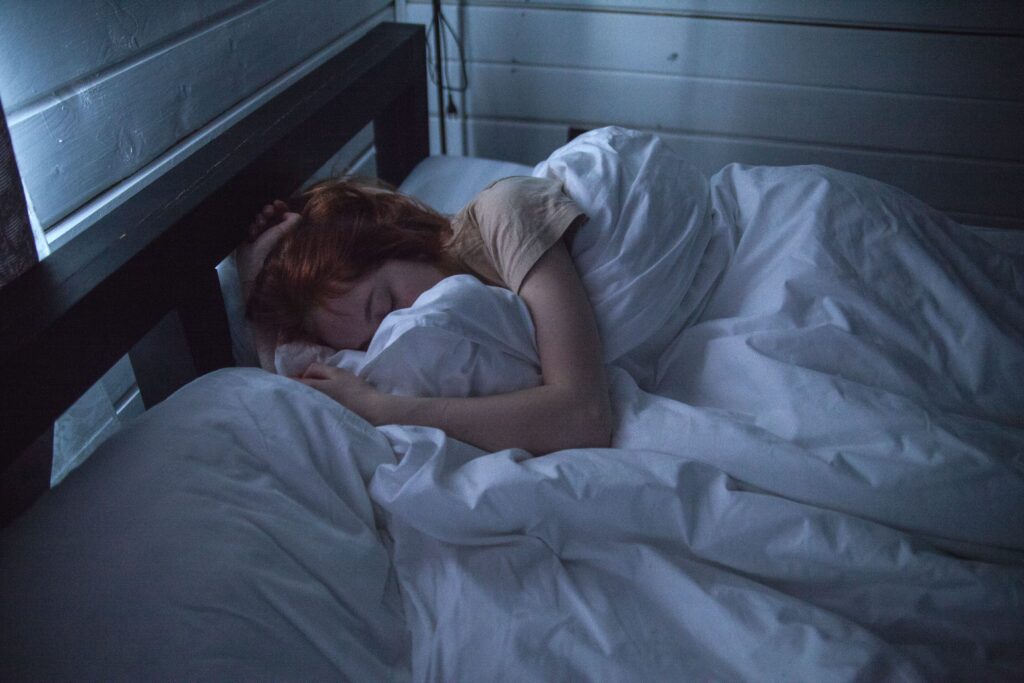
The symptoms of sleep apnoea mainly happen while you sleep, which is why they are so easy to miss. According to the NHS, the main night-time symptoms include breathing that stops and starts, gasping, snorting or choking noises, waking up a lot, and loud snoring. A partner or family member is often the first person to notice these signs, because the person with the condition is asleep when they happen.
Loud, regular snoring is the symptom most people associate with sleep apnoea, but not everyone who snores has the condition. What points more strongly towards sleep apnoea is snoring interrupted by silences, where breathing seems to stop, followed by a gasp, snort, or choking sound as breathing restarts. If someone who shares your bed has noticed these pauses, that observation is genuinely useful information to take to a GP, because it describes the breathing pattern that doctors look for.
Other night-time signs include waking up frequently, sometimes with a sensation of choking or gasping for air, and waking with a dry mouth or sore throat. Some people need to pass urine more often during the night, and some notice restlessness or sweating. None of these signs on its own proves sleep apnoea, since each can have other causes, but a combination of them, especially alongside loud snoring and breathing pauses, is worth getting checked.
It can be hard to tell whether you have sleep apnoea if you sleep alone. The NHS suggests it may help to ask someone to stay with you while you sleep so they can check for the symptoms, or to keep a simple note of how you feel on waking. If you regularly wake up feeling as though you have barely slept, or you are told you snore loudly and stop breathing at night, do not dismiss it as just being a heavy snorer.
Daytime Symptoms Of Sleep Apnoea
Because sleep apnoea fragments sleep night after night, the daytime symptoms can be just as telling as the night-time ones. The NHS lists feeling very tired during the day, finding it hard to concentrate, having mood

swings, and having a headache when you wake up as the main daytime symptoms. Many people describe the tiredness as different from ordinary tiredness: it is a heavy, persistent sleepiness that does not lift after a lie-in or a weekend of rest.
Difficulty concentrating is another common complaint. People with untreated sleep apnoea may find it harder to focus at work, forget things more often, or struggle to follow conversations. Irritability and low mood can follow, partly because of the sleep disruption itself and partly because of the frustration of never feeling properly rested. Morning headaches, which tend to fade as the day goes on, are also reported, and some people wake with a dry mouth.
In more severe cases, the daytime sleepiness can become intrusive. People may find themselves dozing off while reading, watching television, or sitting in meetings, and in the most serious cases there is a risk of falling asleep while driving. That is one reason why sleep apnoea is taken seriously by doctors: it is not only a matter of comfort, but of safety for the person affected and for others around them.
What Raises The Risk Of Sleep Apnoea?
Anyone can develop sleep apnoea, but certain factors make it more likely. The NHS links the condition to obesity, having a large neck, getting older, having other family members with sleep apnoea, drinking alcohol, smoking, having large tonsils or adenoids, sleeping on your back, and having chronic obstructive pulmonary disease (COPD). Excess weight is the most commonly cited factor, because extra tissue around the neck can narrow the airway, but plenty of people with sleep apnoea are not overweight, and a narrow airway or family history can play a role on their own.
Alcohol and smoking matter because both can affect the airway and the muscles that keep it open. Alcohol relaxes the throat muscles and can make apnoea episodes more frequent, particularly when drunk close to bedtime, while smoking can cause inflammation in the airway. Sleeping on your back can also make the airway more likely to narrow.
Sleep Apnoea Or Just Snoring?
Snoring is common and usually harmless, so it is natural to wonder where ordinary snoring ends and sleep apnoea begins. The key difference is what happens between the snores. Ordinary snoring is noisy breathing caused by vibration in a narrowed airway, but breathing continues. In sleep apnoea, breathing actually stops or becomes very shallow, repeatedly, through the night. That is why witnessed pauses in breathing, gasping, and choking sounds are more significant than snoring alone.
Daytime symptoms also help tell the two apart. Someone who snores but wakes refreshed, stays alert through the day, and has no morning headaches is less likely to have sleep apnoea than someone who snores loudly, is seen to stop breathing, and feels exhausted and unable to concentrate during the day. That said, only a proper sleep assessment can confirm or rule out the condition, and anyone with a combination of the symptoms described here should not try to self-diagnose on snoring alone. For a related look at broken sleep, see Why Do I Keep Waking Up At 4am? Causes And What Helps.
How Sleep Apnoea Is Diagnosed
Diagnosis usually starts with a visit to your GP, who will ask about your symptoms, your sleep, and whether anyone has noticed you stopping breathing at night. It can help to bring your partner or someone who has seen

the symptoms with you, since their account of your night-time breathing is valuable evidence. Your GP may also ask about daytime sleepiness, morning headaches, weight, blood pressure, and whether symptoms are affecting your driving or daily life.
If your GP thinks you might have sleep apnoea, they may refer you to a specialist sleep clinic for tests. At the clinic, you may be given devices that check things like your breathing and heartbeat while you sleep, which you wear overnight, usually at home, although sometimes an overnight stay in the clinic is needed. These tests show whether you have sleep apnoea and how severe it is, based on how often your breathing stops while you sleep.
Severity is measured with the apnoea-hypopnoea index, or AHI score, which counts breathing pauses per hour of sleep. An AHI of 5 to 14 is classed as mild, 15 to 30 as moderate, and over 30 as severe. The score, together with your symptoms, helps the sleep clinic decide what treatment, if any, is needed. Mild sleep apnoea may be managed with lifestyle changes alone, while moderate or severe cases more often need a device-based treatment.
The best-known treatment is a CPAP machine, which gently pumps air through a mask worn over the nose, or nose and mouth, while you sleep, keeping the airway open. Other options sometimes used include a device like a gum shield that holds the airways open and surgery such as removing large tonsils. Lifestyle changes can also help: losing weight if you are overweight, giving up smoking, reducing alcohol, keeping regular sleep times, and sleeping on your side.
When To See A GP
The NHS advises seeing a GP if you have any of the main symptoms of sleep apnoea, such as your breathing stopping and starting while you sleep, making gasping, snorting or choking noises while you sleep, or always feeling very tired during the day. You should seek help sooner, and not drive, if daytime sleepiness is affecting your ability to stay awake at the wheel or operate machinery safely. If sleep apnoea is confirmed, there are also driving rules to be aware of, and your clinician can explain what applies to your situation.
What Happens If Sleep Apnoea Is Left Untreated?
Without treatment, sleep apnoea can lead to other problems. The NHS lists high blood pressure, a higher chance of having a stroke, type 2 diabetes, heart disease, depression or mood changes, a higher chance of having a serious accident caused by tiredness, and difficulty concentrating at work or school. These risks build up over time as a result of repeated drops in blood oxygen and years of fragmented sleep, which is why early assessment matters even when the symptoms seem manageable.
The condition can also be difficult for a partner, who may be kept awake by snoring and worried by the breathing pauses, and that strain on sleep and relationships is another reason to seek help rather than simply putting up with it. None of this means every person who snores is heading for serious illness, but persistent symptoms deserve attention rather than being brushed aside as a quirk of sleep.
A Note On This Information
This article is general information only and is not medical advice. Sleep apnoea can only be diagnosed by a healthcare professional after proper assessment, and the right treatment depends on your individual situation. If you recognise the symptoms described here in yourself or someone you know, speak to your GP or another qualified healthcare professional rather than trying to diagnose or treat the condition yourself, and seek urgent help if breathing difficulties or severe daytime sleepiness are affecting safety.
Conclusion
Sleep apnoea symptoms are easy to overlook precisely because they happen while you are asleep, but the pattern is recognisable once you know what to look for: loud snoring broken by pauses in breathing, gasping or choking sounds, frequent waking, and daytime tiredness, poor concentration, mood changes, and morning headaches. If the signs sound familiar, the next step is simple: book a GP appointment, describe what you or your partner have noticed, and let a sleep assessment give you a clear answer. Regular movement can also support general wellbeing, and Brisk Walk: A Simple Daily Habit For A Healthier Life offers a gentle place to start.
Frequently Asked Questions
Can you have sleep apnoea without snoring?
Yes. Loud snoring is common but not universal, and some people with sleep apnoea snore quietly or not at all. Daytime tiredness, witnessed breathing pauses, and morning headaches can still point towards the condition, so snoring alone is not the deciding factor.
Does sleep apnoea go away on its own?
Not usually. Mild cases may improve with lifestyle changes such as weight loss, stopping smoking, and avoiding alcohol before bed, but moderate or severe sleep apnoea generally needs assessment and treatment through a sleep clinic.
Is a sleep study painful or difficult?
No. Most sleep studies involve wearing small sensors overnight, usually at home, that monitor breathing and heartbeat while you sleep. The devices are non-invasive, and an overnight clinic stay is only sometimes needed.
Can children be tested for sleep apnoea?
Yes. If a child snores loudly, has pauses in breathing, or shows daytime sleepiness or behaviour changes, a GP can advise whether referral to a sleep service is appropriate.
Leave a Reply