
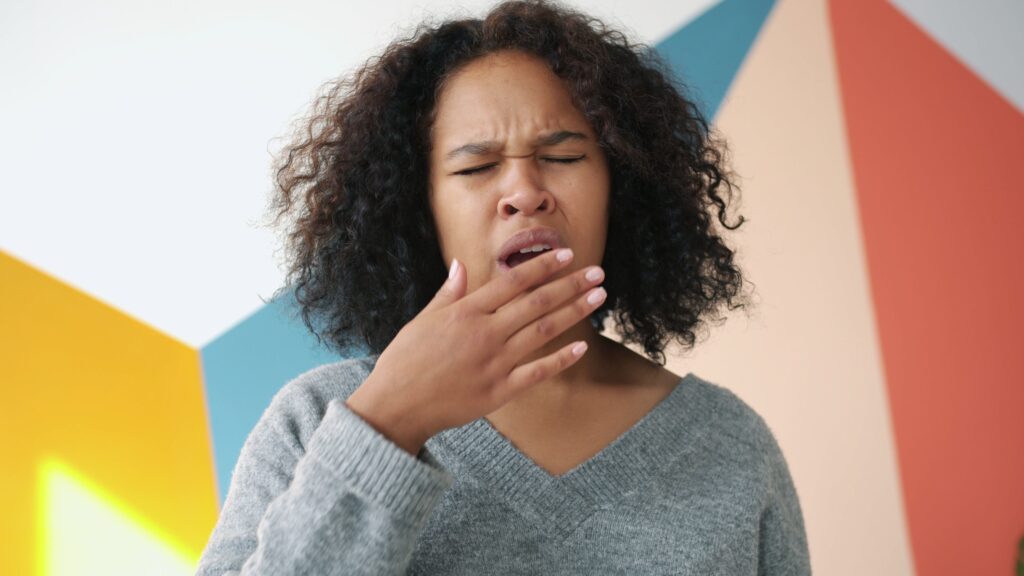
Sleep deprivation means regularly getting less sleep than your body needs, and its effects reach far beyond feeling tired the next morning. Most adults need around seven to nine hours of sleep a night, yet work schedules, screens, stress, and family life mean many people routinely fall short. When that shortfall builds up over days and weeks, concentration slips, mood suffers, and the immune system weakens.
What Is Sleep Deprivation?
Sleep deprivation is the state of not getting enough sleep, either because you sleep too few hours or because your sleep is so broken that it does not properly rest you. It can be short-term, after a single bad night or a few late nights in a row, or chronic, when insufficient sleep becomes the normal pattern for weeks, months, or longer. A single short night usually leaves you groggy and irritable but recoverable; chronic sleep deprivation is the pattern that carries the deeper health effects.
It helps to distinguish sleep deprivation from insomnia and from sleep disorders, even though they overlap. Insomnia is difficulty falling asleep or staying asleep despite having the opportunity to sleep, while sleep deprivation often happens when the opportunity itself is squeezed by lifestyle, work, or caring responsibilities. A sleep disorder such as sleep apnoea, in which breathing repeatedly stops during sleep, can also leave someone sleep deprived, but the cause there is a medical condition that needs its own assessment. In this article, the focus is on general sleep deprivation: getting too little sleep, for whatever reason, and what that does to you.
Sleep is not wasted time. During sleep, the body carries out repair, consolidates memories, supports the immune system, and regulates mood and appetite, which is why a shortage of sleep shows up in so many areas at once.
How Much Sleep Do Adults Need?
The NHS advises that adults typically need between seven and nine hours of sleep per night, although individual needs vary. Some people function well on seven hours, while others genuinely need closer to nine, and older adults tend to need a similar amount but may find their sleep becomes lighter and more broken. There is no single ideal number that suits everyone, which is why how you feel during the day matters as much as the hours you count.
A useful guide is daytime functioning. If you regularly need an alarm to wake up, feel drowsy through the afternoon, or rely heavily on caffeine to get through the day, you are probably not getting enough sleep, whatever the clock says. Teenagers and children need more sleep than adults, roughly nine to thirteen hours for children according to NHS guidance.
Short-Term Effects Of Sleep Deprivation
The short-term effects of sleep deprivation are familiar to almost everyone. After a poor night, concentration drops, reaction times slow, and simple tasks take longer and invite more mistakes. Memory suffers too: sleep is when the brain consolidates what it has learned during the day, so a night of short sleep can leave new information feeling slippery and hard to recall. These effects show up quickly, sometimes after a single night of significantly reduced sleep.
Mood is affected just as fast. Sleep-deprived people are more likely to feel irritable, impatient, and emotionally reactive, and small frustrations can feel much bigger than usual. Over time, this pattern can strain relationships at home and at work, because tiredness makes it harder to respond thoughtfully rather than snapping.
Physically, even short-term sleep deprivation leaves its mark. Energy drops, motivation to exercise falls, and appetite changes, with many people craving sugary foods and caffeine when tired. That craving is part of why poor sleep and weight gain often travel together: tiredness disrupts the hormones that regulate hunger, making high-calorie food more appealing and self-control harder to maintain. The immune system is also affected, with regularly sleeping fewer than seven hours linked to greater vulnerability to everyday infections such as colds.
Safety is another immediate concern. Tiredness impairs driving ability, and UK road safety guidance notes that sleepiness contributes to a significant share of traffic accidents. Anyone who feels drowsy behind the wheel should stop and rest rather than push on.
Long-Term Effects Of Poor Sleep
When sleep deprivation becomes chronic, the effects deepen. Regularly getting fewer than six hours of sleep a night has been linked by health charities and NHS sources to increased risk of stroke and heart disease, and short sleep can increase insulin resistance, a risk factor for type 2 diabetes. Sleeping fewer than five hours a night has been associated with higher diabetes risk, and shortened sleep can raise levels of C-reactive protein, a marker of inflammation in the body.
The immune effects also accumulate. Lack of adequate sleep suppresses the immune system, making the body more vulnerable to infections, and the metabolic and hormonal changes that come with poor sleep can contribute to digestive problems and weight gain over time. Mental health is affected too: chronic sleep problems are associated with a higher risk of anxiety and depression.
At work, persistent poor sleep shows up as lower performance and more errors, which is one more reason months of short sleep are worth addressing rather than accepting as normal life.
Common Causes Of Sleep Deprivation
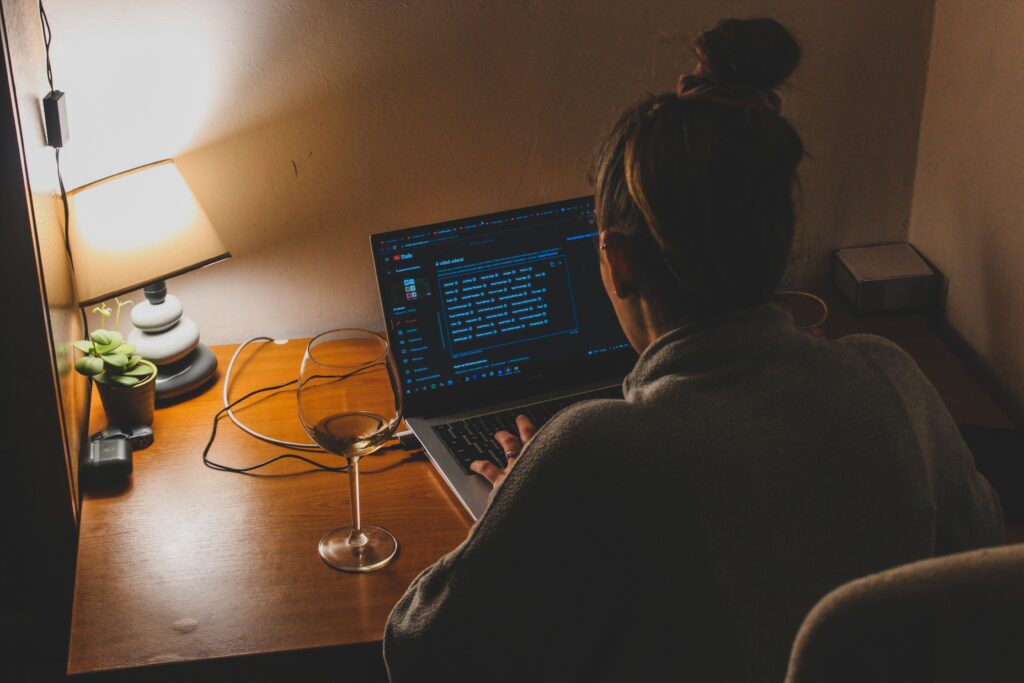
Sleep deprivation rarely has a single cause, and recognising your own pattern is part of fixing it. Work is a major factor: shift work, long hours, early starts, and job stress all squeeze sleep, and shift workers in particular often sleep at times when the body is primed to be awake. Caring responsibilities, whether for children or for older relatives, also interrupt sleep for long periods.
Lifestyle habits play a large role too. Late-night screen use keeps the brain alert and exposes it to light that can delay sleepiness, while caffeine late in the day, alcohol before bed, and heavy meals close to bedtime can all fragment sleep. Alcohol is a particular trap: it may help you fall asleep faster, but it disrupts the later stages of sleep and often leads to waking in the second half of the night. Irregular sleep times, such as very different bedtimes on weekdays and weekends, can also leave the body clock unsettled.
Stress, anxiety, and low mood are among the most common causes of all. Worry keeps the mind active at night, and the resulting poor sleep then makes the next day harder to cope with, creating a cycle that can be difficult to break without addressing the underlying worry. Physical discomfort, pain, and medical conditions can also disturb sleep, as can a noisy or uncomfortable bedroom or a partner’s snoring.
Sleep Deprivation Or A Sleep Disorder?
It is worth pausing on an important distinction. If you are getting enough time in bed but still wake exhausted, or if someone has noticed you stop breathing during sleep, the problem may not be simple sleep deprivation but a sleep disorder such as sleep apnoea. Similarly, persistent difficulty falling asleep or staying asleep, despite good habits and enough time in bed, may point to insomnia, which has its own treatments, including talking therapies such as cognitive behavioural therapy for insomnia.
The practical difference is this: sleep deprivation caused by lifestyle and schedule usually improves when you protect more time for sleep and build a steadier routine, while a sleep disorder needs medical assessment to identify and treat. If better habits do not help after a few weeks, or if symptoms such as loud snoring with breathing pauses are present, a GP appointment is the right next step.
Practical Steps For Better Sleep
Most sleep advice comes down to a few well-supported habits, applied consistently rather than perfectly. Keeping regular sleep and wake times, including at weekends, helps the body clock settle into a rhythm. A wind-down routine in the hour before bed, such as dimming lights, putting screens away, and doing something calming, signals to the brain that sleep is coming. The bedroom itself matters: a dark, quiet, cool room with a comfortable bed makes sleep easier, and keeping phones and laptops out of the bedroom removes a common source of late-night stimulation.

Daytime habits matter just as much as bedtime ones. Regular exercise during the day is linked to better sleep, and natural daylight in the morning helps set the body clock. Caffeine is best avoided in the late afternoon and evening, and alcohol close to bedtime should be kept to a minimum because of how it fragments sleep. Eating well and avoiding heavy meals late at night also helps, as does getting up at a set time even after a poor night, rather than lying in for hours and pushing the next night’s sleep later. For everyday ideas that support a calmer routine, Wellbeing Activities: Simple Ideas To Feel Better Every Day offers simple starting points.

Some strategies deserve a note of caution. Long daytime naps can make night-time sleep harder, so naps are best kept short and early in the afternoon if needed at all. Sleeping pills may help for a short period in specific situations, but they are not a long-term solution and should only be used on medical advice. If you find yourself lying awake for a long time, getting up and doing something quiet and relaxing until you feel sleepy is often more helpful than lying in bed worrying about not sleeping.
When To Seek Help
Most sleep deprivation improves with steadier habits, but some situations call for professional help. See a GP if poor sleep has lasted for weeks despite better sleep habits, if daytime sleepiness is affecting your work, driving, or safety, or if you have symptoms that suggest a sleep disorder, such as loud snoring with breathing pauses. Also seek help if low mood, anxiety, or persistent worry seem to be driving the sleep problem, since treating those can be the key to restoring sleep.
A short sleep diary kept for a week or two before the appointment — bedtime, time taken to fall asleep, night wakings, next-day feelings — gives a GP a much clearer picture than a general report of sleeping badly.
A Note On This Information
This article is general information only and is not medical advice. Sleep needs and sleep problems vary from person to person, and persistent sleep difficulties can have medical causes that need proper assessment. If poor sleep is affecting your health, work, or safety, or if you are concerned about a possible sleep disorder, speak to your GP or another qualified healthcare professional for advice suited to your situation.
Conclusion
Sleep deprivation is common, but it is not harmless and it is not something you simply have to live with. Short-term effects such as poor concentration, low mood, and impaired judgement appear quickly, while chronic short sleep is linked to higher risks of heart disease, stroke, diabetes, and mental health problems. The causes are usually a mix of work, lifestyle, stress, and environment, and the most effective response is usually a mix too: regular sleep times, a calming wind-down routine, a dark and quiet bedroom, daytime exercise, and limits on caffeine and alcohol before bed. If those steps do not help, or if symptoms suggest a sleep disorder, a GP can help find the underlying cause. A gentle daily walk can be a good place to begin, and Brisk Walk: A Simple Daily Habit For A Healthier Life explains why such a small habit can make a real difference.
Frequently Asked Questions
Can you catch up on sleep at the weekend?
A longer lie-in can ease the immediate grogginess, but it does not fully repay a week of short sleep, and very different weekend bedtimes can unsettle your body clock. A regular sleep schedule across the week works better than a cycle of weekday debt and weekend recovery.
Is six hours of sleep enough for an adult?
For most adults, no. The NHS advises seven to nine hours a night, and regularly sleeping fewer than six hours is linked to higher health risks. Some people naturally need less, but if you feel drowsy or struggle to concentrate during the day, you are probably not getting enough.
Does napping help with sleep deprivation?
A short nap of around twenty minutes early in the afternoon can help alertness, but long or late naps can make it harder to fall asleep at night. Naps are best used as a short-term boost, not a replacement for a full night’s sleep.
When is tiredness a sign of something more serious?
See a GP if tiredness persists for weeks despite good sleep habits, if you snore loudly with pauses in breathing, if you fall asleep during the day without meaning to, or if tiredness comes with other symptoms such as unexplained weight change or low mood.
Leave a Reply