
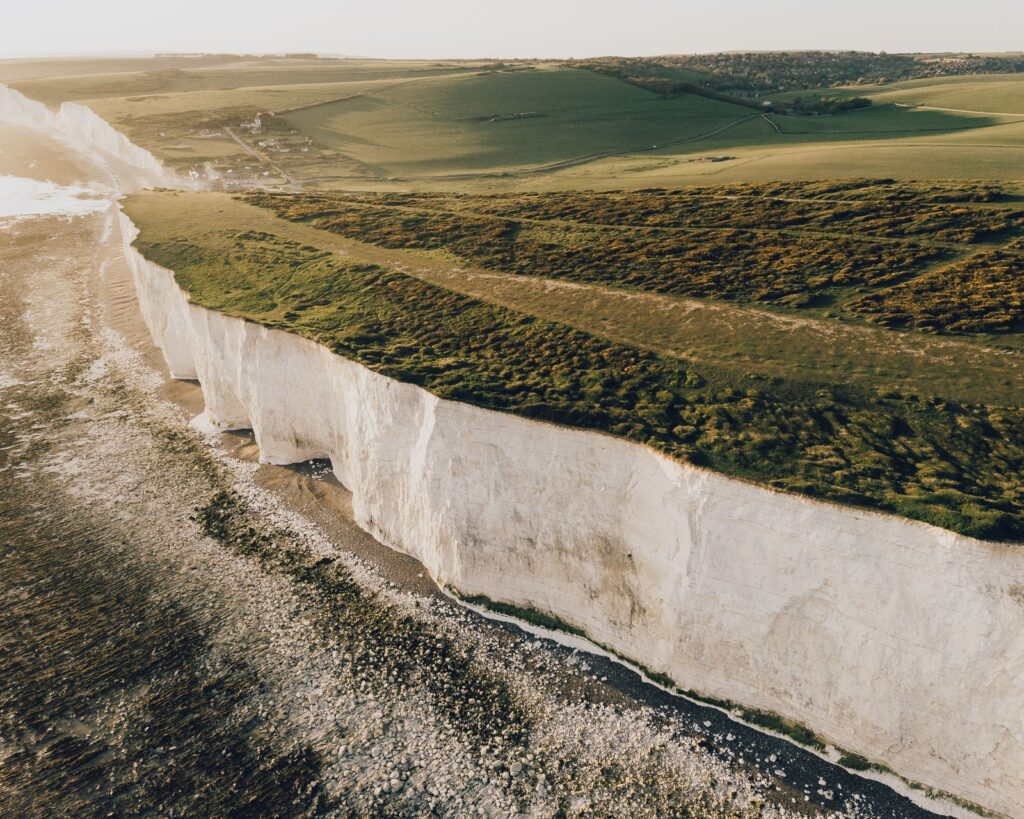
Kent sits in the south-east corner of England, between London and the English Channel, and it packs an unusual amount into one county. There are two historic cathedral cities, famous castles, a long coastline of chalk cliffs and sandy beaches, and the orchards and hop gardens behind Kent’s nickname, the Garden of England. The best things to do in Kent cover history, coast, countryside and food, and most of them sit within easy reach of London by train or car. This guide brings the highlights together so you can plan a day trip, a weekend or a longer stay.
Why Kent Is Worth More Than A Day Trip
Kent is often treated as a quick escape from London, and it works well for that. Trains run directly from London stations to Canterbury, Rochester, Dover, Whitstable and Margate, so many of the county’s best places can be reached without a car. Yet a single day only shows one corner of the county, and each area deserves time of its own.
The county’s appeal is its range. In one trip you can stand inside a cathedral that has drawn pilgrims for centuries, walk along cliffs that have symbolised England for generations, and finish the day eating oysters in a working fishing town.
Start In Canterbury — History, Cathedral And River Walks

Canterbury is the natural starting point for a first visit to Kent. It is a compact, walkable city with medieval streets, timber-framed buildings, independent shops and the River Stour running through its centre. The cathedral tower is visible from most parts of town, so it is easy to explore on foot.
Canterbury Cathedral And The UNESCO World Heritage Site
Canterbury Cathedral is the seat of the Archbishop of Canterbury, the spiritual leader of the Church of England. Christianity at Canterbury dates back to the arrival of St Augustine in 597, and the present cathedral was largely rebuilt between 1070 and 1077. Together with St Augustine’s Abbey and St Martin’s Church, the cathedral was inscribed as a UNESCO World Heritage Site in 1988.
Archbishop Thomas Becket was murdered inside the cathedral in 1170, and his shrine then drew pilgrims from across Europe for centuries. Geoffrey Chaucer’s The Canterbury Tales, written in the late fourteenth century, is built around a group of pilgrims travelling to Canterbury.
Inside, look for the great stained glass windows, some of which date from the twelfth and thirteenth centuries, the crypt, and the Bell Harry Tower, the cathedral’s central tower.
The City Beyond The Cathedral
Beyond the cathedral, Canterbury offers punting trips on the River Stour, which give a different view of the city’s old buildings and gardens from the water. The riverside paths and the Westgate Gardens make a pleasant walk. If you are planning a wider trip around England, our guide to the best places to visit in England puts Canterbury in a national context.
Dover And The White Cliffs — England’s Famous Coastline

South-east of Canterbury, Dover is where Kent meets the sea at its most dramatic. The town sits beneath the White Cliffs, the chalk cliffs that face France across the Strait of Dover. On a clear day the French coast is visible from the clifftops, a reminder of why this coast has been defended for so long.
Dover Castle, The Key To England
Dover Castle is often called the Key to England. The site has been fortified since at least the Iron Age, and the Romans built a lighthouse on the hilltop. William the Conqueror fortified Dover soon after the Battle of Hastings, but the castle seen today was largely begun by Henry II from 1179, including the great tower. Its defences were tested in the sieges of 1216 and 1217, when French forces failed to take it.
The castle’s later history is just as important. Tunnels cut into the cliffs during the Napoleonic Wars became a naval headquarters in the Second World War, and it was from here that Vice-Admiral Ramsay planned the evacuation of British and Allied troops from Dunkirk in 1940. Today the site is cared for by English Heritage, and its story is told in detail on the English Heritage website.
Walking The White Cliffs
The White Cliffs themselves are best experienced on foot. The clifftop paths around Dover and St Margaret’s Bay offer wide views across the Channel, and the South Foreland Lighthouse stands on the headland to the east of the town. Walkers should stay on the marked paths and keep well back from the cliff edge, as the chalk can be unstable. For many visitors this walk is the lasting memory of a trip to Kent.
Castles And Gardens In The Garden Of England
Kent’s nickname, the Garden of England, comes from its orchards, hop gardens and farmland, and its castles and gardens are among its finest attractions. The countryside between Maidstone, Tonbridge and the Weald holds several of the county’s best days out.
Leeds Castle
Leeds Castle stands on two small islands in the River Len, near Maidstone, surrounded by 500 acres of parkland. The first stone castle on the site was built in 1119, and in 1278 it became a royal palace under Edward I. Henry VIII later rebuilt parts of it, and it was used by a succession of medieval queens, which gave it a reputation as a castle of queens. In 1926 the American heiress Olive, Lady Baillie bought the castle and restored it, and before her death in 1974 she established a foundation to preserve it for the public. The setting is the main attraction: the castle reflected in the moat, the gardens and the wide parkland make it one of the most photographed places in Kent.
Hever Castle And Sissinghurst Castle Garden
Hever Castle, near Edenbridge, dates back to the thirteenth century and was the childhood home of Anne Boleyn, the second wife of Henry VIII. The castle is set in gardens with a lake and a maze, and its Tudor history gives it a very different atmosphere from the fortress at Dover. It works well as a half-day visit combined with the surrounding countryside.
Sissinghurst Castle Garden, near Cranbrook, is one of the most celebrated gardens in England. It was created in the 1930s by the writer and gardener Vita Sackville-West and her husband Harold Nicolson, on the site of an Elizabethan house, and it passed to the National Trust in 1967. The garden is laid out as a series of separate rooms, including the famous White Garden, each with its own planting and character. Together, Hever and Sissinghurst show two sides of Kent’s garden heritage: the formal gardens of a great house and the romantic planting of a twentieth-century garden writer.
Seaside Towns — Whitstable, Margate And Broadstairs
Kent’s north and east coasts are lined with seaside towns, each with its own character. Whitstable, on the north coast, is a working fishing town known for its oysters, its colourful beach huts and its harbour. The town hosts an oyster festival each summer, and its small streets are filled with galleries, cafes and independent shops.
Margate, on the Isle of Thanet, pairs a wide sandy beach with the Turner Contemporary art gallery on the seafront, the Dreamland amusement park and the mysterious Shell Grotto. The Old Town, with its vintage shops and cafes, is worth an hour on its own. Nearby Broadstairs has a smaller sandy bay and a quieter feel, and Botany Bay, with its chalk stacks rising from the beach, is one of the most striking stretches of coast in the county. For more ideas on English seaside trips, see our guide to what to see in Cornwall.
Rochester And The Historic Medway Towns
Rochester, on the River Medway, is one of Kent’s most rewarding historic towns. Its Norman castle keep is one of the best-preserved in England, and Rochester Cathedral stands beside it. The town’s connection with Charles Dickens is everywhere: Dickens lived nearby, set parts of his novels in the town, and Rochester still celebrates that link with its streets, museums and festivals. The High Street is lined with historic buildings, bookshops and cafes, and the riverside walk gives views across the Medway.
Planning Your Trip To Kent
A little planning makes a Kent trip much easier. The county is best explored in sections rather than all at once: Canterbury and the north coast in one trip, Dover and the south-east coast in another, and the castles and gardens of the Weald in a third. Trains connect London with the main towns, while a car gives more freedom in the countryside, where bus services can be infrequent.
Spring and summer are the most popular times to visit, when the gardens are at their best and the coast is warmest, but autumn brings quieter towns and good walking weather. Check the official websites of the places you plan to visit before you travel, as opening days and times can change through the year. The official Visit Kent website is a useful starting point for routes, events and practical information.
For general ideas on days out around the country, our UK days out guide is a useful companion to this one.
Key Takeaways
- Start with Canterbury Cathedral, a UNESCO World Heritage Site since 1988, and the historic streets around it.
- Dover Castle and the White Cliffs show Kent at its most dramatic, with history from the Romans to the Second World War.
- Leeds Castle, Hever Castle and Sissinghurst Castle Garden are the highlights of the Garden of England.
- Whitstable, Margate and Broadstairs offer three very different seaside days on the Kent coast.
- Rochester pairs a Norman castle and cathedral with Charles Dickens connections, close to London.
Conclusion
Kent earns its reputation as a county of contrasts. It holds one of the most important cathedrals in England, a castle that guarded the country for centuries, gardens that gardeners travel to see from around the world, and a coastline that runs from quiet fishing harbours to wide sandy bays. The best things to do in Kent are not crowded into one place: the county rewards travellers who take their time and explore it in sections.
Frequently Asked Questions
How Many Days Do You Need In Kent?
Two or three days cover the highlights comfortably. One day is enough for Canterbury or Dover on its own, while a weekend allows a cathedral city, a castle and a seaside town.
What Is The Best Base For Exploring Kent?
Canterbury is the best base for a first visit, with its cathedral, restaurants and train links to the coast. Maidstone suits the castles and gardens of the Weald, while Whitstable or Margate work well for a seaside-focused stay.
Is Kent A Good Day Trip From London?
Yes. Direct trains run from London to Canterbury, Rochester, Dover, Whitstable and Margate. Canterbury, Rochester and Whitstable are among the easiest day trips.
What Is Kent Famous For?
Kent is famous for Canterbury Cathedral and its UNESCO World Heritage Site, Dover Castle and the White Cliffs of Dover, its castles and gardens, and Whitstable oysters. It is also known for its long coastline and its historic links with Charles Dickens and Chaucer.
When Is The Best Time To Visit Kent?
Late spring and summer are best for gardens and the coast, when the weather is warmest and the gardens are in flower. Autumn is quieter and good for walking.
Do You Need A Car In Kent?
A car is not essential for the main towns, which are well served by trains, but it helps a great deal in the countryside, where castles such as Leeds and Hever and gardens such as Sissinghurst are easier to reach by road.
Leave a Reply