
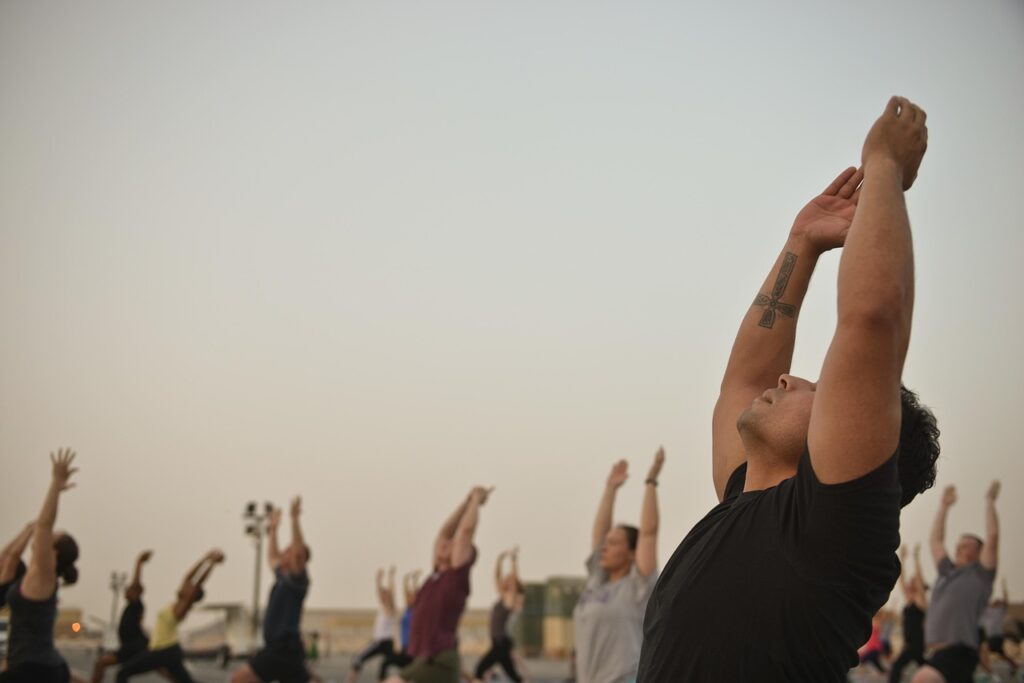
To define holistic in plain English: it means looking at the whole picture instead of one small part. When people talk about holistic health or a holistic lifestyle, they mean caring for the entire person — body, mind, emotions, relationships and daily environment — rather than treating one symptom or one problem in isolation. A headache, for example, is not only a pain in the head. In a holistic view, it might also be connected to poor sleep, stress, dehydration or long hours at a screen, and all of those things are worth looking at together.
The word comes from the Greek word “holos”, meaning whole. A holistic approach does not ignore conventional medicine. Instead, it adds to it, by paying attention to the habits, feelings and circumstances that shape how we feel day to day. This guide explains what holistic means, how it applies to health, which parts of life it covers, and how to bring it into an ordinary routine without spending a fortune or turning your life upside down.
What Does Holistic Actually Mean?
Holistic is an adjective that describes anything that considers the whole system rather than its separate pieces. A holistic view of a person sees health as the result of many things working together: what you eat, how you move, how you sleep, how stressed you feel, who you spend time with, and the place you live and work in. Change one of these and the others often shift too, which is why the approach looks at patterns instead of single causes.
It is worth clearing up a common misunderstanding here. Holistic does not mean the same thing as alternative, and it does not mean rejecting doctors or proven treatments. As Cleveland Clinic explains, holistic providers see you as a whole person, not just a set of symptoms, and holistic care should complement your primary care provider or specialist rather than replace them. In other words, the holistic part is the wider view, not a different kind of medicine altogether.
Holistic Health: Treating The Whole Person, Not Just The Symptoms
Holistic health is the idea that good health comes from balance across the different parts of your life. Conventional medicine is very good at diagnosing and treating specific problems, from infections to broken bones. Holistic health adds a second question: what is going on in the rest of this person’s life that might be affecting their health, and what could support their recovery or prevent the problem from coming back?
In practice, a holistic health conversation might cover your sleep, your diet, your stress levels, your relationships and your daily routine, not only your blood pressure reading. Cleveland Clinic’s integrative medicine service describes this well: your health is more than just your blood pressure reading, weight or body temperature, and many things guide how you feel — physically, emotionally, socially and even spiritually. That broader conversation is the heart of the holistic approach.
The Mind-Body Connection
One of the foundations of holistic health is the mind-body connection — the simple, well-established fact that mental and physical health affect each other. Stress can show up in the body as muscle tension, headaches, digestive trouble or tiredness — stress can even show up around the eyes. In the other direction, poor sleep or a long illness can lower mood and make it harder to cope.
Recognising this connection changes how problems are approached. Instead of asking only “what can stop this symptom?”, a holistic approach also asks “what is feeding it?” That might mean learning a breathing technique, getting outside for a walk, talking to someone you trust, or simply protecting your sleep for a few weeks.
Where Holistic Care Fits Alongside Conventional Medicine
It helps to be clear about the limits. Holistic and integrative approaches work best as a complement to conventional medicine, not a substitute for it. Cleveland Clinic is explicit on this point: holistic providers should not replace your primary care provider or specialist, and integrative therapies are meant to work alongside traditional care. Therapies such as massage, yoga, acupuncture and mindfulness are described as evidence-based complementary therapies that can sit inside a traditional care plan.
That distinction matters, because some products and practitioners make big promises without good evidence. A trustworthy holistic practitioner will encourage you to keep your doctor informed and will be honest about what is proven, what is promising, and what is still uncertain.
The Main Parts Of A Holistic Lifestyle
A holistic lifestyle is not one habit. It is a way of organising daily life so that several parts of it support each other. Most descriptions of holistic living cover five connected areas: the physical side (sleep, movement, food), the mental side (how you think, learn and manage stress), the emotional side (recognising feelings and asking for support), the social side (relationships and community), and the spiritual side (meaning and purpose, which for some people comes from faith and for others from nature, creativity or helping others).
You do not need to work on all five at once. Most people find it easier to start with the area that feels weakest or most urgent, and let the improvement there make the next step easier. Better sleep, for instance, often makes it easier to exercise, and regular exercise often improves mood and sleep in return.
Holistic Health Practices With Real Support Behind Them
Not every practice labelled holistic has solid evidence behind it, so it is worth separating the habits with good support from the ones that are mostly marketing. The practices below are widely recommended by health authorities, and they fit most naturally into everyday life.
Sleep is the foundation. Most adults need seven to nine hours a night, and regular sleep supports both physical and mental health. A regular bedtime, a dark and cool bedroom, and less screen time in the hour before bed are small changes that many people find help more than any supplement.
Movement is the second pillar, and it does not need to mean the gym. Walking, cycling, gardening, dancing and stretching all count. Regular movement supports heart health, mood, sleep and energy, and even short walks during the day can break up long periods of sitting. Many people look for simple ways to feel more energetic and refreshed during a busy day, and movement is one of the most reliable. The key is finding something you enjoy enough to repeat, because consistency matters far more than intensity.

Food is the third pillar, and the holistic view of food is refreshingly simple: eat a varied diet with plenty of vegetables, fruit, wholegrains and protein, drink enough water, and keep highly processed foods and alcohol moderate rather than forbidden. No single food or diet has been shown to be a cure-all. If you have a medical condition that affects your diet, advice from a doctor or registered dietitian is worth far more than anything on a wellness blog.

Stress management is the fourth pillar. Slow breathing, meditation, time in nature, journalling and simply taking proper breaks during the day are all ways to lower stress. Calming routines, such as aromatherapy with a relaxing scent, can also help create a calmer atmosphere at home. The NHS recommends a simple calming breathing exercise for stress and anxiety: breathe in gently through your nose, letting the breath flow down towards your belly, and breathe out through your mouth, counting to five on each breath if that helps, for at least five minutes. Practised regularly, this kind of slow breathing helps many people feel calmer and more in control.
Finally, social connection is often the most overlooked part of holistic health. Spending time with people you like, joining a group or volunteering all support wellbeing, and loneliness is linked with poorer health.

What Holistic Living Is Not
Because the word holistic is popular, it is also used to sell things that have little to do with it. It is worth knowing what holistic living is not, so you can spot the difference.
Holistic living is not a rejection of science. A genuinely holistic approach welcomes evidence and is honest about uncertainty. It is not a promise of a quick cure. Real change in sleep, fitness or stress usually takes weeks, not days, and anyone promising instant results is selling something. It is not a lifestyle that only wealthy people can afford: many of the most useful holistic habits — walking, sleeping well, cooking simple food, breathing slowly, spending time with friends — cost nothing at all. And it is not a replacement for medical treatment. If you have symptoms that worry you, a doctor should be your first call, not a wellness product.
How To Start A Holistic Lifestyle In Small Steps
Starting a holistic lifestyle works best when you begin small and build slowly. Choose one area, make one change, and let it settle before adding another.
Here is a simple way to begin:
- Fix your sleep first. Set a regular bedtime and wake time, even at weekends, and keep screens out of the bedroom for the last half hour before sleep.
- Add one daily walk. Even twenty minutes outside, ideally in daylight, supports movement, mood and sleep at the same time.
- Cook one extra home meal a week. Simple food made from fresh ingredients is usually cheaper and healthier than takeaways.
- Practise slow breathing for five minutes a day. Use the NHS technique described above, and treat it as a daily habit rather than an emergency tool.
- Reconnect with one person. Call a friend, invite a neighbour for tea, or join a local group. Social connection is part of health, not an extra.
- Clear one source of daily friction. A tidy desk, a calmer morning routine or a phone-free hour in the evening can lower stress more than you might expect.
When To Speak To A Doctor
This article is general information, not medical advice. Holistic habits support good health, but they do not diagnose or treat illness. Speak to your GP or another healthcare professional if you have symptoms that persist, get worse, or worry you, if you are considering stopping or changing a prescribed medicine, or if you are thinking about trying a therapy or supplement that could interact with your treatment. If anxiety, low mood or stress is affecting your daily life, the NHS advises seeing your GP, who can discuss self-help resources and talking therapies.
Frequently Asked Questions
What Is The Simple Meaning Of Holistic?
Holistic means considering the whole of something rather than just one part. In health, it means looking at the entire person — body, mind, emotions, relationships and environment — instead of focusing on a single symptom.
Is Holistic Medicine The Same As Alternative Medicine?
No. Holistic medicine looks at the whole person, but it is meant to work alongside conventional medicine, not replace it. Alternative medicine is often used to describe treatments used instead of conventional care, and that is a different thing.
Do I Need To Spend Money To Live Holistically?
No. The most useful holistic habits — walking, sleeping well, cooking simple meals, breathing slowly, spending time with people you like — cost little or nothing. Be cautious of expensive products that promise quick results.
How Long Does It Take To Feel The Benefits?
It varies. Some people notice better sleep or calmer moods within a couple of weeks of small changes, while deeper changes take longer. Consistency over months matters far more than any single week of effort.
To define holistic in one sentence: it is the choice to care for the whole person, not just one part of them. That means paying attention to sleep, movement, food, stress, relationships and meaning, and letting those pieces support each other. It does not require expensive products, extreme diets or rejecting modern medicine. Start with one change, notice how it feels, and build from there. Your health is not a single number or a single symptom. It is the sum of how you live, and a holistic approach simply means living with all of it in mind.
Leave a Reply