
Stress is a normal part of life, and almost everyone feels it at some point, whether the cause is work, money, family, health or simply having too much to do. A little pressure can even help you focus, but when stress builds up and does not ease, it can leave you tired, tense, irritable and unable to sleep, and it can make everyday tasks feel much harder than they should. The good news is that there are practical steps you can take to feel calmer, and most of them are small, free and easy to fit into a normal day. This guide explains how to alleviate stress using ideas from the NHS and Mind, so you can try what feels comfortable and build small habits that help.
Start By Noticing What Causes It
The NHS puts it simply: if you are stressed, whether by your job or something more personal, the first step to feeling better is to identify the cause. That sounds obvious, but it is easy to spend weeks feeling on edge without ever stopping to name what is actually putting pressure on you. Try setting aside ten quiet minutes with a notebook and writing down what has felt stressful in the last few days, when it happened, and what was going on at the time. You may notice a pattern, such as a certain task or a run of poor sleep. Feeling like you have no control over a situation can make stress feel worse, so the next step is to sort what you can change from what you cannot. If your workload is the problem, you may be able to talk to your manager, set clearer limits, or change how you plan your day. If a situation cannot be changed, you can still choose how you respond to it, and that sense of taking control can itself be empowering. The NHS also warns against turning to smoking or drinking to cope, because they will not solve the problem. Its 10 stress busters from the NHS set out these ideas clearly, and they are a good first read before you try anything else.
Be Active, Even In Small Ways
Movement is one of the most reliable ways to ease stress, and it does not have to mean a gym session or a long run. The NHS explains that exercise will not make your stress disappear, but it can reduce some of the emotional intensity you are feeling, clearing your thoughts and letting you deal with your problems more calmly. A brisk walk, a gentle stretch, a short cycle ride or dancing to a favourite song in your kitchen all count. Mind gives the same advice in its wellbeing guidance: try to build physical activity into your daily routine if you can, and if you are not used to being active, start small and find something you enjoy. A walk at lunchtime, for example, gives you time to clear your head from the morning and helps prepare you for the afternoon, and it also reminds you to look after yourself. If a full walk feels too much, try five minutes of stretching or a few minutes in the garden. If you would like ideas for better rest after an active day, our guide on how to fall asleep fast explains simple wind-down steps that pair well with daytime movement.
Take Control Of What You Can
When everything feels urgent at once, it helps to slow down and choose what matters most. Working smarter, as the NHS puts it, means prioritising your work, concentrating on the tasks that will make a real difference, and leaving the least important tasks to last. Accept that you will not have time for everything, and let that be all right. A short to-do list of three items can make a busy day feel manageable. It also helps to break large tasks into smaller steps. Mind advises taking things slowly and setting smaller, more manageable goals, so that you can see your achievements as you go, and if the first step still feels too hard, breaking it into an even smaller one. Telling people how you feel is part of this too: if people are making unreasonable demands of you, it is all right to say so, and to say no. Try writing down three things that went well at the end of each day, as the NHS suggests.
Connect With People You Trust
Stress feels heavier when you carry it alone. A good support network of colleagues, friends and family can ease your troubles and help you see things in a different way, and the activities you do with friends can help you relax and relieve stress. Talking things through with a friend may also help you find solutions to problems you have been turning over on your own. Mind makes the same point: opening up to someone you trust could be a friend, a partner or a family member, or you could call a helpline or listening service such as Mind’s infoline or the Samaritans. Helping other people can help too: the NHS notes it may help you become more resilient, even in small ways such as making a colleague a cup of tea. Small acts of kindness connect you to other people and give your day a sense of purpose beyond your own worries.
Take Breaks And Make Time For Yourself
Many of us work long hours, which means we often do not spend enough time doing things we really enjoy. The NHS advises setting aside a couple of nights a week for quality time away from work, whether that means socialising, relaxing or exercising, because time for yourself is not a luxury, it is part of looking after your wellbeing. Mind adds that if you are feeling overwhelmed by a stressful situation, a change of scene may help you relax and relieve feelings of distress, even just for a few minutes. Try to make time for something you enjoy on a regular basis: cooking a meal, getting in touch with a friend, watching television, reading a book, listening to music or spending time in nature. Mind notes that spending time in nature can help improve your mood and reduce feelings of stress. If your day is packed, start with five minutes: step outside, make a cup of tea, stretch, or sit by a window and do nothing at all. Our article from morning routine to night routine shows how small habits morning and evening can support better health.
Focus On The Present
When stress takes hold, your mind often races ahead to what might go wrong tomorrow, or replays what went wrong yesterday. Paying attention to the present moment, which is sometimes called mindfulness, can help. Mind explains that you can use techniques such as meditation or breathing exercises, or you can practise mindfulness by paying more attention to your senses while doing things you do each day, for example while washing up or eating. Focusing on the present can help you become more aware of your thoughts and feelings, so that instead of being overwhelmed by them, it may become easier to manage them. A simple breathing exercise is a good place to begin: sit comfortably, breathe in slowly through your nose, and breathe out slowly through your mouth, letting your shoulders drop as you breathe out. Do this for a minute or two, and notice the feeling of the air and the rise and fall of your chest. You can also try grounding: name five things you can see, four you can touch, three you can hear, two you can smell and one you can taste. Mind’s guide to improving your mental wellbeing explains these ideas in more detail, including relaxation, sleep, nature and connecting with others.

Sleep, Food And Daily Routine
How well you sleep affects how you cope with stress, and stress in turn can affect your sleep, so it is worth protecting your rest. Mind suggests establishing a routine around bedtime to help set a regular sleeping pattern, giving yourself tech-free time before sleep, avoiding bright screens, and doing a relaxing activity such as having a bath or trying a relaxation exercise before bed. It may also help to avoid caffeine before bedtime, because it can keep you awake, and to make your sleeping environment comfortable with small changes such as a low light or different bedding. Mind reminds readers that it is normal to struggle sometimes, and that just lying in bed and resting can also help. For more ideas, see our guide on how to improve sleep quality. Food and drink matter too. Mind advises drinking water regularly and eating regular meals, because what you eat can affect your wellbeing, including your mood and energy levels, and skipping meals can leave you feeling worse. The NHS advises not relying on alcohol, smoking or caffeine as ways of coping.
When To Ask For Extra Support
Everyday steps can help a great deal, but there are times when extra support is the right choice. If stress feels severe, lasts for weeks, stops you sleeping, eating or working, or leaves you feeling unable to cope, speak to your GP or another qualified health professional. You do not need to wait until things feel unbearable to ask. If you are in crisis and need to talk now, you can call Samaritans on 116 123, free, at any time. It can also help to tell someone close to you that you are finding things hard, even if you are not sure what kind of help you need. Support can come from a friend, a family member, a colleague, a community group, or a professional, and asking for it is a practical step, not a sign of weakness. Stress will not vanish in a day, but small steps, repeated often, can make it easier to carry. Start with one idea from this guide, try it for a few days, and build from there.
Frequently Asked Questions
What Is The Fastest Way To Alleviate Stress?
There is no single fastest fix, but a short breathing exercise, a change of scene, or a brisk walk can ease the rush of feelings in the moment. For longer-term relief, the NHS and Mind point to the same habits: finding the cause, moving regularly, talking to someone, taking breaks and protecting sleep.
Does Exercise Really Help With Stress?
Yes, in the way the NHS describes it: exercise will not make your stress disappear, but it can reduce some of the emotional intensity you are feeling, clearing your thoughts and letting you deal with your problems more calmly.
Can Breathing Exercises Help Me Feel Calmer?
Breathing exercises can help you cope and feel more in control, and Mind lists them among its suggested techniques for managing worry. Try breathing in slowly through your nose and out slowly through your mouth for a minute or two, and notice how your body feels.
How Does Sleep Affect Stress?
Poor sleep can make it harder to cope with daily life, and stress can make it harder to sleep, so the two often feed each other. A regular bedtime, tech-free time before sleep and avoiding caffeine late in the day are steps Mind suggests.
When Should I See A GP About Stress?
Consider speaking to your GP if stress feels severe, lasts for weeks, or stops you sleeping, eating or working. If you are in crisis, call Samaritans on 116 123.
Disclaimer: This article is general information only and is not medical advice. If stress is severe, persistent, or affects your daily life, please speak to your GP or another qualified health professional. If you are in crisis and need to talk now, call Samaritans on 116 123.
Sources
- NHS — 10 Stress Busters (stress busters including being active, taking control, connecting with people, me time, avoiding unhealthy habits, working smarter, being positive, accepting what cannot be changed)
- Mind — How To Improve Your Mental Wellbeing (relaxing and reducing stress, focusing on the present, connecting with others, looking after physical health, improving sleep, spending time in nature)
- FM Magazine — How To Fall Asleep Fast
- FM Magazine — How To Improve Sleep Quality
- FM Magazine — From Morning Routine To Night Routine
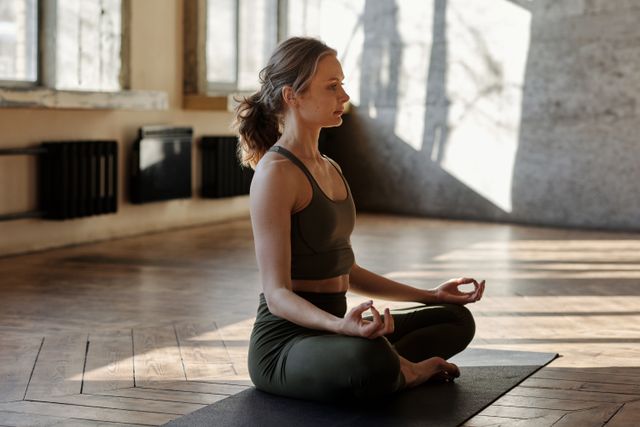
- Pexels — A Woman Meditates In A Peaceful Yoga Pose Indoors (Photo by Cliff Booth; featured image, landscape 6000×4004)
- Pexels — Woman Meditating In A Garden At Dawn (Photo by RAY LEI; body image, landscape 6720×4480)
Image credits (plain text): Featured image — Photo by Cliff Booth on Pexels. Body image 1 — Photo by RAY LEI on Pexels.
Leave a Reply