
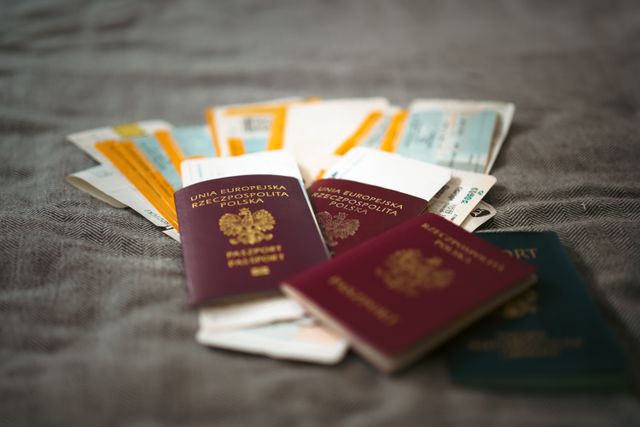
No, UK citizens do not need a visa to visit the EU for a short stay. If you hold a full British citizen passport, you can travel to the Schengen area for tourism, visiting family or business meetings for up to ninety days in any 180-day period without applying for a visa. What you do need is a passport that meets the validity rules, and from your first crossing you will be registered in the EU’s digital Entry/Exit System. A separate travel authorisation called ETIAS is coming, but as of November 2026 it has not launched and no UK traveller needs one. The rules changed after Brexit, which is why the question causes so much confusion. This guide sets out the current position clearly, so you can check what applies to your trip and travel with confidence.

The Short Answer: No Visa For Short Stays
Since the UK left the EU, British citizens are treated as visitors from outside the EU, but they remain visa-exempt for short stays. That means a holiday, a city break, a family visit or a business trip of up to ninety days needs no visa application, no embassy visit and no fee. You simply arrive with your passport and go through border control. The same applies to France, Spain, Italy, Portugal, Greece, Germany and the Netherlands, because they are all part of the Schengen area and share one set of short-stay rules. The visa-free stay covers tourism, visiting friends and relatives, attending conferences and business meetings. It does not cover taking up paid work, and it does not cover stays longer than ninety days.
The 90-Day Rule In Detail
The ninety-day limit is the single most important rule for UK travellers, and it is also the one most often misunderstood. The rule is ninety days in any rolling 180-day period, counted across the whole Schengen area as one block, not ninety days per country. A month in France followed by a month in Spain and a month in Italy uses your entire allowance. Moving between Schengen countries does not reset the count, and leaving for a weekend does not restart it either. The 180-day window rolls: on any given day, you look back over the previous 180 days and count how many of them you spent inside the Schengen area. Days drop out of the count one at a time as they pass 180 days old, so after ninety days in a row outside the area you can stay for a full ninety days again. Both your arrival day and your departure day count as days inside the area. For a two-week holiday none of this matters, but for anyone planning a long stay or several trips in quick succession, keeping a simple note of your travel dates is the easiest way to stay inside the limit. Overstaying can lead to a ban from entering Schengen countries for up to three years, so the count is worth taking seriously.
Which Countries Does The Rule Cover?
The ninety-day rule applies across the Schengen area, which has twenty-nine member countries: Austria, Belgium, Bulgaria, Croatia, Czechia, Denmark, Estonia, Finland, France, Germany, Greece, Hungary, Iceland, Italy, Latvia, Liechtenstein, Lithuania, Luxembourg, Malta, the Netherlands, Norway, Poland, Portugal, Romania, Slovakia, Slovenia, Spain, Sweden and Switzerland. Iceland, Norway, Switzerland and Liechtenstein are not EU members but are part of the Schengen area, so the same rule applies to them. Your ninety days are shared across all twenty-nine, which is why a trip that hops between countries still counts as one continuous stay. A few European destinations sit outside this system. The Republic of Ireland is in the Common Travel Area with the UK, so the ninety-day rule does not apply to British citizens travelling there. Cyprus is an EU member but not in Schengen, and it has its own separate allowance of up to ninety days in 180 days.
Passport Rules For UK Citizens
Your passport is the document that can still stop a trip before it starts, so check it early. For travel to the Schengen area your passport must have a date of issue less than ten years before the day you arrive, and an expiry date at least three months after the day you plan to leave. Both tests matter. The ten-year rule catches people who renewed early under the old system, when extra months were added to the new passport: a passport issued more than ten years before your arrival date is not valid for Schengen entry, even if it has not yet expired. The three-month rule means you need roughly three and a half months left on your passport on the day you fly out for a fortnight’s holiday. GOV.UK provides a passport checker for travel to Europe that runs both tests against your exact dates. Children need their own passports too, and the same validity rules apply to them.
The Entry/Exit System: What Happens At The Border
The biggest practical change at the border in recent years is the EU’s Entry/Exit System, known as EES. It began its rollout on 12 October 2025 and became fully operational across the Schengen area on 10 April 2026, replacing passport stamps with a digital record. On your first entry you will be asked for a facial photo and fingerprints, and the system then records each entry and exit automatically, counting your days against the ninety-day limit. Registration is free and happens at the border when you travel. If you cross at the Port of Dover, Eurotunnel Le Shuttle at Folkestone or Eurostar from London St Pancras, the EES checks are completed at the border controls before you leave the UK, so allow extra time at departure, particularly on your first trip. UK nationals who hold a residence permit in an EU country are exempt from EES registration, and dual nationals travelling on an EU passport are also exempt.
ETIAS: What It Is, When It Starts, And What It Costs
ETIAS, the European Travel Information and Authorisation System, is the new requirement most often confused with a visa. It is not a visa. It is a pre-travel authorisation for travellers who do not need a visa, and it will eventually apply to UK citizens travelling to thirty European countries for a short stay: the twenty-nine Schengen countries plus Cyprus. The published fee is twenty euros, and it is expected to be valid for three years or until your passport expires, whichever comes first. Travellers under eighteen and over seventy are expected to be exempt from paying the fee. Here is the part that matters right now: as of November 2026, ETIAS is not in operation and no applications are being accepted. The EU had planned to launch it in the last quarter of 2026, but that date was removed from official EU pages in October 2026, and no new start date has been announced. No UK traveller needs an ETIAS for a trip in 2026, and you should not pay anyone who claims to sell you one. When the system does launch, the only official application routes will be the EU website and the official ETIAS app, and the EU says it will announce the start date several months in advance. Until then, check the official ETIAS pages before each trip. For the rules as they apply to a specific country, the GOV.UK entry requirements pages give the UK government’s current understanding for British passport holders.
When You DO Need A Visa
A visa becomes necessary as soon as your plans go beyond a short visit. If you want to stay in the Schengen area for more than ninety days in a 180-day period, you need a long-stay visa or residence permit from the country where you plan to spend most of your time, and you must apply before you travel. The same applies if you want to work in an EU country: UK citizens need a work visa or permit to take up paid employment, and the requirements differ from country to country. Studying for more than ninety days also needs a student visa or residence permit. Even some shorter activities can need permission, depending on the country, so check the rules of your destination before you assume a trip is covered. Applications go through the embassy or consulate of the country concerned and can take weeks, so start early.
Ireland, Cyprus And Other Exceptions
A few destinations follow different rules. The Republic of Ireland is covered by the Common Travel Area, a long-standing arrangement between the UK and Ireland. British citizens do not need a passport to enter Ireland, though airlines and ferry companies usually ask for photo ID, and there is no ninety-day limit. Time spent in Ireland does not count towards your Schengen allowance. Cyprus is an EU member but not in the Schengen area, so UK citizens can stay there for up to ninety days in a 180-day period without a visa, counted separately from Schengen days, and ETIAS will apply to Cyprus when it launches. Since 15 July 2026, GOV.UK advises that time spent in Gibraltar counts alongside the Schengen area towards the ninety-day limit.
Your Pre-Trip Checklist
- Passport: Check the date of issue is less than ten years before arrival and the expiry date is at least three months after your planned departure.
- Ninety-day count: Add up your Schengen days in the last 180 days, including any trips you have already taken this year.
- ETIAS: As of November 2026, no action is needed. Check the official EU pages before your next trip in case the position changes.
- First EES crossing: Allow extra time at Dover, Folkestone or St Pancras for fingerprint and photo registration.
- Travel insurance: Arrange cover for medical costs, cancellations and lost belongings.
- Longer stays and work: If you plan to stay beyond ninety days or to work, apply for the right visa or permit well in advance.
what to pack once the paperwork is sorted
tips for arriving fresh after a long journey
Frequently Asked Questions
Do UK Citizens Need A Visa For Europe In 2026?
No, not for a short stay. UK citizens can spend up to ninety days in any 180-day period in the Schengen area without a visa. You need a visa or permit only if you plan to work, study or stay longer than ninety days.
Do I Need ETIAS To Travel To Europe From The UK?
Not yet. As of November 2026, ETIAS is not in operation and no applications are being accepted. The EU removed its planned launch date in October 2026 and has not announced a new one.
How Does The 90/180-Day Rule Work?
On any day you are in the Schengen area, count your Schengen days in the 180 days ending that day. The total must stay at ninety or below. The limit is shared across all twenty-nine Schengen countries, and both arrival and departure days count.
What Happens At The Border Under EES?
On your first entry since the system went fully live on 10 April 2026, your photo and fingerprints are taken and your entry is recorded digitally. Later crossings are quicker. Registration is free, and there is nothing to apply for in advance.
Conclusion
The short answer to the question in the title is reassuring: UK citizens do not need a visa for the EU for a normal holiday or short visit. The ninety-day rule, the passport validity tests and the new Entry/Exit System are the real things to get right, and none of them is difficult once you know about them. ETIAS is coming, but it is not here yet, and no one should be paying for it in 2026. Check your passport, count your days and allow a little extra time at the border on your first crossing, and the rest of your trip is the easy part.
Leave a Reply