
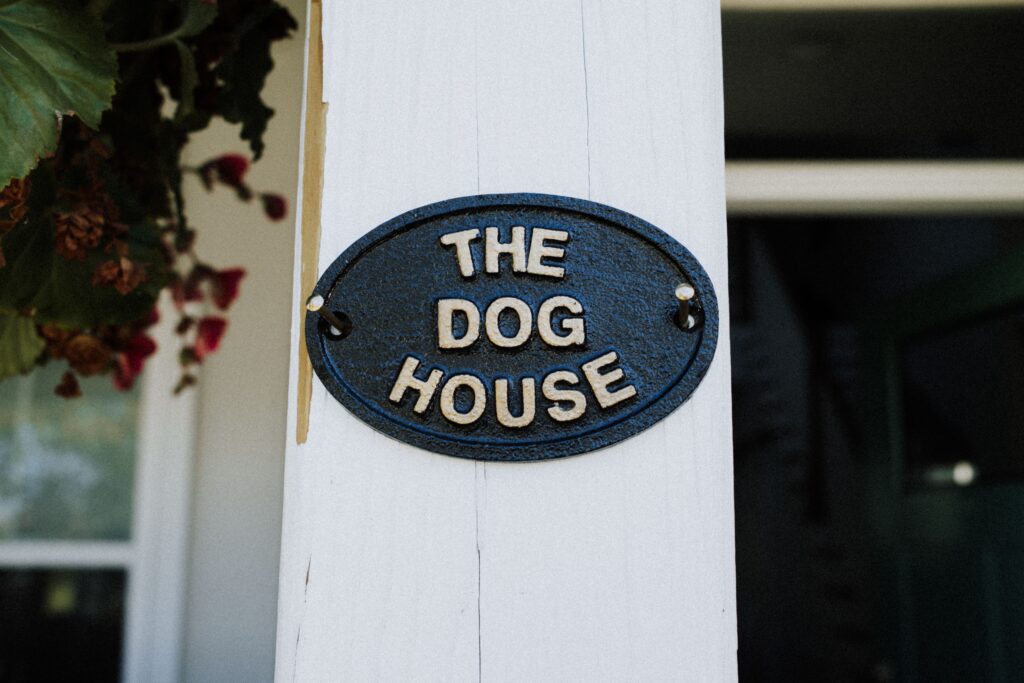
A house sign is a small detail that does a big job. It tells visitors, delivery drivers and emergency services that they have found the right home, and it sets the tone for everything else they see when they arrive. The best house sign is easy to read from the street, suits the style of your home, and still looks good after years of rain, frost and sun. Choosing one well is mostly a matter of getting four things right: the material, the style, the placement and the wording.
Key Takeaways
- Your house number is the most important part of the sign. If your home has a number, display it clearly and keep using it in your address.
- Slate, stainless steel and aluminium cope best with British weather, while wood needs regular sealing and acrylic suits a lower budget.
- Test readability from the road, not from your front step. If a stranger cannot read it easily, it is too small, too fussy or too poorly lit.
- Match the sign to your home’s character. A cottage, a Victorian terrace and a new-build flat do not suit the same design.
What A House Sign Actually Does
A house sign is more than decoration. Its first job is practical: it identifies your home. When a sign is faded, hidden behind a plant or written in a hard-to-read script, every visitor has to guess, and deliveries and callers waste time working out which house is yours. Clear numbering also matters in an emergency, when someone arriving under pressure needs to find the right property at once.
Its second job is visual. The front of your home is the first thing people see, and the sign sits right at the heart of it, usually beside or above the front door. A well-chosen sign makes the entrance look cared for and complete. A cheap, peeling or badly placed one does the opposite, even if the rest of the house looks smart. That is why it is worth spending a little time on a detail that costs far less than a new door or a garden redesign.
There are two main types of house sign. A house number sign shows the number, sometimes with the street name. A house name sign shows a name, such as Rose Cottage, either on its own or alongside the number. Many homes combine the two. Which type suits you depends on how your address is officially registered, which is covered in the UK rules section below.
House Sign Materials Compared
Material is the most important practical decision, because it decides how your sign weathers. British weather means repeated wetting and drying, frost in winter and strong sun in summer, and not every material handles that cycle equally well.
Slate And Natural Stone
Slate is the traditional choice for a good reason. Natural slate has excellent outdoor weathering properties: it does not fade, rot or corrode, and a well-made engraved slate sign can last for decades. The lettering is usually cut into the stone, so it cannot peel off. Slate suits cottages, period homes and country properties, and it also works well on modern homes when the design is kept simple. The drawbacks are weight and cost. A slate plaque is heavier than other options, so it needs solid fixings, and it usually costs more than acrylic or wood.
Stainless Steel And Aluminium
For a clean, contemporary look, stainless steel and aluminium are hard to beat. Both are durable and need very little maintenance, and they suit new builds, flats and modern extensions. Stainless steel in particular resists corrosion, which makes it a sensible choice for coastal homes where salty air attacks lesser metals. Powder-coated aluminium adds colour choice while keeping the weight down. The main thing to check is the grade and finish: a sign made for indoor use will not survive long outdoors, so buy one that is explicitly described as suitable for exterior use.
Brass And Bronze
Brass and bronze give a classic, warm look that suits Victorian and Edwardian homes, especially paired with a painted front door and matching door furniture. Over time, brass develops a patina, a soft darkening of the surface that many people like but some do not. If you prefer a bright finish, brass needs regular polishing. Bronze is more expensive but ages gracefully and needs less attention.
Wood
Wooden signs look warm and traditional, and they can be painted, carved or laser-engraved. They suit cottages and rural homes beautifully. The trade-off is maintenance. Outdoor timber needs regular sealing or repainting to protect it from moisture, and even hardwood will eventually weather if it is neglected. If you love the look of wood but not the upkeep, be honest with yourself about how often you will reseal it before you buy.
Acrylic And Plastic
Acrylic signs are lightweight, affordable and available in many colours and finishes, including clear panels with a coloured backing. They suit modern homes and tight budgets. The compromise is longevity. Some acrylic signs and vinyl lettering can become brittle, yellow or distorted after a few years outdoors, particularly on a sunny, south-facing wall. If you choose acrylic, look for UV-stable materials and a protective coating, and accept that it may need replacing sooner than stone or metal.
Styles That Suit Different Homes
The right style is the one that looks as though it belongs to your house. A good starting point is to look at your neighbours’ homes and at the period of your own property, then choose something in keeping rather than something that fights the architecture.
- Traditional homes: Engraved slate, painted wood or brass lettering in a classic serif font. Keep colours muted and the design simple.
- Victorian and Edwardian terraces: Brass numbers, a tiled or slate plaque, or individual metal numerals fixed directly to the wall or door surround. Match the finish to your door furniture for a pulled-together look.
- Modern new builds: Brushed steel numerals, a minimal acrylic panel or a floating sign on standoff fixings, where the plaque sits slightly away from the wall and casts a soft shadow.
- Cottages and rural homes: Hand-painted wood, slate or a stone-style plaque, often with the house name rather than just a number.
- Flats and apartments: Individual numerals by the door or on the communal entrance, kept consistent with the building’s existing style rather than standing out.
Whatever the style, legibility comes first. Fancy script fonts look charming close up but are often unreadable from the pavement. A clear, simple font in a good size, with strong contrast between the letters and the background, will always serve you better than an elaborate design that nobody can read.
Where To Place Your House Sign
Placement matters as much as design. The best position is where a stranger approaching from the road can see it without hunting. For most homes, that means beside the front door at eye level, or on the wall next to the door, or on a gate pier or fence post if the house sits well back from the road.
Walk out to the pavement and look back at your home as a visitor would. Is the sign visible, or is it hidden behind a bush, a porch pillar or a parked car? Is it readable in the evening, when most deliveries and visitors arrive in winter darkness? A small porch light or a reflective finish can make a real difference after dark. If your home is set back, consider two signs: a clear number at the gate or driveway entrance, and a name plaque by the door itself.
Height matters too. A sign fixed too high is hard to read, and one fixed too low may be hidden by plants or a wall. Eye level beside the door is the safest choice for most homes. Avoid placing a sign flat on the ground or on a surface that gets splashed with mud, and leave enough clear space around it so the lettering is not crowded by pipes, wires or climbing plants.
For homes with a long driveway, the approach matters as well. A tidy path and a clear view of the entrance help visitors feel confident they are in the right place. Our guide to outdoor materials for paths and driveways looks at surfaces that frame a front garden well, and the same principle applies here: the route to your door should feel welcoming and easy to follow.
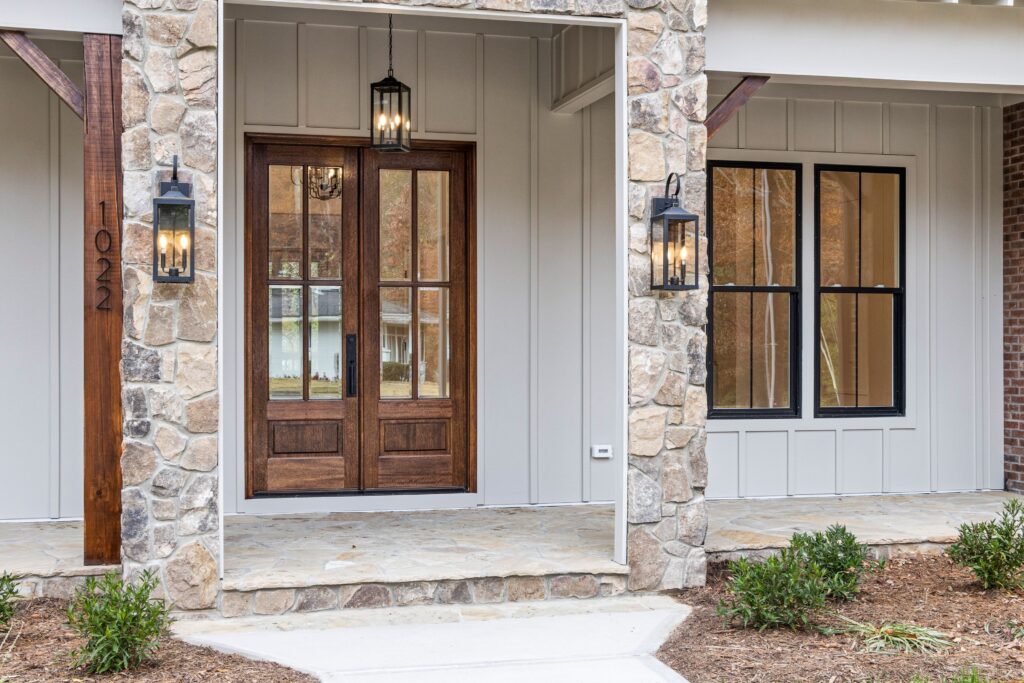
Photo by Curtis Adams / Pexels
House Numbers, Names And UK Rules
In the UK, street naming and numbering is the responsibility of your local council, not Royal Mail. Councils allocate house numbers and pass the addresses on to Royal Mail, the emergency services and delivery companies. Some councils state plainly that you are legally obliged to display your house number and/or name so that it can be read from the road.
The most important rule to remember is this: if your property has an official number, that number is the primary identifier. You may add a house name, but the name is secondary, and you must still display the number and use it in your correspondence. This is the advice given by several councils, and one council policy notes that the requirement for a numbered property to display its number is enforceable under section 65 of the Town Improvement Clauses Act 1847. If your property has a name but no number, which is more common in rural areas, the name forms part of your official address instead.
What does this mean in practice? If you live at number 12 and you would like to call your home Rose Cottage, you can do so, but your sign should still show the number 12 clearly, and your address should still include it. If you want to change the name of a named-only property, contact your local council first so they can check the proposed name is not already in use nearby and does not cause confusion. Always tell Royal Mail and your regular contacts about any change, and keep using the official address on parcels, bills and official forms.
If you have just moved into a new-build home and your address is not recognised by shops or utility companies, it may simply not be live on Royal Mail’s database yet. Your council’s street naming and numbering team can advise, and Royal Mail’s postcode finder will confirm whether your address is live.
Personalising Your House Sign
Personalisation is where a house sign becomes yours. The most common choices are the house number, the house name, or both, sometimes with the street name underneath. Some people add a small motif, such as a flower, an animal or a simple border, but restraint usually ages better than decoration. A sign that tries to say too much becomes cluttered and hard to read.
Check spelling and spacing carefully before you order. House names are often misspelled, and a mistake carved into slate is expensive to fix. Most reputable makers send a design proof before production, so check it against your official address, not just against what you think the name is. Also check character limits: long names may need a larger plaque or a smaller font, and a smaller font may hurt readability, so a shorter version of the name is sometimes the wiser choice.
Think about the future too. If you may sell the home one day, a neutral, classic sign will appeal to more buyers than a highly personal design. A family name on a sign is a lovely touch for your own home, but a house name or number that any buyer can live with is usually the safer investment.
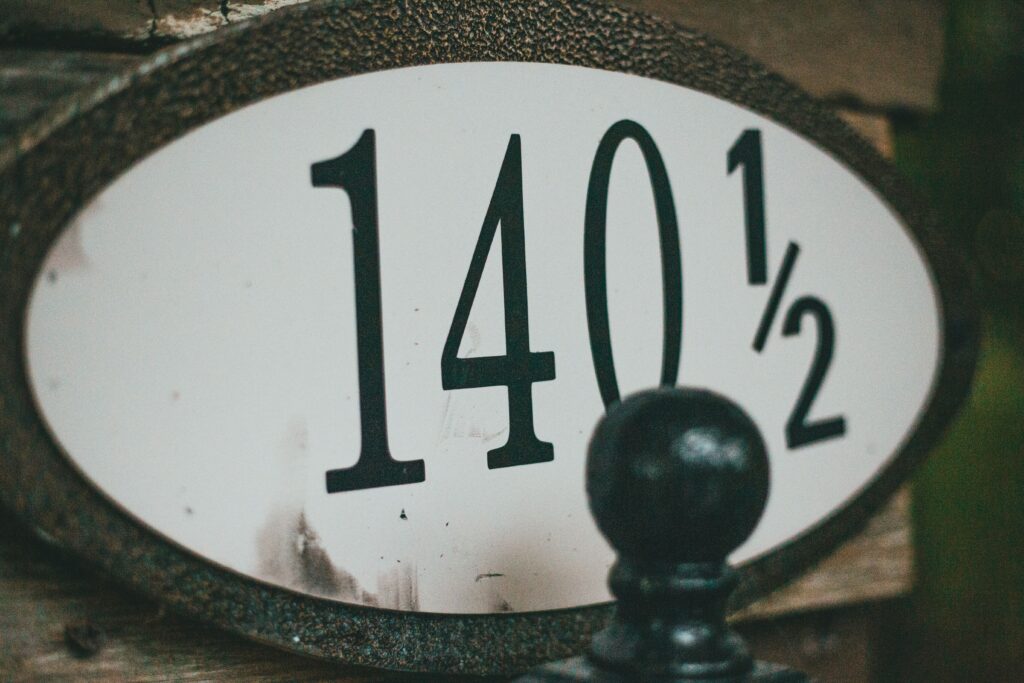
Photo by Erik Mclean / Pexels
Fitting And Looking After Your House Sign
Most house signs are fitted with screws and wall plugs, standoff fixings or a strong exterior adhesive. Screws are the most secure choice for heavy materials such as slate and stone. Standoff fixings give a modern floating effect and work well for acrylic and metal panels. Adhesive suits lightweight signs on smooth surfaces, but it is less reliable on rough brick or in very cold, wet conditions, so follow the maker’s instructions and do not rely on adhesive alone for a heavy plaque.
Before drilling, check what lies behind the wall surface, and use fixings suited to brick, stone or render as appropriate. Mark the position with the sign held in place, step back and check it looks level and well placed, then fix it firmly. If you are unsure about drilling into your home’s exterior, or the wall is listed or of special construction, ask a local tradesperson rather than risking damage.
Looking after a house sign is simple. Wipe it down a few times a year with a soft cloth and mild soapy water, and rinse off dirt before it builds up. Avoid harsh cleaners and abrasive pads, which can scratch acrylic and dull metal finishes. Brass can be polished if you want to keep it bright, or left to develop its natural patina. Wood should be resealed or repainted when the finish starts to look tired, before moisture gets into the timber. If you have a painted or coated sign, touch up any chips promptly, since damage to the coating is where weathering usually starts.
The same habit of small, regular checks pays off across the outside of your home. Our article on roof repair and garage door maintenance makes the same point: catching wear early is cheaper and easier than fixing damage later. A house sign is no different.
Common Mistakes To Avoid
- Choosing style over readability. If visitors cannot read the number from the road, the sign has failed its main job.
- Hiding the sign. Plants, bins and porch clutter can all block a sign that looked perfect on the day it was fitted.
- Dropping the house number. If your home has a number, keep it on the sign and in your address, even after adding a name.
- Buying an indoor sign for outdoor use. Check that the material and fixings are rated for exterior use before you order.
- Skipping the design proof. Always check spelling, spacing and layout before a sign is made, especially for engraved stone.
- Forgetting the night test. A sign that is clear at noon may be invisible at 6pm in December. Check it after dark.
A Small Detail Worth Getting Right
A house sign will never be the biggest project you take on at home, but it is one of the most visible. It is the first thing that helps someone find you, and the last thing they see as they leave. Choose a durable material, a clear font, a visible position and the correct number or name, and look after it with a quick clean now and then. Done well, it quietly does its job for years, and it makes the whole front of your home feel finished. That is a lot of value from a single small plaque.
For another simple exterior upgrade that makes a home feel cared for, see our guide to garage door insulation, which covers comfort and efficiency as well as appearance.
Frequently Asked Questions
How Big Should The Letters On A House Sign Be?
There is no single size that suits every home, because it depends on how far the sign sits from the road. A useful test is to stand where a visitor would stand, on the pavement or at the gate, and check whether you can read the sign easily. If your home is set well back, choose larger letters or add a second number at the entrance. When in doubt, go one size larger than you think you need.
Can I Change My House Name?
If your home has a number, you can usually add or change a house name without changing your official address, but you should still display and use the number. If your home has a name but no number, contact your local council before changing it, so the new name can be checked against existing names nearby and recorded properly. Always update Royal Mail and your regular contacts afterwards.
Do I Need Planning Permission For A House Sign?
Most ordinary house signs do not need planning permission, but rules can differ for listed buildings, homes in conservation areas, and properties with specific planning conditions. If any of those apply to your home, check with your local council’s planning team before fitting a new sign.
Can I Take My House Sign With Me When I Move?
Yes, if the sign is personal to you and can be removed without damaging the wall, you can take it. Fill and touch up any fixing holes you leave behind. If the sign shows the house name or number of the property itself, it usually makes more sense to leave it for the next owner and order a new one for your new home.
Should My House Sign Be Illuminated?
Illumination helps in winter and for evening visitors, but it is not essential. A reflective finish, light-coloured lettering or a nearby porch light often does the same job more simply. If you do add lighting, keep it subtle and aimed at the sign, so it does not dazzle neighbours or light up the whole street.
Featured image: Oval house name sign reading The Dog House on a white post. Photo by K / Pexels
Leave a Reply