
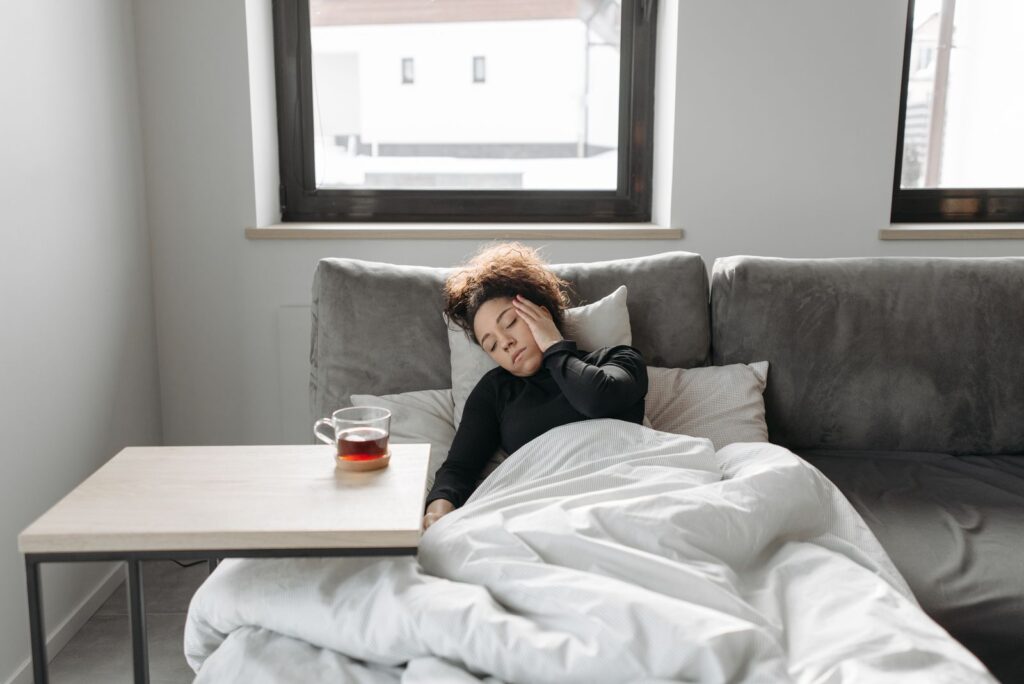
A headache can turn an ordinary day into a difficult one. It makes it hard to concentrate, hard to enjoy anything, and hard to get things done. The good news is that most headaches are not serious, and many of them ease with simple, natural steps you can take at home. Drinking water, resting in a quiet room, using a cold or warm compress, and easing the tension in your neck and shoulders can all help. This guide explains what to try first — and when a headache is a sign that you should speak to a doctor.
What Causes Most Headaches?
Most headaches are tension headaches or dehydration headaches, and both usually have everyday causes. The NHS lists the common causes as stress, not drinking enough fluids, not eating regular meals, bad posture, eyesight problems, drinking too much alcohol, having a cold or flu, and taking too many painkillers. Hormone changes around periods and the menopause can also bring headaches on. Tension headaches are the most common type: they often feel like a tight band around the head, and they are linked to stress, poor posture, skipped meals and dehydration. Migraines are different and usually more severe, often with throbbing pain on one side of the head, sensitivity to light and sound, and sometimes nausea.
Knowing the likely cause helps you choose the right remedy. A headache after a long day at a screen is often linked to eye strain and posture. A headache on a hot day, or after exercise, is often linked to dehydration. A headache that arrives with a tight neck and shoulders is often a tension headache.
Step 1: Drink Water
Dehydration is one of the most common and most overlooked headache triggers, and it is the easiest one to fix. The NHS advises drinking plenty of water when you have a headache, and Cleveland Clinic’s headache specialists explain that even mild fluid loss can cause the brain to temporarily contract, leading to pain and pressure. If you have not drunk much today, start with a large glass of water, then keep sipping regularly rather than drinking a lot all at once.
It can take an hour or two of steady hydrating for a dehydration headache to fade, so do not expect instant relief. While you wait, avoid alcohol, which makes dehydration worse. Water is the best choice, but hydrating foods such as fruit and soup also help. If you get headaches often, try carrying a water bottle and sipping through the day instead of waiting until you feel thirsty.
Step 2: Rest In A Quiet, Dark Room
Rest is one of the simplest headache remedies, and it costs nothing. Lie down in a quiet, dark room and close your eyes for 20 to 30 minutes. Bright light and noise make most headaches worse, so draw the curtains, turn off the television, and put your phone face down or in another room. If you can, loosen any tight clothing and take slow, steady breaths.
The NHS advises getting plenty of rest if you also have a cold or flu, and it warns against sleeping much more than usual, because oversleeping can make a headache worse. A short rest is the aim, not a long sleep in the middle of the day. If you need to keep working, even a ten-minute break in a quiet room with your eyes closed can help.
Step 3: Try A Cold Or Warm Compress
Hot and cold therapy is one of the most reliable natural remedies for headaches, and the right choice depends on the type of headache. Cleveland Clinic headache specialists recommend cold compresses or ice packs for migraines, because cold can reduce inflammation and numb the area, which may offer relief, especially early in a migraine. For tension headaches, they recommend warm compresses, because tension headaches often come from muscle tightness and heat can relax those muscles.
To try it, wrap an ice pack or a bag of frozen peas in a thin towel and hold it against your forehead or the back of your neck for 15 minutes, then take a 15-minute break. Never put ice directly on your skin. For warmth, use a warm flannel, a hot water bottle wrapped in a towel, or a warm shower, held against the neck or the back of the head. If you are not sure which type of headache you have, try cold first, and switch to warmth if cold does not help.
Step 4: Ease Tension With Gentle Movement
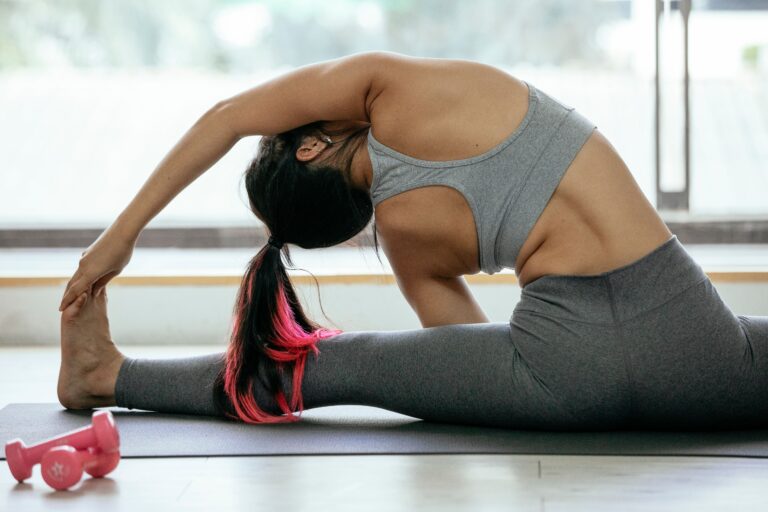
Tension headaches often come with tight muscles in the neck, shoulders and jaw, so gentle movement can help. Try rolling your shoulders slowly backwards ten times, then gently tilting your head to each side and holding for a few seconds. A slow neck stretch, done carefully and without forcing, can release the tension that is feeding the headache. Keep your movements slow and stop if anything hurts.
A short, gentle walk outdoors can also help, especially if you have been sitting still for a long time. Fresh air and light movement improve blood flow and give your eyes a break from screens. If your headache is linked to poor posture, check how you sit: your screen should be at eye level and your shoulders should be relaxed.
Step 5: Eat Something And Watch The Caffeine
If you have not eaten for a long time, have something simple. The NHS advises against skipping meals when you have a headache. A small, plain meal — toast, soup, a banana or some yoghurt — is better than nothing, and it steadies your blood sugar. Low blood sugar can bring a headache on, and eating something simple and hydrating can reduce its intensity.
Caffeine is a mixed picture. A small amount can help with early migraine symptoms and tension headaches — Cleveland Clinic specialists note that about one small cup of coffee, around 100 to 150 milligrams of caffeine, has been shown to help reduce and even prevent headaches. But too much caffeine, or stopping it suddenly, can itself trigger a headache. If you drink a lot of coffee every day, do not stop all at once.
Step 6: Avoid Common Triggers
Some headaches keep coming back because the same trigger keeps setting them off. Common triggers include stress, poor sleep, dehydration, skipped meals, alcohol, strong smells, bright lights, loud noise and long hours at a screen. A headache diary can help you find your own pattern: write down when the headache started, what you ate and drank, how you slept, and what you were doing. After a few weeks, a pattern often appears, and once you know your triggers, you can avoid them.
Cutting down on screen time in the evening helps many people, especially if headaches often arrive after a long day at a computer. Take a short break from the screen every hour and look away into the distance for a minute. Getting regular sleep matters too: going to bed and waking up at roughly the same time each day, including weekends, helps keep headaches away. If stress is your main trigger, our guide to practical ways to feel calmer has simple steps that pair well with the remedies in this article.
What About Painkillers And Supplements?
Natural remedies help many headaches, but sometimes an over-the-counter painkiller is the practical choice. The NHS says you can take paracetamol or ibuprofen for a headache, following the dose on the packet. If you take painkillers, read the patient information leaflet and do not take more than the recommended dose. A pharmacist can advise you if you are not sure which one suits you, especially if you take other medicines.
Be careful not to take painkillers too often, because taking them too frequently can itself cause headaches, known as medication-overuse headaches. Specialists advise keeping painkiller use to no more than around 10 days a month. If you find you are reaching for painkillers most days, speak to your GP or pharmacist rather than simply taking more.
When To Seek Medical Care
Most headaches go away on their own and are not a sign of something more serious, but some headaches need medical attention. The NHS advises seeing your GP if you have tried treating a headache yourself and it is not getting better or is getting worse, or if you regularly get headaches. Ask for an urgent GP appointment or help from NHS 111 if a headache comes with vision or eye problems, is triggered or made worse by coughing, sneezing, bending down or exercising, comes with being sick, or comes with jaw pain when eating or a sore or tender scalp.
Call 999 or go to A&E if a headache comes with a seizure, numbness or weakness in the body or face, starts suddenly and is extremely painful, or follows a head injury within the last three months. The same applies if the person is drowsy or confused, has difficulty speaking or walking, or has a very high temperature with a stiff neck. Do not drive to A&E — ask someone to drive you or call 999 for an ambulance.
A Note On Looking After Yourself
Headaches are often a signal that something in your routine needs attention — too little water, too little sleep, too much stress, or too many hours without a break. Small, steady habits — drinking water through the day, eating regular meals, moving gently and keeping a regular sleep pattern — prevent more headaches than any single remedy. Our guide to simple self-care practices has more ideas for building those habits into an ordinary week.
This article is for general information only and is not medical advice. Speak to a doctor or pharmacist if headaches are frequent, severe, or new.
Conclusion
Most headaches ease with simple, natural steps: drink water, rest in a quiet dark room, try a cold compress for a migraine-type headache or warmth for a tension headache, ease the tight muscles in your neck and shoulders, eat something, and avoid your known triggers. Start with water and rest, add a compress, and give the remedies time to work — a dehydration headache can take an hour or two of steady hydrating to fade. Keep a headache diary if headaches keep coming back, so you can find your own pattern. And remember the limit of home remedies: if headaches are frequent, severe, new, or come with worrying symptoms, speak to your GP or call NHS 111.
Frequently Asked Questions
How Can I Get Rid Of A Headache Fast At Home?
Drink a large glass of water, rest in a quiet, dark room for 20 to 30 minutes, and apply a cold compress to your forehead or a warm compress to your neck. A small cup of coffee can help some people, and paracetamol or ibuprofen can be used if needed, following the dose on the packet.
What Is The Fastest Natural Headache Remedy?
There is no instant cure, but the fastest natural steps are hydration, rest and a cold or warm compress. A dehydration headache usually takes about an hour or two of steady drinking to fade.
Does Drinking Water Help A Headache?
Yes, if the headache is linked to dehydration. Even mild fluid loss can cause a headache, and drinking water steadily helps. Sip water regularly through the day rather than waiting until you feel thirsty, and avoid alcohol while the headache lasts.
Can Lack Of Sleep Cause Headaches?
Yes. Poor or irregular sleep is a common headache trigger. Keeping a regular bedtime and wake time, including at weekends, helps reduce headaches.
When Should I See A Doctor For A Headache?
See your GP if headaches are regular, are not getting better with self-treatment, or are getting worse. Seek urgent help from NHS 111 if a headache comes with vision problems, vomiting, or jaw pain, and call 999 if it comes with a seizure, weakness, sudden extreme pain, or a recent head injury.

Leave a Reply