
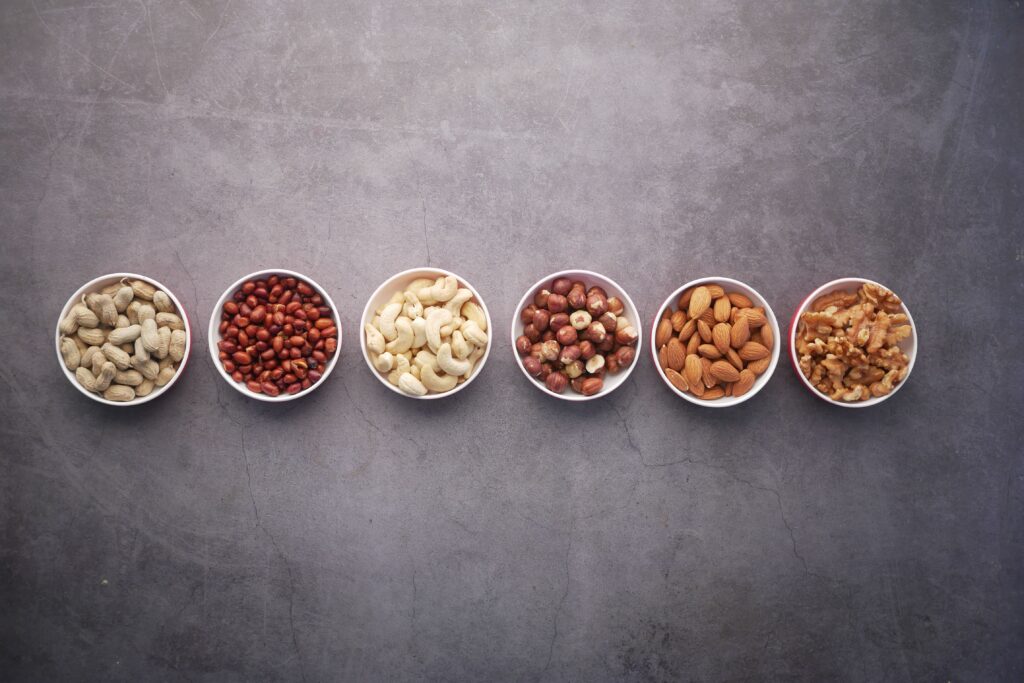
Iron is one of the most important minerals in your diet, and one of the easiest to run low on. It helps your red blood cells carry oxygen around your body, supports normal energy levels, and plays a role in immune function. Iron is found in a wide range of everyday foods, from red meat and lentils to fortified breakfast cereals. This guide covers the richest sources and how to help your body absorb iron, using the NHS and the US National Institutes of Health as its sources.
Key Takeaways
- Iron comes in two forms: haem iron from meat, fish and poultry, which your body absorbs easily, and non-haem iron from plants and fortified foods, which it absorbs less easily.
- The richest sources include liver, red meat, fortified breakfast cereals, lentils, beans, tofu, pumpkin seeds and dark green vegetables.
- The NHS recommends 14.8 mg of iron a day for women aged 19 to 50, and 8.7 mg a day for men and for women aged 50 and over.
- Vitamin C in the same meal helps your body absorb non-haem iron, while tea, coffee and large amounts of calcium at the same meal can reduce absorption.
- If you often feel tired, look pale, or get short of breath, speak to your GP: a blood test is the only way to confirm low iron.
Why Your Body Needs Iron
Iron’s main job is to help make haemoglobin, the protein in red blood cells that carries oxygen from your lungs to the rest of your body. Without enough iron, your body cannot make enough healthy red blood cells, and your tissues receive less oxygen. That is why iron deficiency anaemia, the most common form of anaemia, so often shows up as tiredness and lack of energy. Most people get enough iron from food, but women with heavy periods, pregnant women, teenagers, vegetarians and vegans, and people with gut conditions are more likely to run low. Because the body cannot make iron itself, diet is the only way to replace what is lost each day.
Haem Iron Vs Non-Haem Iron
Food contains iron in two forms. Haem iron is found in meat, fish and poultry, bound into the haemoglobin and myoglobin of animal tissue. Your body absorbs it relatively easily, and how much you absorb is not much affected by what else you eat. Non-haem iron is the form in plant foods such as beans, lentils, tofu, dark green leafy vegetables, nuts and seeds, as well as in eggs and fortified foods such as breakfast cereals. It makes up most of the iron in the typical UK diet, but your body absorbs less of it, and how much you absorb depends a lot on the rest of your meal. Vitamin C improves absorption, while phytates in grains and beans, polyphenols in tea and coffee, and calcium at the same meal can reduce it. Vegetarians and vegans therefore need to think more carefully about iron, and the National Institutes of Health notes that people who eat little or no meat may need almost twice as much iron as the standard amounts.
The Best Haem Iron Foods
Animal foods are the most efficient iron sources, because haem iron is absorbed well. Liver is the richest of all, but the NHS advises against eating it more than once a week because it is very high in vitamin A, and pregnant women should avoid it entirely.
- Liver: lamb’s liver contains around 7.7 mg of iron per 100 g, and chicken liver around 11.3 mg per 100 g. Keep portions small and infrequent, and avoid it in pregnancy.
- Lean beef: a 100 g serving of lean cooked beef provides around 2.7 mg of iron, and beef rump steak around 3.6 mg per 100 g. The NHS advises anyone eating more than 90 g of red and processed meat a day to cut down to 70 g.
- Lamb: another useful haem iron source, at a similar level to beef.
- Oily fish and shellfish: sardines and tuna provide iron along with omega-3 fats, and shellfish such as oysters and clams are among the most concentrated sources, with around 5 mg or more per 100 g.
- Poultry: chicken and turkey contain haem iron, though less than red meat. Dark meat, such as chicken thigh, contains more iron than light meat such as chicken breast, which has around 0.5 to 0.7 mg per 100 g.
A modest portion of lean red meat a few times a week, combined with plant sources, is enough for most people.
The Best Non-Haem Iron Foods
Plant foods are where most of the iron in the UK diet comes from. The figures below are approximate milligrams of iron per portion, based on UK food composition data (McCance and Widdowson’s Composition of Foods Integrated Dataset, known as CoFID). Fortified foods vary by brand, so check the label.
- Fortified breakfast cereals: one of the most concentrated non-haem sources, with a 30 g bowl typically providing around 3 to 4 mg of iron. Unfortified cereals contain far less.
- Lentils: around 5 mg of iron per 150 g serving, about one cup, making them one of the best plant sources of all.
- Chickpeas and beans: cooked chickpeas provide around 3 mg per 150 g serving, and kidney beans and baked beans are similar.
- Tofu: around 2.6 mg per 170 g serving, a useful iron source for vegetarians and vegans.
- Pumpkin and sesame seeds: pumpkin seeds contain around 10 mg of iron per 100 g, and sesame seeds around 10.4 mg per 100 g. A small handful on salads or porridge adds a useful amount.
- Cashew nuts: a 30 g handful provides around 2 mg of iron.
- Dark green leafy vegetables: cooked spinach provides around 2.9 mg per 80 g serving, and kale, broccoli and watercress also contribute iron. Cooking spinach reduces its volume, so a cooked portion contains far more leaves than a raw one.
- Dried fruit: dried apricots, raisins, prunes and figs provide useful amounts of iron, with figs at around 3.9 mg per 100 g.
- Eggs: a boiled egg provides around 1 mg of iron, plus protein and vitamin B12.
- Wholemeal bread: around 2.4 mg of iron per 100 g, and in the UK white flour is fortified with iron by law.
How Much Iron Do You Need Each Day?
The NHS publishes recommended daily amounts of iron, known as reference nutrient intakes. They differ by age and sex, because women of childbearing age lose iron through periods: men aged 19 and over need 8.7 mg a day, women aged 19 to 50 need 14.8 mg a day, and women aged 50 and over need 8.7 mg a day. Pregnant women need 14.8 mg a day. Teenagers need 11.3 mg a day, except girls aged 15 to 18, who need 14.8 mg.
These figures are for iron from food, not supplements. Most people can get the iron they need from their diet, and the NHS advises against taking iron supplements unless a GP or pharmacist has recommended them, because too much iron can cause constipation, nausea and stomach pain.
How To Help Your Body Absorb More Iron
Pair Iron With Vitamin C
Vitamin C is the best-documented helper for iron absorption. It converts non-haem iron into a form your gut can absorb more easily, and eating a vitamin C food in the same meal can substantially improve uptake. Good pairings include lentil curry with tomatoes, spinach with a squeeze of lemon, tofu stir-fry with peppers, or porridge with strawberries. This is the single most useful tip in this article, and it costs nothing.
Keep Tea And Coffee Away From Iron-Rich Meals
Tea and coffee contain polyphenols, compounds that bind to non-haem iron in the gut and reduce how much is absorbed. In one well-known study, a cup of tea drunk with a meal cut iron absorption by 64 percent, and a cup of coffee by 39 percent, although these were single-meal tests and the effect across a varied diet is smaller. Enjoy tea or coffee between meals, leaving a gap of about an hour either side of an iron-rich meal.
Watch Calcium At The Same Meal
Calcium can reduce iron absorption when it is eaten at the same meal. That does not mean avoiding dairy, but it does mean not loading a meal with both at once. If you take calcium supplements, keep them at a different time of day from iron-rich meals.
Signs Of Low Iron And When To Get Advice
Low iron usually develops gradually, and the early signs are easy to miss. The NHS lists the common symptoms of iron deficiency anaemia as tiredness and lack of energy, shortness of breath, noticeable heartbeats, and pale skin. Other signs can include headaches, dizziness, sore tongue, brittle nails, and craving non-food items such as ice, a condition called pica.
These symptoms can have many causes, so they do not prove low iron on their own. The only way to confirm iron deficiency is a blood test, which your GP can arrange. Get checked rather than guessing, because taking iron supplements without knowing your levels can mask a more serious cause of anaemia, and too much iron can be harmful. See your GP promptly if you feel very tired for more than a few weeks, get short of breath doing ordinary things, or have heavy periods or blood in your stool.
Please note: this article is for general information only and is not medical advice. If you think you may have low iron, or you are considering iron supplements, speak to your GP or pharmacist first.
The Bottom Line
The best iron-rich foods span both animal and plant sources. Liver, red meat, oily fish and shellfish provide haem iron that your body absorbs easily, while lentils, beans, tofu, fortified cereals, seeds, nuts and dark green vegetables provide non-haem iron that works best when paired with vitamin C. The NHS daily target is 14.8 mg for women aged 19 to 50 and 8.7 mg for men and older women, and most people can meet it from food alone. Try fortified cereal with strawberries for breakfast, lentil and tomato soup with wholemeal bread for lunch, and a lean beef stir-fry with peppers or a chickpea and spinach curry for dinner. See your GP for a blood test if you have symptoms of low iron rather than guessing.
Frequently Asked Questions
What Food Has The Most Iron?
Liver is the richest single source, with lamb’s liver at around 7.7 mg per 100 g and chicken liver at around 11.3 mg per 100 g. Among everyday foods, fortified breakfast cereals, lentils at around 5 mg per 150 g serving, and red meat are among the highest.
How Can I Increase My Iron Levels Quickly?
There is no quick fix from food alone, because iron stores build up gradually over weeks. Eating iron-rich foods daily, pairing plant iron with vitamin C, and keeping tea and coffee away from meals will help. If a blood test shows you are deficient, your GP may prescribe iron supplements.
What Foods Help You Absorb Iron Better?
Vitamin C is the best helper: citrus fruits, peppers, tomatoes, broccoli and strawberries eaten in the same meal improve non-haem iron absorption. Avoid tea, coffee and large amounts of calcium at the same meal, since they reduce absorption.
Can Vegetarians Get Enough Iron?
Yes, with a little planning. Lentils, beans, tofu, fortified cereals, seeds, nuts and dark green vegetables are all good sources. Pair them with vitamin C in the same meal and keep tea and coffee away from meals.
What Are The Symptoms Of Low Iron?
The NHS lists tiredness and lack of energy, shortness of breath, noticeable heartbeats, and pale skin as the common symptoms of iron deficiency anaemia. These symptoms have many causes, so a blood test from your GP is the only way to confirm low iron.
Leave a Reply