
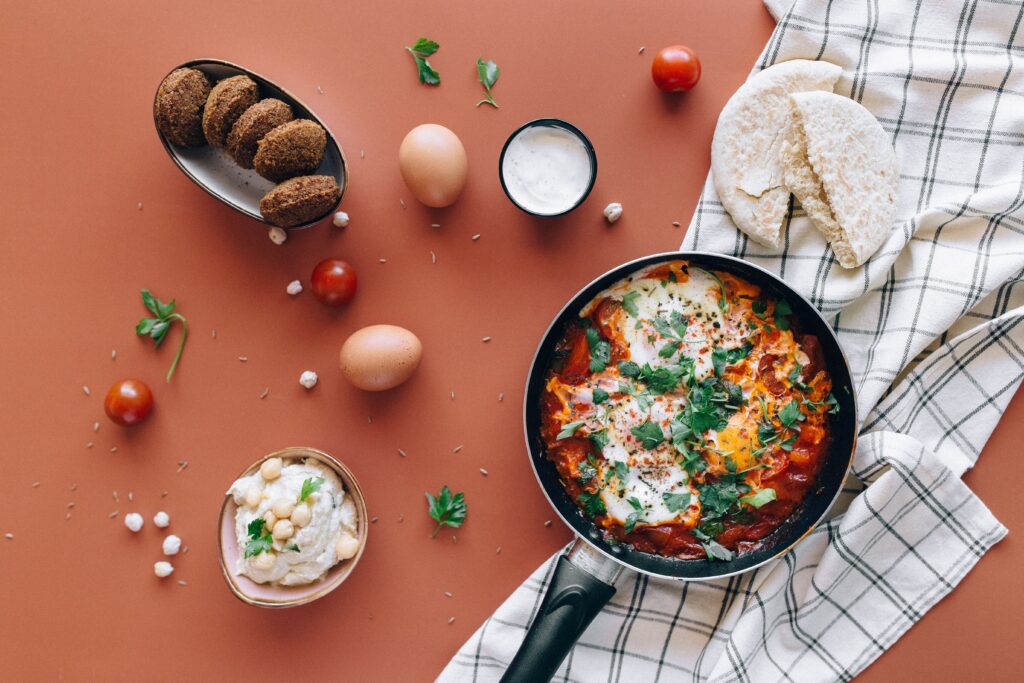
Protein is the nutrient that builds and repairs your body. It makes up your muscles, skin, hair and nails, and it helps your immune system work properly. Yet many people have only a vague idea of which foods are actually high in protein, and how much they need. The short answer is that lean meat, fish, eggs, dairy, beans, lentils, tofu and nuts all deliver plenty of protein, and the best approach is to eat a mix of them across the day rather than relying on a single food or a supplement. This guide explains what food is high in protein, how much protein you need, and how to build protein-rich meals from ordinary UK supermarket foods.
How Much Protein Do You Need?
The UK reference nutrient intake for protein is 0.75 grams per kilogram of body weight per day for adults. The British Heart Foundation puts this in plain terms: around 45 grams a day for a woman weighing 60 kilograms, and around 55 grams a day for a man weighing 75 kilograms. Most people in the UK already eat around this amount or more, so a protein deficiency is uncommon in healthy adults eating a varied diet. Some people need more. Older adults, people recovering from illness or surgery, and people who train hard may benefit from a higher intake, and the NHS advises spreading protein across meals rather than eating most of it at dinner, because the body uses it more effectively that way. If you have kidney disease or another condition that affects how your body handles protein, follow the advice of your GP or dietitian rather than a general guide like this one.
Meat And Poultry: The Highest Protein Foods
Meat and poultry are the most concentrated sources of protein. The British Heart Foundation gives 100 grams of meat, fish or poultry as containing around 30 grams of protein. That is roughly the size of a deck of cards, or a palm-sized portion. Chicken breast is the classic high-protein choice. An NHS hospital diet sheet gives a single chicken breast fillet of around 125 grams as containing about 30 grams of protein. Turkey breast is similar, at around 25 grams per 100-gram fillet. Both are lean, versatile and easy to cook. Lean beef and lamb are also high in protein, at around 26 to 30 grams per 100 grams, and they provide iron and vitamin B12 as well. The NHS advises people who eat more than 90 grams of red and processed meat a day to cut down to 70 grams, so keep red meat to a few meals a week. Processed meats such as bacon and sausages are high in salt and saturated fat, and the NHS advises limiting them.
Fish And Seafood
Fish is an excellent protein food, and it brings other nutrients with it. A single salmon fillet of around 96 grams contains about 21 grams of protein, according to an NHS diet sheet, while a haddock fillet of around 140 grams contains about 27 grams. A 160-gram tin of tuna in spring water contains around 26 grams, and a 90-gram tin of sardines contains around 19 grams. Prawns provide around 15 grams of protein per 100 grams. The NHS recommends eating two portions of fish a week, including one portion of oily fish such as salmon, mackerel or sardines. Oily fish provides omega-3 fats, which support heart health. Tinned fish is one of the cheapest and most convenient protein foods there is: a tin of tuna, sardines on toast, or a salmon fillet with vegetables all make a quick, protein-rich meal.
Eggs: Small, Cheap And Complete
Eggs are one of the best value protein foods in the supermarket. The British Heart Foundation gives one egg as containing around 7 grams of protein, and two eggs give around 12 to 14 grams, which is a solid start to the day. Eggs contain all the essential amino acids your body needs, which makes them a complete protein, and they are rich in vitamin D and choline as well. Two boiled eggs on wholemeal toast, an omelette with vegetables, or scrambled eggs with a slice of wholemeal bread are all simple, filling breakfasts.
Dairy: Yoghurt, Milk And Cheese
Dairy foods are a reliable source of protein, and they are easy to fit into everyday meals. The British Heart Foundation gives 150 grams of 0% Greek yoghurt as containing 15 grams of protein, which makes it one of the best protein-per-calorie dairy foods. Skyr, the Icelandic yoghurt, is similar, at around 13.5 grams per 150 grams. A small pot of Greek yoghurt with berries and a handful of nuts is a protein-rich snack that takes a minute to prepare. Milk contains around 7 grams of protein per 200-millilitre glass, and a soy drink contains a similar amount. Cheese is more concentrated: 30 grams, about the size of a matchbox, contains around 8 grams of protein, although it is high in saturated fat and salt, so it is best used in modest amounts. Cottage cheese is worth a mention too. It is lower in fat than hard cheese and provides around 9 to 11 grams of protein per 100 grams, which makes it a good choice for toast toppings, jacket potatoes and salads.
Beans, Lentils And Pulses
Beans, lentils and chickpeas are the stars of plant-based protein. Cooked lentils and beans contain around 7 to 9 grams of protein per 100 grams, and a 200-gram portion of baked beans contains around 10 grams, according to the British Heart Foundation. A 150-gram portion of kidney beans contains around 10 grams, and edamame beans provide around 12 grams per 100 grams. Pulses have two big advantages. They are very cheap, and they are high in fibre, which most people in the UK do not eat enough of. A lentil soup, a chilli made with kidney beans, or a chickpea curry all deliver protein, fibre and flavour in one bowl. The NHS Eatwell Guide includes beans and pulses as protein sources and as alternatives to meat. One thing to know is that most plant proteins are not complete on their own, which means they do not contain all nine essential amino acids in the right proportions. Eating a variety of plant foods across the day, such as beans with rice or lentils with bread, covers all of them.
Tofu, Quorn And Other Meat Alternatives
Tofu is one of the few plant foods that contains all the essential amino acids. The British Heart Foundation gives 100 grams of tofu as containing around 8 grams of protein, and firm tofu can contain a little more. It takes on the flavour of whatever you cook it with, which makes it useful in stir-fries, curries and salads. Quorn, the mycoprotein product made in the UK, is another complete plant protein. Quorn mince provides around 10 grams of protein per 75 grams, and Quorn sausages provide around 10 grams per two sausages. It cooks quickly and works well in the same dishes you would make with meat.
Nuts, Seeds And Nut Butters
Nuts and seeds are useful protein foods, although they are also high in calories, so portion size matters. A 30-gram handful of almonds contains around 6 grams of protein, and the same amount of pumpkin seeds contains around 8 grams. Peanut butter contains around 4 to 5 grams per tablespoon, and it is an easy way to add protein to toast, porridge or a smoothie. A small handful sprinkled over yoghurt, porridge or a salad is the simplest way to use them.
How To Build A High-Protein Day
Breakfast could be Greek yoghurt with berries and a handful of almonds, or two eggs on wholemeal toast. Both give you around 15 to 20 grams of protein. Lunch might be a tuna sandwich on wholemeal bread with a side salad, or a lentil soup with a bread roll, giving you around 25 grams. Dinner could be a chicken breast or a salmon fillet with vegetables and potatoes, or a bean chilli with rice, giving you another 25 to 30 grams. A snack of cottage cheese or a glass of milk adds a few more grams, and the day’s total lands comfortably around 70 to 80 grams, which is more than enough for most adults. If you are vegetarian or vegan, the same pattern works with plant foods. Combine beans, lentils, tofu, Quorn, soya products, nuts and whole grains across the day, and you will cover your protein needs without any supplements. Protein powders and shakes can be useful for people who struggle to eat enough, but for most people, food is the better option, because it provides other nutrients and keeps you feeling full for longer.
A Note On This Information
This article is for general information only and is not a substitute for professional medical advice. Protein needs vary from person to person, and they are higher during pregnancy, illness, recovery from surgery, and for people with certain medical conditions. If you have kidney disease, liver disease, or any condition that affects how your body handles protein, speak to your GP or a registered dietitian before changing your diet. If you are considering a high-protein diet for weight loss or muscle building, a dietitian can help you plan it safely.
Bringing It All Together
The foods highest in protein are the ones you probably already know: chicken, turkey, fish, eggs, Greek yoghurt, cheese, beans, lentils, tofu and nuts. A palm-sized portion of any of these at each meal is usually enough to meet the UK recommendation of 0.75 grams of protein per kilogram of body weight a day. You do not need expensive supplements or exotic ingredients. A tin of tuna, two eggs, a pot of Greek yoghurt or a bowl of lentils all deliver plenty of protein, and they cost very little.
Frequently Asked Questions
What Food Has The Most Protein Per 100 Grams?
Meat, fish and poultry are the most concentrated, at around 30 grams of protein per 100 grams, according to the British Heart Foundation. Chicken breast, turkey, lean beef, tuna and salmon all sit in this range. Among plant foods, tofu and tempeh are the highest, at around 8 and 19 grams per 100 grams respectively.
How Much Protein Do I Need Each Day?
The UK reference nutrient intake is 0.75 grams of protein per kilogram of body weight per day. That works out at around 45 grams a day for a woman weighing 60 kilograms and around 55 grams a day for a man weighing 75 kilograms, according to the British Heart Foundation. Older adults and people who train hard may need more, and people with kidney disease should follow medical advice.
Is It Better To Get Protein From Food Or Supplements?
Food is better for most people. Protein-rich foods provide other nutrients, such as iron, calcium, fibre and vitamins, and they keep you feeling full for longer. Protein powders can be useful if you struggle to eat enough, for example during illness or recovery, but they are not necessary for a healthy adult eating a varied diet.
What Are The Best High-Protein Foods For Vegetarians?
The best vegetarian protein foods are eggs, Greek yoghurt, cottage cheese, milk, beans, lentils, chickpeas, tofu, Quorn, tempeh, nuts and seeds. Combining different plant proteins across the day, such as beans with rice or lentils with bread, covers all the essential amino acids your body needs.
Can You Eat Too Much Protein?
Most healthy adults can handle a higher protein intake without problems, but very high intakes over a long time may put extra strain on the kidneys, especially if you already have kidney disease. A balanced diet with a palm-sized portion of protein at each meal is a sensible approach for most people.
Leave a Reply