
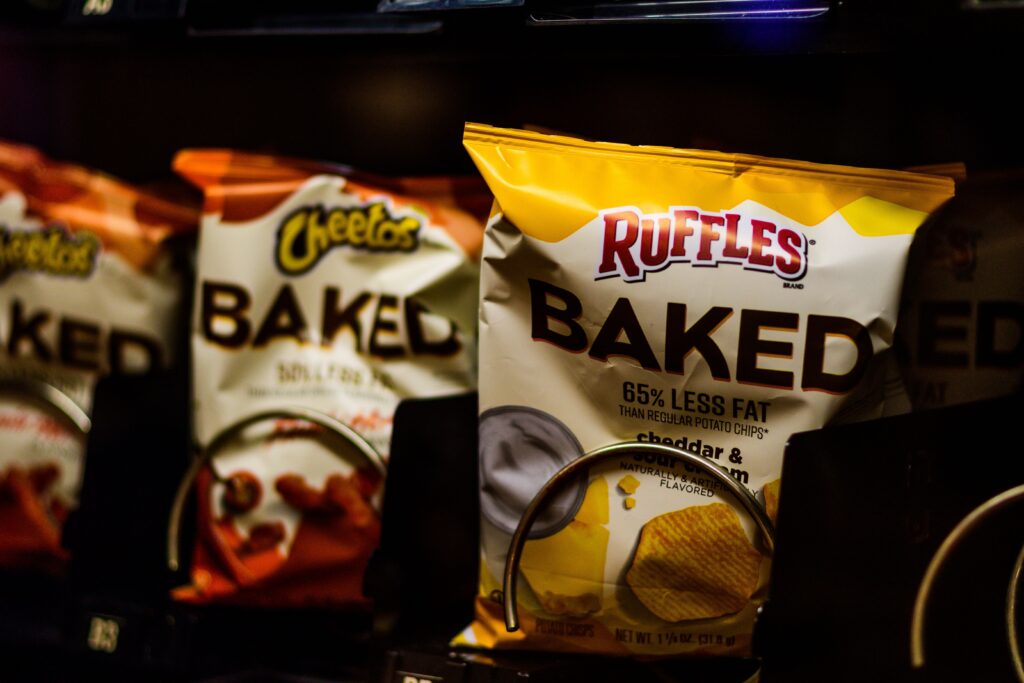
Your gut is home to trillions of microbes, and what you eat shapes which ones thrive. A diet built mostly around whole, fibre-rich foods gives the helpful microbes plenty to work with. A diet built mostly around ultra-processed foods, added sugar and alcohol does the opposite. This article is not about banning foods or feeling guilty about a takeaway. It is about knowing which foods are hardest on your gut, why they cause problems, and what to eat instead. The foods below are the ones that research and UK dietary guidance most often link with a less diverse gut microbiome and more digestive discomfort. None of them needs to be cut out completely. What matters is how often they appear and what they crowd out.
Ultra-Processed Foods
Ultra-processed foods sit at the top of most worst-foods-for-gut-health lists, and for good reason. These are foods made in factories with ingredients you would not find in a home kitchen: emulsifiers, flavour enhancers, colourings, preservatives and long lists of additives. Ready meals, instant noodles, crisps, biscuits, breakfast cereals, chicken nuggets, fizzy drinks and most fast food fall into this group. The problem is not one single ingredient. Ultra-processed foods tend to be low in fibre, high in salt, sugar and saturated fat, and packed with additives, all at once. That combination leaves little for your gut microbes to feed on, and research has linked diets high in these foods with lower microbial diversity, which is one of the key signs of a less healthy gut. Some studies have also suggested that certain emulsifiers can disturb the gut lining, although the evidence in humans is still developing and scientists are cautious about overstating it. The practical fix is not perfection. If most of your meals are built from recognisable ingredients, an occasional ready meal or packet of crisps is not going to undo that. A useful rule of thumb, suggested by many dietitians, is the 80/20 balance: around 80 percent of what you eat is whole or minimally processed food, and around 20 percent is the treats you enjoy.
Sugary Drinks And Sweets
Added sugar is one of the clearest gut-health culprits. The NHS recommends that adults eat no more than 30 grams a day of free sugars, which are sugars added to food and drinks, plus sugars naturally found in honey, syrups and unsweetened fruit juice. A single 330-millilitre can of a sugary fizzy drink can contain around 35 grams of sugar, which is already more than the whole day’s recommendation. Diets high in sugar have been shown to reduce the diversity of gut bacteria, and sugar appears to feed some of the less helpful microbes while the beneficial ones go hungry. Sugary drinks are the worst offenders because the sugar arrives quickly, with no fibre to slow it down, and it is easy to drink far more sugar than you would ever eat. Swap fizzy drinks for sparkling water with a slice of lemon, or unsweetened tea. If you like something sweet after a meal, a small piece of dark chocolate or a handful of berries gives you flavour with far less sugar, and berries bring fibre with them.
Artificial Sweeteners
Artificial sweeteners look like a neat solution to the sugar problem, but their effect on the gut is less clear-cut. Some studies, including human trials, have found that sweeteners such as saccharin, sucralose and aspartame can change the composition of gut bacteria in some people, and in some cases this was linked with poorer blood sugar control. Other sweeteners, such as stevia and erythritol, appear to be better tolerated, although the research is still limited. The evidence is mixed, and health authorities still consider approved sweeteners safe in the amounts people normally consume. That said, if you drink several cans of diet soft drink a day and notice bloating or digestive discomfort, cutting back is a reasonable experiment. Water, sparkling water and herbal tea are the simplest replacements.
Fried And High-Fat Processed Foods
Foods fried in oil at high temperatures, and diets very high in saturated fat, have been linked in research with changes to the gut microbiota, including reduced diversity and higher levels of inflammation. Fried foods are also hard to digest, which is why a large portion of chips or fried chicken can leave you feeling heavy and sluggish for hours. You do not need to give up fried food entirely. Cooking methods such as grilling, baking, roasting or air-frying give you similar flavours with less fat, and they are kinder to your digestion. When you do have fried food, keep the portion modest and pair it with a salad or vegetables rather than more fried food.
Red And Processed Meat
The NHS advises people who eat more than 90 grams of red and processed meat a day to cut down to 70 grams. Bacon, sausages, ham, salami and other processed meats are the ones most often linked with gut problems. They are high in saturated fat and salt, low in fibre, and the processing itself introduces compounds such as nitrates and nitrites. Research has linked high intakes of processed meat with disruption to the gut and with a higher risk of bowel problems over time. Red meat in itself is not the villain that processed meat is, but large portions eaten often can still crowd out the plant foods your gut microbes need. Keep red meat to a few meals a week, choose unprocessed cuts when you do eat it, and fill the rest of the plate with vegetables, beans or whole grains.
Alcohol
Alcohol is one of the most direct ways to disturb the gut. High intakes are associated with changes to the composition of gut bacteria and with increased permeability of the gut lining, which means substances that should stay in the gut can pass through more easily. Alcohol can also trigger heartburn, bloating and looser stools, especially when drunk on an empty stomach. The NHS advises both men and women not to regularly drink more than 14 units of alcohol a week, spread over three or more days, with several drink-free days each week. A unit is 10 millilitres of pure alcohol, which is roughly half a pint of lower-strength beer, a small glass of wine, or a single measure of spirits. If you drink, the kindest approach for your gut is to stay within that guidance, eat before drinking, drink water between alcoholic drinks, and keep several alcohol-free days each week. Alcohol-free beers and low-alcohol wines have improved a great deal, and they make cutting back much easier than it used to be.
Refined Grains And Low-Fibre Foods
White bread, white rice, white pasta and most pastries have had much of their fibre removed during processing. Fibre is the main food source for your gut microbes, and the NHS recommends that adults aim for around 30 grams of fibre a day. Most people in the UK eat considerably less than that, and a diet built on refined grains is one of the reasons why. Low-fibre foods are not actively harmful in the way that a sugary drink is, but they leave your gut microbes hungry and tend to be digested quickly. The fix is simple: swap white bread for wholemeal, white rice for brown rice, and ordinary pasta for wholewheat pasta, and add beans, lentils, chickpeas or oats to meals where you can.
Foods That Can Trigger Discomfort For Some People
A few foods are not bad for gut health in general, but they can cause problems for particular people. Spicy foods, very fatty meals, caffeine and carbonated drinks can all trigger heartburn or bloating in people who are sensitive to them. Dairy can cause discomfort for people with lactose intolerance, and some people find that onions, garlic, beans or cabbage cause wind, even though these foods are generally good for the gut. The key point is that these are individual triggers, not universal villains. If a food bothers you, keep a simple food diary for a week or two and look for patterns before cutting anything out.
How To Eat For A Happier Gut
Aim for variety rather than perfection. Eating 30 different plant foods a week, including herbs and spices, is a target suggested by gut researchers, and it is more achievable than it sounds when you count everything from oats and lentils to the garlic in a stir-fry. Drink enough water, because fibre needs fluid to do its job, and the NHS suggests six to eight glasses a day. Move your body regularly, because physical activity helps keep digestion moving, and get enough sleep, since poor sleep has been linked with changes in the gut microbiome.
A Note On This Information
This article is for general information only and is not a substitute for professional medical advice. If you have ongoing digestive symptoms, such as persistent bloating, pain, changes in bowel habits, or blood in your stools, speak to your GP. Do not cut out whole food groups or start a restrictive diet without professional guidance, especially if you have a diagnosed digestive condition such as irritable bowel syndrome, coeliac disease or inflammatory bowel disease, as some gut-friendly advice does not apply to everyone.
Bringing It All Together
The worst foods for gut health share a pattern: they are highly processed, low in fibre, and high in sugar, salt or saturated fat. Ultra-processed foods, sugary drinks, artificial sweeteners, fried food, processed meat, alcohol and refined grains all make it harder for your helpful gut microbes to thrive. None of them needs to be banned. What helps most is a varied, fibre-rich diet where these foods are the exception rather than the rule, plenty of water, and attention to how your own body responds. Small, steady changes, such as swapping white bread for wholemeal or a fizzy drink for sparkling water, add up to a real difference over time.
FAQs
What Is The Single Worst Food For Gut Health?
Ultra-processed foods are usually ranked first, because they combine several problems at once: low fibre, high sugar, salt and saturated fat, and a long list of additives. A diet built mostly around ready meals, crisps, biscuits and fast food leaves gut microbes with little to feed on and is linked with lower microbial diversity.
Does Sugar Damage Your Gut?
Diets high in added sugar have been shown to reduce the diversity of gut bacteria. The NHS recommends no more than 30 grams of free sugars a day for adults. Sugary drinks are the biggest source of excess sugar for many people, because a single can may contain more than the whole day’s recommendation.
Is Coffee Bad For Gut Health?
For most people, moderate coffee drinking is not bad for gut health. However, caffeine can trigger heartburn or looser stools in some people, especially on an empty stomach. If coffee bothers you, try drinking it with food or switching to a smaller cup.
Can You Repair Your Gut After Eating Badly?
The gut microbiome responds to dietary changes within days, so improvements are possible. Eating more fibre-rich foods, a wider variety of plants, and fermented foods such as live yoghurt and kefir can help restore microbial diversity. The key is consistency over weeks, not a single healthy meal.
Should I Cut Out Gluten For Gut Health?
No, unless you have coeliac disease or a diagnosed sensitivity. Gluten itself is not harmful to gut health for most people, and cutting it out unnecessarily removes whole grains, which are an important source of fibre. If you suspect a problem, speak to your GP before removing gluten from your diet.
Leave a Reply