
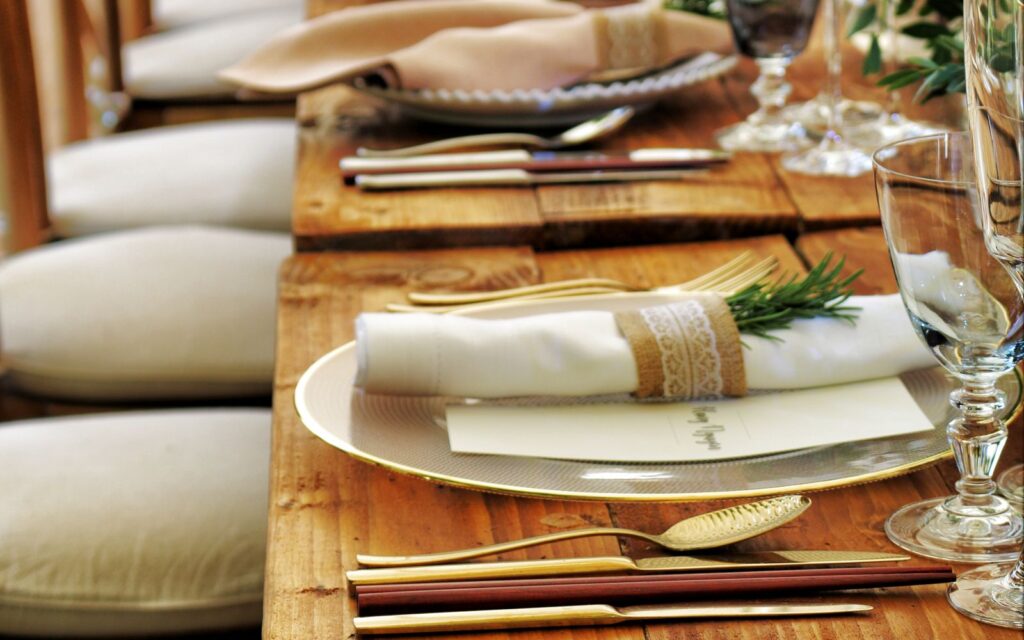
Learning how to host a dinner party is mostly about planning calmly before guests arrive. Choose a menu you can cook with confidence, ask about dietary needs and allergies in advance, set the table early, and build a simple timeline so you are not trapped in the kitchen all evening. A good dinner party does not need complicated food or perfect decoration. Guests remember feeling welcome, eating food that was ready on time, and having space to talk. This guide covers the guest list, menu, timing, seating, food safety and the small details that help an evening run smoothly.
Start With The Guest List And Date
Decide how many people your table and kitchen can handle comfortably. For many homes, six to eight guests is a manageable number for a seated dinner. A smaller group allows one conversation around the table, while a larger group needs more serving space and more planning. Be honest about your space, your chairs and your energy. A relaxed host with six guests will give everyone a better evening than a stressed host with twelve.
Choose a date and invite guests with enough notice for them to plan. In your invitation, give the arrival time, your address, and a clear way to reply. Ask directly about dietary requirements and allergies when guests reply. A simple line such as “Please tell me about any allergies or foods you do not eat” gives people an easy way to share important information early, when you can still plan around it.
How To Host A Dinner Party With A Simple Menu
Choose Food You Know
Pick dishes you have cooked before or can practise. A dinner party is not the best night to test a complicated recipe for the first time. Choose one main dish that can wait a few minutes without spoiling, such as a casserole, a tray bake, a pasta bake or a slow-cooked dish. Add a simple starter that needs little last-minute work, and a dessert that can be made ahead.
Build the menu around balance rather than quantity. A starter, a main course with two side dishes, and a dessert is plenty for most dinner parties. Include a vegetarian option within the menu where possible, so guests who do not eat meat have a full meal rather than only side dishes. Our collection of healthy dinner ideas can help you find main dishes that are flavourful without being heavy or complicated.
Plan For Dietary Needs And Allergies
Take allergies seriously. In the UK, food law identifies 14 allergens that must be declared, including milk, eggs, fish, peanuts, tree nuts, soya, sesame, mustard, celery, lupin, molluscs, crustaceans, cereals containing gluten, and sulphur dioxide and sulphites above certain levels. A guest may also avoid foods for medical, religious or personal reasons that are not on that list, so always follow what the guest tells you.
Read ingredient labels on packaged foods, including sauces, stocks, desserts and drinks. Keep packets or a note of ingredients so you can answer questions on the night. Use clean utensils, boards and surfaces when preparing food for a guest with an allergy, and serve that guest’s portion separately where needed to avoid cross-contact with other foods. If you are unsure whether a dish is safe for a guest, choose a simpler dish you can verify rather than guessing. The Food Standards Agency is responsible for food safety and food hygiene in England, Wales and Northern Ireland, and its guidance is a reliable place to check food safety basics before you cook for guests.
Keep Drinks Simple
Offer water on the table throughout the meal, plus one or two other drink choices. Include a non-alcoholic option that feels considered, such as sparkling water with citrus, a fruit drink or tea and coffee after dessert. Guests should never have to explain why they are not drinking alcohol. Place drinks where guests can reach them, or set up a small drinks area away from the cooking space so the kitchen stays clear.
Build A Timeline That Keeps You Calm
A short timeline prevents most dinner party stress. Work backwards from the time guests sit down to eat. Write down when each dish needs to go into the oven, when it needs to rest, and when it should be served. Leave gaps between tasks so one delay does not ruin the whole evening.
A practical pattern looks like this:
- The day before: shop, check ingredients, prepare any make-ahead dessert or marinade
- The morning of the party: tidy the dining area, set the table, chill drinks
- Two hours before guests arrive: prepare vegetables and side dishes, lay out serving dishes
- Thirty minutes before arrival: finish anything that can wait, light candles if you use them, put on background music
- When guests arrive: serve drinks and a small starter or nibbles while the main dish finishes
Choose a main dish that allows you to sit down. If a dish needs constant attention at the stove, you will spend the evening away from your guests. Dishes that cook in the oven while you talk are far better for hosting. Keep serving simple by placing dishes in the middle of the table for guests to help themselves, where the food and your table space allow it.
Set The Table Early
Set the table hours before guests arrive, or the night before if the room allows it. Lay out plates, cutlery, glasses and napkins for each place. Count chairs, plates and glasses against your final guest number, including yourself. Keep the centre of the table low and simple so guests can see each other. A small vase of flowers, a few candles in safe holders, or a simple runner is enough.
Leave room for serving dishes and water jugs. A crowded table looks generous but makes eating awkward. Check that each seat has elbow room and that guests can reach water without standing up. If children are coming, decide in advance whether they will sit with adults or at a small separate table, and prepare suitable cups and plates for them.
Think About Seating And Conversation
Seating shapes the evening. Place guests who know each other less well next to people who are good at including others in conversation. Avoid placing one guest at the far end where they may feel cut off. Sit where you can get up easily to serve, ideally near the kitchen side of the table, so you do not have to squeeze past seated guests.
Think about conversation as part of hosting. A dinner party works well when guests share something in common, such as a book, a neighbourhood, work or a hobby. If you enjoy gatherings built around shared interests, our guide on how to start a book club shows how a regular small group can grow from simple meetings. You do not need organised entertainment at a dinner party, but a relaxed pace, courses served with small pauses, and a host who sits down will keep conversation flowing.
Food Hygiene Basics For Home Hosting
Good food hygiene protects your guests and is easy to build into your routine. Wash your hands with soap before cooking and after handling raw meat. Keep raw meat separate from ready-to-eat foods, and use separate boards and utensils where possible. Cook food thoroughly, chill leftovers promptly in the fridge, and do not leave cooked food sitting at room temperature for long periods.
Clean as you go. A clear worktop makes serving easier and reduces the chance of cross-contact between foods. Keep pets out of the kitchen while you prepare food, and make sure serving spoons are used for each dish rather than guests using their own cutlery in shared bowls. These small habits matter most when you are cooking for a group, because one mistake can affect several people.
During The Evening
Welcome guests at the door, take coats, and offer a drink soon after arrival. Tell guests roughly when food will be served so they can relax. Serve the starter when most guests have arrived rather than waiting for one late guest to start the whole meal. If a guest is delayed, keep their portion aside safely and let the evening continue.
Sit down and eat with your guests. A host who keeps jumping up makes everyone else feel they should help or hurry. Prepare serving dishes in advance, keep water and bread on the table, and accept small imperfections. If a dish is slightly late or a side dish is simpler than planned, guests will rarely mind. They will notice if you are tense and absent, so protect your own place at the table.
After dessert, offer tea or coffee and let the evening slow down naturally. Have a comfortable place for guests to move to if they want to stay and talk, such as a sofa area with soft lighting. If you are looking for relaxed ways to spend time together at home after a meal, our guide to things to do at home has simple ideas that do not need much preparation.
Common Dinner Party Mistakes To Avoid
- Choosing a menu that is too complicated for your kitchen or experience
- Forgetting to ask about allergies and dietary needs until guests arrive
- Starting cooking too late, with no timeline for the oven or serving
- Setting the table at the last minute and discovering missing chairs or glasses
- Serving food that needs constant attention, leaving no time to sit with guests
- Overcrowding the table so guests cannot reach food or see each other
- Forgetting water and a non-alcoholic drink option
Most of these mistakes come from trying to do too much. A simpler menu, cooked well and served on time, is better than an ambitious menu served late. Guests come for company as much as food, and a calm host sets the tone for the whole evening.
Frequently Asked Questions
How To Host A Dinner Party For The First Time?
Start small with four to six guests and a menu you have cooked before. Ask about allergies when guests reply, set the table early, and write a short timeline for cooking and serving. Choose a main dish that cooks in the oven so you can sit with your guests.
How Many Guests Should You Invite To A Dinner Party?
Invite the number your table, chairs and kitchen can handle comfortably. For many homes, six to eight guests works well for a seated dinner. A smaller group is better than a crowded table where guests cannot move or talk easily.
What Is A Good Dinner Party Menu For Beginners?
A simple starter, an oven-cooked main dish such as a casserole or pasta bake, two side dishes and a make-ahead dessert is a reliable menu. Include a vegetarian option and check every packaged ingredient for allergens your guests need to avoid.
How Do You Handle Food Allergies At A Dinner Party?
Ask guests about allergies in advance, read labels on all packaged foods, and keep ingredient information available on the night. Use clean utensils and surfaces, serve the allergic guest’s food separately where needed, and choose simpler dishes when you are unsure about an ingredient.
How Early Should You Set The Table?
Set the table several hours before guests arrive, or the night before if possible. Count plates, glasses, cutlery and chairs against your final guest number, and leave space in the centre for serving dishes and water.
Final Thoughts
A successful dinner party is built on simple decisions made early: a manageable guest list, a menu you can cook confidently, clear information about allergies, a set table and a timeline with breathing room. Cook food that lets you sit down, keep drinks and water within reach, and focus on making guests feel welcome. With that planning done, you can enjoy the evening you created instead of spending it in the kitchen.


Leave a Reply