
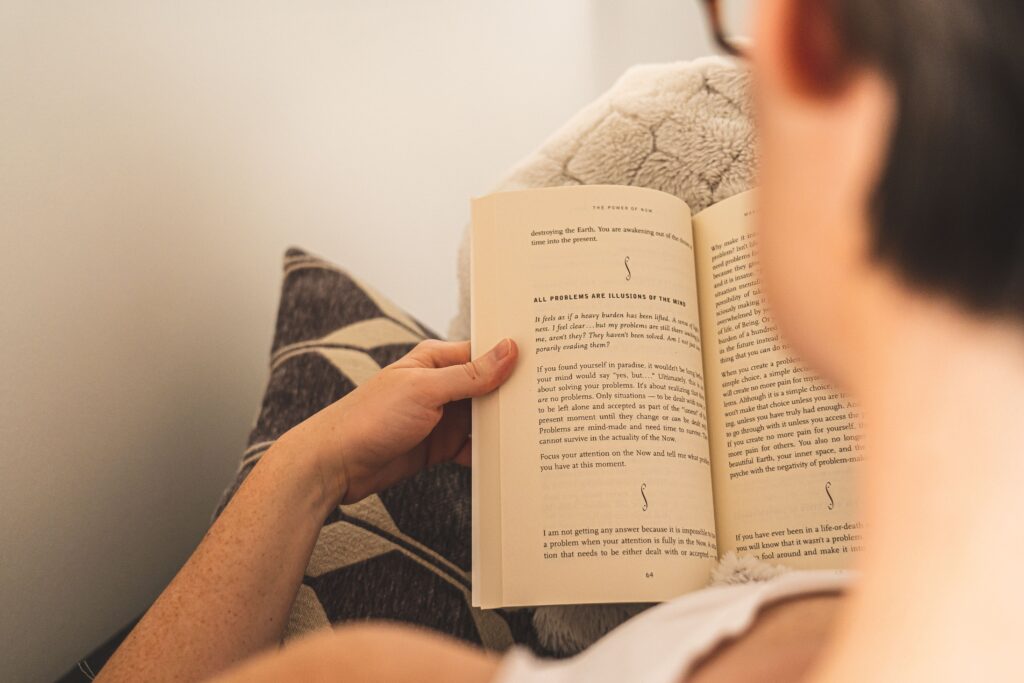
The best things to do at home for a better day indoors are not expensive or complicated. A better day at home comes from mixing a little rest, a little movement, something creative, and some contact with other people, instead of spending the whole day on the sofa scrolling through a phone. You do not need to fill every hour, and you do not need to turn a quiet day into a project. A few simple choices, made early in the day, are usually enough to make the day feel calm, useful, and enjoyable.
It helps to think of a day at home the way you would think of a hobby. A hobby is a regular activity done for enjoyment, typically during leisure time, and the same idea works for a day indoors: choose things you actually enjoy, keep them short enough to finish, and stop before they become a chore. The ideas below cover the whole day, from morning to evening, but you do not need to do them all. Pick two or three that suit your mood, and let the rest wait for another day.
Start The Day With A Simple Morning Routine
A good day indoors usually starts before anything interesting happens. Make the bed, open the curtains, and let some daylight in, even if the weather is grey. Daylight helps your body understand that the day has started, and a tidy bed makes the room feel calmer for the rest of the day. Then make a proper breakfast and sit down to eat it, instead of eating standing up in the kitchen.
After breakfast, take five minutes to plan the day in a loose way. Write down no more than three things you would like to do, such as cooking a new recipe, reading for an hour, and calling a friend. A short list is easier to finish than a long one, and finishing it feels good. Leave gaps in the plan for rest, because a day with no breaks in it soon feels like work. If you like writing, a few lines in a journal about how you want the day to feel can be a useful start, and it costs nothing.
Cook Something Worth Sitting Down For
Cooking is one of the most satisfying things to do at home, because it uses your hands, fills the house with good smells, and ends with something you can enjoy. Try one new recipe a week, rather than attempting a complicated meal every day. A soup, a stew, a simple curry, or a loaf of bread are all good choices for a day indoors, because they take time but do not need constant attention. While something simmers, you can read, tidy, or listen to music.
Cooking at home also gives you more control over what you eat and how much you spend, and it is a useful skill to build slowly. If you are new to cooking, start with dishes that have few ingredients and clear steps, and keep notes on what worked. Batch cooking is another good option: make a larger amount of something simple, eat some today, and save the rest for a busy day later in the week. Sit down to eat what you made, at a table, without a screen in front of you, and the meal becomes a proper break in the day rather than just fuel.
Get Moving Without Leaving The House
Movement is one of the best things to do at home, especially on days when you cannot get out. You do not need a home gym or special equipment. A twenty-minute stretching session, a short yoga routine, or dancing to a few favourite songs all count, and they can change how the rest of the day feels. Exercise at home works best when it is short and regular, rather than long and rare, so choose something you can repeat tomorrow without dreading it.
Housework can also count as movement, and it has the bonus of leaving your home tidier. Vacuuming, mopping, or clearing a cluttered room all raise your heart rate and give you something visible to show for the effort. If you want a calmer form of movement, try a gentle stretching routine by a window, or walk from room to room while listening to a podcast or audiobook. The aim is not to train hard, but to avoid sitting still for the whole day.
Learn Something New At Home
A day indoors is a good chance to learn something you have been putting off. Language apps, free online courses, and library e-books make it possible to start learning without spending anything or leaving the house. Even twenty minutes a day adds up over a few weeks, and learning something new gives a quiet day a sense of progress. Choose one topic, such as a language, a musical instrument, or a practical skill like photography, and give it a fair try over several sessions before deciding whether it suits you.
Reading is the simplest form of learning at home, and it suits every budget. A library card costs nothing, and a single book can fill weeks of evenings. If long books feel daunting, start with short stories, essays, or a book about a subject you already enjoy. Keep a notebook nearby for ideas worth remembering, because writing down what you learn helps you keep it. Learning at home works best when it is enjoyable in itself, not when it feels like homework.
Creative Things To Do At Home
Creative hobbies are among the most rewarding things to do at home, because they give you something to show for your time. Drawing, painting, writing, knitting, or playing music all fit easily into a day indoors, and none of them needs expensive equipment to start. If you are not sure where to begin, try a small project with a clear end, such as a single sketch, a short poem, or a simple knitted square, rather than a large project that may never be finished. For more ideas on choosing a hobby that fits your life, see Hobbies For Women: Ideas Worth Trying At Any Age, which covers creative, active, and social hobbies in more detail.
Puzzles and board games are another good creative option, especially on a rainy day. A jigsaw puzzle gives your mind a clear problem to solve away from screens, and it can be left out and returned to over several days. If you live with other people, a board game or card game turns an ordinary evening into something social. Even sorting old photographs, whether printed or on a phone, can be a satisfying creative task: choose the best ones, delete duplicates, and put the keepers into albums or folders you can actually find again.
Make Your Home Feel Better
Small changes to your surroundings can make a day at home feel much better. You do not need to redecorate the whole house. Clearing one drawer, tidying one shelf, or putting fresh sheets on the bed can be enough to make a room feel calmer. If you have plants, spend a few minutes watering them and trimming dead leaves. If you do not, a small pot of herbs on a windowsill is an easy start, and it gives you something fresh to use in cooking.
Light and sound matter too. Open a window for fresh air, even for a short time, and put on music that suits the task at hand: something lively for cleaning, something calm for reading. If a room feels dark or cluttered, moving a lamp or clearing a surface can change how it feels without costing anything. The aim is not a perfect home, but a home that feels pleasant to spend time in.
Connect With People From Home
A day indoors does not have to be a lonely day. Call a friend or family member you have not spoken to in a while, and give the conversation your full attention instead of doing something else at the same time. A proper phone call often feels better than a day of short messages. If you prefer writing, a letter or a long email to someone far away is a thoughtful surprise, and it gives you time to say things properly.
Online games, video calls, and shared film nights are other ways to spend time with people without leaving home. Set a time, agree on what you will do, and treat it like a real plan rather than a vague idea. Even small acts of connection count: sending a photo from your day, sharing a recipe that worked, or asking someone how they are and actually listening to the answer. Social time, even from home, often turns an ordinary day into a good one.
Slow Down In The Evening
Evenings at home work best when they slow down gradually. Put your phone away for the last hour before bed, and choose something calm instead: reading, a warm bath, gentle stretching, or a short meditation. If you are new to meditation, a simple guided session of a few minutes is a good place to start, and How Do You Meditate? A Beginner-Friendly Guide For Calm Daily Practice explains the basics in plain language. Small daily habits like these often matter more than grand plans, and How to Feel Happy covers other simple practices that support a better mood.
Reading in the evening is a particularly good habit, because it gives your mind something to settle on instead of a screen. Choose something enjoyable rather than something you feel you ought to read, and stop when you feel sleepy rather than pushing on to the end of a chapter. A regular bedtime, a dark room, and a few minutes without screens all help the next day start better too.
A Simple Plan For A Better Day Indoors
If you like structure, the plan below pulls the ideas in this article into one balanced day. Use it as a starting point, not a strict schedule, and move things around to suit your energy.
- Morning: make the bed, eat a proper breakfast, and choose three things for the day.
- Late morning: cook something, learn something, or work on a creative project.
- Afternoon: move your body, tidy one small area, and spend time on a hobby.
- Evening: connect with someone, read or watch something enjoyable, and slow down before bed.
Start With One Small Change
A better day indoors does not come from doing everything at once. It comes from choosing a few things that suit you, doing them at a comfortable pace, and leaving room for rest. Start with one small change tomorrow: a proper breakfast, a twenty-minute walk around your home, a phone call to a friend, or an hour with a book. If it makes the day feel better, keep it, and add another idea next time. Over weeks, those small choices add up to days at home that feel calmer, fuller, and genuinely enjoyable.
Leave a Reply