
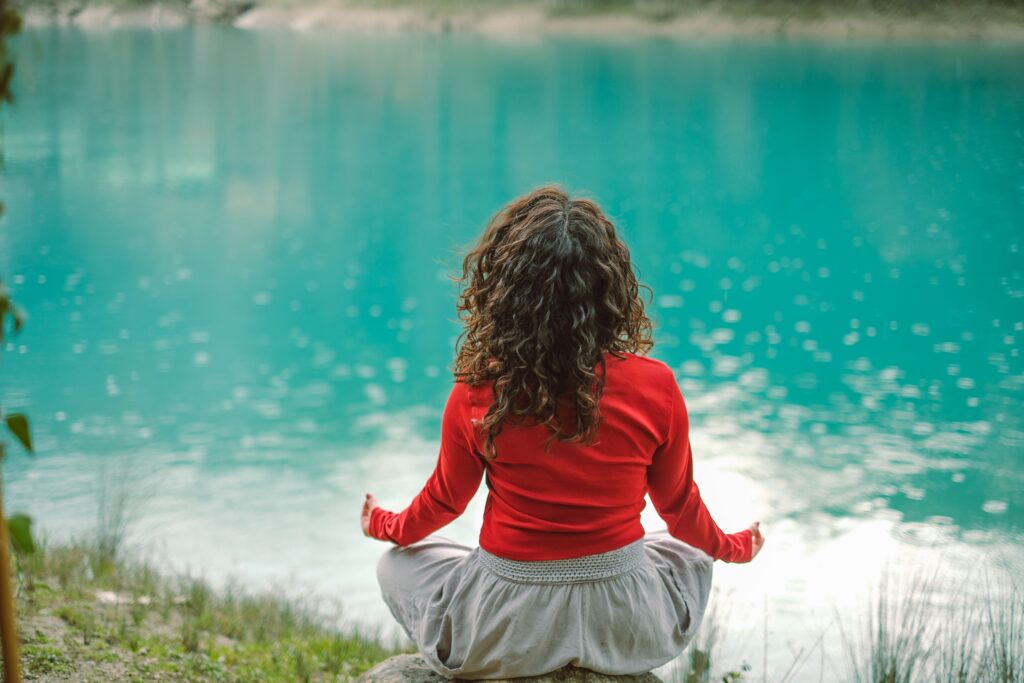
If you are asking how to decrease cortisol naturally with everyday habits, the short answer is this: you cannot switch cortisol off, and no single habit will lower it on demand. Cortisol is a stress hormone that rises when you face pressure, and it also follows a normal daily rhythm. What everyday habits can do is help you manage stress, sleep better, move more, and give your body steadier days, which may support a calmer stress response over time.
That distinction matters. This article explains what cortisol does in general terms, what the NHS says about coping with stress, and which small, realistic habits are worth trying. It does not promise a lower cortisol reading, and it is not a treatment plan.
What Cortisol Is And Why It Rises
Cortisol is one of the hormones the body releases in response to stress. The NHS explains that when you feel anxious or scared, your body releases stress hormones such as adrenaline and cortisol. That response can be helpful in the short term, for example by making you more alert, but it can also cause physical symptoms such as a faster heartbeat or sweating.
Stress is usually a reaction to mental or emotional pressure, according to the NHS. It can come from work, money worries, relationships, illness, poor sleep, or too many demands at once. Most people feel stressed sometimes, and the NHS notes that stress can be helpful or motivating for some people, but can cause problems if it persists.
Because cortisol is part of a wider stress response, it is hard to judge from how you feel alone. Feeling tired, restless, or on edge does not prove that your cortisol is high, and feeling calm for an afternoon does not prove that it has fallen. A blood or saliva test, if a clinician ever recommends one, is a medical matter, not something to guess from a checklist.
An Honest Note About What Habits Can And Cannot Do
Many articles promise that a certain food, supplement, or morning routine will cut cortisol by a set amount. That kind of promise should be treated with caution. Individual responses vary, stress has many causes, and everyday habits work together rather than acting alone. A walk may help one person unwind and leave another person feeling rushed, depending on the day.
The safer way to think about this is in terms of support, not control. Habits that protect sleep, encourage movement, reduce overload, and give you time to talk and recover may help you cope better with stress. If stress is persistent, severe, or linked to symptoms that worry you, that is a reason to seek professional help rather than to try harder with self-help alone.
Protect Your Sleep First
Poor sleep and stress often feed each other. When you are tired, small problems feel larger, and when you are stressed, it can be harder to fall asleep or stay asleep. A regular sleep routine is therefore one of the most practical places to start.
Try to keep roughly the same bedtime and waking time, even at weekends, and give yourself a wind-down period before bed. Dim bright lights, put work messages aside, and do something quiet, such as reading or stretching. If worries keep you awake, writing them down earlier in the evening, with a note about what you will do next, can be more helpful than going over them in bed.
Avoid turning sleep into another source of pressure. If you cannot sleep, getting up for a short while and doing something calm in low light is often better than lying awake and watching the clock. If sleep problems continue, speak to a clinician, because ongoing insomnia can have causes that need proper assessment.
Move In Ways You Can Keep Doing
Regular movement is one of the habits most often linked with better stress management, and the NHS includes getting started with exercise among its stress busters. The key word is regular. A short walk most days is usually more useful than an intense burst once a month that leaves you exhausted.
Choose movement that fits your life and your health. Walking, gentle cycling, swimming, dancing, gardening, or stretching all count. If you are new to exercise, or you have a health condition, start gently and build up gradually. The aim is to feel a little more energised afterwards, not drained or in pain.
Movement can also break up long, stressful days. A brief walk between tasks, a stretch after sitting for a long time, or time outdoors in daylight can give your mind a pause. Try to treat movement as a normal part of the day, rather than as a punishment for feeling stressed.
Use Breathing, Pauses And Talking
When stress rises, the body can feel as if it is always in a hurry. Slow, steady breathing is a simple way to pause, and the NHS lists using breathing exercises for stress among things you can try. You do not need special equipment or a long session. A few slow breaths, with a longer out-breath than in-breath, can be enough to notice whether you feel a little steadier.
Talking can help in a similar way. The NHS suggests trying to talk about your feelings to a friend, family member, or health professional. Putting a worry into words can make it clearer, and another person may see a practical step you have missed. Peer support, where people share experiences and coping ideas, is another option the NHS mentions.
Short pauses through the day also matter. A few minutes without screens, a cup of tea away from your desk, or a quiet moment before the next task can stop stress building up unnoticed. These pauses are not wasted time. They are part of managing a busy day.
Plan Your Time And Lower The Load
Stress often grows when everything feels urgent at once. The NHS advises using easy time-management techniques and planning ahead for stressful days or events. It also advises against trying to do everything at once, and suggests setting small targets you can actually reach.
A simple daily plan can help. List the few things that really matter today, put the hardest one first if you can, and leave space between tasks. Break large jobs into smaller steps, and say no, or ask for help, when a new demand would push the day over the edge. A plan does not need to be perfect. It needs to be realistic enough that you can follow it.
It also helps to notice what adds pressure without adding value. Constant news checking, endless scrolling, and a cluttered inbox can keep your mind on alert. Setting clear times for messages and news, rather than checking all day, can make the day feel calmer.
Eat, Drink And Rest In A Steady Way
There is no single food that lowers cortisol, and claims about miracle foods should not be taken at face value. What does help is a steady pattern: regular meals, enough water, and less reliance on alcohol, cigarettes, or drugs to relieve stress. The NHS specifically advises against using alcohol, cigarettes, gambling, or drugs to relieve stress.
Skipping meals, or living on caffeine and sugary snacks, can leave you tired and irritable, which makes stress harder to handle. A balanced meal with protein, vegetables, and whole grains, eaten without rushing, is a practical goal. Caffeine late in the day can also disturb sleep, so it is worth noticing whether evening coffee or energy drinks affect your night.
Rest is not only sleep. Time for yourself, which the NHS includes among its stress busters, can mean a hobby, a walk, music, or simply sitting quietly. Protecting a small amount of that time each day is not selfish. It is part of keeping stress from building up.
Make Your Home Support Calm
Your surroundings will not solve stress on their own, but a calmer home can make it easier to rest. A bedroom that is tidy, dark, and comfortable at night supports sleep, and a living room with softer light in the evening can help you wind down. Small changes, such as clearing one surface, opening a window for fresh air, or keeping a comfortable chair for reading, can make a room feel more restful.
If you are thinking about simple home changes, our guides to Bedroom Accessories and Cushion Covers look at comfort and calm in everyday rooms, while Lamps For Living Room explains layered lighting that can suit both daytime activity and evening rest. These are home comfort ideas, not health treatments, but a room that helps you relax is a useful part of a calmer routine.
When To Seek Professional Help
Self-help has limits, and knowing them is important. The NHS advises seeking help if you are struggling to cope, if self-help is not helping, or if you would prefer a referral from a GP. NHS talking therapies for anxiety and depression may be able to help with stress, and in many areas adults can refer themselves directly.
Seek help sooner if stress is affecting your work, relationships, sleep, or appetite for a long time, if you feel unable to cope, or if you have physical symptoms that are new, severe, or unexplained. A GP can check whether another health issue is involved and discuss options that suit your situation.
You do not need to wait until things feel unbearable. Early help is often simpler, and talking to a professional is not a sign of failure. It is a sensible step when everyday habits are not enough.
A Simple Daily Checklist
- Sleep at roughly the same time and wind down before bed.
- Move a little every day, in a way you enjoy.
- Take short pauses and try slow breathing when stress rises.
- Talk to someone you trust instead of carrying worries alone.
- Plan a small number of realistic tasks and protect time for yourself.
Conclusion
Learning how to decrease cortisol naturally with everyday habits is really about learning how to manage stress in a steadier, kinder way. Sleep, movement, breathing, talking, planning, and time for rest will not guarantee a lower cortisol level, and no habit should be sold as a cure. What they can do is reduce the daily pressure that keeps your stress response switched on, and help you notice earlier when you need support.
Start small, choose one or two habits that fit your life, and give them time. If stress persists or worries you, speak to a clinician. That combination, realistic habits plus proper help when needed, is the most honest approach to a calmer everyday life.
Disclaimer: This article is general information only and is not medical advice. It does not diagnose, treat, or replace professional care. If you have personal health concerns, symptoms that worry you, or ongoing stress, please speak to a clinician or GP for advice about your own situation.
Featured image credit: Photo by Gülşah Aydoğan / Pexels
Sources
- NHS: Get Help With Stress – https://www.nhs.uk/mental-health/feelings-symptoms-behaviours/feelings-and-symptoms/stress/
- FM Magazine: Bedroom Accessories – https://fmmagazine.co.uk/bedroom-accessories/
- FM Magazine: Cushion Covers – https://fmmagazine.co.uk/cushion-covers/
- FM Magazine: Lamps For Living Room – https://fmmagazine.co.uk/lamps-for-living-room/
Leave a Reply