
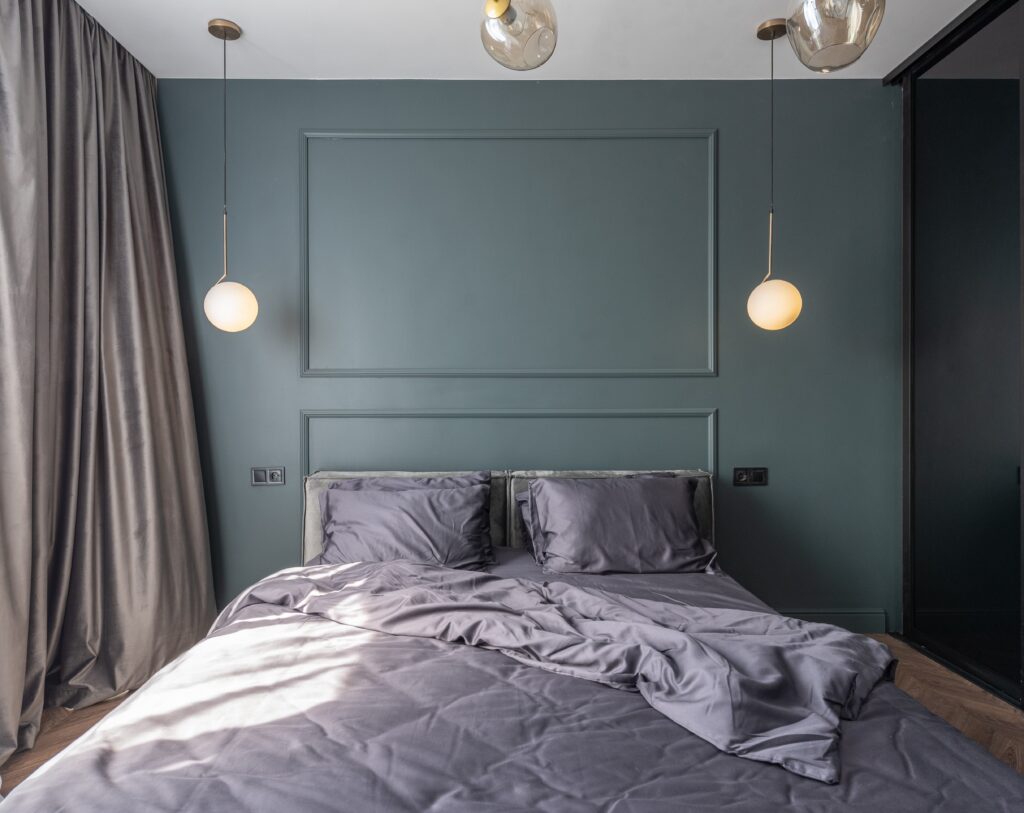
Bedroom accessories are the small, practical details that turn a furnished bedroom into a room that feels complete. The bed, wardrobe and bedside tables provide the structure, but it is the layers around them — bedding, lighting, textiles, storage and a few carefully chosen decorative pieces — that make the space feel comfortable, personal and ready to use. A room can feel finished without being crowded, expensive or perfectly matched, provided each accessory has a clear purpose and works with the room as a whole.
This guide explains how to choose bedroom accessories with that balance in mind. It looks at bedding and cushions, lighting, curtains and rugs, storage, wall details and scent, and it offers simple checks you can use before you buy anything. The aim is not a showroom look, but a bedroom that is calm in the morning, restful at night and easy to keep tidy.
Start With The Bed And Build Outward
The bed is usually the largest item in the room, so bedroom accessories should support it rather than compete with it. Start by checking the basics: a mattress that suits how you sleep, pillows that support your head and neck, and bedding that feels comfortable through the night. Once those are right, accessories can add warmth and character without hiding the bed or making it hard to use.
A simple formula works in many bedrooms. Choose a plain or lightly textured duvet cover as the base, add a throw or blanket folded across the lower third of the bed, and finish with two or three cushions that can be removed easily at night. If cushions pile up on the floor every evening, there are too many. The test is practical: making the bed should take a few minutes, not a full rearrangement.
Choose Bedding And Cushions For Comfort First
Bedding is both a bedroom accessory and a daily-use item, so comfort should come before appearance. Look at the feel of the fabric, how warm it is, and how easy it is to wash. Natural fibres such as cotton and linen are popular because they tend to feel breathable, while brushed fabrics can feel warmer in colder months. The right choice depends on the climate, the heating in your home and whether you tend to feel warm or cool at night.
Cushions add softness and colour, but they should not make the bed uncomfortable to sit on or difficult to clear. A mix of sizes usually looks more relaxed than a row of identical cushions. For example, larger cushions at the back, a medium cushion in front and one smaller cushion or a bolster can create depth without looking staged. Keep the cushion covers washable where possible, especially if pets use the bed.
Throws are useful beyond decoration. A throw at the foot of the bed adds warmth on a cold evening, gives a place to sit without disturbing the bedding, and can protect the duvet cover from everyday wear. Choose a throw that is easy to wash and heavy enough to stay in place, rather than one that slides off at the slightest movement.
How Many Cushions Are Enough?
There is no single correct number, but a helpful guide is to keep the total low enough that you can clear the bed in under a minute. In a smaller room, two cushions may be enough. In a larger room, four or five can work if they are arranged in a simple, repeatable pattern. If you find yourself moving cushions to a chair every night and forgetting to put them back, simplify the arrangement until it becomes a habit you can maintain.
Use Lighting In Layers
Lighting is one of the most effective bedroom accessories because it changes how the whole room feels. A single bright ceiling light is useful for cleaning or getting dressed, but it rarely creates a restful atmosphere. Layered lighting gives you options for different times of day and different tasks.
Bedside lamps are the most important layer in most bedrooms. They provide focused light for reading and a softer glow in the evening. Wall lights can save space on a small bedside table, while a floor lamp can help in a reading corner. A dimmer, where it can be fitted safely, can also make one lamp useful in several situations, from bright task lighting to a low evening glow.
Think about colour temperature in simple terms. Warmer light, often described as soft white, tends to feel cosy in a bedroom, while cooler, brighter light can feel more alerting and is often better suited to a bathroom or work area. You do not need to learn technical terms to make a good choice: read the packaging, compare lamps in the same room, and choose the light you find comfortable for winding down.
Bedside Lighting Checklist
- Can you switch the light on and off without getting out of bed?
- Is the light bright enough to read by, without shining directly into your eyes?
- Does the lamp leave enough space for a glass of water, a book or a phone charger?
- Is the shade in proportion to the bedside table and the height of the bed?
Curtains, Rugs And Softness Underfoot
Curtains and rugs soften hard surfaces and help a bedroom feel finished in a quiet, practical way. Curtains frame the window, reduce glare and add privacy, while a rug makes the first step out of bed more comfortable and helps the room feel warmer. Neither needs to be dramatic to work well. In most bedrooms, simple curtains in a colour that echoes the bedding, and a rug that extends beyond the sides of the bed, are enough.
When choosing curtains, check how they hang and how much light they block. A bedroom used mainly for sleep may benefit from a heavier lining, while a room that doubles as a daytime reading space may suit lighter fabric that still offers privacy. Measure the window and the drop before buying, and check whether the curtains can be washed or need specialist cleaning. For rugs, consider size first: a rug that is too small can look lost under a large bed, while a rug that is too large can crowd a small room and make doors hard to open.
Storage Accessories That Keep The Room Calm
A finished bedroom is often a tidy bedroom, and storage accessories help maintain that calm without turning the room into a storeroom. Bedside tables with a drawer can hide chargers and small personal items. A basket or box on a shelf can hold extra blankets, while hooks behind a door can keep a dressing gown or tomorrow’s clothes off the floor. The aim is to give everyday items a home, so surfaces stay clear.
Open storage can also be decorative if it is kept simple. A small tray on a dressing table can group perfume, jewellery or a watch in one place. A book stack on a bedside table can look intentional rather than cluttered, provided it is limited to a few books you are actually reading. Avoid buying storage for its own sake: start by listing what currently ends up on the floor or on chairs, then choose one storage solution for each problem.
Small Storage Ideas That Work
- A drawer organiser in the bedside table for chargers, lip balm and small essentials.
- A lidded basket for extra throws, so they are easy to reach but out of sight.
- Hooks or a valet stand for the next day’s outfit, reducing morning decisions.
- A tray on a dresser to keep keys, glasses and a watch together.
Walls, Mirrors And Personal Details
Wall accessories finish a bedroom by giving the eye somewhere to rest. A large mirror can make a small room feel brighter and more open, especially when placed opposite or near a window. Artwork, photographs or a simple print above the bed can anchor the room, provided the size suits the wall. A very small picture above a large bed can look lost, while a very large frame in a tiny room can feel overwhelming.
Personal details matter, but they work best when they are chosen rather than accumulated. A few photographs, a favourite book, a plant that thrives in the room’s light, or a handmade item can make the bedroom feel like yours. Plants need care and light, so choose one that suits the room rather than one that looks good for a week and then struggles. If you are sensitive to scent or dust, keep the number of soft furnishings and decorative items manageable and washable.
For a related look at how small home details change a room, see FM Magazine’s House Sign guide and its Sofa Throw ideas, which show how one well-chosen item can change the feel of a space without a full redesign. For a wider view of bedroom categories, from bedding to lighting, see IKEA UK Bedroom.
Scent, Sound And The Final Layer
Once the larger bedroom accessories are in place, scent and sound form a quiet final layer. A lightly scented candle, a diffuser or freshly laundered bedding can make the room feel cared for, but scent should stay subtle, especially in a room where you sleep. Strong or competing scents can feel tiring rather than restful, so choose one scent at a time and keep it low.
Bedroom Accessories For Small Rooms
Small bedrooms benefit most from accessories that do two jobs at once. A bedside table with a drawer, a mirror that also reflects light, a throw that adds warmth and colour, or a basket that stores and tidies can all earn their place. Avoid large, single-purpose decorations that take up floor or surface space without helping the room work better.
Common Mistakes To Avoid
The most common mistake is buying too much at once. A room filled in a single shopping trip often looks matched but impersonal, and items bought without a plan may not suit the light, size or storage of the room. Add accessories gradually, live with each change for a few days, and only then decide what is still missing.
Another mistake is choosing appearance over care. Items that cannot be washed, dusted or moved easily often end up neglected. Before buying, check the care label, the weight, the size and how the item will be cleaned. An accessory that is easy to look after is far more likely to stay in the room and keep it feeling finished.
A Simple Buying Checklist
- Does this bedroom accessory solve a real problem or add comfort?
- Does it fit the size, colour and light of the room?
- Can it be washed, dusted or moved without difficulty?
- Will it still work if you change the bedding or curtains later?
- Do you have a clear place for it, rather than a spare corner?
Conclusion
A finished bedroom is not about having more things. It is about choosing bedroom accessories that support sleep, storage, light and daily routines, and leaving out anything that gets in the way. Start with the bed, add comfort through bedding and cushions, layer the lighting, soften the floor and windows, and keep storage simple. When each piece has a purpose and a place, the room begins to feel complete on its own.
Take your time, measure before you buy, and choose items you will enjoy using every day. A calm, practical bedroom that suits your habits will feel finished far longer than a room decorated to impress for a single photograph.
Featured image credit: Photo by Max Vakhtbovych / Pexels
Sources
- FM Magazine: House Sign
- FM Magazine: Sofa Throw
- IKEA UK: Bedroom
Leave a Reply