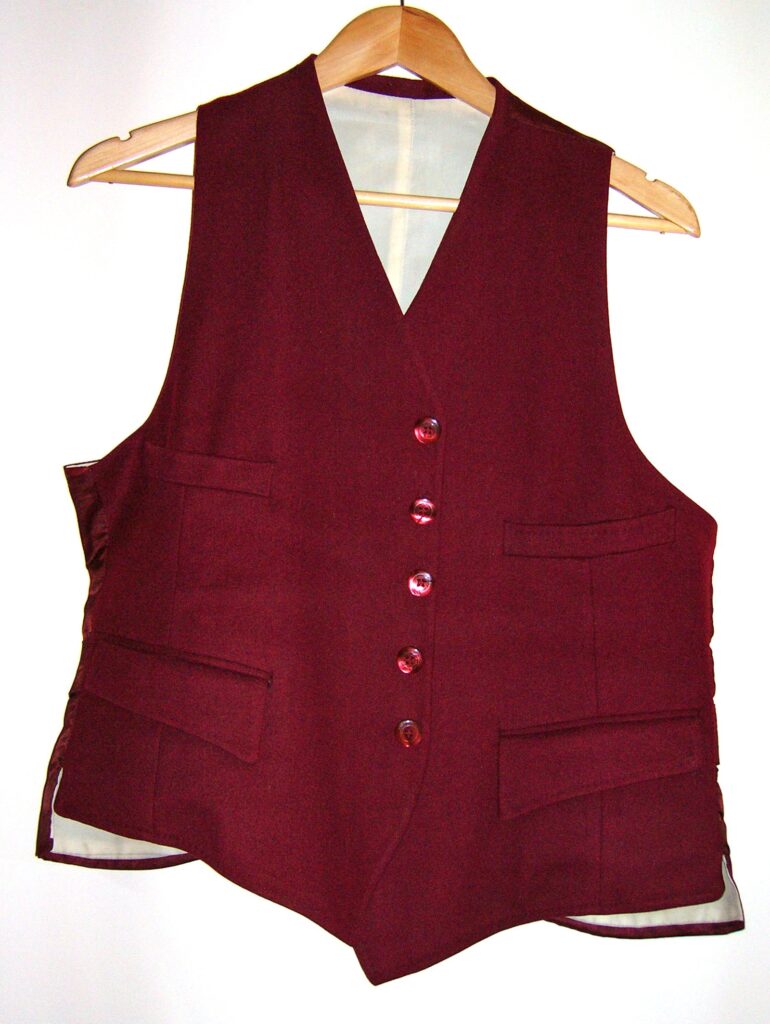
Learning how to wear a waistcoat is easier than it first looks. A waistcoat can make a simple outfit feel more finished without adding the weight of a jacket. You can button it up and wear it as a top, layer it over a shirt or fine knit, or use it under a blazer or coat when you want a smarter line. The key is fit. When the waistcoat sits well at the shoulders, closes without pulling, and ends at a flattering point, the rest of the outfit usually falls into place.
A waistcoat is also a useful piece for changing seasons. In warmer weather, a light cotton or linen style can be worn on its own with trousers or a skirt. In cooler weather, the same shape works over long sleeves or under outer layers. This guide explains how to choose the right fit, what to wear with a waistcoat, and how to style it for casual days, work, and smarter occasions without making the outfit feel forced.
What A Waistcoat Is And Why It Works
A waistcoat is a sleeveless upper-body garment, usually worn over a shirt and sometimes under a jacket. The V&A museum collection notes that women’s waistcoats were usually sleeveless and shaped to fit the body, which helps explain why the modern version still relies on a close, neat cut. Today’s waistcoats may be tailored and buttoned, soft and open, longline, cropped, or made in fabrics such as wool, cotton, linen, tweed, denim, or satin-look material.
The reason a waistcoat works in so many outfits is structure. It gives the upper body a clear shape, draws attention to the waist, and adds a tailored edge to relaxed pieces such as jeans or a plain T-shirt. At the same time, because it has no sleeves, it feels lighter than a blazer. That balance makes it practical when a jacket would feel too formal or too warm, but a plain top feels unfinished.
Choose The Right Fit First
Fit matters more with a waistcoat than with many other layers. There are no sleeves to hide a poor cut, and the front buttons sit in full view. A waistcoat that pulls across the chest, gaps at the armholes, or hangs awkwardly at the hem can make even good clothes look untidy. Try it on with the kind of top you plan to wear underneath, then sit, stand, and move your arms before deciding.
Check The Length Against Your Trousers
A classic tailored waistcoat usually ends around the waist or just over the waistband of trousers or a skirt. That length works well with high-waisted bottoms because it keeps the proportions clean. A slightly longer waistcoat can suit straight-leg jeans or lower-rise trousers, while a cropped style needs a high waistband underneath so the outfit does not look cut in two. If the hem stops at an awkward point on the hip, try a different length rather than forcing the outfit to work.
Make Sure The Buttons Close Comfortably
The front should close without horizontal pulling between the buttons. A small amount of shaping is good, but tightness that makes the fabric strain will look uncomfortable and may limit movement. If the waistcoat has a back adjuster or tie, use it for a small fit change rather than relying on it to fix a poor size. When wearing a waistcoat open as a layer, the front edges should still fall neatly and not swing away from the body in an untidy way.
Pick A Fabric For The Season
Fabric changes the mood of a waistcoat. Wool, tweed, and structured blends look smarter and suit cooler days. Cotton and linen feel softer and work better in spring and summer. Denim gives a casual finish, while a smooth satin-look waistcoat can look dressier in the evening. Fashionacy’s waistcoat styling guide also separates fitted styles for polished outfits from looser styles for layering, which is a helpful way to think before you buy or style one.
Wear It As A Top
Wearing a waistcoat as a top is one of the simplest modern ways to style it. Button it fully, keep the rest of the outfit clean, and let the tailored shape do the work. This look suits high-waisted trousers, straight-leg jeans, tailored shorts in warm weather, or a structured skirt. Because the waistcoat is the main top, the bottom half should not compete with too much pattern or volume.
For a neat daytime outfit, pair a neutral waistcoat with high-waisted trousers and loafers or clean trainers. For a softer look, choose a cream, beige, or pale blue waistcoat with light denim. If you prefer more contrast, a black waistcoat with white jeans gives a clear, simple outfit that can be dressed up with heeled sandals or kept casual with flat shoes.
Layer It Over Shirts And Knits
Layering is where a waistcoat becomes especially flexible. Over a plain T-shirt, it adds shape and makes a basic outfit look considered. Over a collared shirt, it looks smarter and more traditional. Over a fine knit or roll-neck top, it adds warmth while keeping the outfit slim enough for a coat on top.
Keep the layer underneath fairly smooth. Bulky sleeves, heavy hoodies, or thick knits can make the armholes feel tight and push the waistcoat out of shape. A fitted tee, ribbed top, slim shirt, or fine-gauge knit usually works best. If the waistcoat is patterned or textured, keep the top underneath plain. If the waistcoat is plain, you have more freedom with a striped shirt or a soft colour underneath.
Pair It With Jeans And Trousers
Jeans are one of the easiest partners for a waistcoat because they balance its tailored feel. Straight-leg jeans suit most waistcoats, especially when the waistcoat is fitted. Wide-leg jeans can work well too, but the waistcoat should be closer fitting so the outfit keeps a defined waist. Dark denim looks smarter and can move into evening with the right shoes, while light denim feels more relaxed and daytime.
Trousers give a waistcoat a cleaner finish. Tailored trousers in black, navy, grey, or cream make the outfit suitable for work or a smart lunch. Wide-leg trousers look modern with a fitted waistcoat, while cropped trousers and loafers create a neat, practical outfit. Matching trousers and a waistcoat in the same fabric can look like a two-piece set, which is useful when you want polish without wearing a full suit.
Style It For Work And Smarter Occasions
For work, choose a waistcoat with a clean cut and a fabric that holds its shape. Wear it over a shirt or fine knit, pair it with tailored trousers, and finish with loafers, pointed flats, or low heels. Neutral colours such as black, navy, grey, stone, and cream are easy to repeat and mix with the rest of a work wardrobe.
For smarter occasions, a waistcoat can replace a blazer when the dress code allows a lighter tailored look. A matching waistcoat and trousers, a silk-look top underneath, and heeled shoes can look elegant without feeling heavy. In the evening, deeper colours and smoother fabrics tend to look more dressed up than casual cotton or denim.
Add Outer Layers Without Bulk
A waistcoat layers well because it sits close to the body. Under a blazer, it creates a three-piece effect without needing a full suit. Under a long coat, it adds warmth and shape while leaving the sleeves of your top visible. For a classic outer layer, our guide on how to style a trench coat can help you keep the coat line clean over tailored pieces.
For a relaxed outfit, a waistcoat can be worn under an open denim jacket, but keep the layers slim so the shoulders do not feel crowded. If you are choosing that route, see how to style a denim jacket for ways to keep denim looking neat rather than bulky. The main rule is simple: one structured layer is usually enough. If the waistcoat is structured, the jacket over it should not be too tight or too padded.
Colours Patterns And Textures That Work
Neutral waistcoats are the easiest starting point. Black, navy, grey, cream, beige, and brown can be worn with many colours and repeated often. A white or cream waistcoat looks fresh with denim and light trousers, while a black waistcoat gives instant contrast over pale tops.
Patterns need a quieter base. A checked, striped, or tweed waistcoat works best over a plain top and with plain trousers or jeans. If you wear a patterned waistcoat with a patterned bottom, keep one pattern much smaller or much softer than the other, or the outfit may look busy.
Shoes And Accessories To Finish The Look
Shoes decide whether a waistcoat outfit feels casual or smart. Loafers and pointed flats keep it polished for daytime and work. Clean trainers make it relaxed. Ankle boots suit jeans and trousers in cooler weather. Heeled sandals or pointed heels lift a waistcoat and trousers for evening.
Common Mistakes To Avoid
Most waistcoat mistakes come from fit or too many competing pieces. A few simple checks can prevent them:
- Choosing a waistcoat that pulls at the buttons or feels tight when sitting
- Wearing a bulky top underneath that pushes the armholes out of shape
- Pairing a long waistcoat with a low waistband so the proportions look broken
- Mixing a bold waistcoat with bold trousers, shoes, and accessories at the same time
- Treating every waistcoat as formal, when denim, cotton, and linen styles can be worn casually
If an outfit feels almost right, change one thing at a time. A different shoe or a plainer layer underneath often fixes the balance.
Frequently Asked Questions
Can I Wear A Waistcoat With Jeans?
Yes. Jeans are one of the easiest ways to make a waistcoat feel relaxed. Choose straight-leg or wide-leg jeans with a fitted waistcoat, or wear a looser waistcoat over a plain tee with dark denim for a smarter casual look.
Should A Waistcoat Be Tight Or Loose?
A waistcoat should follow the body without pulling. Fitted styles work best as a top or under a blazer. Slightly looser styles can work over tees, shirts, and dresses, but they should still have a clear shape at the shoulders and hem.
What Top Goes Under A Waistcoat?
A plain T-shirt, fitted shirt, ribbed top, fine knit, or roll-neck top usually works best. Keep the layer underneath smooth so the waistcoat sits neatly at the armholes and front.
Can I Wear A Waistcoat In Summer?
Yes. Choose cotton, linen, or another lightweight fabric and wear it as a top with high-waisted trousers, shorts, or a skirt. Light colours and simple shoes keep the outfit fresh.
Is A Waistcoat Suitable For Work?
A tailored waistcoat can suit many workplaces when worn with a shirt or fine knit and smart trousers. Choose neutral colours, a clean fit, and polished shoes. If your workplace is formal, add a blazer over it.
Final Thoughts
A waistcoat earns its place when it fits well and has a clear role in the outfit. Wear it buttoned as a top for a clean tailored look, layer it over simple basics for everyday polish, or place it under a blazer or coat when you need more structure. Start with a neutral colour, pair it with trousers or jeans you already wear often, and adjust the shoes to set the mood. With the right fit, a waistcoat can make ordinary clothes look deliberate without making dressing complicated.


Leave a Reply