
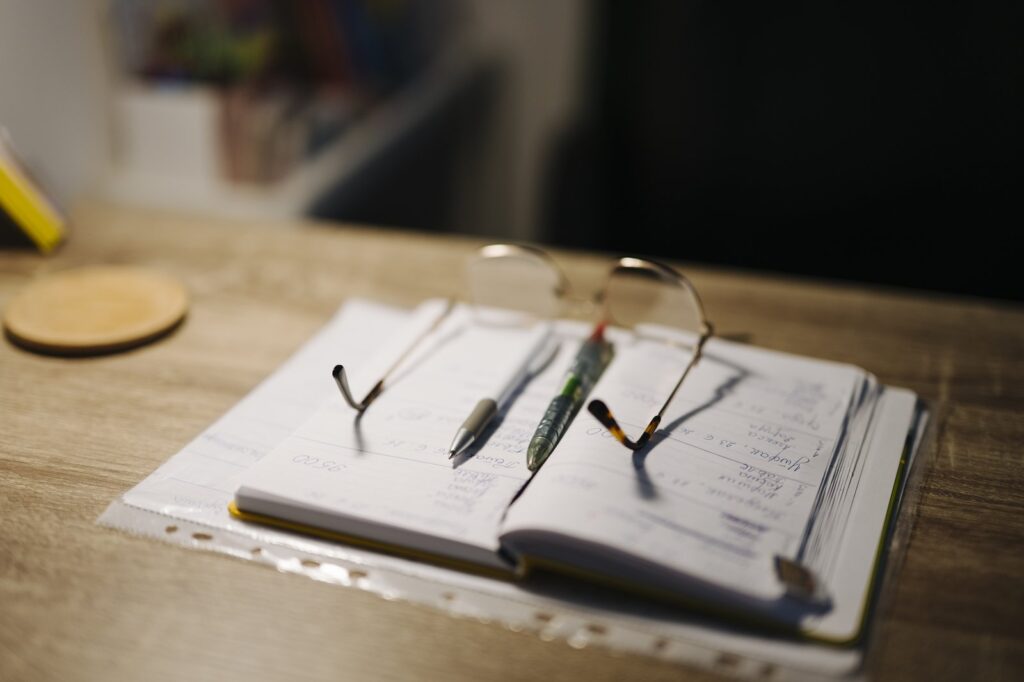
Learning how to be more organised is less about buying storage boxes and more about building simple systems that you can repeat on ordinary days. An organised life does not mean a perfect home or a schedule with no room to breathe. It means that important items have a place, important dates are written down, and small daily habits stop clutter and tasks from piling up. This guide focuses on systems and habits: giving items a home, using one trusted calendar, breaking tasks into steps, and finishing the day with a short reset. These practical changes work in real homes, with real energy levels, and without a complete life overhaul.
What Being Organised Really Means
Being organised means that your environment and routines support what you need to do. It does not mean that every drawer looks tidy at every moment. A home can be lived in and still be organised, as long as you can find what you need, return items easily, and see what needs attention next. The goal is function first, appearance second. If a system looks impressive but is hard to maintain, it is not a good system for you.
Occupational therapy guidance makes a similar point about workplaces. Working in an organised environment saves time, and effective time management can preserve energy, reduce fatigue, and minimise frustration. The same idea applies at home. An organised hallway, kitchen, or desk reduces wasted time spent hunting for lost items. It also lowers the low-level stress that comes from feeling that everything is slightly out of control.
Give Every Item A Home
The simplest organising rule is that every item needs a home. A home is a specific place where an item belongs and where you return it after use. When items have no home, they drift to tables, chairs, and floors, and every surface becomes temporary storage. When items do have a home, tidying becomes a matter of returning things, not deciding where they should go from scratch.
Choose homes that match how you actually live. Keep items close to where you use them. Coats, bags, and shoes belong near the entrance if that is where you come and go. Cleaning products belong near the rooms they clean, stored safely. Work papers belong near your workspace, not scattered across the kitchen. Proximity makes returning items easy, and easy habits are the habits that last.
Use containers to define homes clearly. A basket for post, a box for cables, a tray for keys and wallets, and a folder for paperwork awaiting action can transform vague piles into bounded places. The container also sets a limit. When the tray is full, it signals that items need attention. That signal tells you to sort, file, recycle, or act before the pile spreads.
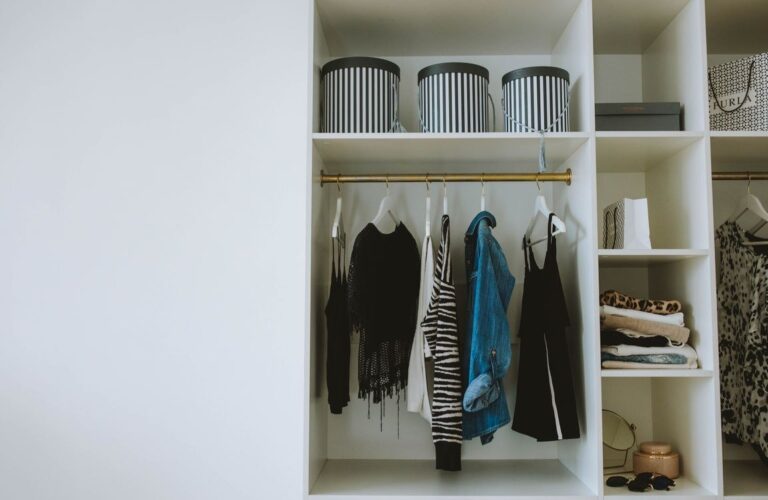
If an item has no sensible home, ask whether it should stay in your life at all. Too many items make organisation harder, because every object needs space and decisions. Our guide on how to declutter your wardrobe shows how removing what you no longer need makes the remaining items easier to store and find. Start with one category, one drawer, or one surface, and let the improved space encourage the next step.
Use One Trusted Calendar And One Task List
Disorganisation often grows when information is scattered. Appointments sit in one app, reminders in another, and tasks in your head. A single trusted calendar reduces that scatter. Choose one main place for dates and times, whether that is a phone calendar, a paper diary, or a shared family calendar. The best tool is the one you will check every day. Write down appointments, deadlines, birthdays, renewals, and travel plans as soon as you know them.
NHS guidance on concentration and structure notes that using planners, phone reminders, or visual schedules can make it easier to stay organised and focused. Reminders are part of the system, not a sign of failure. Set reminders early enough to act on them. A reminder for a morning appointment may need to arrive the evening before, so that you can prepare clothes, documents, or travel. A reminder that arrives too late only adds stress.
Break larger jobs into smaller steps. NHS guidance also recommends breaking tasks into smaller, manageable steps and recognising progress as you go. A large job such as organising a spare room can feel overwhelming. Smaller steps, such as clearing one shelf or sorting one box, feel achievable. Progress becomes visible, and visible progress keeps you going.
Review your calendar and task list at a regular time. A short daily check helps you see what is coming next. This article focuses on daily systems rather than detailed weekly planning, but if you want a fuller routine for mapping your week, our guide on how to plan your week can sit alongside the habits here. A system checked often stays trustworthy. A system ignored quickly becomes another pile of good intentions.
Build A Daily Reset That Takes Minutes
A daily reset is a short routine that returns your space and your mind to a workable state. It is not a deep clean. It is a brief, repeatable set of actions that prevents small mess from becoming a large problem. Many people find an evening reset helpful, because it closes the day and makes the morning easier. Others prefer a morning reset. Choose the time you are most likely to keep.
Keep the reset small enough to do even on a tired day. Ten to fifteen minutes is plenty for most homes. Walk through the main living areas and return items to their homes. Clear the kitchen worktops, put clothes in the laundry basket or wardrobe, and place keys, bags, and post in their usual spots. The aim is to restore order, not to achieve perfection.
Make the reset easier by keeping the tools close. A laundry basket where clothes are removed, a recycling box near where post is opened, and a small basket for items that belong in other rooms all reduce effort. During the reset, place stray items in one basket, then carry the basket from room to room and return each item to its home. This avoids endless trips and keeps the reset moving.
Organise Paperwork And Digital Files
Paperwork creates stress because it often carries deadlines, money, or important decisions. Create a simple paper system with a small number of categories. One folder or tray for items needing action, one for items to file, and a recycling or shredding route for items you no longer need can handle most post. Open post regularly and place each item in its category at once. Unopened envelopes are a common source of avoidable worry.
Reduce Multitasking And Protect Your Focus
Trying to do several things at once often makes organisation harder, not easier. Occupational therapy guidance advises avoiding multitasking and minimising disruptions, which can create overload and inefficiency. When attention is split, tasks take longer, errors increase, and items are left half-finished in several places. A more organised approach is to do one task at a time, finish or pause it clearly, and then move to the next.
Work in short, focused periods with breaks. Choose one task, set a timer if that helps, and give it your full attention until the timer ends or the task is complete. Then take a brief break, move around, or drink water. Breaks are part of sustainable organisation. An organised day with scheduled breaks can improve productivity and reduce fatigue, rather than draining energy until everything feels harder.
Make Organisation Visible And Start Small
Systems work better when you can see them. A calendar on the wall, a task list on the fridge, labels on boxes, and a tray by the door all act as gentle reminders. Visibility reduces reliance on memory. It also helps other people in the home follow the same system, because the system is not hidden in one person’s head. A simple visual reminder of your priorities, such as learning how to make a vision board, can also help you choose what to organise first.
The most common organising mistake is trying to fix everything at once. A whole-home overhaul in one weekend often leads to exhaustion and half-sorted piles. Start small, finish something, and build momentum. Choose one surface, one drawer, one category, or one routine. Complete it fully. Then choose the next.
Use a simple order for small projects:
- Remove everything from the chosen area.
- Group similar items together.
- Decide what to keep, donate, recycle, or discard responsibly.
- Give kept items a clear home, using containers where they help.
- Return items to their homes and label if needed.
- Keep the area working with your daily reset.
If organising feels overwhelming because of low mood, anxiety, or health problems, be gentle with yourself and consider support. The Avon and Wiltshire Mental Health Partnership NHS Trust guidance includes practical ideas for structure and focus, while occupational therapy tips from the Royal College of Veterinary Surgeons explain how organised environments and pacing can support wellbeing. This article offers general lifestyle information, not medical advice.
Frequently Asked Questions
How Do I Start Being More Organised When Everything Feels Messy?
Start with one small area or one simple routine. Clear a single surface, organise one drawer, or begin a five-minute daily reset. Finishing something small builds momentum and shows you what works. Avoid trying to overhaul your whole home at once, because that often leads to exhaustion and half-finished piles.
What Is The Easiest Way To Stay Organised Every Day?
Give items a home and return them during a short daily reset. When keys, post, clothes, and paperwork have a specific place, tidying becomes quick and repeatable. Pair the reset with one trusted calendar and one task list, checked daily, so that dates and tasks do not rely on memory alone.
How Can I Organise My Home Without Buying Lots Of Storage?
Sort first and buy later, if at all. Remove items from one area, group similar items, decide what to keep, and use containers you already own to define homes. Labels made from paper or tape can work well. Storage should fit the items you keep and the space available, not create a reason to keep more.
How Do I Stop Losing Keys And Important Items?
Choose one home for each frequently lost item and return it there every time. A tray or hook by the door works well for keys, wallets, and bags. Keep the home close to where you enter and leave, and include returning these items in your daily reset until the habit feels automatic.
Can Being Organised Help With Stress?
An organised environment can save time and reduce frustration, because you spend less time searching for lost items and worrying about forgotten tasks. Structure, planners, reminders, and breaking tasks into smaller steps can also help prevent feelings of being overwhelmed. Organisation is not a cure for stress, but practical systems can remove some everyday pressures.
Final Thoughts
Learning how to be more organised comes down to repeatable systems, not perfection. Give every item a home, keep one trusted calendar and task list, break large jobs into clear steps, and finish the day with a short reset. Start small, adjust what does not work, and let visible progress encourage you. With steady habits, your home and your days can feel calmer, clearer, and much easier to manage.


Leave a Reply