
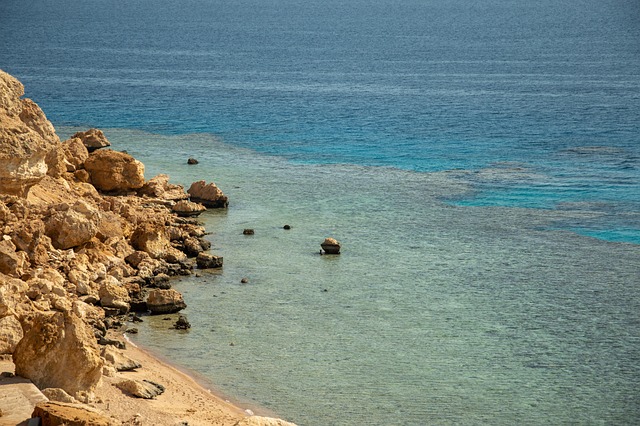
Sharm El Sheikh is one of the most popular Red Sea holiday destinations for UK travellers, and the question of whether it is safe comes up again and again. The short answer is that the UK Foreign, Commonwealth and Development Office (FCDO) does not currently advise against travel to Sharm El Sheikh itself. That is an important distinction, because the same FCDO advice does advise against travel to some other parts of Egypt. Safety here is therefore not a simple yes or no for the whole country. It depends on where exactly you go, how you travel, and whether you keep up with advice that can change at short notice.
This guide explains what the current official advice says, what everyday life in the resort is like, and what practical steps help you have a smoother trip. It does not replace official advice, so check the FCDO advice before you book and again before you travel.
What The FCDO Currently Says About Sharm El Sheikh
The FCDO travel advice for Egypt, updated on 27 October 2026, lists several areas where it advises against travel. These include all travel to within 20 kilometres of the Egypt-Libya border, except for the town of El Salloum, and all travel to the North Sinai Governorate. It also advises against all but essential travel to the northern part of South Sinai, beyond the St Catherine-Nuweibaa road, except for the coastal areas along the west and east of the peninsula. Sharm El Sheikh, on the southern tip of the Sinai Peninsula, is not on that list of areas to avoid.
The FCDO regional risks page for Egypt adds that travel to Red Sea tourist areas in the southern part of the Sinai Peninsula is generally low risk, and that security forces carry out routine checks on vehicles and at airports to protect resorts such as Sharm El Sheikh, Hurghada and Marsa Alam. That wording matters. It describes a resort area with visible security measures, not a place with no risk at all. Read the full advice here: FCDO travel advice for Egypt.
At the same time, the FCDO warns that the context in the Middle East remains deeply unpredictable and the risk of sudden escalation is high. That warning is regional, not specific to Sharm El Sheikh, but it explains why flight schedules, airspace and border crossings can change at short notice. It is also why travel insurance matters so much. The FCDO notes that your travel insurance could be invalidated if you travel against its advice. Travelling to Sharm El Sheikh itself is not travelling against advice, but travelling onward into an area the FCDO advises against could be a different matter entirely, so keep your plans within the resort area and the routes your tour operator or hotel recommends.
Understanding The Areas Around Sharm El Sheikh
Many travellers worry because they hear warnings about Sinai and assume they apply to the whole peninsula. They do not. Sinai is a large area, and the FCDO advice draws clear lines between its different parts. North Sinai, where the FCDO advises against all travel, is a long way from the resort beaches of Sharm El Sheikh. The northern part of South Sinai, where the FCDO advises against all but essential travel beyond a specific road, is also separate from the southern resort zone.
The practical point is simple: stay in the resort area and on recognised tourist routes. Do not set off on an unplanned desert trip or drive into remote areas without checking whether you need a permit or a guide. If you want to visit a site outside the resort, book through a reputable operator, ask what route it takes, and check the FCDO advice for that area first.
It is also worth knowing that checkpoints are a normal part of travel in this region. Security forces carry out routine checks on vehicles and at airports, and hotels commonly have their own entrance checks. These checks can feel unfamiliar if you are used to a European beach holiday, but they are part of how the resort area is protected. Allow extra time for them, keep your passport and hotel details handy, and follow instructions politely.
Everyday Safety In The Resort
Day to day, a holiday in Sharm El Sheikh looks much like any other busy beach resort. Hotels, beaches, restaurants, shops and dive centres cater to international visitors, and many staff speak English. Most visits pass without incident. That does not mean you should switch off completely. The same habits that keep you safe on any holiday apply here, and they are worth taking seriously.
Keep valuables out of sight, use your hotel safe for passports and spare cash, and be careful with bags and phones in busy markets and on beaches. Petty theft can happen in tourist areas anywhere in the world, and Sharm El Sheikh is no exception. Avoid walking alone late at night in quiet or poorly lit areas, and use hotel taxis or transport arranged by your hotel or tour operator rather than accepting lifts from strangers.
Be polite and aware of local customs. Egypt is a predominantly Muslim country, and dress codes are more conservative away from hotel beaches and pools. Covering shoulders and knees when visiting towns, markets and religious sites is respectful and helps you avoid unwanted attention. Alcohol is available in hotels and many tourist restaurants, but drinking heavily, especially alone late at night, increases risk everywhere, and it is best avoided.
If you are travelling with children, agree a meeting point in case anyone gets separated, keep your hotel name in a child’s pocket, and supervise children around pools and the sea at all times.
Getting Around, Money And Common Scams
Getting around Sharm El Sheikh is straightforward if you plan a little. Many hotels run shuttle services, and taxis are widely available. Agree the fare before you set off, or ask your hotel to book a taxi and confirm the price for you. If a driver offers an unplanned detour to a shop or a friend’s business, you are entitled to say no firmly and politely. Keep small notes for fares and tips, and avoid carrying large amounts of cash.
As in any popular tourist destination, you may meet people offering unsolicited help, tours or goods. A friendly approach is not necessarily a scam, but be cautious about deals that seem too good, pressure to buy quickly, or offers that involve going somewhere unfamiliar. If you want a tour, a dive trip or a desert excursion, compare options, check what is included, and book through your hotel, a tour operator or a dive centre with clear reviews and a fixed price.
Use ATMs inside hotels or banks where possible, shield your PIN, and tell your bank you are travelling so your card is not blocked. Keep a backup card or some emergency cash separate from your main wallet.
For more holiday planning, see our guides to long haul travel essentials and what food you can take on a plane.
Sea, Sun And Activities
For many visitors, the Red Sea is the main reason to come. The coral reefs, clear water and marine life are genuinely special, and snorkelling and diving are the highlights of many trips. Choose a licensed dive centre or boat operator, listen to the safety briefing, and do not swim or dive beyond your ability. If you have a medical condition, check with your doctor before diving, and make sure your travel insurance covers the activities you plan to do, including diving and water sports.
Sharm El Sheikh is hot for much of the year, so drink water regularly, wear sunscreen and a hat, and take breaks in the shade in the middle of the day. If you feel dizzy or unwell in the heat, get out of the sun and seek help promptly.
Desert trips and quad biking are popular, but wear a helmet where one is provided and follow the guide’s instructions. If an activity feels unsafe, you do not have to take part.
Health, Insurance And Practical Preparation
Check what vaccinations or health advice apply to Egypt well before you travel, and talk to your GP or a travel clinic if you are unsure. Pack regular medication in hand luggage, with a copy of your prescription, and carry enough for the whole trip plus a few extra days in case of delays.
Travel insurance is essential. Make sure it covers your itinerary, planned activities, and medical expenses and repatriation, and read the exclusions, especially around adventure activities and travelling against FCDO advice. Keep your insurer’s emergency number on your phone and on paper, and share your itinerary with someone at home.
Before you leave, check your passport validity and Egypt’s entry requirements, and check them again close to departure. Save copies of your passport, insurance details and hotel booking separately from the originals, and consider signing up for FCDO email updates for Egypt.
When To Reconsider Or Change Plans
There are times when even a well-planned trip should change. If the FCDO updates its advice to advise against travel to Sharm El Sheikh, or if your flight is changed or cancelled because of regional events, follow your operator’s and insurer’s guidance. If you are already in Egypt when advice changes, stay in contact with your tour operator and hotel, follow local instructions, and contact the British Embassy in Cairo if you need consular help. Reconsider any excursion beyond the resort area if you are unsure about the advice for that destination, and choose a different activity if your hotel cannot give you a clear answer.
Frequently Asked Questions
Is Sharm El Sheikh Safe For UK Tourists In 2026?
Based on the FCDO advice updated on 27 October 2026, the FCDO does not advise against travel to Sharm El Sheikh itself. It does advise against travel to North Sinai and to within 20 kilometres of the Egypt-Libya border, and against all but essential travel to parts of northern South Sinai. Always check the current advice before you travel, as it can change at short notice.
Is It Safe To Leave The Hotel In Sharm El Sheikh?
Yes, within the resort area, with normal holiday precautions. Stay in busy, well-lit areas, use hotel or pre-booked transport at night, keep valuables out of sight, and respect local customs when you leave the beach and pool areas. Avoid travelling into areas the FCDO advises against.
Do I Need Special Travel Insurance For Egypt?
You need comprehensive travel insurance that covers your itinerary and planned activities, including diving or water sports if you plan to do them. Check the exclusions carefully. The FCDO warns that insurance could be invalidated if you travel against its advice, so make sure your plans stay within the areas it does not advise against.
What Should I Do If FCDO Advice Changes While I Am There?
Stay in contact with your tour operator and hotel, follow local instructions, and check the FCDO advice for updates. If you need consular help, contact the British Embassy in Cairo. Keep your insurer’s emergency number handy and avoid travelling into any newly restricted area.
Conclusion
So, is Sharm El Sheikh safe? For a UK traveller staying in the resort area, the official picture in 2026 is reassuring but not unconditional. The FCDO does not advise against travel to Sharm El Sheikh, and describes Red Sea tourist areas in southern Sinai as generally low risk. At the same time, the wider region is deeply unpredictable, and advice for other parts of Egypt is much stricter. Enjoy the beaches and reefs, stay within the resort area, take normal precautions, and check FCDO advice before you book and again before you fly.
Leave a Reply