
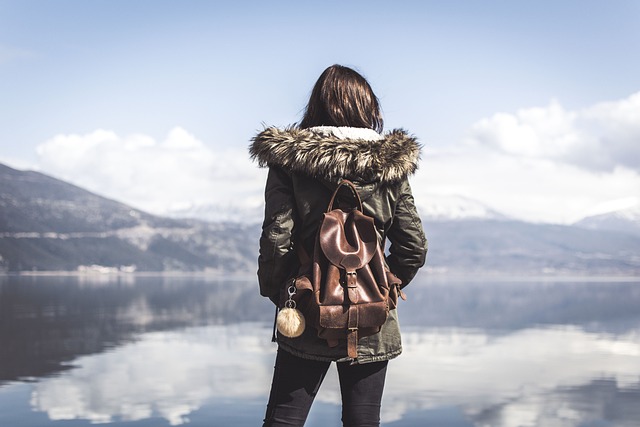
Travelling alone as a woman can be a rewarding way to see the world. You choose where to go, how long to stay, and what to do each day, without having to compromise with anyone else. It can also feel daunting at first, especially if you have never done it before. The good news is that confidence on a solo trip usually comes from preparation, not from being fearless. With a destination that suits you, a few steady safety habits, and a realistic budget, solo travel becomes enjoyable rather than stressful.
This guide covers choosing a destination, staying safe, packing well, meeting people, and managing money. It does not promise that any destination is completely risk-free, because no place is. Instead, it focuses on practical choices that help you feel in control and enjoy the freedom solo travel offers.
Choosing A Destination That Suits You
The best first solo trip is not necessarily the most adventurous one. It is the one that matches your confidence, budget and interests. If you are new to travelling alone, look for places with reliable public transport, plenty of central accommodation, and a well-used tourist trail. Cities and coastal towns in Portugal, Spain, Ireland and the Netherlands are popular starting points for UK travellers, because journeys are short and help is easy to find if plans change.
For a longer trip, Japan, New Zealand, Canada and Iceland are often recommended for solo women because of their strong tourism infrastructure and reliable transport. That does not mean other destinations are off limits. Weigh language, transport, local customs and how comfortable you feel moving around alone, and build up to more challenging places over time.
Before you book anywhere, check official travel advice for your destination. UK travellers can check the FCDO travel advice pages, which cover safety, entry requirements and local laws. If the advice warns against travel to a particular area, take that seriously and adjust your plans.
Think about what you actually enjoy, too. A solo trip can be a city break built around museums and food, a walking holiday, a coastal retreat, or a slow journey by train. Choosing a trip around your own interests makes it much easier to enjoy your own company.
Safety Habits That Make A Real Difference
Safety on a solo trip is mostly about small, repeatable habits rather than dramatic precautions. Share your itinerary with someone you trust at home, including your accommodation details and rough plans, and check in regularly. A short message each day is enough. Consider sharing your live location with a trusted person through your phone, but avoid posting your exact location on social media in real time. Share photos and updates after you have moved on.
Choose accommodation in a central, well-lit area rather than the cheapest room on the edge of town. A hostel with female-only dorms, a guesthouse with a 24-hour reception, or a well-reviewed hotel can all work well. Read recent reviews and check rooms have secure locks. If a place feels wrong, you are allowed to leave, even if you lose a night’s payment.
When you are out, keep your bag closed and in front of you in crowded places, and keep your phone, passport and main bank card secure. Carry a small amount of cash and a backup card separately. Use licensed taxis or app-based transport where available, especially at night, rather than accepting lifts from strangers. If someone makes you uncomfortable, a firm no and walking away to a busy place is enough.
Learn a little about local customs before you arrive, including dress norms for religious sites and attitudes to alcohol and nightlife. The FCDO also publishes advice for women travelling abroad that is worth reading before a first solo trip. This is about understanding the place you are visiting so you can move around comfortably. In some places, covering shoulders and knees at religious sites is expected, and drinking alone late at night attracts more attention than it would at home.
Finally, trust your instincts. If a street feels unsafe or a situation feels wrong, leave. You do not need a logical reason, even if it means changing plans.
Where To Stay And How To Get Around
Where you stay shapes your whole trip. For a first solo trip, book your first two nights before you arrive, so you land with a confirmed address and a bed. After that, you can be more flexible if you wish. Hostels are a good option for meeting people, because common rooms and organised activities make conversation easy. Many hostels offer female-only dorms and private rooms, so you can choose the level of privacy you prefer. Guesthouses and small hotels can feel quieter and more restful, which suits some travellers better.
Location matters more than luxury. A simple room in a central, walkable area, near transport and places to eat, usually beats a nicer room in an isolated spot. When you arrive, learn your immediate surroundings, and try to arrive in daylight rather than late at night in an unfamiliar city.
Public transport in many European and East Asian cities is reliable and affordable, and walking is often the best way to get to know a place. Download offline maps before you travel. For day trips, organised tours solve transport and logistics and give you company for a day without committing you to a group for the whole trip.
For more travel planning, see our guides to staycation ideas, airport outfits and Europe trip packing.
Packing Light And Smart
Packing for a solo trip is easier when you pack for yourself alone. You carry every bag, so light luggage is not just convenient, it is a safety advantage. You can move quickly, use public transport easily, and keep your belongings close. A bag you can lift into an overhead rack and carry up a flight of stairs is usually the right size.
Start with versatile clothing that layers well, comfortable walking shoes you have already broken in, and a light waterproof layer even if the forecast looks fine. Keep essentials in hand luggage on flights: passport, money, medication, phone charger, a change of clothes, and anything you would struggle to replace quickly.
Use a bag with a zip and keep valuables in an inner pocket. Digital copies of your passport, insurance and bookings, stored separately from the originals, save a great deal of trouble if something is lost. Pack medication with a copy of your prescription.
Pack for the trip you are actually taking, not for every possible occasion. If you are unsure about an item, leave it out. You can usually buy basics at your destination.
Meeting People Without Losing Your Independence
One of the biggest worries about solo travel is loneliness, but most solo travellers find that meeting people is easier than expected. Staying in a social hostel, joining a walking tour, taking a cooking class, or booking a day trip all create natural chances to talk to others. You do not have to be outgoing all the time. A shared activity gives you something to talk about, and you can choose how much time you spend with new acquaintances.
Eating alone gets easier quickly. Start with cafes and casual restaurants, sit somewhere you can watch the world go by, and bring a book if it helps you relax. Many solo travellers find eating alone becomes a pleasure, because you can eat what you like, when you like.
It is also fine to spend time alone. Solo travel is not a test of how many people you meet. If you start to feel lonely, change your surroundings: move to a busier cafe, join a tour, or book an activity for the next day. Loneliness on a solo trip is usually temporary.
Be careful about sharing personal details with people you have just met. Do not tell strangers exactly where you are staying or your full travel plans, and meet new people in public places until you know them better.
Eating Out, Evenings And Downtime
Evenings deserve a little planning. Plan your first evening in advance: know where you will eat, how you will get back to your accommodation, and what time you want to be home.
Try local food, but eat at busy places, drink bottled or treated water where tap water is not safe, and be careful with street food if you have a sensitive stomach. If you drink alcohol, keep it moderate and never leave your drink unattended. Plan how you will get home before you go out.
Downtime matters too. Solo travel can be tiring, because you make every decision yourself. Build rest into your trip, and leave space in your itinerary to follow a recommendation, stay longer somewhere you love, or simply rest.
Budgeting For A Solo Trip
Solo travel can cost more per person than travelling as a couple, because you do not share rooms, taxis or meals, and single supplements on tours and hotels are a real factor. On the other hand, you have complete control over spending.
Start with a simple budget: accommodation, transport, food, activities and a buffer for unexpected costs. Book transport and the first nights in advance, then track spending loosely as you go. Cooking some meals, choosing lunch as your main meal out, and using public transport instead of taxis are easy ways to save.
Use more than one payment method: a main card, a backup card, and a small amount of cash, stored separately. Tell your bank you are travelling, and check whether your cards charge fees abroad. Keep an emergency fund you do not touch for ordinary spending, so a missed flight or a lost phone does not become a crisis.
Frequently Asked Questions
Is It Safe For A Woman To Travel Alone?
Solo travel for women can be safe with careful planning, but no destination is completely risk-free. Choose a destination that suits your experience, stay in central accommodation, share your itinerary with someone at home, use licensed transport, and trust your instincts. Checking official travel advice before you book is an important first step.
What Is The Best First Solo Trip For A Woman?
A good first trip is usually short, in a place with reliable transport and plenty of central accommodation, and built around interests you enjoy. Many first-time solo travellers choose a European city break or a coastal town, where journeys are short and help is easy to find. Build up to longer or more challenging trips as your confidence grows.
How Do I Meet People When Travelling Alone?
Stay in social accommodation, join walking tours, day trips and classes, and eat in busy cafes and restaurants. Shared activities make conversation natural, and you can choose how much time to spend with people you meet. You can also enjoy time alone, which is part of the freedom of solo travel.
How Much Money Do I Need For A Solo Trip?
It depends on your destination, length of trip and style of travel, because solo travellers pay the full cost of rooms and transport. Budget for accommodation, transport, food, activities and a buffer for unexpected costs, and keep a separate emergency fund. Tracking spending loosely as you go helps you stay in control without spoiling the trip.
Conclusion
Solo trips for women are about freedom, confidence and choice. You do not need to be fearless or an experienced traveller to enjoy one. You need a destination that suits you, comfortable accommodation, a few steady safety habits, luggage you can manage alone, and a budget with room for surprises. Start with a trip that stretches you a little, plan well, trust your instincts, and give yourself permission to enjoy your own company.
Leave a Reply