
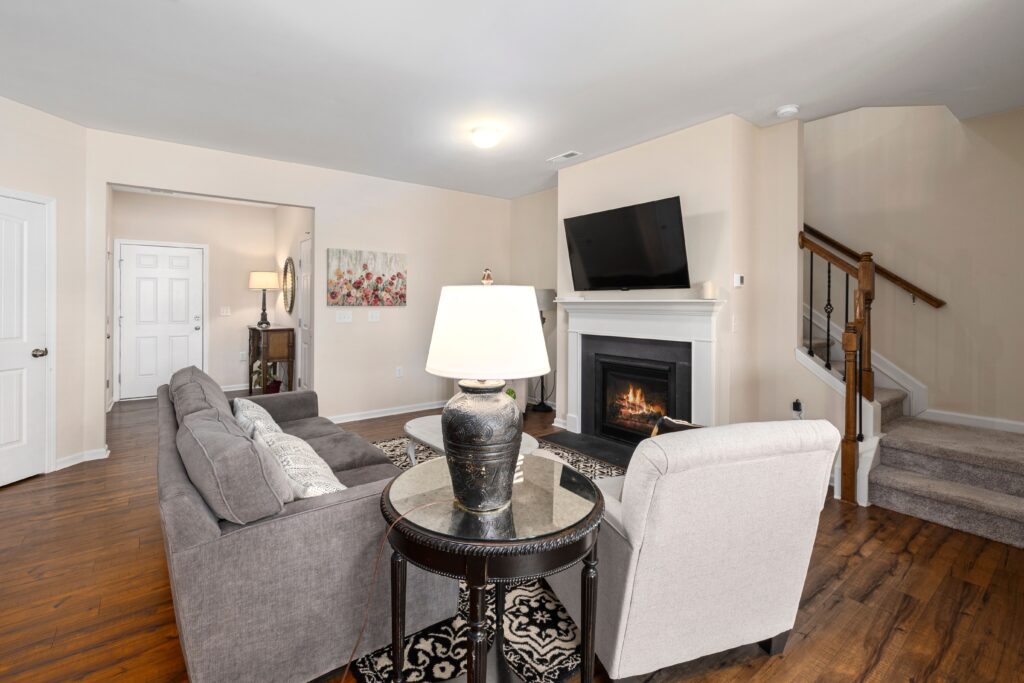
Your lounge room is the room you live in most. It is where you relax after work, welcome friends, watch films and read. Good lounge room decor is not about expensive furniture or copying a showroom. It is about arranging the room around how you live, then layering colour, texture and light until it feels warm and like yours. Most of the change comes from moving things around and adding small touches, not from a full renovation.
Start With How You Use The Room
Before you buy anything, think about what happens in your lounge room on an ordinary week. Film nights need a comfortable sofa facing the television. Conversation needs chairs that face each other. Children playing needs hard-wearing fabrics and clear floor space, while reading needs a good lamp beside a favourite chair.
Write down the three things you do most in the room. That short list becomes your brief: every decor choice should serve one of those three things. It also stops impulse buying, because you can ask one question before anything comes home: does this help the room do its job better?
Choose A Focal Point First
Every well-decorated lounge room has one thing the eye rests on first: a fireplace, a large window, a television, a piece of art or a bookshelf. Arrange the main seating to face it, and the rest of the room falls into place around that anchor.
If your room has no obvious focal point, create one: a large mirror above the sofa, a bold piece of art, a painted feature wall or a well-styled bookshelf. It should be the biggest, boldest thing in the room so the eye knows where to land. If the television is your focal point, style around it: a low media unit with a plant on either side makes a television wall look deliberate.
Arrange The Furniture For Conversation
The sofa is the largest piece in most lounge rooms, so its position sets the tone. It usually works best facing the focal point, with chairs angled inwards so people can talk without turning their heads. Pushing every seat against the wall leaves a cold gap in the middle and makes conversation feel formal.
In a large or open-plan room, think in zones: one for the sofa and television, another for a reading chair and lamp. A rug marks a zone simply, gathering the furniture into one group.
Leave Room To Move
Leave room to walk through without squeezing past furniture, and a comfortable gap between the sofa and the coffee table so legs and cups fit easily. Designers commonly suggest around 35 to 45 centimetres between sofa and coffee table, and 75 to 90 centimetres for main walkways.
Small Lounge Rooms
Small rooms reward honest editing. Choose a sofa that fits its wall, with breathing room on each side, rather than the biggest one that can be squeezed in. Armless chairs, a slim coffee table and furniture with visible legs help a small room feel lighter, and a large mirror opposite a window makes the space feel wider.
Build Your Colour Palette
Colour is where a lounge room finds its personality. The simplest approach is the three-part balance designers return to again and again: one dominant colour, one secondary colour and one accent, roughly in a 60-30-10 balance. The dominant colour covers walls and large pieces such as the sofa, the secondary colour appears in curtains and rugs, and the accent shows up in cushions, throws and art.
Warm neutrals such as cream, soft greige and warm taupe suit most British homes and make small rooms feel calm. They also let you change the accent with the seasons: mustard in autumn, fresh green in spring, deep teal in winter. If you love strong colour, use it on one wall; a deep green or navy feature wall adds depth without darkening the whole room.
Paint testers are worth the small cost: colours look different in your light, so paint a large patch and live with it for a few days before you commit.
living room colour inspiration
Layer Texture With Soft Furnishings
If colour is the personality of a lounge room, texture is its warmth. A room with one flat surface everywhere feels cold, however good the colours are. Mix materials instead: a smooth fabric sofa with a knitted throw, velvet cushions, a linen curtain and a woven rug. Each surface catches light differently, and together they make the room feel rich and inviting.
Cushions are the easiest place to start: mix one plain, one patterned and one textured cushion in the same colour family. Drape a throw loosely over an arm, and hang curtains high and wide so the window looks bigger.
Get The Rug Right
A rug that is too small is one of the most common lounge room mistakes, and one of the easiest to fix: a rug floating in the middle of the floor makes the seating look scattered. As a guide, the front legs of the sofa and chairs should sit on the rug, which usually means a rug at least 20 to 30 centimetres wider than the sofa on each side. When in doubt, size up.
A rug also protects wooden floors and softens sound. In a busy family room, a low-pile or washable rug is practical, while a deep-pile rug suits a reading corner. If your rug is patterned, keep cushions and curtains calmer.
Layer The Lighting
One ceiling light is never enough for a lounge room. A room lit from a single overhead source feels flat in the evening and harsh at night. Layered lighting works better: overhead light for general brightness, a floor or table lamp for reading, and low ambient light such as candles for the evening. Each layer can be switched on or off as the mood changes.
Warm white bulbs suit lounge rooms, flattering skin tones and making wood and fabric look richer; many designers suggest warm white light around 2700K for living spaces. If your room has a dimmer switch, use it: lowering the light in the evening changes the atmosphere more than any new accessory can. Place a lamp where you actually sit to read.
a practical guide to lamps for living rooms
Dress The Walls And Shelves
Empty walls make a room feel unfinished, but walls crowded with small frames feel fussy. One larger piece of art above the sofa usually works better than a cluster of tiny prints. If you love a gallery wall, plan it on the floor first and let one frame be the anchor. Art need not match your sofa: a bold print can lift a neutral room, and a calm landscape can soften a colourful one.
Shelves are where personality shows. Style them in small groups, not rows: a stack of books with a small vase on top, a candle beside a framed photo, a plant trailing over the edge. Leave some empty space on every shelf so the eye can rest.
Add Plants And Natural Touches
Plants are the simplest way to bring life into a lounge room. A tall plant fills an empty corner, a trailing plant softens a shelf, and a small plant on a coffee table adds colour at eye level. Beginners do well with forgiving varieties such as a snake plant, a pothos or a spider plant.
Natural materials add warmth alongside plants: a wooden coffee table, a woven basket for throws, a ceramic vase, linen cushions. A basket also gives throws and magazines a tidy home.
Decor Ideas For Every Budget
You do not need a large budget: start with the free changes, then spend where it shows most.
Under Fifty Pounds
Move the furniture into a better arrangement and clean the windows so more daylight comes in. Swap cushion covers rather than buying new cushions, add a new throw, and restyle shelves with things you already own. Fresh flowers in a vase cost little and lift the whole room.
Fifty To Three Hundred Pounds
This is where the biggest visible change happens: a new rug in the right size transforms the seating area, and new curtains, a floor lamp or a large piece of art above the sofa all make a clear difference.
Bigger Changes
If you are ready to spend more, start with the sofa: a well-made one in a colour and fabric you love is worth saving for, because it sets the comfort and look of the room for years. After that, consider a quality coffee table or a media unit that hides cables and clutter.
Common Mistakes To Avoid
- Buying a rug that is too small for the seating area, so it floats in the middle of the floor.
- Pushing every piece of furniture against the wall and leaving an empty gap in the centre.
- Relying on a single ceiling light instead of layering lamps and ambient light.
- Choosing paint from a small swatch without testing it on the wall in your own light.
- Filling every shelf and surface so there is nowhere for the eye to rest.
- Matching everything exactly, which can make a room feel like a showroom rather than a home.
For more step-by-step guidance, see Ideal Magazine’s guide to creating the perfect living room and Houzz’s ideas for updating a living room.
Frequently Asked Questions
How Do I Make My Lounge Room Feel Cosy?
Add texture and warm light: a soft throw and mixed cushions on the sofa, a rug under its front legs, and lamps and candles in the evening instead of one bright ceiling light. Warm colours and natural materials such as wood and wool help too.
What Colour Should I Paint My Lounge Room?
Warm neutrals such as cream and soft taupe suit most rooms and make small spaces feel calm. If your room gets little natural light, warm colours help it feel welcoming. Try a strong colour on one wall first, and always test a large patch before you commit.
How Big Should A Rug Be In A Lounge Room?
The front legs of your sofa and chairs should sit on the rug, which should extend at least 20 to 30 centimetres beyond the sofa on each side. Measure before you buy, and choose the larger size if you are between sizes.
How Can I Decorate A Lounge Room On A Small Budget?
Start with free changes: rearrange the furniture, clear clutter and restyle shelves with things you already own. Then spend small amounts where they show most, such as cushion covers, a throw or a plant. A new rug or one painted wall are the best value bigger changes.
Should The Sofa Face The Television Or The Fireplace?
Face the sofa towards whichever you use most: the television for film nights, or the fireplace if it is the heart of the room in winter, with the television to one side where it can still be seen comfortably.
Final Thoughts
A beautiful lounge room is not bought in one shopping trip. It grows from a few clear decisions: knowing how you use the room, choosing a focal point, arranging furniture for conversation, picking a simple colour palette and layering texture and light. Start with the free changes, then add one layer at a time. The result is a room that feels warm and welcoming every time you walk into it.
Leave a Reply