
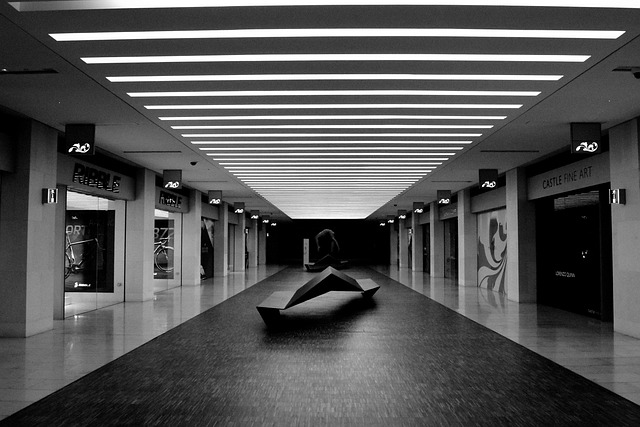
The hallway is the first room anyone sees in your home, yet it is often the last one to get any attention. It ends up as a dumping ground for coats, shoes, post and bags, painted a colour chosen years ago and lit by a single bare bulb. A hallway does not need a big budget or a full renovation to feel modern: a few focused changes, in colour, lighting, storage and flooring, can turn even a small entrance into a space that feels intentional and welcoming.
Modern does not mean cold, bare or expensive. A modern hallway is simply one that feels calm, uncluttered and well thought out, with clean lines, practical storage and light used well. This guide focuses on ideas that work in real homes, especially smaller entrances and narrow halls.
Start With A Modern Colour Palette
Colour is the fastest and cheapest way to change how a hallway feels, and modern hallways usually start from a calm, simple palette. Soft whites, warm off-whites, pale greys and gentle greige tones are the most reliable choices for a small entrance, because they reflect light and make the space feel larger. Use one shade, or tones from the same family, on walls, ceiling and woodwork, to avoid visual breaks that chop a narrow hall into sections.
That does not mean your hallway has to be all white. A modern look often comes from contrast used sparingly: a single feature wall in a deeper shade, such as sage green, soft navy or warm charcoal, can add depth and make a small space feel designed rather than plain. Keep the darker colour to one wall, ideally the wall you see first when you walk in, and balance it with lighter tones elsewhere.
Test paint samples on the wall before committing, and look at them in both daylight and evening light, because hallways often get little natural light. Choose a durable, wipeable paint finish, since this is a high-traffic area where scuffs and muddy splashes are part of daily life.
See our guide to paint colour from a colour expert.
Layer Your Lighting
Lighting is the single most powerful tool in a modern hallway, especially in entrances with no window. Many halls rely on one central ceiling light, which leaves corners dark and makes the space feel flat. Layering two or three sources of light instead creates warmth and depth.
Start with a good ceiling light that spreads light evenly. In a low-ceilinged hall, a flush or semi-flush fitting works better than a pendant that hangs too low. In a hall with a higher ceiling, a simple modern pendant can become a feature. Choose warm white bulbs, around 2700K to 3000K, for a welcoming glow rather than a harsh brightness.
Then add a second layer. Wall sconces beside a mirror or console table soften the light, while a small table lamp on a console adds a homely touch. If your hallway has a staircase, make sure the stairs are well lit for safety. In a long hallway, recessed spotlights can draw the eye along the space. Practical guidance on hallway lighting is covered in this hallway ideas guide from Checkatrade.
Dimmer switches are a small upgrade with a big effect: bright and practical when you are coming in with shopping, softer and more atmospheric in the evening.
Smart Storage That Disappears
Clutter is the enemy of a modern hallway. Coats on a pile, shoes across the floor and post on every surface make even a beautifully decorated hall feel chaotic. The modern solution is storage that hides the mess and fits the space rather than fighting it.
A slim shoe cabinet is the best starting point for most small halls. It holds several pairs of shoes behind closed doors, takes up very little depth, and gives you a surface on top for keys and post. If you have room for a bench, choose one with storage underneath, so shoes and bags tuck away and you still have somewhere to sit while putting shoes on. Wall hooks or a slim coat rail keep coats off chairs and banisters.
Use the space you already have. The area under the stairs, if your hall has one, is ideal for a fitted cupboard or pull-out drawers for shoes and outdoor gear. A shallow console table, no deeper than about 25 centimetres, fits a narrow hall without blocking the walkway and still gives you a place for a tray for keys. The rule is simple: every item that lives in the hallway should have a home, ideally behind a door or inside a drawer, so visible surfaces stay clear.
For a rental or a tight budget, freestanding pieces work just as well as fitted ones. A narrow bookcase, wall-mounted hooks, a lidded basket for scarves and gloves, and a small tray by the door can transform a hall without a fortune. What matters is whether the storage is used every day.
Mirrors To Open Up The Space
A mirror is the oldest trick in the hallway book, and it still works, because it bounces light around a dark space and makes a small entrance feel larger. In a modern hallway, the mirror should look deliberate, not like an afterthought. Choose a shape that suits the space, such as a tall arched mirror in a narrow hall or a large round mirror above a console table.
Position matters as much as size. A mirror placed opposite a window or a light will reflect that light back into the hall and brighten it noticeably. A mirror above a console table creates a natural focal point and a place for a last check before you leave the house. Avoid placing a mirror where it reflects clutter, such as an open coat rail, because it will double the mess visually.
Keep the frame simple and modern: slim black metal, light wood or frameless glass all suit a contemporary hall. If your hall is very small, one large mirror is usually better than several small ones, which can look busy and fragmented.
See our guide to bedroom accessories.
Flooring And Runners
Hallway flooring takes more punishment than any other floor in the house: wet shoes, muddy paws, grit from outside and constant foot traffic. It needs to be hard-wearing and easy to clean, and the best modern choices can be wiped or swept clean in seconds.
Porcelain or ceramic tiles are the toughest option and come in modern finishes that mimic stone, concrete or wood. Luxury vinyl planks are another strong choice: they look like wood, feel warmer underfoot, cope well with moisture and are quieter than tile. Engineered wood gives the warmest, most natural look, but needs a little more care and is best kept out of the wettest zone right by the front door.
A runner is the finishing touch that makes hard flooring feel welcoming. Choose a low-pile, washable runner in a pattern or colour that ties the hallway together, long enough to cover the main walkway without bunching at the ends. A runner also protects the floor, softens footsteps and adds texture. Secure it with a non-slip underlay, so it stays flat and safe.
Continuing the same flooring into the adjoining rooms, where possible, also helps a small entrance feel larger, because there are no visual breaks to stop the eye.
Small-Space Solutions That Actually Work
Small hallways reward specific, practical thinking. The following ideas are proven in real, compact entrances:
- Keep the floor as clear as possible, because every item on the floor makes a narrow hall feel narrower
- Use the walls, with hooks, slim shelves and wall-mounted storage, instead of furniture that eats floor space
- Choose furniture with more than one job, such as a bench with shoe storage or a console with drawers
- Hang a large mirror to reflect light and double the sense of space
- Paint in light, warm tones and keep the ceiling white to lift the height of the room
- Use one or two larger decorative pieces, such as a single artwork or a tall plant, rather than many small objects that create visual clutter
- Add a slim, washable runner to warm up hard flooring and guide the eye along the hall
Vertical space is often wasted in hallways. A high shelf above a door can hold items you rarely need, while a picture ledge lets you display art without drilling multiple holes. If your hallway has a tall, narrow wall, a slim bookcase or vertical shoe cabinet can use it without blocking the walkway.
Plants are another small-space win, provided you choose varieties that cope with low light, such as pothos, snake plants or ZZ plants. A single trailing plant on a high shelf adds life and softness to a modern hall.
Finishing Touches And Personal Style
Once the practical elements are in place, a few finishing touches turn a functional hallway into a stylish one. A single piece of artwork, hung at eye level on the wall you see when you enter, gives the space personality and a focal point. A small vase with fresh or dried stems on the console, a candle and a tray for keys all add warmth without creating clutter. Keep decorative items few, and choose pieces you genuinely like.
Colour can also come from accessories rather than walls. A runner, a cushion on a hallway bench or a piece of art can introduce a stronger colour into an otherwise neutral scheme, and accessories are easy to change when you want a refresh.
Finally, think about the transition into the rest of the house. A modern hallway should feel connected to the rooms beyond it, not like a separate box. Using similar tones or materials, such as the same wood finish on the console as on a nearby door, creates a sense of flow.
See our guide to ceramic vases.
Frequently Asked Questions
What Colour Makes A Small Hallway Look Bigger?
Light, warm neutrals such as soft white, pale grey and warm greige make a small hallway feel larger, because they reflect light and avoid visual breaks. Keep the ceiling white and use the same tone on walls and woodwork.
How Can I Make A Dark Hallway Brighter Without A Window?
Layer your lighting with a good ceiling light, wall sconces or a table lamp, and use warm white bulbs for a welcoming glow. Add a large mirror opposite a light source to bounce light around, paint in light tones, and keep the floor clear. A glass-panelled internal door can also borrow light from an adjoining room.
What Is The Best Storage For A Narrow Hallway?
Slim, closed storage works best: a shallow shoe cabinet, a narrow console with drawers, wall hooks for coats and a bench with storage underneath. Closed doors hide clutter, while wall-mounted storage leaves the floor clear. Use under-stair space for a fitted cupboard if you have it.
Should A Hallway Runner Match The Floor Or Contrast With It?
Either can work, but the runner should relate to the rest of the hallway. A runner in a tone close to the floor creates a calm, seamless look, while a patterned runner adds personality and draws the eye along the space. Choose a low-pile, washable runner with a non-slip underlay.
Conclusion
A modern hallway is not about expensive furniture or a complete renovation. It is about making a small number of good decisions: a calm colour palette, layered lighting, storage that hides clutter, a well-placed mirror, hard-wearing flooring and a few personal touches. Start with the change that will make the biggest difference in your hall, whether that is a fresh coat of paint, a slim shoe cabinet or a better ceiling light, and build from there. Done one step at a time, even the smallest entrance can feel bright, organised and stylish.
Leave a Reply