
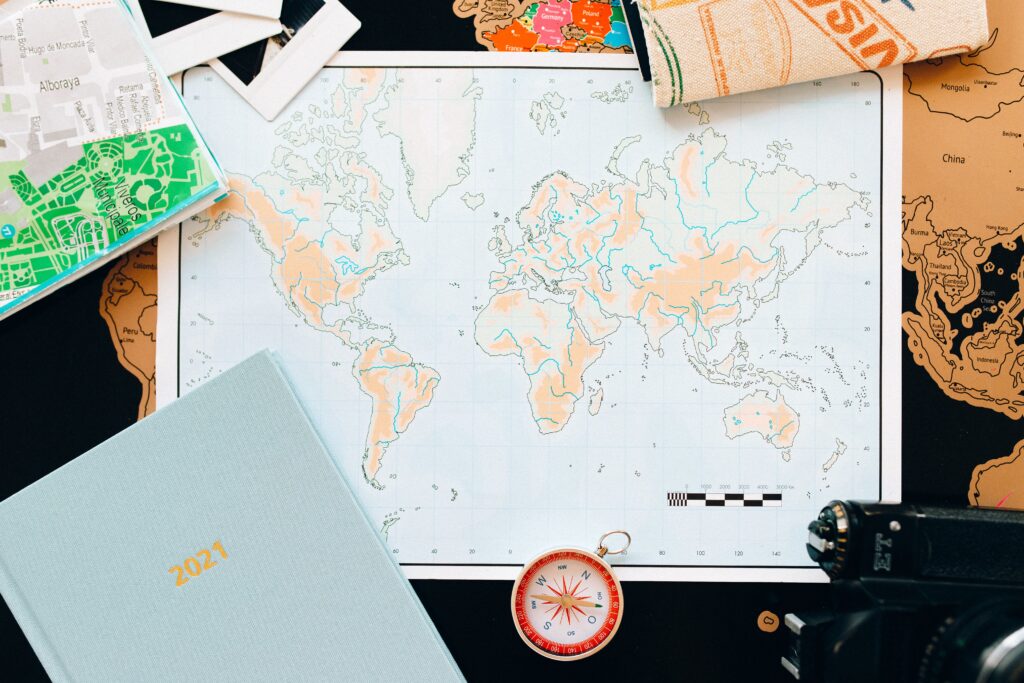
Travel guides are most useful when they help you make clear decisions before you leave home. A good travel guide does not simply list places to see. It explains how to get around, how much time each place deserves, what to book in advance, and what to avoid. This guide explains how to use travel guides well, how to plan a trip step by step, and how to choose destinations, transport, places to stay, and daily plans that suit your budget, interests, and pace.
Start with the purpose of the trip. A relaxing beach break, a city break, a walking holiday, a family trip, and a trip to visit friends all need different plans. Once the purpose is clear, the rest becomes easier. You can decide how much sightseeing is realistic, whether you need a car, and whether a central hotel or a quieter base makes more sense. Many disappointing trips happen not because the destination was poor, but because the plan did not match the traveller.
How To Choose A Destination
Choose a destination by balancing weather, journey time, cost, and what you want to do. A long flight for a short weekend rarely feels worthwhile, while a longer trip can justify a longer journey. Check the season carefully. A place can feel very different in peak summer, when it is busy and expensive, compared with spring or autumn, when it is calmer and often cheaper. Also consider how easy it is to move around once you arrive. A beautiful place with poor public transport may still work well if you are happy to hire a car, but it may frustrate travellers who prefer trains and walking.
Read several travel guides rather than relying on one source. Compare what they agree on, and notice where they differ. Agreement usually points to the main sights and practical facts. Differences often reveal personal taste, outdated advice, or places that suit some travellers better than others. Official tourism and government travel advice pages are useful for entry rules, safety information, and transport updates, and they should be checked close to departure because rules can change.
Planning Your Trip Step By Step
A simple planning order works for most trips. First, fix your dates and budget. Second, choose your destination and main base. Third, book transport and accommodation that can be changed if possible. Fourth, list the places you most want to see, then build a realistic daily plan around them. Finally, leave room for rest, wandering, and changes in weather. A plan that fills every hour leaves no room for the unexpected discoveries that often become the best memories.
Budget planning should include more than flights and hotels. Add local transport, food, entry tickets, travel insurance, and a small amount for unexpected costs. It is also wise to check whether museums, attractions, or tours need advance booking. Popular places can sell out, especially in school holidays, and booking ahead can save long queues. At the same time, do not book every meal and activity in advance. A mix of firm bookings and flexible time usually works best.
Getting Around And Staying Comfortable
Transport choices shape a trip. In many cities, walking, buses, trams, and trains are the easiest and cheapest ways to explore. A travel card or a day pass can save money and time. In rural areas, a car may be essential, but check parking, fuel costs, and driving rules before you commit. For longer journeys, compare trains and flights on total time, not just time in the air or on the rails. Airport transfers, check-in, and waiting time can make a short flight slower than a direct train.
Accommodation should suit the way you travel. A central hotel saves travel time, while an apartment can suit families and longer stays because it offers cooking space and laundry facilities. Read recent reviews, check the exact location on a map, and confirm what is included, such as breakfast, Wi-Fi, and cancellation terms. A slightly higher price in a good location can be better value than a cheaper room that requires long daily journeys.
What Makes A Good Travel Guide
A good travel guide gives practical detail, not only praise. Look for information about opening times, prices, how to reach a place, how long to allow, and whether it suits children, older travellers, or people with limited mobility. Maps, suggested walking routes, and honest notes about busy times are also valuable. Be cautious with guides that describe every place as perfect. The most helpful guides explain trade-offs, such as a famous viewpoint that is crowded at sunset but quiet early in the morning.
Online guides, guidebooks, and local advice all have strengths. Guidebooks are useful for background and structure. Online guides are often more current for prices and opening times. Local advice, from hotel staff, guides, or visitor centres, can reveal seasonal events, closures, and places that are not yet widely known. Use them together, and double-check important details before you set out for the day.
Building A Daily Plan That Works
Group sights by area rather than jumping across a city. This saves time and energy and lets you enjoy streets, cafes, and parks between the main attractions. Aim for one or two major sights per day, plus a few smaller stops. Start early for popular places, rest in the middle of the day if the weather is hot, and save evenings for walks, markets, and meals. If you travel with children, plan shorter days, include parks and play areas, and build in breaks for food and rest.
- Choose one main sight for the morning and one for the afternoon.
- Group nearby places together to reduce travel time.
- Keep one day, or at least one afternoon, unplanned.
- Note opening times and booking needs the night before.
- Carry water, comfortable shoes, and a charged phone.
Food is part of travel, not just fuel. Try local dishes, visit markets, and ask for recommendations away from the busiest tourist streets. If you have dietary needs, learn a few useful phrases and check menus in advance. A simple packed lunch can also be a good choice for a long walking day, a train journey, or a picnic in a park.
Travel Guides For Different Types Of Trips
City breaks reward careful planning because time is short. Choose a central base, prioritise a small number of districts, and use public transport well. Beach holidays need less sightseeing and more attention to weather, water safety, and shade. Walking holidays need route planning, suitable footwear, maps, and a plan for bad weather. Cultural trips benefit from background reading, so that museums, historic buildings, and neighbourhoods make more sense when you arrive.
Family travel guides should cover practical questions: Are attractions suitable for pushchairs? Are there family tickets? Where can children eat and rest? Solo travel guides should cover safety, social places to stay, and how easy it is to meet other travellers. Budget travel guides should focus on free sights, affordable food, and low-cost transport, rather than simply listing the cheapest hotels.
Staying Safe And Prepared
Preparation reduces most common travel problems. Keep copies of important documents, both printed and digital. Make sure your phone works abroad or that you have an offline map. Pack medicines, chargers, and adapters, and check the weather forecast before you pack. Travel insurance is important even for short trips, because medical care and cancelled transport can be expensive. Read what the policy covers, including activities such as hiking or water sports, if you plan to try them.
Respect local customs and rules. Dress codes, tipping customs, photography rules, and quiet hours vary widely. A little research shows respect and helps you avoid awkward mistakes. Learn a few polite phrases in the local language. Even simple greetings and thanks are usually welcomed and can make everyday interactions easier and more pleasant.
Using Travel Guides On The Day
On the day, a travel guide should be a tool, not a strict script. Check the weather, confirm opening times, and then adapt. If a place is unexpectedly closed, a nearby park, market, or neighbourhood walk can still make a good day. Keep notes about places you enjoyed, restaurants you would recommend, and tips you would pass on. These notes become your own personal travel guide for a return visit or for friends planning a similar trip.
Photographs help you remember a trip, but do not let them take over. Take a few good photos, then put the camera away and enjoy the place. Many travellers find that a short daily note, written in the evening, captures far more than hundreds of rushed photographs. It records what you ate, who you met, and what surprised you.
Conclusion
The best travel guides help you travel with confidence. They turn a long list of possibilities into a clear, realistic plan, while leaving room for rest and discovery. Choose a destination that fits your time and budget, plan the essentials in advance, group your days by area, and stay flexible when plans change. If you do that, a travel guide becomes more than a list of sights. It becomes a practical companion that helps you enjoy the trip you actually take, not just the trip you imagined. For more destination ideas, see our guides to Holidays to Brazil and Holidays to LA USA, and check official advice at GOV.UK foreign travel advice and VisitBritain before you travel.
Leave a Reply