
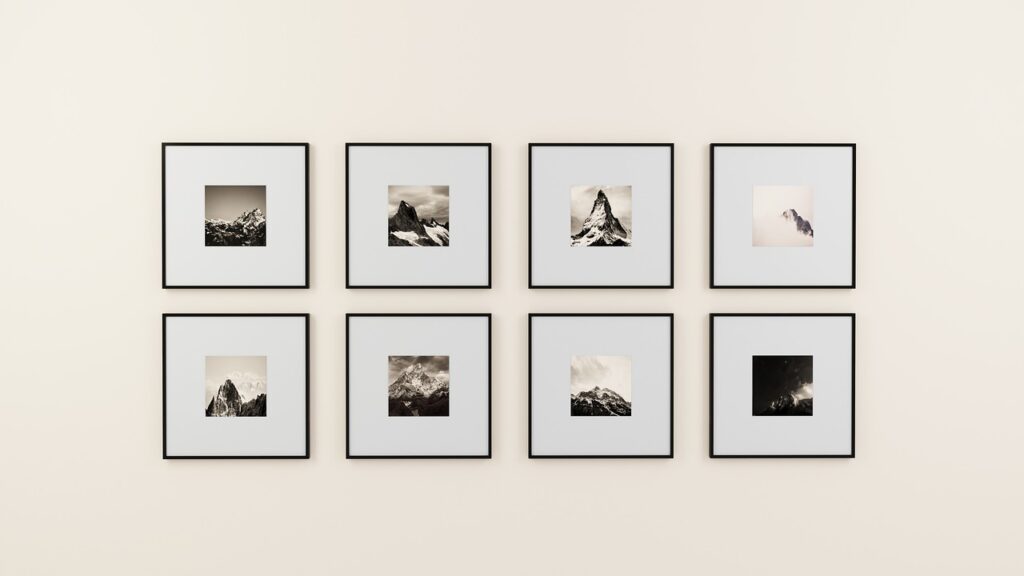
Yes, wall art in the kitchen has a place — as long as you choose pieces that can cope with the room. Kitchens are warm, steamy and busy, so paper prints in open frames and unprotected canvas do not last well near a hob or a sink. Hang the right art in the right spot, though, and a blank kitchen wall becomes the warmest part of the room. This guide explains which materials survive kitchen life, where to hang art, how to size it, and which styles suit the space.
Why Kitchen Wall Art Needs A Different Approach
A kitchen is not a living room. Cooking fills the air with steam, fine grease and heat, and those three things are hard on art. Steam can warp paper and swell wooden frames. Grease settles as a thin film on anything left unprotected, and it attracts dust. Heat from a hob or oven can dry out canvas and loosen glue over time. None of this means you should leave kitchen walls bare. It means the art you choose, and where you put it, matters more here than in any other room.
Best Materials For Kitchen Wall Art
Some materials handle kitchen conditions far better than others. If you are buying new art for the kitchen, start with the material, then worry about the image. These are the best options.
Framed Prints Behind Glass Or Acrylic
A framed print behind glass or acrylic is the safest choice for most kitchens. The glazing keeps steam, grease and splashes off the paper, and the surface wipes clean with a damp cloth. Acrylic glazing is lighter than glass and less likely to break if it falls, which makes it a sensible pick for a busy family kitchen. A slim frame with a white mount gives a gallery feel that suits classic and modern kitchens alike, and a framed print can be swapped easily when you want a change.
Canvas Prints
Canvas prints look warm and relaxed and need no frame, but bare canvas absorbs grease and moisture over time and is harder to clean than a glazed print. Canvas works well away from the hob and sink — above a dining table, for example. Near the cooking area, choose a canvas with a wipeable protective coating, or keep it small and easy to replace.
Metal And Aluminium Prints
Metal and aluminium prints are among the most practical options for a kitchen. The image is printed directly onto a metal panel, so there is no paper to warp and no glass to break. The surface wipes clean, handles humidity well, and suits modern kitchens. They tend to cost more than paper prints, so they make most sense for one feature piece rather than a whole wall of them.
Decorative Tiles And Ceramics
Painted tiles, ceramic plaques and plate walls are natural fits for a kitchen because they were made for exactly this environment. Tiles shrug off steam, splashes and heat, and they can be wiped clean like a splashback. A row of hand-painted tiles above a worktop, a single decorative tile set into a plain wall, or a small collection of plates hung as a group all add colour and character without any worry about damage. Vintage plates and tiles are easy to find second hand, which makes this a budget-friendly option too.

Chalkboards And Menu Boards
A chalkboard is the hardest-working piece of kitchen wall art there is. It holds the weekly menu, a shopping list or a recipe, and it can be wiped and rewritten whenever you like. A framed chalkboard suits a farmhouse kitchen, while a painted chalkboard panel fits a modern space. Keep it easy to reach but out of the steam path, and away from open food because of chalk dust.

Where To Hang Wall Art In The Kitchen
Placement decides how long your art lasts and how good it looks. The best spots in most kitchens are the ones where people sit, pause or pass through — not where cooking happens.
Above the dining table is the classic spot: it is the wall you look at while you eat, it is away from the hob, and it suits a single large piece or a small group of frames. Above a coffee station or a sideboard works the same way. A long, empty wall by the door or at the end of a galley kitchen is another good home for art, especially a row of smaller prints.
The spots to avoid are directly above the hob, right beside the sink, and anywhere within easy reach of splashing water or rising steam. Art above a cooker collects grease quickly, and art beside a sink gets splashed every day. If the only free wall is near the hob, choose tiles, metal or a sealed print, and accept that it will need more frequent cleaning.
Height matters too. A widely used gallery guideline is to hang art so its centre sits at about eye level, roughly 145 centimetres (57 inches) from the floor. In a kitchen, adjust that to the room: art above a table or sideboard should sit lower, with its bottom edge around 15 to 20 centimetres above the furniture, so it feels connected to the piece below it rather than floating on the wall.
Choosing The Right Size
Size is where most kitchen art goes wrong. A tiny print on a big blank wall looks lost, and an oversized canvas above a small table overwhelms the room. Kitchen walls are usually broken up by windows and cabinets, so medium and small sizes are the most common choices — the art just needs to match the wall it hangs on.
As a practical guide, a single piece above a table or sideboard should be about two-thirds as wide as the furniture below it. A piece above a breakfast bar or a narrow console can be smaller, around half the width of the furniture. If you are hanging a group of frames, measure the whole group as one shape and apply the same guide. Before you buy, mark the size on the wall with painter’s tape and live with the outline for a day. It takes five minutes and prevents the most common sizing mistake there is.
Styles That Work Well In Kitchens
Almost any style can work in a kitchen if the colours and subject suit the room. These are the styles that most often succeed.
Food and drink still life is the classic kitchen subject for a reason: it tells you what the room is for. Fruit, vegetables, coffee, wine and herbs all feel at home here, whether as a photograph, a watercolour or a bold modern print. Botanical prints are another safe choice: herbs, leaves and flowers bring colour without competing with the rest of the room. A vase of fresh stems below the art completes the look — our guide to spring vase styles shows how a simple vase can shift the mood of a room. For more ideas beyond standard prints, Homes & Gardens’ guide to things to hang on walls that aren’t prints includes plate walls and functional kitchen displays.
Typography and quote prints add personality — one short recipe quote or a simple word like “Eat” can anchor a wall, but a wall full of slogans quickly feels noisy. Vintage prints, such as old food advertisements or market posters, suit kitchens with character. Abstract art works best when it picks up a colour already in the room, such as the cabinets or the tiles, so the piece feels connected rather than random.
Creating A Gallery Wall In The Kitchen
A gallery wall suits a kitchen because it turns a plain stretch of wall into a feature without needing one expensive piece. The trick is to plan it on the floor first. Lay the frames out, try different arrangements, and photograph each one before you pick up a hammer.

Keep the spacing even, about 5 to 8 centimetres between frames, and keep one straight edge in the arrangement, such as a level top line, so the group looks deliberate. Mix frame sizes but keep one thing consistent — the same frame colour, mount colour or subject family — to hold the group together.
A kitchen gallery wall works best away from the cooking zone, above a table or on a wall by the dining area. Keep the number of pieces modest — five to seven is plenty in a small kitchen — and leave at least one wall in the room clear, so the kitchen still feels calm rather than crowded. A small group of votive candles on the table below the frames adds warmth in the evening without competing with the art. If you want more inspiration, Homes & Gardens’ modern rustic kitchen wall decor ideas show how plates, vintage art and open shelving can sit together on one wall.
Framing And Protecting Your Art
Good framing is what makes kitchen art last. Use a frame with a proper seal at the back so steam cannot creep in behind the glass. A mount keeps the print from touching the glazing, which prevents moisture from sticking the paper to the glass. For valuable or sentimental pieces, ask a framer about sealing the back and using conservation-grade materials.
Cleaning is simple. Wipe glazed frames with a damp microfibre cloth and dust unglazed pieces with a dry cloth. Avoid spraying cleaner directly onto a frame, since liquid can seep under the glass. Check the back of a framed piece once or twice a year for damp, and move the art if you find any. Keeping the room itself clean helps too — see our guide to a cleaner home that gives you your time back.
Common Mistakes To Avoid
- Hanging unprotected paper art directly above the hob, where grease and steam damage it fastest.
- Choosing a print that is too small for the wall, so it looks lost instead of intentional.
- Filling every wall with art and leaving the kitchen feeling crowded rather than decorated.
- Mixing too many unrelated styles, colours and frame types in one small room.
- Using a valuable or irreplaceable piece in the riskiest spot in the room.
- Forgetting to check the fixings — heavy frames need proper wall plugs, especially on tiled walls.
Frequently Asked Questions
Can You Hang Art In A Kitchen?
Yes. Choose materials that cope with steam and grease, such as framed prints behind glass or acrylic, metal prints or tiles, and hang them away from the hob and sink.
What Is The Best Art For A Kitchen?
Framed prints behind glass or acrylic are the safest all-round choice. Metal prints and decorative tiles are the most durable. Food still life, botanical prints and simple typography are the subjects that suit kitchens best.
Where Should You Not Hang Art In A Kitchen?
Avoid the wall directly above the hob, the area beside the sink, and anywhere that gets regular splashes or rising steam. These spots damage paper and canvas quickly and make cleaning a constant chore.
How Big Should Kitchen Wall Art Be?
A single piece above a table or sideboard should be about two-thirds as wide as the furniture below it. Mark the size on the wall with painter’s tape before buying.
Does Steam Damage Framed Prints?
Steam can damage unprotected paper, but a print sealed behind glass or acrylic with a closed frame back is well protected. Check the back of the frame once or twice a year for damp.
Final Thoughts
Wall art in the kitchen is not about filling every blank space. It is about choosing one or two pieces that suit the room, protecting them properly, and hanging them where they will be seen and enjoyed rather than steamed and splashed. Start with a single framed print above the table or the coffee station, get the size and height right, and let the rest of the room stay calm.
Leave a Reply