
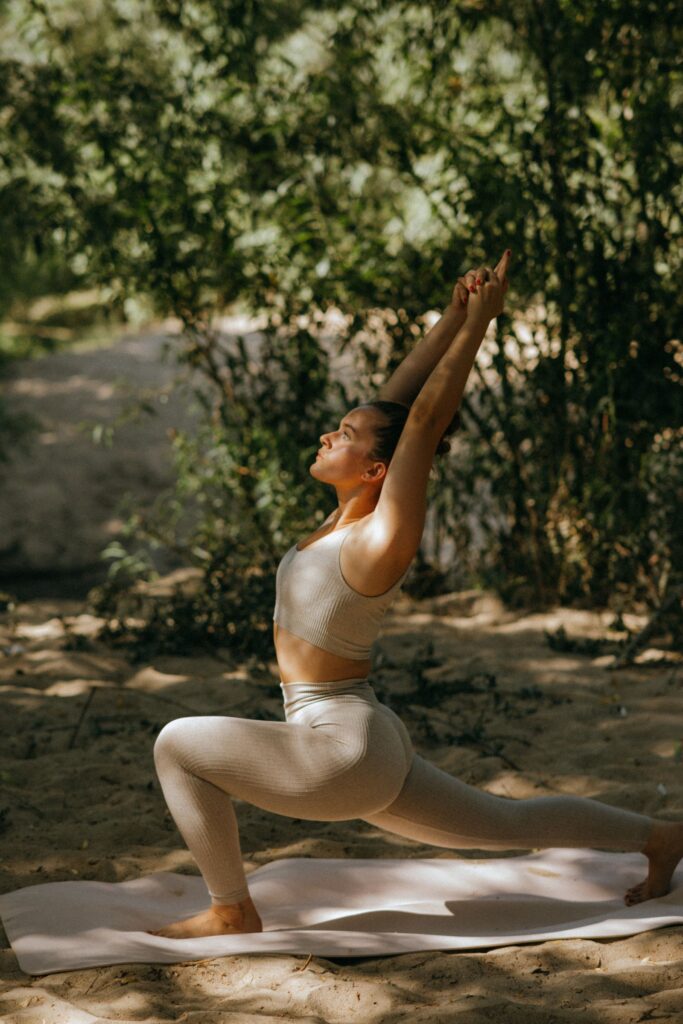
Yoga is one of the oldest forms of exercise still practised today, and one of the most widely studied. It began in India more than 5,000 years ago as a system that brings together the body, mind and spirit, and in the West it is now taught mainly as a form of exercise built around postures, breathing and relaxation. The reasons people keep coming back are simple: it makes the body more flexible and stronger, it calms the mind, and it can be adapted to almost any age or ability.
The NHS describes yoga as focusing on strength, flexibility and breathing to boost physical and mental wellbeing, and notes there is some evidence that regular practice helps people with high blood pressure, heart disease, aches and pains, including lower back pain, depression and stress. This guide looks at what yoga can actually do, which types suit different people, and how to start safely.
What Is Yoga?
Yoga is a form of exercise that uses slow movements, stretching and breathing. A typical session combines physical postures, known as asanas, with controlled breathing and a short period of relaxation or meditation at the end.
One of the greatest benefits of yoga is its accessibility. You do not need to be flexible, fit or experienced to practise it. Yoga can be adapted to suit all ages, abilities and levels of mobility, and it can be done at home with a mat or in a class with a teacher. The NHS notes that the exercises in its yoga videos are suitable for most people in good health with a reasonable level of fitness.
Physical Benefits Of Yoga
Flexibility is the benefit most people notice first. Regular practice lengthens muscles, loosens stiff joints and improves range of movement. This matters in everyday life: reaching, bending and turning become easier, and stiff hips, shoulders and hamstrings gradually loosen. Improved flexibility also helps with posture, since tight muscles are a common cause of slouching and the aches that come with it.
Strength builds more quietly. Holding poses such as plank, chair pose or warrior poses works the muscles of the legs, arms, core and back, and over weeks and months that builds real, functional strength. The NHS notes that yoga can improve muscle tone, flexibility, strength and stamina, and that it can help improve circulation.
Balance is another benefit that grows with practice. Standing poses challenge the small stabilising muscles around the ankles, knees and hips, and better balance reduces the risk of falls, which matters especially for older adults. Research has also found benefits for chronic lower-back pain, one of the most common reasons people try yoga. The evidence is not that yoga cures back pain, but that regular, gentle practice can reduce pain and improve function for many people with persistent, non-specific lower-back pain.
Yoga also supports heart health in a modest way. The NHS notes that regular practice has been associated with lower heart rate and improved blood pressure, partly because it helps regulate the body’s stress response. It is not a replacement for aerobic exercise, though. Guidance for cardiac rehabilitation patients notes that yoga is generally not intense enough to count towards the 150 minutes a week of aerobic exercise adults should aim for, and that it should be thought of as an addition to other exercise rather than a replacement for it.
Mental Health Benefits Of Yoga
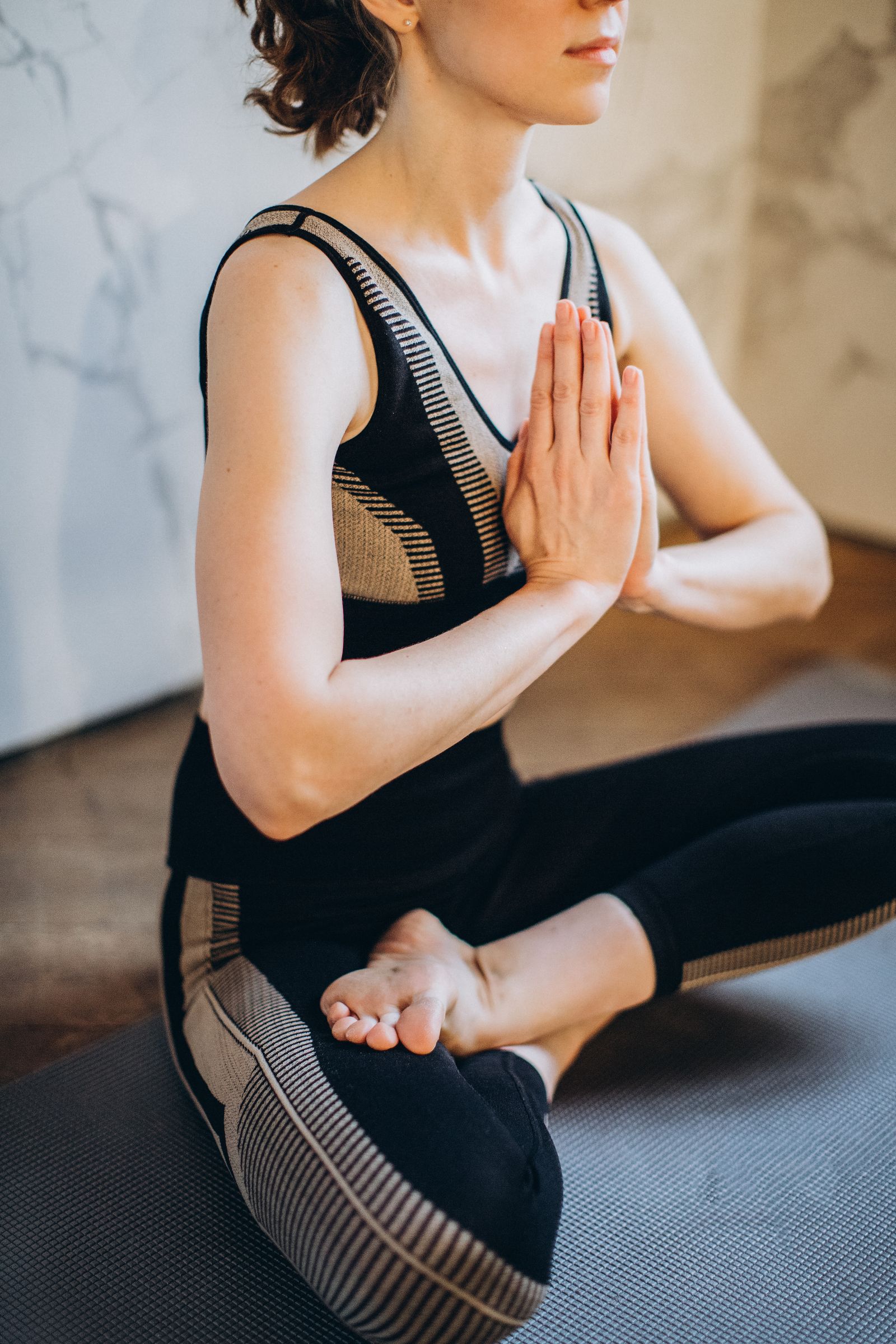
The mental benefits of yoga are often the reason people stick with it long after the novelty of the poses has worn off. Yoga combines movement with slow, deliberate breathing, and that combination helps calm the nervous system. Even a few minutes of mindful movement and breathing can help calm the nervous system and create a sense of balance, according to NHS practitioners who use yoga in mental health services.
Research suggests yoga can help with symptoms of anxiety and depression. A review by King’s College London found that yoga worked as well as talking therapy for depression in pregnancy, and NHS social prescribing schemes increasingly connect patients with community yoga classes to help manage stress, low mood and chronic pain.
For adults, many people report improvements in sleep, reductions in stress and tension, and a greater sense of calm. It is important to be honest about what yoga cannot do: it is not a treatment for depression or anxiety on its own, and it does not replace professional help. But as part of a wider approach to looking after your mental health, it is a low-cost habit with real evidence behind it.
Yoga And Specific Health Conditions
Beyond general fitness and mood, research suggests yoga may help with several specific conditions, although the strength of the evidence varies. The Torbay and South Devon NHS trust lists anxiety, depression, back pain, blood pressure and chronic fatigue among the conditions yoga may help to manage. It also notes benefits for fatigue and quality of life in some cancer survivors, and for balance and fear of falling in older adults.
For people with heart conditions, yoga has been studied in cardiac rehabilitation. Research suggests regular practice helps regulate the body’s stress response, which is associated with improved mood and better self-reported quality of life. It has also been shown to reduce inflammation, which helps the arteries relax fully, and this, coupled with reduced stress, can help lower heart rate and improve blood pressure.
None of this means yoga should replace medical treatment. Anyone with a heart condition, high blood pressure, osteoporosis, a joint problem or another medical condition should talk to their GP or specialist before starting, and should tell the yoga teacher about their condition so poses can be adapted. Yoga works best as a complement to medical care, not as a substitute for it.
The Main Types Of Yoga
Not all yoga is the same, and choosing the right style makes a big difference to whether you enjoy it. Hatha yoga is the most widely taught form in the West, and it is a good starting point. Classes move at a gentle pace through basic poses, with time to learn alignment and breathing, and they suit beginners well.
Vinyasa flow links poses together in a continuous sequence, matching each movement to the breath. It is more energetic than Hatha, and it builds heat and stamina, so it suits people who want a more active session. Iyengar yoga focuses on precise alignment and uses props such as blocks, straps and bolsters to help you hold poses correctly. It is a good choice if you want careful instruction or have limited mobility.
Ashtanga is a demanding, structured sequence of poses performed in the same order each time, and it suits fit, experienced practitioners rather than beginners. Yin yoga sits at the other end of the scale: poses are held for several minutes, mostly seated or lying down, and the aim is deep stretching and relaxation. Restorative yoga is slower still, using bolsters and blankets to support the body in restful poses. Hot yoga is practised in a heated room, and it is not suitable for everyone, particularly people with heart conditions or high blood pressure, so check with your GP first.
If you are unsure where to start, a beginner Hatha or gentle yoga class is the safest choice. A good teacher will offer modifications for poses that do not suit you.
Getting Started Safely
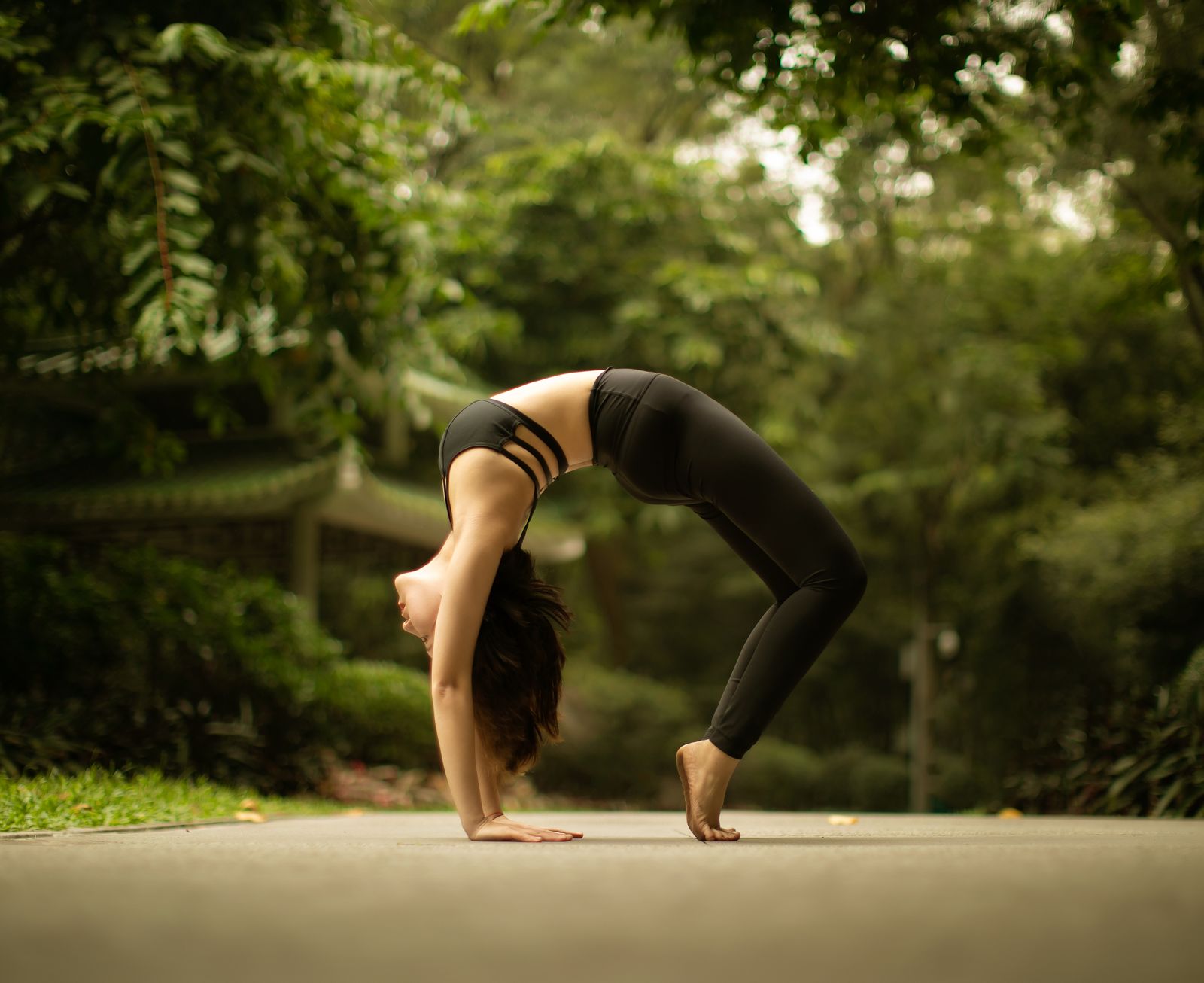
Starting yoga is simple. You need very little equipment: a yoga mat, comfortable clothes you can move in, and a bottle of water. Bare feet are usual, since they help with grip and balance.
Choose a beginner class rather than an advanced one, and tell the teacher if you are new, if you have any injuries, or if you are pregnant. See also our guide on recovering from burnout. A qualified teacher will offer easier versions of poses and will not expect you to match the flexibility of other people in the room. Go at your own pace, and never force a stretch: discomfort is a signal to ease off, not to push harder.
Warm up gently, especially if you practise at home without a teacher. Start with a few minutes of easy movement and breathing before attempting deeper stretches. Avoid practising on a full stomach, and drink water afterwards. If you feel dizzy, unwell or in pain during a session, stop and rest. Pain in a joint is different from the mild stretch of a muscle, and it should not be ignored.
There are a few situations where extra care is needed. You should not practise yoga if your blood pressure is 180/100 mmHg or above, according to cardiac rehabilitation guidance. If you are pregnant, look for a pregnancy yoga class rather than a general one, since some poses are not suitable. People with osteoporosis should avoid deep forward bends and twists unless a teacher advises otherwise. When in doubt, ask your GP.
Key Takeaways
Yoga improves flexibility, strength, balance and posture, and research suggests it can help with back pain, blood pressure, anxiety, depression and stress. It is accessible to most people, can be adapted to different abilities, and needs little equipment. Hatha or gentle yoga is the best starting point for beginners, and two or three sessions a week is a realistic target. Yoga is an addition to aerobic exercise, not a replacement for it, and it does not replace medical treatment. If you have a health condition, talk to your GP and tell your teacher before you start.
Frequently Asked Questions
What Are The Main Benefits Of Yoga?
The main benefits are improved flexibility, strength, balance and posture, along with reduced stress and tension and a greater sense of calm. The NHS notes there is some evidence that regular practice helps people with high blood pressure, heart disease, aches and pains including lower back pain, depression and stress.
Is Yoga Enough Exercise On Its Own?
Not quite. Yoga improves strength, flexibility and balance, but it is generally not intense enough to count towards the 150 minutes a week of moderate aerobic activity that adults should aim for. It works best alongside walking, cycling, swimming or another aerobic activity.
Can Beginners Do Yoga?
Yes. Yoga can be adapted to suit all ages, abilities and levels of mobility, and you do not need to be flexible, fit or experienced to start. A beginner Hatha or gentle yoga class is the best first step. Tell the teacher you are new and mention any injuries or health conditions, and go at your own pace.
How Often Should I Do Yoga?
Two or three sessions a week of 20 to 45 minutes is a realistic target for most beginners, and even a short daily session of 10 to 15 minutes can help. Consistency matters more than length: the benefits build gradually over weeks. If you miss a week, simply return to the mat when you can.
Is Yoga Safe If I Have Back Pain?
For many people with persistent, non-specific lower-back pain, gentle yoga can reduce pain and improve function, and research supports this. However, yoga is not suitable for every kind of back problem. If your back pain is severe, came on after an injury, or is accompanied by numbness, weakness or bladder problems, see your GP before starting.
Disclaimer: This article is for general information only and is not medical advice. Yoga is a form of exercise, not a treatment for any medical condition. If you have a health condition, are pregnant, or take regular medication, speak to your GP before starting yoga, and tell your teacher about your condition so poses can be adapted.
Leave a Reply